KetoVera Supplement 2026: An Informational Look at Its Ingredients, Formula, and Safety Considerations.
Dietary supplements are widely discussed in the health and wellness industry. From vitamins and minerals to botanical extracts and liquid formulations, consumers have access to many products designed to complement their everyday wellness routines.
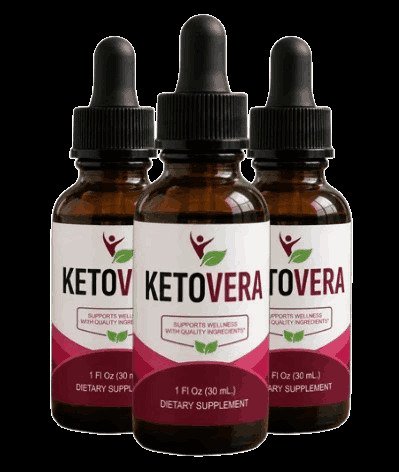
One product attracting attention in the supplement market is KetoVera Supplement. It is marketed as a liquid dietary supplement featuring a combination of botanical ingredients and nutritional compounds.
As interest in supplement products continues in 2026, it is important to understand what a product contains, how its ingredients are described, what scientific research says, and what information consumers should check before making decisions.
This article provides an informational overview of KetoVera, its advertised formula, ingredient research, product transparency, and important safety considerations.
What Is KetoVera Supplement?
KetoVera is presented by its seller as a liquid dietary supplement designed to complement an adult wellness and nutrition routine.
Unlike conventional tablets and capsules, the product is marketed in liquid-drop form. The seller describes a formula combining several botanical ingredients with nutritional compounds.
The product is associated with the broader keto and metabolic wellness supplement category. However, it is important to distinguish between a product’s marketing description and scientifically established health benefits.
A supplement should never be considered a replacement for nutritious meals, adequate sleep, regular physical activity, or appropriate medical care.
People researching KetoVera should begin by reviewing its current product label, ingredient quantities, manufacturer information, and applicable safety documentation.
Understanding the KetoVera Formula
According to the product information available online, KetoVera features several named ingredients.
These include:
- Chromium picolinate
- African mango
- Green tea extract
- Coleus forskohlii
- Gymnema sylvestre
- Guarana
- Maca root
- Raspberry ketones
- L-carnitine
Each ingredient has a different background in nutritional research and traditional botanical use.
However, the presence of an ingredient in a supplement does not automatically establish that the finished product provides a particular health benefit.
The amount of each ingredient, its formulation, product quality, and available clinical evidence all matter.
1. Chromium Picolinate
Chromium is an essential trace mineral involved in normal nutrient metabolism.
Chromium picolinate is a form of chromium commonly found in dietary supplements. It has been studied for its relationship with glucose metabolism and other metabolic processes.
Research involving chromium supplementation has produced mixed findings. Studies do not establish that chromium supplements provide guaranteed changes in body weight or other health outcomes.
Consumers should also consider that mineral supplementation is not automatically beneficial for everyone.
The amount of chromium in a particular product should be clearly identified on its Supplement Facts panel.
2. African Mango
African mango, scientifically known as Irvingia gabonensis, is a fruit native to parts of West and Central Africa.
Its seeds have attracted attention in nutritional research and are included in various botanical supplement formulations.
Some small studies have investigated African mango extracts, but the available human evidence remains limited.
It is important not to interpret preliminary findings as proof that an African mango-containing product will produce a specific result.
Research on an individual botanical ingredient also cannot establish the effectiveness of an entire multi-ingredient supplement.
3. Green Tea Extract
Green tea comes from the Camellia sinensis plant and contains naturally occurring compounds called catechins.
One well-known catechin is epigallocatechin gallate, commonly abbreviated as EGCG.
Green tea has been studied in relation to several areas of human health, including antioxidant activity and metabolic processes.
However, green tea extract is not identical to drinking ordinary green tea.
Concentrated extracts may contain substantial amounts of active compounds, and some formulations have been associated with safety concerns, including liver-related adverse effects.
Consumers should check the quantity of green tea extract and its EGCG content rather than relying solely on the ingredient name.
4. Coleus Forskohlii
Coleus forskohlii is a botanical plant traditionally used in certain herbal preparations.
Its roots contain a compound called forskolin, which has been studied for its effects on cellular signaling.
Although researchers have investigated forskolin in human studies, the available evidence is limited and does not establish dependable benefits from commercial supplement products.
Botanical ingredients may also interact with medications or affect certain health conditions.
For this reason, ingredient safety deserves as much attention as marketing claims.
5. Gymnema Sylvestre
Gymnema sylvestre is a climbing plant traditionally used in Ayurvedic practices.
It contains compounds known as gymnemic acids.
Researchers have investigated these compounds for their possible relationship with taste perception and glucose-related processes.
Nevertheless, research remains insufficient to establish the effectiveness of Gymnema-containing commercial supplements for treating medical conditions.
People taking medication that affects blood glucose should be particularly careful with supplements containing this botanical.
6. Guarana
Guarana is a plant native to the Amazon region.
Its seeds naturally contain caffeine, making it a common ingredient in certain energy-oriented supplement formulations.
Caffeine can influence alertness and the nervous system. However, individual sensitivity varies.
Consuming caffeine from several sources can contribute to unwanted effects, including sleep disturbances, nervousness, and an increased heart rate.
Anyone reviewing a supplement containing guarana should check whether the manufacturer provides the total caffeine quantity per serving.
7. Maca Root
Maca is a plant native to the Andes region of South America.
Its root has traditionally been consumed as food and used in various wellness preparations.
Maca has been investigated in preliminary research involving different aspects of human health.
However, evidence for many advertised benefits remains limited.
It is important to evaluate the actual research rather than assuming that traditional use establishes a particular clinical benefit.
8. Raspberry Ketones
Raspberry ketones are aromatic compounds naturally associated with raspberries.
They have become popular in the commercial supplement market because of their association with metabolism-related marketing.
However, laboratory findings and animal research do not necessarily translate into demonstrated benefits in humans.
There is insufficient high-quality clinical evidence to establish that raspberry ketone supplements deliver reliable health or weight-related outcomes.
Consumers should be cautious about products that use this ingredient to make strong promises.
9. L-Carnitine
L-carnitine is a naturally occurring compound involved in transporting fatty acids into mitochondria, where they can be used in energy production.
The body produces L-carnitine, and it is also present in certain foods.
Supplementation has been investigated in several research areas, but outcomes depend on the population, dosage, and medical circumstances.
Its presence in a formula does not demonstrate that the complete supplement will produce a particular result.
Visit us – Ketoveera Official Website
Why Ingredient Transparency Matters
One of the most important considerations when researching any dietary supplement is ingredient transparency.
A trustworthy product label should provide information that allows consumers and healthcare professionals to evaluate the formulation.
Important details include:
- Full ingredient names.
- Quantity of each active ingredient.
- Serving size.
- Other ingredients and additives.
- Allergen information.
- Manufacturer details.
- Batch identification.
- Appropriate warnings and storage instructions.
- Independent quality-testing information, where available.
Some online KetoVera product descriptions refer to a proprietary blend without publishing individual ingredient quantities.
This makes it difficult to compare the formula with doses used in scientific studies.
Consumers should not assume that the quantities in a commercial supplement match those examined in clinical research.
What Should Consumers Know About Supplement Safety in 2026?
Supplement safety remains an important subject in 2026.
Although dietary supplements are widely available, they are not automatically risk-free.
Botanical ingredients, minerals, and concentrated extracts can have physiological effects. Some may interact with prescription medications or affect existing medical conditions.
Several factors deserve consideration.
Ingredient Interactions
A supplement containing multiple ingredients may create additional interaction concerns.
For example, caffeine-containing ingredients can contribute to stimulant exposure, while certain botanical ingredients may influence blood glucose or blood pressure.
The complete formula should therefore be reviewed rather than evaluating every ingredient in isolation.
Product Quality
Product quality is another essential consideration.
Manufacturing claims, quality certifications, and third-party laboratory testing should be supported by verifiable documentation.
A marketing badge alone does not establish that an independent organization has tested a product.
Accurate Product Information
The label should clearly identify the product’s ingredients, quantities, serving information, and warnings.
If important information is missing, consumers should avoid making assumptions.
Professional Guidance
Dietary supplements should be discussed with a qualified healthcare professional when there are questions about safety, medications, or individual health circumstances.
This is particularly important for people with existing medical conditions.
How to Evaluate KetoVera Product Claims
When researching KetoVera, it is useful to separate three different types of information.
1. Product facts
These include the product’s advertised format, listed ingredients, bottle size, and manufacturer information.
Such details can generally be checked against the current product packaging and official documentation.
2. Ingredient research
This includes published scientific studies examining individual ingredients.
It is important to understand that evidence about one ingredient does not establish the effectiveness of the complete formula.
3. Marketing statements
These include promotional descriptions, testimonials, and statements about possible outcomes.
Marketing statements should not be treated as independent scientific evidence.
A balanced review considers all three categories without confusing advertising with clinical research.
KetoVera and the Importance of Responsible Wellness Information
The supplement industry often uses terms such as metabolism, energy, botanical wellness, and nutritional support.
These terms can describe broad areas of scientific or nutritional interest, but they should not be interpreted as guarantees.
Individual health needs differ. Nutrition, genetics, sleep, medications, age, and other personal circumstances can influence how someone responds to different products.
A supplement cannot replace professional medical assessment or provide a universal solution to health concerns.
Responsible wellness information should explain what is known, acknowledge what remains uncertain, and avoid exaggerated promises.
Frequently Asked Questions About KetoVera Supplement
What is KetoVera Supplement?
KetoVera is marketed as a liquid dietary supplement containing a combination of botanical ingredients and nutritional compounds.
What ingredients are listed in KetoVera?
Available product descriptions identify chromium picolinate, African mango, green tea, coleus forskohlii, Gymnema sylvestre, guarana, maca root, raspberry ketones, and L-carnitine.
Consumers should verify the current packaging because product formulations and descriptions can change.
Is KetoVera a capsule or liquid?
The product descriptions reviewed present KetoVera as a liquid-drop supplement.
Does KetoVera have published clinical trials?
A published clinical trial establishing the effectiveness of the complete KetoVera formula has not been identified in the product information reviewed.
Studies of individual ingredients should not be confused with clinical testing of the finished product.
Are all natural supplements safe?
No. Natural ingredients can still cause adverse effects, interact with medications, or be unsuitable for particular individuals.
Why is an ingredient quantity important?
Ingredient quantities help consumers evaluate the formulation and compare it with available scientific research.
Without individual quantities, it is difficult to determine whether the amounts correspond to those examined in clinical studies.
Is KetoVera an approved medicine?
KetoVera is presented as a dietary supplement, not an approved medicine. Dietary supplements are not FDA-approved for safety and effectiveness before marketing in the same way as prescription drugs.
Final Thoughts
KetoVera Supplement is one example of the liquid botanical formulations available in the dietary supplement market in 2026.
Its advertised ingredient list includes several compounds that have been examined in nutritional and botanical research. However, research involving individual ingredients does not prove that the complete formula provides specific health outcomes.
Before making decisions about any supplement, it is important to examine the current product label, ingredient quantities, manufacturer information, quality documentation, and applicable safety warnings.
The most useful approach to supplement research is an evidence-based one: understand the ingredients, recognize the limitations of available studies, and avoid relying on exaggerated marketing promises.
Good health information should prioritize transparency, safety, and reliable scientific evidence.