Picking the right roller nap isn’t some small detail you figure out on the fly. It’s one of those things that quietly decides whether your job looks clean or ends up looking like a redo. I’ve seen guys blame paint, blame weather, blame anything… when really it came down to the wrong 18 inch roller nap choice from the start. And yeah, it matters more on bigger surfaces where mistakes don’t hide. This isn’t theory either, it’s jobsite reality. You get the nap wrong, you fight the coating the whole way through.
Why Nap Thickness Actually Matters (More Than You Think)
Nap thickness controls how much material your roller holds and how it lays it down. Simple idea, but people still mess it up. A thicker nap grabs more paint or coating, which sounds good until it starts leaving heavy texture or uneven spread. Go too thin, and now you’re starving the surface, working twice as hard just to get coverage. It’s not about “more is better” or “less is smoother.” It’s about matching the surface and the coating. Rough concrete? Needs a thicker nap to get into the pores. Smooth epoxy floor? Go thinner or you’ll leave lines everywhere. You kind of feel it once you’ve done it enough, but early on, yeah… easy to screw up.
Matching Nap to Surface Texture
This is where most guys either get it right or completely miss it. Smooth drywall or sealed surfaces? You’re looking at shorter naps, like 1/4″ to 3/8″. Keeps things tight, controlled, no weird roller marks. Move to semi-rough stuff—think lightly textured walls or older concrete—and you bump up to 1/2″ or 3/4″. Now if you’re dealing with rough surfaces like pool decks or stamped concrete, that’s when you bring out the thicker naps, even 1″ or more. Otherwise, you’re just skimming the top and leaving gaps underneath. And then you wonder why it looks patchy the next day. Happens all the time.
Coating Type Changes the Game
Not all coatings behave the same, and this is where people get lazy. Paint is forgiving. Epoxy? Not so much. Urethanes, sealers, elastomerics—they all move differently. Thicker coatings usually need a heavier nap so you’re not dragging material across the surface. But there’s a catch. Too thick a nap with something like epoxy can trap air, and now you’ve got bubbles showing up after it cures. Nobody wants that call-back. So yeah, you adjust. Sometimes you even test a small section first. Takes five minutes, saves hours later.
Why Size Matters on Big Jobs
Once you move into larger areas, like warehouse floors or big outdoor decks, the roller size starts to matter just as much as the nap. That’s where the 18-inch frames come in. They cover ground faster, no question. But they also exaggerate mistakes. If your nap is off, you’ll see it immediately across a wider pass. With the right setup, though, an 18 inch roller nap setup can cut your time almost in half. Fewer passes, more consistency. But you’ve got to keep your pressure even. Lean too hard on one side and suddenly you’ve got streaks running the length of the floor. Not fun to fix.
Common Mistakes That Kill a Finish
A lot of this comes down to habits. Using the same nap for every job—bad move. Pressing too hard to “make it work”—even worse. Overloading the roller, underloading it, not rolling it out evenly… all of that shows up in the final finish. And here’s one people don’t talk about enough: cheap rollers. Low-quality naps shed fibers, don’t hold material properly, and wear out halfway through a job. You save a few bucks upfront and lose way more in time and rework. Doesn’t make sense, but it keeps happening.
Quick Cheat Sheet You’ll Actually Use
Alright, here’s the simple version, the one you remember on site without overthinking it. Smooth surfaces? Go short nap. Rough surfaces? Go thicker. Heavy coatings? Slightly thicker nap, but don’t overdo it. Large areas? Step up to wider rollers, but stay consistent with pressure. And always match the tool to the job, not the other way around. Sounds obvious, but in the middle of a job, people cut corners. That’s usually when things go sideways.
Don’t Overlook Roller Quality
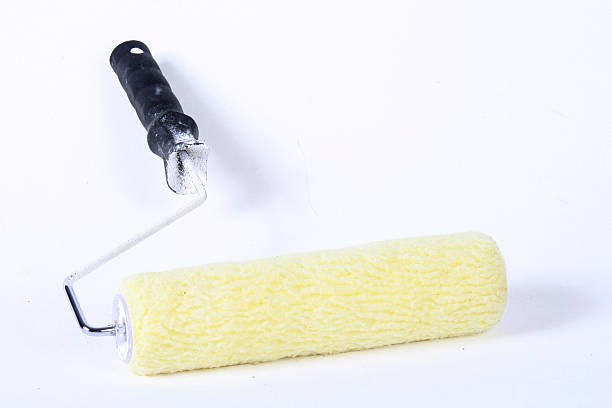
This part gets ignored more than it should. The type of roller covers you’re using plays right into how the nap performs. Cheap ones flatten out, don’t release coating evenly, and sometimes leave lint behind. You might not notice it right away, but once the coating sets, it’s there. Better covers hold their shape, distribute material smoother, and just make the whole process easier. It’s one of those upgrades that actually pays off immediately, not later.
Conclusion
At the end of the day, roller nap selection isn’t complicated, but it does require a little attention. You match the nap to the surface, adjust for the coating, and don’t cheap out on your tools. That’s really it. But skip any of those steps and you’ll feel it pretty quick, usually when it’s too late to fix easily. The goal isn’t perfection, it’s consistency. Get that right, and your finishes start looking a whole lot better without extra effort. And yeah, once you dial it in, you won’t even think about it anymore—it just becomes part of how you work.