Your air conditioning system depends on more than just the cooling unit itself. The ductwork plays an important role in delivering cool air throughout your home or commercial property. When ducts become damaged, leaking, or blocked, your AC system may struggle to maintain comfortable temperatures.
Professional AC duct repairs can help restore proper airflow, improve cooling efficiency, and reduce unnecessary energy costs. Damaged ducts can cause problems such as uneven cooling, weak airflow, higher electricity bills, and poor indoor air quality.
Many property owners focus only on maintaining their air conditioner but overlook the condition of their duct system. However, even a high-quality AC unit cannot perform efficiently if the ductwork is damaged.
Repairing AC ducts addresses these hidden issues by sealing leaks, fixing damaged sections, improving insulation, and ensuring cooled air reaches the intended areas.
Why AC Duct Repairs Are Important
Air ducts are responsible for transporting cooled air from your AC system to different rooms. When the ductwork has problems, your air conditioner has to work harder to achieve the desired temperature.
Professional AC duct repairs can provide several benefits.
Improve Cooling Efficiency
Leaking or damaged ducts allow cooled air to escape before it reaches your rooms.
This causes:
- Reduced cooling performance
- Longer AC operating times
- Increased energy consumption
- Higher utility costs
Repairing duct issues helps your AC system deliver cool air more effectively.
Improve Indoor Comfort
One of the most common signs of duct problems is uneven cooling.
You may notice:
- Some rooms feeling warmer than others
- Weak airflow from vents
- Difficulty maintaining temperature
Properly repaired ducts help distribute cool air more evenly throughout your property.
Reduce Energy Costs
When ducts leak, your AC system must work harder to compensate for lost air.
This extra workload increases energy usage.
AC duct repairs can help reduce wasted energy by improving airflow efficiency.
Improve Indoor Air Quality
Damaged ducts can allow dust, dirt, and contaminants to enter your air circulation system.
Repairing ductwork helps create a cleaner airflow path and supports healthier indoor air quality.
Common Signs You Need AC Duct Repairs
Identifying duct problems early can help prevent larger issues and expensive repairs.
Weak Airflow From Vents
If some vents produce less air than expected, there may be a problem with your duct system.
Possible causes include:
- Air leaks
- Blocked ducts
- Damaged sections
- Poor connections
A professional inspection can identify the cause and recommend the right repair solution.
Uneven Cooling Throughout Your Property
Uneven temperatures are often a sign that cool air is not reaching certain areas properly.
You may notice:
- One room staying warmer
- Different temperatures between floors
- Poor cooling despite AC operation
Damaged ductwork can prevent balanced airflow distribution.
Higher Energy Bills
Unexpected increases in cooling costs may indicate that your AC system is losing efficiency.
Leaking ducts force your air conditioner to operate longer, increasing energy consumption.
If your electricity bills rise without changes in usage, duct inspection may be necessary.
Strange Sounds From Ducts
Unusual sounds from your duct system may indicate damage.
Common noises include:
- Whistling
- Rattling
- Hissing
- Air leakage sounds
These sounds may occur due to loose connections, cracks, or damaged duct materials.
Excessive Dust Around Your Home
If your home becomes dusty shortly after cleaning, damaged ductwork may be contributing to the problem.
Leaks can allow dust and debris into the airflow system.
Visible Duct Damage
Physical signs of damage should not be ignored.
Look for:
- Cracks
- Loose joints
- Damaged insulation
- Gaps around connections
- Collapsed duct sections
Small issues can become larger problems if left untreated.
Common AC Duct Problems Requiring Repairs
Different issues can affect duct performance.
Air Leaks
Air leaks are among the most common duct problems.
They occur when cooled air escapes through:
- Cracks
- Gaps
- Loose connections
- Damaged seals
Sealing leaks helps improve system efficiency.
Damaged Insulation
Duct insulation helps maintain air temperature as it travels through the system.
Damaged insulation can cause:
- Cooling losses
- Condensation problems
- Reduced efficiency
Repairing or replacing insulation improves duct performance.
Poor Duct Connections
Loose connections between duct sections can reduce airflow efficiency.
Professional repairs can secure connections and prevent air loss.
Blocked or Restricted Ducts
Dust buildup, debris, or damaged sections can restrict airflow.
Blocked ducts may cause:
- Reduced cooling
- Increased AC workload
- Poor room temperature control
Cleaning and repairing affected areas can restore airflow.
Damaged Flexible Ducts
Flexible ducts can become damaged due to:
- Age
- Improper installation
- Physical pressure
- Wear and tear
Damaged flexible ducts may require sealing or replacement.
Benefits of Professional AC Duct Repairs
Hiring a professional duct repair service provides several advantages compared with temporary DIY fixes.
Accurate Problem Detection
Professional technicians use experience and inspection methods to identify hidden duct problems.
They can locate:
- Leak areas
- Damaged sections
- Insulation issues
- Airflow restrictions
Accurate diagnosis helps avoid unnecessary repairs.
Better Long-Term Results
Temporary solutions may not address the actual cause of duct problems.
Professional repairs focus on creating lasting improvements.
This may include:
- Proper sealing
- Structural repairs
- Insulation improvements
- Airflow adjustments
Protects Your AC System
Damaged ducts can place additional strain on your air conditioner.
Repairing duct problems helps reduce unnecessary stress on:
- Compressors
- Fans
- Cooling components
This may help extend the lifespan of your AC system.
Creates a More Comfortable Environment
A properly functioning duct system improves:
- Temperature consistency
- Air distribution
- Cooling performance
This creates a more comfortable indoor environment.
AC Duct Repair Process
Professional AC duct repairs usually follow a structured process.
Initial Inspection
The first step is identifying the condition of your duct system.
A technician checks:
- Airflow performance
- Visible damage
- Leakage points
- Insulation condition
- Connection quality
This helps determine the required repairs.
Duct Testing
Some professionals perform airflow or leakage tests to identify hidden issues.
Testing helps locate:
- Air loss areas
- Pressure problems
- Performance issues
Repair Planning
Based on inspection results, technicians recommend suitable repairs.
The solution depends on:
- Type of damage
- Duct material
- System design
- Property requirements
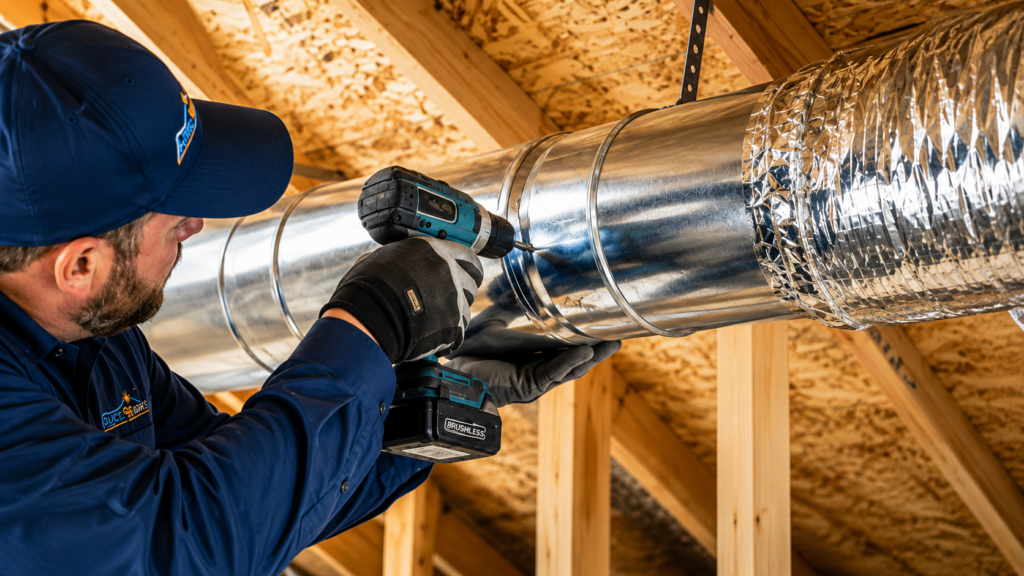
Repair Work
Common repair methods include:
- Sealing leaks
- Repairing damaged sections
- Reconnecting loose ducts
- Replacing insulation
- Improving duct support
Final System Check
After repairs, technicians test the AC system to confirm:
- Improved airflow
- Proper cooling performance
- Reduced air loss
AC Duct Repairs vs AC Duct Replacement
Not every duct problem requires complete replacement. In many cases, repairs can restore performance.
When Repairs Are Suitable
AC duct repairs may be enough for:
- Small leaks
- Loose connections
- Minor damage
- Limited insulation issues
When Replacement May Be Better
Duct replacement may be recommended when:
- Ducts are extremely old
- Damage is widespread
- Repairs are frequent
- The system design is outdated
A professional inspection can help determine the most practical option.
How Much Do AC Duct Repairs Cost?
The cost of AC duct repairs depends on several factors.
Common factors include:
- Extent of damage
- Number of damaged areas
- Duct accessibility
- Repair materials
- Labour requirements
Minor repairs such as sealing small leaks usually cost less than extensive duct restoration.
Factors that can influence pricing include:
Size of the Property
Larger buildings often require more inspection and repair work.
Type of Duct System
Different duct materials require different repair methods.
Location of Damage
Ducts located in difficult-to-access areas may require additional labour.
Level of Repair Required
Simple sealing and connection repairs are generally less complex than major structural repairs.
Getting a professional assessment provides the most accurate cost estimate.
How to Prevent AC Duct Problems
Regular maintenance helps extend duct lifespan and improve performance.
Schedule Regular Inspections
Routine checks can identify small problems before they become major issues.
Replace Air Filters Regularly
Dirty filters can restrict airflow and increase pressure on your AC system.
Keep Vents Clear
Avoid blocking vents with furniture or objects.
Maintain Your AC System
Regular AC maintenance helps protect connected components, including ductwork.
Monitor Cooling Performance
Pay attention to:
- Weak airflow
- Unusual noises
- Uneven temperatures
- Rising energy costs
Early detection can reduce repair requirements.
Choosing the Right AC Duct Repair Professional
Selecting an experienced technician is important for effective repairs.
Check Experience
Look for professionals experienced in:
- HVAC systems
- Duct inspection
- Airflow testing
- Duct sealing
- Repair solutions
Review Customer Feedback
Reviews can provide insight into:
- Service quality
- Reliability
- Professionalism
- Repair results
Ask About Repair Methods
A trustworthy professional should explain:
- The cause of the problem
- Recommended repairs
- Expected results
- Maintenance advice
Clear communication helps you make informed decisions.
Frequently Asked Questions About AC Duct Repairs
What are the signs that I need AC duct repairs?
Common signs include weak airflow, uneven cooling, higher energy bills, unusual duct noises, excessive dust, and visible duct damage.
Can leaking ducts affect AC performance?
Yes. Leaking ducts allow cooled air to escape, making your AC system work harder and reducing cooling efficiency.
How long do AC duct repairs take?
The repair time depends on the extent of damage, duct accessibility, and the type of repairs required.
Are AC duct repairs better than replacement?
For minor or moderate damage, repairs may restore performance. Severely damaged or outdated duct systems may require replacement.
Can AC duct repairs reduce energy costs?
Yes. Sealing leaks and improving airflow can help your AC system operate more efficiently, potentially reducing energy waste.
How often should ducts be inspected?
Duct inspections are recommended as part of regular HVAC maintenance, especially if you notice cooling issues or rising energy costs.
Can damaged ducts affect indoor air quality?
Yes. Cracked or leaking ducts can allow dust and contaminants to enter the airflow system.
Should I repair ducts myself?
Minor visible issues may seem simple, but professional inspection is recommended because many duct problems are hidden and require specialised solutions.
Final Thoughts
Professional AC duct repairs are an important part of maintaining an efficient and reliable cooling system. Damaged or leaking ducts can reduce comfort, increase energy costs, and place unnecessary strain on your air conditioner.
By repairing duct problems early, you can improve airflow, enhance cooling performance, and create a more comfortable indoor environment.
If your AC system is running but your home is not cooling properly, the issue may not be the air conditioner itself. Inspecting and repairing your ductwork could be the solution to restoring efficient cooling.