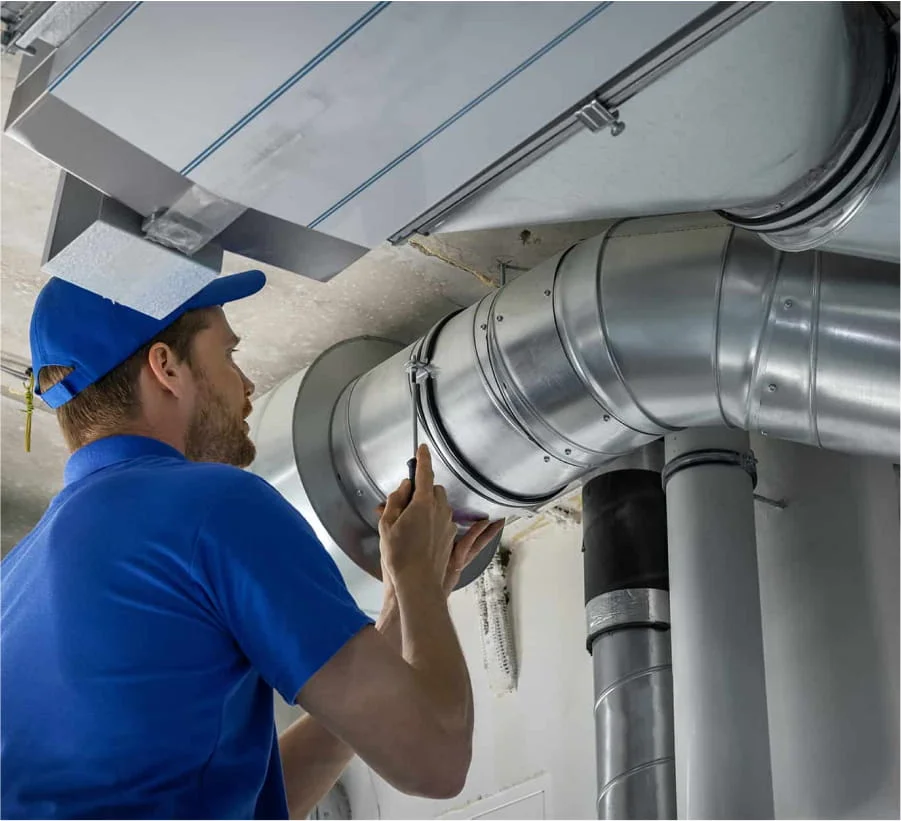
A properly functioning air conditioning system is essential for maintaining a comfortable indoor environment, especially during hot weather. However, even a reliable air conditioning unit can experience performance problems when its vents become damaged, blocked or incorrectly positioned. Professional AC vents repairs help restore proper airflow, improve cooling performance and ensure conditioned air reaches different areas of your property.
Air conditioning vents play an important role in distributing cooled or heated air throughout residential and commercial buildings. When vents are not working correctly, certain rooms may become warmer than others, airflow may decrease and the air conditioning system may struggle to maintain the desired temperature.
Problems can develop because of dust accumulation, damaged duct connections, faulty dampers, broken grilles or incorrectly installed ventilation components. Although some issues appear minor, ignoring them can affect overall system performance and contribute to unnecessary energy consumption.
Whether you have a residential split system, ducted air conditioning or a commercial HVAC installation, understanding common vent problems can help you identify when professional repairs are necessary.
This guide explains common AC vent problems, available repair services, warning signs, repair costs and practical maintenance tips to help keep your air conditioning ventilation system operating efficiently.
What Are AC Vents and Why Are They Important?
AC vents are the openings through which conditioned air enters or leaves different areas of a building. They connect with the air conditioning system’s ductwork and help distribute air throughout the property.
Depending on the system design, vents may function as supply outlets or return air grilles.
Supply vents distribute cooled or heated air into rooms. They are commonly installed in ceilings, walls or floors.
Return air vents allow indoor air to travel back towards the air conditioning unit, where it can be filtered and conditioned again.
Both types are important for maintaining balanced airflow.
When vents become damaged or blocked, the air conditioning system may not distribute air as intended.
Properly functioning AC vents help with:
- Consistent indoor temperatures.
- Effective air distribution.
- Comfortable living and working environments.
- Appropriate system airflow.
- Reduced unnecessary cooling demand.
- Better overall HVAC performance.
Regular inspections and timely repairs help maintain these functions.
Common Signs Your AC Vents Need Repairs
Air conditioning vent problems can affect the entire cooling system or create discomfort in individual rooms.
Recognising the warning signs early can help prevent more extensive problems.
1. Weak Airflow from AC Vents
Weak airflow is one of the most noticeable signs that an AC vent or connected ductwork may require attention.
If your air conditioning system is running but only a small amount of air is coming through the vents, there may be an obstruction or mechanical issue.
Common causes include:
- Dust and debris accumulation.
- Blocked air filters.
- Restricted ductwork.
- Damaged duct connections.
- Incorrectly positioned dampers.
- Faulty air conditioning components.
A professional inspection can help determine whether the problem is related to the vent itself or another part of the HVAC system.
2. Uneven Cooling Between Rooms
If one room feels comfortable while another remains warm, your air conditioning system may have an airflow distribution problem.
This can happen when individual vents are blocked, dampers are incorrectly adjusted or ductwork has leaks.
Other possible causes include poor insulation, incorrect system sizing and insufficient cooling capacity.
An inspection can help identify whether vent repairs or broader HVAC adjustments are necessary.
3. Unusual Noises Coming from Vents
Rattling, whistling, buzzing and vibrating sounds may indicate problems with ventilation components.
Possible causes include:
- Loose vent covers.
- Damaged grilles.
- Loose duct connections.
- Restricted airflow.
- Poorly fitted dampers.
- Excessive air pressure.
Unusual sounds should be investigated, particularly when they become louder or occur alongside reduced cooling performance.
4. Dust Accumulation Around AC Vents
Visible dust around AC vents may indicate that the vent requires cleaning or that there are issues elsewhere in the air distribution system.
Dust can accumulate because of dirty filters, household particles, poor sealing or inadequate maintenance.
Cleaning accessible vent surfaces and replacing filters according to manufacturer recommendations can help reduce accumulation.
However, persistent dust problems may require a more detailed inspection.
5. Damaged or Loose Vent Covers
Cracked, bent or loose vent grilles can affect airflow direction and create unwanted noise.
Damaged covers may also make the air conditioning installation look untidy.
Replacing faulty vent covers is often a straightforward way to restore their appearance and functionality.
6. Air Conditioning Runs but Rooms Remain Warm
If your air conditioning system operates continuously without achieving the desired indoor temperature, ventilation problems may be contributing.
Blocked vents, disconnected ducts and restricted return airflow can interfere with the distribution of conditioned air.
However, the cause could also involve refrigerant problems, compressor faults or other mechanical issues.
A complete system assessment is recommended rather than assuming the vents are responsible.
Different Types of AC Vents Repairs
Air conditioning systems use different vent designs depending on their installation and application.
Professional repair services can address several types of ventilation problems.
1. Ceiling AC Vent Repairs
Ceiling vents are commonly used in ducted air conditioning systems to distribute conditioned air throughout residential and commercial properties.
Over time, ceiling grilles may become loose, damaged or obstructed by dust.
Ceiling AC vent repairs may include:
- Replacing broken vent grilles.
- Securing loose fittings.
- Cleaning accessible vent components.
- Adjusting airflow dampers.
- Repairing damaged connections.
- Replacing unsuitable diffusers.
Proper installation is important for distributing air effectively and maintaining an attractive ceiling finish.
2. Wall AC Vent Repairs
Wall vents are installed in different air conditioning and ventilation configurations.
They may require attention when covers become damaged, connections loosen or airflow becomes restricted.
Wall AC vent repair may involve replacing grilles, inspecting duct connections and correcting airflow restrictions.
3. Floor AC Vent Repairs
Floor vents are used in certain ducted heating and cooling systems.
Because they are installed close to everyday activities, they may collect dust, dirt and other debris more frequently.
Common repair requirements include:
- Replacing damaged floor registers.
- Securing loose vent fittings.
- Clearing accessible obstructions.
- Repairing damaged duct connections.
- Replacing broken airflow controls.
Floor vents should also be checked for obstructions caused by furniture, rugs and other household items.
4. Ducted AC Vent Repairs
Ducted air conditioning systems distribute conditioned air through a network of ducts connected to multiple outlets.
Problems with individual vents or duct connections can affect airflow throughout the property.
Repair services may include:
- Fixing disconnected duct sections.
- Replacing damaged grilles.
- Repairing leaking duct connections.
- Adjusting airflow dampers.
- Inspecting restricted ductwork.
- Replacing damaged vent components.
A professional assessment helps determine whether the problem is isolated to one outlet or affects the wider system.
5. Return Air Vent Repairs
Return air vents allow indoor air to flow back towards the air conditioning unit.
If these vents become blocked or damaged, the system may experience restricted airflow.
Return air vent repair may involve cleaning the grille, correcting obstructions, repairing damaged fittings and checking the associated return air pathway.
Return grilles should not be covered by furniture or other objects.
6. Commercial AC Vent Repairs
Commercial properties often use larger air conditioning systems with multiple vents and complex ductwork.
Offices, restaurants, retail stores and warehouses may experience ventilation problems that affect several areas simultaneously.
Commercial AC vent repair services may include:
- Inspecting ceiling diffusers.
- Replacing damaged grilles.
- Repairing duct connections.
- Adjusting dampers.
- Investigating airflow imbalances.
- Inspecting return air systems.
- Testing air distribution.
Commercial systems may require specialist technicians familiar with larger HVAC installations.
What Causes AC Vents to Stop Working Properly?
Understanding the causes of ventilation problems can help identify suitable repair solutions.
Dust and Debris Accumulation
Dust, dirt and airborne particles can collect around vent grilles and inside accessible duct sections.
Heavy accumulation may restrict airflow and affect system performance.
Damaged Ductwork
Ducts can become disconnected, crushed, torn or poorly sealed.
These problems may cause conditioned air to escape before reaching the intended room.
Incorrectly Adjusted Dampers
Dampers regulate airflow through certain ducted systems.
If they are incorrectly positioned or damaged, air distribution may become uneven.
Faulty Vent Installation
Incorrectly installed vents may restrict airflow or create unwanted noise.
Poor positioning, unsuitable grille sizes and inadequate duct connections can all affect performance.
Blocked Air Filters
Although air filters are separate from AC vents, dirty filters can restrict airflow throughout the system.
Replacing or cleaning filters according to the manufacturer’s instructions is an important maintenance task.
Mechanical System Problems
Sometimes a vent appears to be faulty when the underlying problem involves the blower fan, evaporator coil or another air conditioning component.
Professional diagnosis helps avoid unnecessary vent replacement.
AC Vents Repair vs Replacement: Which Is Better?
Not every damaged AC vent requires complete replacement.
The right decision depends on the condition of the existing component and the cost of restoring its functionality.
| Factor | AC vent repair | AC vent replacement |
| Cost | Often lower for minor problems | May involve higher initial costs |
| Existing condition | Suitable for repairable damage | Better for severely damaged vents |
| Installation | Usually limited work | May require additional fitting |
| Appearance | Retains existing vent design | Allows an updated appearance |
| Best application | Loose fittings and minor faults | Broken, unsuitable or severely damaged components |
When Should You Repair an AC Vent?
Repair may be suitable when the vent is structurally sound and the problem involves a loose fitting, minor damage or an airflow adjustment.
Examples include securing a grille, correcting a minor connection issue and replacing a small internal component.
When Should You Replace an AC Vent?
Replacement may be more practical when the grille is cracked, heavily corroded, incorrectly sized or no longer compatible with the system.
If multiple components are damaged, a professional can help determine whether replacement offers better long-term value.
How Much Do AC Vents Repairs Cost?
The cost of AC vent repairs depends on the type of vent, the extent of the damage, accessibility and the replacement parts required.
Replacing a simple vent grille is generally less complicated than repairing concealed ductwork or correcting an airflow problem across multiple rooms.
Several factors influence the total repair cost.
1. Type of AC Vent
Ceiling, wall, floor and return air vents have different designs and installation requirements.
Specialised vents may require additional parts or technical work.
2. Extent of Damage
Minor issues such as loose grilles or small fitting problems may require relatively straightforward repairs.
Damaged ductwork, broken dampers and more extensive ventilation problems can increase the cost.
3. Accessibility
Vents connected to concealed ductwork or located in difficult-to-access ceiling spaces may require additional labour.
4. Replacement Components
The cost of grilles, diffusers, dampers, duct sections and other components varies according to their design and specifications.
5. Labour and Inspection
Some problems require detailed airflow testing and inspection of connected HVAC equipment.
This can increase the time needed to complete the repair.
Cost-saving tip: Request a detailed quotation explaining the fault, repair recommendations, replacement components and labour charges. This makes it easier to compare repair and replacement options.
How to Choose the Right AC Vent Repair Professional
Choosing an experienced repair professional helps ensure that ventilation problems are correctly identified and resolved.
Consider the following factors before selecting a service provider.
1. Check Relevant Experience
Look for technicians experienced in repairing the specific air conditioning system installed at your property.
Ducted air conditioning, commercial HVAC systems and individual split-system components require different expertise.
2. Review Available Services
Choose a professional who can inspect the relevant ventilation components and identify the underlying problem.
Depending on your requirements, services may include vent replacement, duct repairs, damper adjustments and airflow testing.
3. Check Qualifications and Licensing
Electrical work involving air conditioning equipment should be performed by appropriately licensed professionals.
For specialised HVAC repairs, check the technician’s relevant training and experience.
4. Request a Detailed Quotation
A clear quotation should explain the repair requirements, replacement parts, labour and additional charges.
Avoid choosing a contractor based only on the lowest advertised price.
5. Check Customer Reviews
Customer feedback can provide useful information about reliability, communication and workmanship.
Look for reviews from customers who required similar air conditioning repairs.
6. Ask About Replacement Parts
Ensure that replacement grilles, diffusers and other components are compatible with your existing system.
Correctly matched parts help maintain suitable airflow and installation quality.
How to Maintain AC Vents and Prevent Future Problems
Regular maintenance can help reduce the likelihood of recurring ventilation problems.
The following practices can help maintain your AC vents.
Clean accessible vent grilles: Remove surface dust and dirt using suitable cleaning methods recommended by the manufacturer.
Replace air filters regularly: Follow the manufacturer’s filter cleaning and replacement schedule.
Keep vents unobstructed: Avoid placing furniture, curtains and other objects directly in front of supply and return air outlets.
Check for unusual noises: Rattling, buzzing and whistling may indicate loose components or airflow restrictions.
Inspect visible damage: Look for cracked grilles, loose fittings and other visible problems.
Arrange professional inspections: Have the wider air conditioning system checked according to its maintenance requirements.
Address airflow problems early: Uneven cooling and reduced airflow should be investigated before they affect additional areas.
Avoid attempting electrical repairs or accessing concealed mechanical components without appropriate qualifications.
Common Mistakes to Avoid When Dealing with AC Vent Problems
Ignoring Reduced Airflow
Weak airflow may indicate an obstruction or another system fault. Delaying inspection can allow the problem to continue.
Covering Return Air Vents
Blocking return air grilles can interfere with system airflow and affect performance.
Replacing Vents Without Checking Ductwork
A damaged duct connection may be responsible for poor airflow. Installing a new grille will not resolve the underlying issue.
Choosing Incorrect Vent Sizes
Vent dimensions and airflow requirements should match the existing system design.
Neglecting Filter Maintenance
Dirty air filters can restrict airflow even when the vents themselves are in good condition.
Frequently Asked Questions About AC Vents Repairs
1. What Are AC Vents Repairs?
AC vents repairs involve fixing damaged or malfunctioning air conditioning outlets and associated components. Work may include replacing grilles, repairing duct connections, adjusting dampers and correcting airflow restrictions.
2. How Do I Know If My AC Vents Need Repair?
Common signs include weak airflow, uneven room temperatures, unusual noises, visible damage, excessive dust around grilles and air conditioning that struggles to cool certain rooms.
3. How Much Do AC Vents Repairs Cost?
Costs depend on the vent type, damage, accessibility, replacement parts and labour requirements. A professional inspection is the best way to obtain an accurate quotation.
4. Can Damaged AC Vents Affect Cooling Performance?
Yes. Damaged, blocked or incorrectly installed vents can interfere with air distribution and make it difficult for certain rooms to receive the intended airflow.
5. Why Is There Weak Airflow Coming from My AC Vents?
Possible causes include dirty air filters, blocked vents, damaged ductwork, faulty dampers and mechanical problems with the air conditioning system.
6. Can I Replace an AC Vent Myself?
Replacing a simple, accessible grille may be possible if the replacement is compatible and installation does not involve electrical or concealed mechanical work. More complex repairs should be handled by an experienced professional.
7. Should I Repair or Replace a Broken AC Vent?
Minor damage and loose fittings can often be repaired. Severely cracked, corroded or unsuitable vents may be better replaced.
8. How Often Should AC Vents Be Cleaned?
Cleaning frequency depends on household conditions, system usage and dust levels. Accessible vent grilles should be inspected regularly and cleaned when necessary. Air filters should be maintained according to manufacturer recommendations.
9. Can Blocked AC Vents Increase Energy Consumption?
Blocked vents and restricted airflow can interfere with system operation. Depending on the equipment and control settings, this may contribute to increased energy consumption or reduced comfort.
10. Why Does My AC Vent Make a Whistling Noise?
Whistling may result from restricted airflow, excessive air pressure, incorrectly sized grilles or poorly adjusted dampers. A technician can inspect the system to identify the cause.
11. Do AC Vents Repairs Include Ductwork Repairs?
Some repair providers offer both services. Ductwork repairs may involve fixing disconnected sections, sealing damaged connections and replacing compromised duct materials.
12. How Long Does AC Vent Repair Take?
Simple repairs, such as replacing a grille or securing a loose fitting, may take relatively little time. More extensive repairs involving ductwork or concealed components may take longer depending on accessibility and the extent of the damage.
13. Can Faulty AC Vents Cause Uneven Room Temperatures?
Yes. Blocked outlets, damaged ducts and incorrectly adjusted dampers can create uneven airflow, resulting in different temperatures across rooms.
14. When Should I Call a Professional for AC Vent Repairs?
Contact a professional when airflow remains weak, vents produce unusual noises, visible components are damaged or certain rooms are not receiving adequate cooling. Electrical and concealed ductwork problems should also be professionally assessed.
Final Thoughts
Air conditioning vents play an important role in distributing conditioned air and maintaining comfortable indoor environments.
Professional AC vents repairs help address common problems such as blocked outlets, damaged grilles, loose fittings, restricted airflow and faulty duct connections.
Whether you have a residential ducted system or a larger commercial HVAC installation, identifying the underlying problem is essential for achieving reliable results.
Before arranging repairs, check accessible vents for visible damage, maintain your air filters and pay attention to changes in airflow or system performance.
Choosing an experienced professional, using compatible replacement components and following regular maintenance recommendations can help keep your ventilation system operating effectively.
With timely repairs and proper care, your AC vents can continue distributing conditioned air throughout your property and supporting a more comfortable indoor environment.