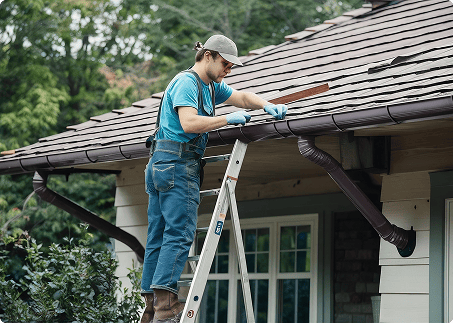
A roof does much more than cover a house. It helps protect the structure from rain, wind, sunlight, and changing weather. When roofing materials become damaged or worn, homeowners need to decide whether a repair is enough or whether replacing the roof is a better long term choice.
This decision can become more challenging when damage happens unexpectedly. A storm can remove shingles, damage flashing, or create openings that allow water into the home. Knowing how to recognize roof problems, understand replacement costs, and respond to emergencies can help homeowners make informed decisions.
Whether you are planning an affordable roof replacement or need an emergency roof repair company after sudden damage, understanding the basics can help you protect your home and avoid unnecessary expenses.
Understanding the Importance of Your Roof
Your roof is constantly exposed to weather. Rain, strong winds, sunlight, hail, and temperature changes can gradually affect roofing materials. Even a well maintained roof will eventually require repairs or replacement.
Some roofing problems develop slowly and may not be immediately noticeable. A small damaged area can allow moisture to enter beneath the visible roofing materials. Over time, that moisture may affect the roof deck, insulation, ceilings, walls, or other parts of the home.
This is why early attention matters. Finding and addressing roofing problems before they become extensive can help homeowners avoid more complicated repairs.
When Should You Consider Roof Replacement?
Roof replacement may be appropriate when a roofing system has widespread deterioration, extensive damage, or has reached the later part of its expected service life.
The age of the roof is one factor, but it should not be the only consideration. Weather exposure, roofing material, installation quality, maintenance, ventilation, and previous repairs can all affect the condition of a roof.
A professional inspection can provide a clearer picture of whether the existing roof can continue to provide reliable protection.
Signs That May Indicate Replacement
Homeowners should watch for several warning signs that could indicate a larger roofing problem:
- Numerous missing, cracked, curled, or damaged shingles
- Repeated leaks or water stains on ceilings and walls
- Sagging areas across the roof
- Large amounts of granules collecting in gutters
- Widespread deterioration across the roofing surface
- Frequent repairs that provide only temporary results
These signs do not automatically mean the entire roof needs to be replaced. A qualified roofing professional can evaluate the condition and determine whether repair or replacement is more appropriate.
What Makes a Roof Replacement Affordable?
An affordable roof replacement should offer good overall value rather than simply the lowest initial price. A low estimate may not always represent the best financial choice if important work is excluded or unsuitable materials are used.
Homeowners should consider the quality of materials, installation, expected service life, maintenance requirements, and total project scope.
A detailed estimate can make the process easier to understand. It should explain the proposed materials, labor, removal of existing roofing, preparation, and cleanup.
Factors That Affect Roof Replacement Costs
Roof replacement costs can vary considerably between homes. The size and design of the roof are important factors, but they are not the only ones.
Material selection, labor requirements, roof accessibility, removal of old roofing, and the condition of the underlying roof deck can all influence the final cost.
If damaged wood or other structural concerns are discovered during the project, additional work may be required. This is why an inspection before replacement can be valuable.
When a Roof Repair May Be Enough
Not every roofing problem requires a complete replacement. A relatively new roof with isolated damage may be suitable for repair.
For example, a small number of damaged shingles, a localized leak, or a flashing issue may be addressed without replacing the entire roofing system.
Timely repairs can also help reduce the risk of moisture spreading beneath the roof. Ignoring a small problem may allow it to become more extensive over time.
The key consideration is whether the damage is isolated or whether it reflects a broader problem with the roofing system.
Understanding Emergency Roof Damage
Some roofing problems require immediate attention. Severe storms can cause significant damage within minutes, especially when strong winds, hail, heavy rain, or falling branches are involved.
When roofing materials are removed or damaged, water may enter the home. Continued exposure can affect ceilings, walls, insulation, flooring, and personal belongings.
If the damage creates an immediate risk to the property, contacting an emergency roof repair company can help reduce additional exposure and protect the home while permanent repairs are planned.
When to Seek Emergency Roof Repair
Emergency roofing service is generally appropriate when a sudden problem creates an immediate threat to the property.
Situations that may require prompt professional attention include:
- Significant water entering the home through the roof
- Large sections of roofing materials removed during severe weather
- A tree or large branch falling onto the roof
- Storm damage that leaves portions of the roof exposed
- Visible structural damage or serious roof sagging
Homeowners should not climb onto a damaged roof to investigate the situation. Wet surfaces can be slippery, and damaged areas may be unstable.
Instead, observe the damage from a safe location and contact a qualified roofing professional. If water is entering the home, move belongings away from the affected area only when it can be done safely.
What an Emergency Roof Repair Company Can Do
Emergency roof service usually focuses on limiting further damage. A professional can inspect the affected area, identify possible water entry points, and determine what immediate protection is needed.
Depending on the circumstances, temporary protection may be placed over exposed areas until permanent repairs can be completed.
Emergency service does not automatically mean the entire roof must be replaced. After evaluating the damage, a professional may recommend temporary protection, targeted repair, partial replacement, or full replacement.
The appropriate solution depends on the condition of the roofing system and the extent of the damage.
Repair or Replacement: How to Decide
The choice between repair and replacement should be based on the overall condition of the roof.
A newer roof with limited damage may be a good candidate for repair. An older roof with widespread wear, recurring leaks, and multiple damaged areas may make replacement a more practical investment.
Previous repair history is also important. If homeowners are repeatedly repairing different sections of an aging roof, replacing the roofing system may provide more dependable long term protection.
Why a Professional Inspection Matters
Roof damage is not always visible from the ground. Water can travel beneath roofing materials before appearing as a stain inside the home. As a result, the visible location of a leak may not be the actual source.
A professional inspection can examine shingles, flashing, vents, roof edges, penetrations, and other areas that may be vulnerable to damage.
This assessment helps homeowners understand the source and extent of the problem before deciding how much work is necessary.
How to Choose a Roofing Contractor
Choosing a roofing contractor is an important part of protecting your investment. Homeowners should look for a contractor who communicates clearly and explains the recommended work.
A detailed estimate should describe the materials, labor, preparation, removal of existing roofing, and cleanup. It is also useful to ask about the project schedule, workmanship coverage, material warranties, and how unexpected damage will be handled.
Avoid choosing a contractor based only on the lowest price. Quality materials and proper installation can affect the long term performance of the roofing system.
Preparing for Roof Replacement
Roof replacement can temporarily affect daily activities around the property. Roofing work may create noise, vibration, and construction debris.
Before the project begins, discuss access, scheduling, material delivery, removal of old roofing, and cleanup with your contractor.
Outdoor furniture and decorations may need to be moved away from the work area. Vehicles may also need to be relocated to provide workers with safe access.
Good preparation can make the project more organized and help reduce unnecessary disruption.
Maintaining Your Roof After Replacement
A new roof still requires regular attention. Homeowners should monitor the roof after severe weather and address visible concerns promptly.
Keeping gutters clear can help water drain properly. Nearby trees should also be maintained to reduce the possibility of branches damaging roofing materials.
If you notice missing shingles, water stains, damaged flashing, or other concerns, arrange a professional inspection. Early attention may help prevent a manageable issue from becoming a larger repair.
Making a Smart Roofing Decision
Roofing problems do not always require the same solution. A small, isolated issue may only need repair, while an aging roof with widespread damage may benefit from replacement.
When considering an affordable roof replacement, focus on the overall value of the project, including materials, workmanship, expected service life, and the scope of work. If sudden storm damage exposes the property or allows significant water intrusion, an emergency roof repair company can help reduce further damage and determine the appropriate next step.
For homeowners seeking professional roofing assistance, Blue Rock Roofing & Construction can assess roofing concerns and explain practical repair or replacement options. A professional evaluation can help you understand your roof’s condition and choose a suitable solution for your home.