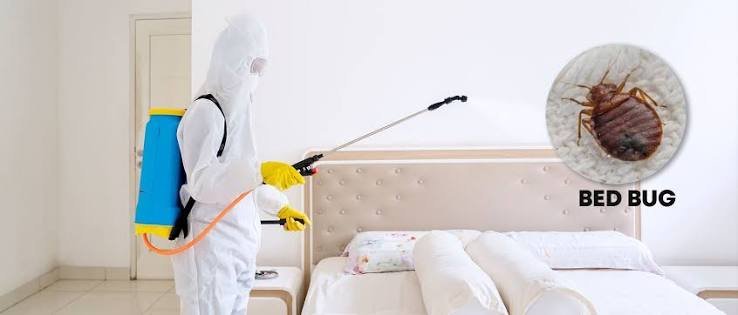
Bed bugs are among the most frustrating household pests because they can hide in small spaces, spread between rooms, and survive for extended periods without feeding. These tiny insects commonly infest mattresses, bed frames, furniture, carpets, and other areas where people sleep or rest. Their bites can cause itching, skin irritation, and discomfort, making it difficult to enjoy a peaceful night’s sleep. Professional bed bug control Sydney services can help identify infestations, eliminate active bed bug populations, and reduce the risk of recurring problems.
Bed bug infestations can affect homes, apartments, hotels, hostels, rental properties, and commercial accommodation facilities. They are not necessarily associated with poor hygiene, as bed bugs can enter even clean properties through luggage, clothing, second-hand furniture, and other personal belongings.
Because bed bugs are excellent at hiding and can reproduce quickly, treating an infestation often requires more than washing bedding or using ordinary household insect sprays.
This comprehensive guide explains everything you need to know about bed bug control in Sydney, including identification, infestation warning signs, common hiding places, professional treatment methods, prevention strategies, costs, and frequently asked questions.
What Is Bed Bug Control?
Bed bug control involves identifying, treating, and preventing infestations caused by bed bugs in residential and commercial properties.
Bed bugs are small, reddish-brown insects that feed on human and animal blood. They are primarily active at night and usually hide in protected locations close to sleeping areas.
Adult bed bugs are approximately 4 to 7 millimetres long, have flattened oval-shaped bodies, and are visible to the naked eye.
Professional bed bug management generally involves:
- Inspecting mattresses and bed frames.
- Identifying bed bug activity and hiding places.
- Checking furniture, carpets, and nearby structures.
- Applying suitable professional treatments.
- Treating identified cracks and crevices.
- Monitoring infestation activity.
- Providing recommendations to prevent reinfestation.
The appropriate treatment depends on the infestation’s severity, property layout, and the products and methods suitable for the affected environment.
Why Is Professional Bed Bug Control Important?
Bed bugs are difficult to eliminate because they hide in small spaces and can spread through personal belongings and furniture.
Professional pest management offers several advantages.
Eliminates Hidden Bed Bug Populations
Bed bugs hide in mattress seams, furniture joints, headboards, skirting boards, and other narrow spaces.
Treating only visible insects may leave eggs and hidden populations behind.
Professional inspections help identify potential harbourage areas and determine which locations require treatment.
Helps Prevent Infestation Growth
Female bed bugs can lay multiple eggs during their lifetime.
Under favourable conditions, an untreated infestation can gradually increase and spread to additional rooms.
Early identification and appropriate treatment help reduce the likelihood of a larger infestation.
Improves Sleeping Comfort
Bed bug bites can cause itching, redness, and irritation.
Some individuals may experience more significant allergic reactions or skin inflammation.
Eliminating an infestation helps restore a more comfortable sleeping environment.
Reduces the Risk of Spreading Bed Bugs
Bed bugs can move between rooms and properties through luggage, clothing, furniture, and other belongings.
Professional treatment combined with proper preparation and prevention measures helps reduce the risk of spreading insects to other areas.
Provides a Structured Treatment Approach
Bed bug control often requires several treatment stages.
A professional pest controller can assess the infestation, recommend suitable methods, explain preparation requirements, and arrange follow-up inspections when necessary.
Signs You Have a Bed Bug Infestation
Bed bugs are small and generally remain hidden during daylight hours.
However, they leave several signs that can help property owners identify an infestation.
Small Red or Brown Bites
One of the most recognised signs of bed bugs is the appearance of itchy skin marks after sleeping.
Bites may appear in clusters, lines, or scattered patterns on exposed areas such as the arms, legs, neck, and shoulders.
However, skin reactions vary between individuals, and bites alone cannot confirm a bed bug infestation.
A professional inspection is recommended when bites occur alongside other signs.
Blood Spots on Bedding
Small reddish or brownish stains on sheets, pillowcases, and mattresses may indicate bed bug activity.
These marks can occur when an insect is accidentally crushed during sleep or when small amounts of blood are left behind after feeding.
Dark Droppings
Bed bug droppings appear as tiny dark spots on mattresses, bed frames, furniture, and nearby surfaces.
They may resemble small black ink marks.
Finding these spots around sleeping areas can indicate an active infestation.
Shed Skins
Bed bugs shed their outer skins as they develop through different life stages.
These pale, translucent shells may be found around mattress seams, furniture joints, and hiding places.
Bed Bug Eggs
Bed bug eggs are very small, usually around 1 millimetre long, and appear white or translucent.
They are often attached to surfaces in protected locations.
Finding eggs may indicate that bed bugs are reproducing inside the property.
Live Bed Bugs
Adult bed bugs are reddish-brown, oval-shaped, and relatively flat.
They may become more rounded and darker after feeding.
Look for them around mattress seams, bed frames, headboards, and nearby furniture.
Unusual Musty Odour
A larger infestation may produce a noticeable sweet or musty smell.
This can result from chemical compounds released by bed bugs.
However, odours alone are not a reliable way to identify an infestation.
Common Places Where Bed Bugs Hide
Bed bugs prefer protected locations close to people because they need access to a blood meal.
They can hide in surprisingly small spaces, making thorough inspection essential.
Mattresses and Bedding
Mattresses are among the most common hiding places.
Inspect:
- Mattress seams.
- Piping and stitching.
- Labels and fabric folds.
- Corners and edges.
- Areas around mattress handles.
Bed bugs may also hide inside damaged mattress materials.
Bed Frames and Headboards
Wooden and upholstered bed frames can provide numerous hiding places.
Check joints, screw holes, cracks, fabric folds, and gaps around headboards.
Bed bugs may also hide underneath the bed frame and around its supporting structures.
Sofas and Upholstered Furniture
Bed bugs are not limited to bedrooms.
They can infest sofas, recliners, chairs, and other upholstered furniture.
Pay particular attention to seams, cushions, folds, and joints.
Carpets and Skirting Boards
Bed bugs may hide along carpet edges, beneath rugs, behind skirting boards, and inside cracks near sleeping areas.
These locations can make infestations difficult to identify without a detailed inspection.
Curtains and Wall Decorations
Curtain folds, picture frames, wall hangings, and nearby decorative items can provide additional hiding places.
Although bed bugs generally remain close to sleeping areas, they can spread into other parts of the property.
Electrical and Structural Gaps
Bed bugs may hide in gaps around electrical outlets, wall fixtures, flooring, and other structural openings.
Any treatment involving electrical components should be handled by appropriately qualified professionals using suitable methods.
Common Causes of Bed Bug Infestations in Sydney
Bed bugs are excellent travellers and can enter properties through many different routes.
An infestation does not necessarily indicate poor cleanliness or housekeeping.
Travel and Accommodation
Hotels, hostels, holiday rentals, and other accommodation facilities can provide opportunities for bed bugs to spread.
Travellers may unknowingly bring insects home inside luggage, clothing, or personal belongings.
Second-Hand Furniture
Used mattresses, sofas, bed frames, and other upholstered furniture may contain hidden bed bugs or eggs.
Inspect second-hand furniture carefully before bringing it into your home.
Shared Residential Buildings
Apartments and multi-unit buildings can experience bed bug movement between connected properties.
Shared walls, furniture movement, and belongings may contribute to the spread.
Coordinated pest management may be necessary when multiple units are affected.
Clothing and Personal Belongings
Bed bugs can travel on clothing, bags, backpacks, and other personal items.
They do not normally live on human bodies like lice, but they can remain hidden in belongings until reaching a suitable environment.
Moving Between Properties
Furniture removal, rental changes, and relocation can introduce bed bugs into a new property.
Inspecting belongings and treating potentially affected items appropriately can help reduce this risk.
Professional Bed Bug Control Sydney: Treatment Methods
Professional bed bug treatment involves a detailed inspection and a combination of suitable control methods.
Because bed bugs can hide in different materials and locations, treatment should be planned around the property’s specific conditions.
Professional Bed Bug Inspection
The first stage involves identifying bed bug activity and determining the extent of the infestation.
Technicians inspect mattresses, bed frames, furniture, skirting boards, and other potential hiding places.
They may also look for eggs, shed skins, droppings, and live insects.
Accurate identification helps determine the most appropriate treatment strategy.
Chemical Bed Bug Treatments
Professional insecticides may be applied to suitable cracks, crevices, furniture structures, and other identified harbourage areas.
Different products have different residual properties and application requirements.
Treatment selection should account for the surface material, infestation severity, and safety requirements.
Some bed bug populations show resistance to certain insecticides, making product selection and treatment planning particularly important.
Heat Treatment
Heat treatment uses controlled high temperatures to eliminate bed bugs when appropriate conditions are achieved throughout the treated area or item.
It can be used in certain residential and commercial settings.
Professional equipment and temperature monitoring are important because heat must reach the relevant hiding places.
Improperly applied household heating methods are unreliable and may create fire or burn hazards.
Steam Treatment
Professional steam equipment can help treat suitable mattress seams, furniture joints, and other accessible surfaces.
Steam must be applied correctly to reach bed bugs without damaging materials.
It is particularly useful as part of an integrated treatment plan.
Mattress and Furniture Treatment
Mattresses, bed frames, sofas, and upholstered furniture require careful inspection and treatment.
Technicians may use suitable treatment methods depending on the materials and infestation level.
Mattress encasements designed for bed bug protection may also help contain insects and make future inspections easier.
Follow-Up Inspections
Bed bug eggs may survive certain treatment applications, depending on the product and method used.
For this reason, follow-up inspections and additional treatments may be necessary.
Monitoring helps determine whether the infestation has been eliminated and whether further action is required.
Residential Bed Bug Control for Sydney Homes
Bed bug infestations can affect houses, apartments, townhouses, and rental properties.
Residential treatment should focus on sleeping areas and other locations where bed bugs may have established hiding places.
Bedroom Bed Bug Treatment
Bedrooms are the primary treatment priority because bed bugs generally remain close to their hosts.
Professional inspections may include mattresses, bed frames, headboards, bedside furniture, and surrounding flooring.
Bedding and clothing should be handled according to the pest controller’s preparation instructions.
Apartment Bed Bug Control
Apartment buildings can present additional challenges because bed bugs may spread between neighbouring units.
Property managers and residents may need to coordinate inspections and treatment when infestations affect multiple apartments.
Treating only one affected unit may not resolve the problem if nearby infestations remain active.
Living Room and Furniture Treatment
Bed bugs can establish hiding places in sofas, recliners, and upholstered chairs.
These areas should be inspected when occupants regularly rest or sleep there.
Professional treatment can address affected furniture and nearby harbourage locations.
Rental Property Bed Bug Control
Rental properties require clear communication between tenants, property managers, and pest control professionals.
The responsibility for pest treatment may depend on the circumstances of the infestation and applicable tenancy requirements.
Prompt reporting and coordinated treatment can help prevent the problem from spreading.
Commercial Bed Bug Control Sydney
Bed bugs can create significant concerns for businesses that provide accommodation or manage frequently occupied spaces.
Professional pest management helps businesses address infestations and maintain comfortable environments.
Hotel and Motel Bed Bug Control
Hotels and motels experience regular guest turnover, creating opportunities for bed bugs to enter through luggage and personal belongings.
Routine inspections, staff awareness, and prompt treatment are important for managing potential infestations.
Hostel and Backpacker Accommodation
Shared accommodation environments may experience increased movement of people and belongings.
Regular mattress inspections and appropriate pest management procedures can help identify problems early.
Short-Term Rental Properties
Holiday homes and serviced apartments may receive guests from different locations.
Cleaning and housekeeping teams should be trained to recognise signs of bed bugs and report suspected infestations promptly.
Healthcare and Aged Care Facilities
Healthcare and residential care environments require careful pest management.
Treatment planning should consider residents, staff, medical equipment, and sensitive areas.
Qualified pest professionals should recommend suitable methods that meet the property’s operational and safety requirements.
How to Prepare Your Property for Bed Bug Treatment
Proper preparation can improve treatment access and help professionals reach potential hiding places.
Always follow the specific instructions provided by your pest control technician because preparation requirements vary by treatment method.
Wash Bedding and Clothing
Wash suitable bedding, clothing, and other washable items using the recommended washing and drying settings.
Where fabric care instructions permit, a hot dryer cycle can help eliminate bed bugs and eggs.
Place cleaned items in sealed bags or containers to prevent recontamination.
Reduce Bedroom Clutter
Remove unnecessary items from floors and around beds.
Reducing clutter makes it easier for technicians to inspect and treat potential hiding places.
Empty Suitable Storage Areas
Depending on the treatment plan, you may need to empty bedside tables, drawers, and other furniture.
Ask your technician which items should be removed or prepared.
Avoid Moving Infested Furniture
Do not move suspected infested mattresses, sofas, or furniture into other rooms.
Moving items without proper containment can spread bed bugs throughout the property.
Follow Safety Instructions
Follow all instructions regarding pets, children, food, personal belongings, and temporary evacuation.
Do not re-enter treated areas until the technician confirms that it is safe.
How Much Does Bed Bug Control Cost in Sydney?
The cost of bed bug control Sydney services depends on several factors, including infestation severity, property size, treatment method, furniture quantity, and follow-up requirements.
A single-bedroom treatment may involve different costs from a large house or commercial accommodation facility.
Size of the Property
Larger properties generally require more inspection time, treatment materials, and labour.
The number of affected bedrooms and furniture items can also influence the total cost.
Infestation Severity
A small, recently identified infestation may require a more targeted treatment approach.
Established infestations may require multiple treatments and additional monitoring.
Treatment Method
Chemical treatments, steam applications, and professional heat treatments have different equipment, labour, and preparation requirements.
The most suitable option depends on the property and infestation conditions.
Furniture and Mattress Quantity
Properties with multiple beds, sofas, and upholstered furniture may require additional inspection and treatment time.
Follow-Up Visits
Some treatment plans include follow-up inspections or additional applications.
Ask whether these services are included in the initial quotation or charged separately.
Request a detailed written estimate explaining the treatment method, preparation requirements, property coverage, and any additional costs.
How to Choose the Best Bed Bug Control Company in Sydney
Choosing an experienced pest control provider is important because bed bug infestations can be difficult to eliminate.
Consider the following factors before hiring a professional.
Check Licensing and Qualifications
Ensure the pest management technician holds the appropriate qualifications and licences required in New South Wales.
Ask about their experience treating bed bug infestations in residential and commercial properties.
Ask About Treatment Methods
A professional pest controller should explain the proposed treatment, affected areas, products, and preparation requirements.
They should also clarify whether follow-up treatment is recommended.
Review Customer Feedback
Customer reviews can provide useful information about service quality, communication, reliability, and treatment effectiveness.
Look for consistent feedback from customers who have experienced similar pest problems.
Request a Detailed Quotation
A professional quotation should explain inspection, treatment methods, preparation, follow-up visits, and any additional costs.
Check Safety Procedures
Ask how treatments will be managed around children, pets, mattresses, clothing, and food preparation areas.
Follow all technician instructions and product label requirements.
Look for Follow-Up Support
Bed bug treatment may require more than one visit.
Choose a company that explains its monitoring procedures and provides clear guidance if activity continues after treatment.
How to Prevent Bed Bugs From Returning
Once an infestation has been treated, prevention is important for reducing the risk of another problem.
Inspect Luggage After Travelling
When returning from a trip, inspect luggage, clothing, and personal belongings.
Avoid placing suitcases directly on beds when staying in unfamiliar accommodation.
Check Second-Hand Furniture
Carefully inspect used mattresses, sofas, bed frames, and other upholstered furniture before bringing them inside.
Avoid purchasing mattresses with signs of infestation.
Use Protective Mattress Encasements
Suitable bed bug-resistant mattress and box spring encasements can help reduce hiding places and make inspections easier.
Follow the manufacturer’s recommendations for installation and maintenance.
Reduce Bedroom Clutter
Keep areas around beds organised and avoid unnecessary storage beneath furniture.
This makes it easier to identify potential bed bug activity.
Inspect Sleeping Areas Regularly
Check mattress seams, bed frames, headboards, and nearby furniture for dark spots, shed skins, or other warning signs.
Arrange Prompt Professional Inspections
If you suspect bed bug activity, avoid waiting for the infestation to spread.
Professional identification and treatment can help address the problem earlier.
Frequently Asked Questions About Bed Bug Control Sydney
How Much Does Bed Bug Control Cost in Sydney?
The cost depends on property size, infestation severity, treatment method, furniture quantity, and follow-up requirements. A professional inspection and written quotation provide a more accurate estimate.
How Do I Know If I Have Bed Bugs?
Common signs include itchy bites, small blood spots on bedding, dark droppings, shed skins, eggs, and live insects around mattresses and bed frames. A professional inspection can confirm the infestation.
How Long Does Bed Bug Treatment Take?
Treatment duration depends on the property size, method, and infestation severity. Some treatments require several hours, while follow-up inspections or additional applications may be needed over subsequent weeks.
Can Bed Bugs Live in Mattresses?
Yes. Bed bugs commonly hide in mattress seams, stitching, labels, folds, and other protected areas. They may also live in bed frames, headboards, and nearby furniture.
Can Bed Bugs Spread Between Apartments?
Yes. Bed bugs can move between connected properties through cracks, service openings, shared spaces, and the movement of furniture or belongings. Coordinated treatment may be necessary when neighbouring units are affected.
Are Bed Bugs Caused by Poor Hygiene?
No. Bed bugs can infest clean and well-maintained properties. They are usually introduced through luggage, clothing, furniture, and other belongings rather than attracted by dirt.
Can I Get Rid of Bed Bugs Myself?
Small infestations may appear manageable, but bed bugs are difficult to eliminate because they hide in narrow spaces and lay eggs in protected locations. Professional treatment is recommended for established infestations.
Do Bed Bugs Only Live in Beds?
No. They can also hide in sofas, chairs, carpets, skirting boards, bedside furniture, curtains, and other locations near sleeping or resting areas.
How Quickly Do Bed Bugs Reproduce?
Under favourable conditions, female bed bugs can lay several eggs daily. Eggs generally hatch within approximately one to two weeks, depending on temperature and environmental conditions.
Are Bed Bug Treatments Safe for Pets and Children?
Treatment safety depends on the products and methods used. Professional technicians should explain preparation requirements, temporary access restrictions, and re-entry instructions. Always follow product labels and professional guidance.
Can Bed Bugs Survive Without Feeding?
Yes. Bed bugs can survive for extended periods without a blood meal. Their survival time depends on temperature, life stage, and environmental conditions.
Should I Throw Away My Mattress If It Has Bed Bugs?
Not necessarily. Many mattresses can be treated successfully using suitable professional methods. A protective encasement may also help. Replacement should be considered only after assessing the mattress condition and treatment options.
Why Am I Still Seeing Bed Bugs After Treatment?
Some insects may remain visible after treatment, particularly when eggs hatch or hidden insects emerge. Persistent activity may require follow-up inspection or additional treatment. Contact your pest control provider for advice.
Do Bed Bugs Spread Diseases?
Bed bugs are not currently recognised as significant transmitters of human infectious diseases. However, their bites can cause itching, irritation, allergic reactions, and secondary skin infections from excessive scratching.
Final Thoughts
Bed bug infestations can disrupt sleep, affect comfort, and create ongoing concerns for homeowners, tenants, and accommodation providers. Because these insects hide in small spaces and can spread through luggage, furniture, and personal belongings, early identification and appropriate treatment are essential.
Professional bed bug control Sydney services help identify infestation locations, select suitable treatment methods, and reduce the risk of recurring problems.
From inspecting mattresses and bed frames to treating furniture, carpets, and other hiding places, effective bed bug management requires a thorough and structured approach.
Maintaining organised sleeping areas, inspecting second-hand furniture, checking luggage after travelling, and arranging prompt professional inspections can also help prevent future infestations.
Whether you are dealing with bed bugs in a family home, apartment, hotel, hostel, or rental property, working with an experienced pest management professional can help restore a cleaner, more comfortable, and pest-free environment.