A body kit is one of the most transformative modifications you can make to your vehicle. It changes not just how your car looks, but in many cases, how it performs. Whether you want an aggressive street stance or improved track aerodynamics, understanding body kits is essential before you spend any money. This complete guide walks you through the different types, the benefits, and the critical factors to consider before buying.
What Are Body Kits and What Do They Include?
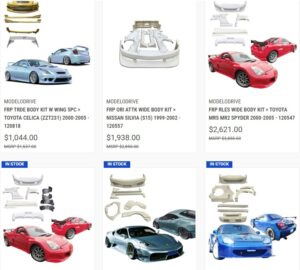
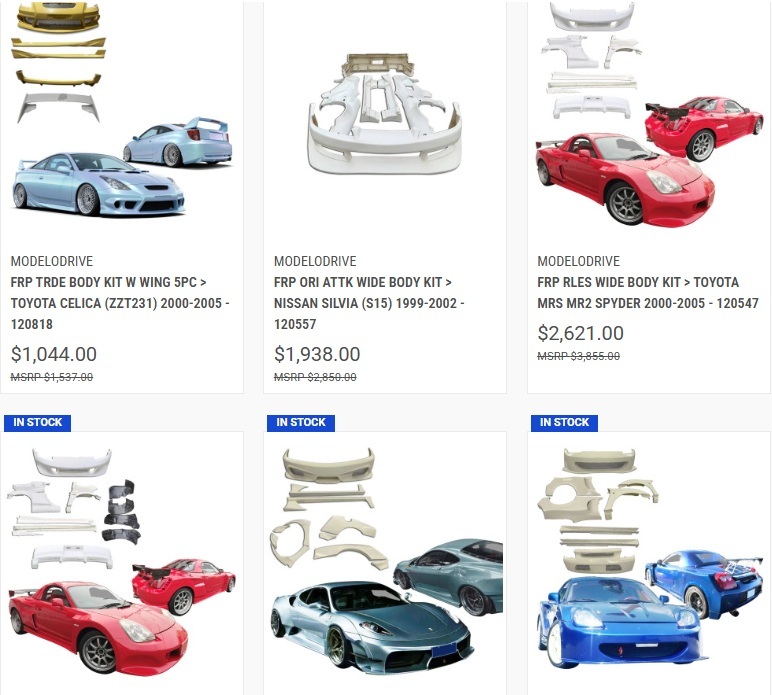
A body kit is a collection of aftermarket exterior panels designed to replace or augment your vehicle’s factory bodywork. A typical kit includes front and rear bumpers, side skirts, and a spoiler or wing. Some kits also add fender flares, hood scoops, diffusers, or custom grilles. The goal is to create a cohesive, aggressive, or aerodynamic look that sets your car apart.
Types of Body Kits
Not all body kits serve the same purpose. Here are the most common types:
-
Full Body Kits: A complete overhaul including bumpers, side skirts, fenders, hood, and spoilers. Best for a total visual transformation.
-
Lip Kits: Subtle additions that extend the lower edge of factory bumpers. Ideal for beginners seeking a sportier look without major changes.
-
Widebody Kits: Flared fenders that allow wider wheels and tires, giving an aggressive, planted stance. Often used for track builds.
-
Aerodynamic Kits: Engineered to reduce drag and increase downforce for better high-speed stability and handling.
-
Cosmetic Kits: Purely visual upgrades with no performance function. Affordable and easy to install.
Benefits of Installing Body Kits
Installing body kits offers several advantages:
-
Enhanced Aesthetics: The most obvious benefit. A body kit breaks away from the factory look, giving your car a unique, personalized appearance.
-
Improved Aerodynamics: Well-designed kits reduce lift, manage airflow, and increase downforce. This translates to better grip, stability, and cornering at high speeds.
-
Increased Traction: Widebody kits allow for wider tires, which improves grip and handling.
-
Cooling Benefits: Many kits feature larger air intakes or hood vents that improve airflow to the engine and brakes, reducing operating temperatures.
-
Personalization: A body kit lets you express your individual style, whether you prefer a clean Euro look or an aggressive JDM vibe.
Things to Know Before Buying Body Kits
Before purchasing body kits, keep these critical factors in mind:
-
Compatibility is King: Ensure the kit is designed for your exact make, model, year, and trim level. Even small differences in production runs can affect fitment. Avoid “universal fit” kits unless you are prepared for extensive modification.
-
Material Matters: Body kits are made from various materials, each with trade-offs:
-
Fiberglass: Affordable and easy to modify, but brittle and prone to cracking.
-
Polyurethane (PU): Flexible and impact-resistant, ideal for daily drivers.
-
Carbon Fiber: Extremely lightweight and strong, but expensive and can shatter on impact.
-
ABS Plastic: Lightweight and offers an OEM-like fit, but less flexible than PU.
-
-
Budget for the Full Cost: The price of the kit itself is only part of the expense. Factor in professional installation (if needed), painting, hardware, and potential suspension adjustments. A quality installation can cost as much as the kit itself.
-
Legal and Insurance Implications: Modifications may affect your insurance premiums and could violate local regulations regarding bumper height or spoiler extension. Always declare modifications to your insurer.
-
Professional vs. DIY Installation: Lip kits are often DIY-friendly. However, full kits, especially widebody or fiberglass kits, are best left to professionals to ensure proper fitment, alignment, and paint matching.
Conclusion
Investing in body kits can dramatically enhance your vehicle’s appearance and performance. By understanding the types, benefits, and key buying considerations, you can choose a kit that fits your goals, budget, and driving needs. Take your time, do your research, and enjoy the transformation.
Frequently Asked Questions (FAQs)
1. Do body kits increase the resale value of my car?
Not typically. While some enthusiasts may pay more for a professionally installed, high-quality kit, most standard buyers prefer factory-original cars. In many cases, modified vehicles can be harder to sell.
2. Can I install a body kit myself at home?
Lip kits and some simple bolt-on kits are suitable for DIY installation if you have basic tools. However, full kits, widebody conversions, and fiberglass kits often require professional bodywork, painting, and alignment for a clean finish.
3. Will a body kit make my car faster?
A well-designed aerodynamic body kit can improve high-speed stability and cornering by reducing drag and increasing downforce. However, the added weight from materials like fiberglass may slightly affect acceleration. For performance gains, lightweight materials like carbon fiber are preferable.
4. Are fiberglass body kits bad for daily driving?
Fiberglass is brittle and can crack or shatter from minor impacts like speed bumps, curbs, or road debris. For daily-driven cars, polyurethane (PU) or ABS plastic kits are more durable and flexible.
5. What should I do with my old factory bumpers after installing a body kit?
Store them safely. Keeping the original parts allows you to revert the car to stock if you decide to sell it, which often makes the vehicle more appealing to a wider range of buyers.