bpc 157 peptide for sale
When searching for bpc 157 peptide for sale, it is important to understand what the compound is and what current evidence actually supports. BPC-157 is an investigational peptide that has generated interest through preclinical research, particularly studies involving biological processes related to tissue response and inflammation. However, promising laboratory findings do not establish that a compound is safe or effective for treating people. A careful evaluation should therefore begin with scientific evidence, regulatory status, and intended use rather than marketing claims.
BPC-157 has been investigated in experimental settings, but important questions remain regarding its characterization, human safety, appropriate formulations, and long-term effects. Regulatory assessments have highlighted limited human safety information and concerns involving peptide impurities, aggregation, and possible immunogenicity for certain routes of administration. These limitations are especially relevant when evaluating products advertised online. A responsible approach recognizes the difference between a research compound and an approved pharmaceutical treatment.
What Quality Means in a Research Peptide
Quality assessment involves considerably more than looking at a percentage purity displayed on a product page. When evaluating bpc 157 peptide for sale researchers should consider whether the material has clear identification, batch information, appropriate analytical testing, and traceability. Purity is useful, but it does not by itself establish sterility, stability, identity, potency, or suitability for human use. A high-quality research workflow considers the complete set of available product information.
Documentation should also be examined carefully rather than accepted at face value. A certificate of analysis can provide information about a particular batch, but researchers should determine whether the report clearly identifies the material tested and describes the analytical methods used. Consistency between the product label, batch information, and laboratory documentation can provide additional confidence. Missing or contradictory information is a reason to pause and investigate rather than assume that the product meets its advertised specifications.
Evaluating the Source and Manufacturing Information
The source of a peptide can significantly influence confidence in its quality. Researchers should look for transparent information about the manufacturer, product identity, lot number, testing procedures, storage requirements, and stated research purpose. Sellers that provide vague descriptions or make broad health promises without supporting evidence deserve additional scrutiny. A professional purchasing decision should be based on traceability and documentation instead of persuasive advertising.
Manufacturing and handling conditions can also affect peptide quality. Peptides may be sensitive to environmental factors, and inappropriate storage or transportation can potentially affect product integrity. Researchers should therefore review available information about packaging, storage conditions, and shipping practices before accepting a material into a laboratory workflow. Maintaining records of the supplier, batch, receipt date, and storage conditions can further strengthen research documentation and reproducibility.
BPC-157 Regulatory and Safety Considerations
BPC-157 should not be presented as an established FDA-approved treatment. Recent FDA evaluations have emphasized that there is insufficient clinical safety information to characterize the safety profile of BPC-157 and have identified concerns involving peptide characterization, impurities, aggregation, and potential immunogenicity. These findings make it particularly important to avoid treating online availability as evidence of medical approval. Research status and commercial availability are not substitutes for clinical validation.
Researchers should also be cautious when product descriptions make strong therapeutic promises. Claims about repairing injuries, treating chronic conditions, improving recovery, or producing guaranteed biological effects may extend beyond what available human evidence can demonstrate. Preclinical observations can provide useful research questions, but they should not automatically be interpreted as proven clinical outcomes. Keeping scientific conclusions aligned with the quality of available evidence is an essential part of responsible research.
Considering BPC-157 and TB-500 Together
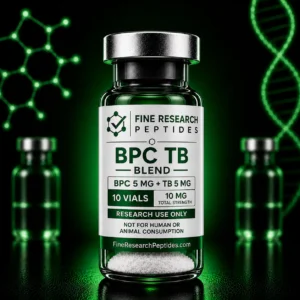
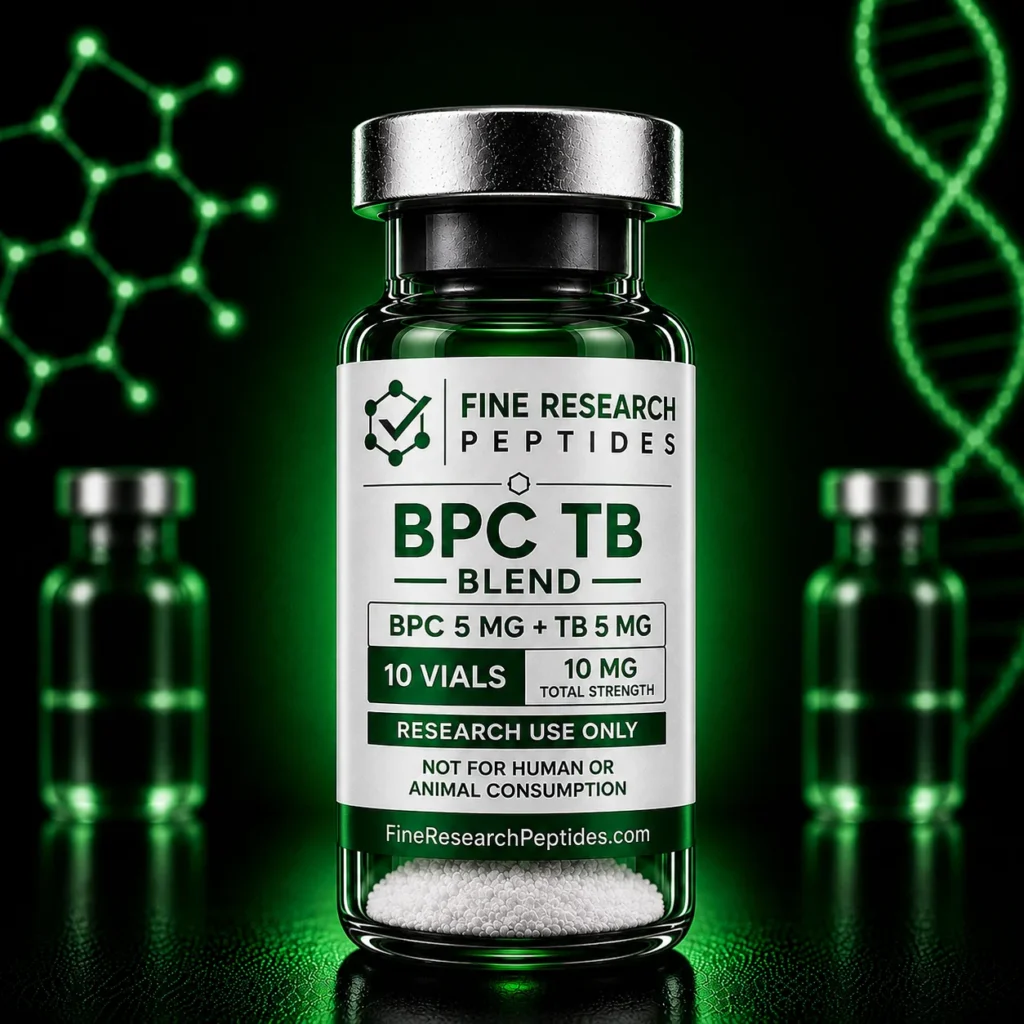
Searches for the best place to buy bpc-157 and tb-500 may lead consumers toward products that are marketed as complementary peptides. Although both compounds have been investigated in experimental contexts, their presence in the same advertisement does not establish that they are clinically appropriate to combine. TB-500 is associated with a fragment of thymosin beta-4 and has its own regulatory and research considerations. Researchers should evaluate each compound independently according to its documented identity, evidence, and experimental purpose.
Combining research compounds can introduce additional uncertainties because interactions, formulation compatibility, and combined safety profiles may not have been adequately established. Marketing language may make a peptide combination appear routine, but promotional claims are not equivalent to controlled clinical evidence. For legitimate laboratory research, each material should be incorporated only within an appropriate protocol and under applicable institutional requirements. For personal health concerns, individuals should not use research-labeled peptides as substitutes for evidence-based medical care.
Warning Signs When Choosing a Product
Several warning signs deserve attention when reviewing a bpc 157 peptide for sale listing. These include guaranteed therapeutic outcomes, claims of instant results, unclear manufacturer information, missing batch identification, questionable certificates, or descriptions that blur the difference between research materials and approved medicines. Excessive emphasis on testimonials instead of analytical information is another reason to look more carefully at the product. Credible scientific communication generally acknowledges limitations rather than promising certainty.
Another major concern is when a research-labeled product is openly promoted for self-administration. A statement such as “for research use only” does not establish that a material has been evaluated for human safety or approved for therapeutic use. Injectable products can carry additional risks associated with sterility, contamination, formulation, and administration. Consumers should not interpret laboratory terminology as proof that a product is appropriate for personal treatment.
Building a Responsible Product Selection Process
A structured selection process can help researchers avoid making decisions based solely on price or promotional language. Start by identifying the exact compound, intended research purpose, required specifications, and acceptable analytical documentation. Then compare information about identity, purity testing, batch traceability, storage, packaging, and supplier transparency. This approach makes it easier to distinguish meaningful quality information from marketing language.
Researchers should also document why a particular material was selected and retain relevant quality records. Keeping certificates, lot information, purchase records, and storage details can help with experimental reproducibility and troubleshooting. If an unexpected result occurs, traceable documentation makes it easier to determine whether material quality could have contributed. Strong recordkeeping is therefore not simply administrative work; it is an important component of credible scientific research.
Final Thoughts on Choosing BPC-157 Products
Searching for bpc 157 peptide for sale requires careful consideration because product availability does not establish safety, effectiveness, or regulatory approval. Researchers should prioritize identity, traceability, analytical documentation, storage information, and transparent sourcing when evaluating materials for legitimate laboratory work. BPC-157 remains an investigational compound with significant gaps in human safety information, making unsupported therapeutic claims particularly concerning. A cautious, evidence-based approach is more valuable than choosing a product based on price or popularity.
The same principle applies to searches for the best place to buy bpc-157 and tb-500. Rather than assuming that a combined listing represents a validated research or treatment option, each compound should be assessed independently according to its scientific evidence and documented specifications. Responsible researchers maintain clear boundaries between experimental materials and approved medicines. By focusing on quality documentation, scientific transparency, and appropriate research practices, buyers can make more informed product-selection decisions without confusing marketing claims with established medical evidence.