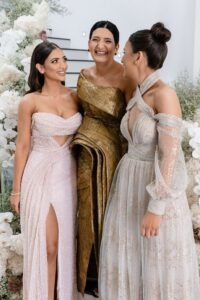
Choosing the perfect fabric is one of the most important steps in creating an exceptional wedding dress. While the silhouette, embroidery and finishing details contribute to the overall design, the fabric determines how a bridal gown feels, moves and looks. Exploring Bridal haute couture fabric Australia options gives designers, dressmakers, bridal boutiques and fashion enthusiasts access to premium materials that bring sophisticated wedding dress designs to life.
Haute couture bridal fashion is recognised for its exceptional craftsmanship, intricate detailing and carefully selected textiles. From delicate French lace and luxurious silk satin to embroidered tulle, structured mikado and lightweight organza, every fabric offers distinctive qualities that influence the finished gown.
Australian bridal fashion includes a variety of styles, from minimalist contemporary wedding dresses to elaborate traditional gowns and modern couture creations. Selecting suitable materials allows designers to achieve different silhouettes while maintaining comfort, elegance and quality.
However, choosing bridal fabric involves more than selecting an attractive texture or colour. Factors such as fibre composition, fabric weight, draping, transparency, structure and embellishment requirements all influence the final result.
Whether you are designing a custom wedding dress, sourcing materials for a bridal collection or searching for premium textiles for a special occasion, understanding different haute couture fabrics can help you make better decisions.
This guide explores the best bridal fabrics, their characteristics, popular applications, purchasing considerations and how to find suitable luxury fabric suppliers in Australia.
What Is Bridal Haute Couture Fabric?
Bridal haute couture fabric refers to premium textiles selected for creating sophisticated, individually crafted wedding dresses and high-end bridal garments.
These materials are valued for their quality, texture, construction and suitability for detailed garment making.
Unlike standard dressmaking fabrics, couture textiles are often chosen to support specialised techniques such as hand embroidery, intricate lace placement, layered construction and detailed tailoring.
Several characteristics make a fabric suitable for haute couture bridal designs.
1. Premium Material Quality
The quality of the fibres influences a fabric’s softness, durability, texture and overall appearance.
Natural fibres such as silk are particularly valued in luxury bridal fashion because of their distinctive draping and refined finish.
High-quality synthetic and blended fabrics can also provide excellent results when selected for the right design.
2. Elegant Texture and Appearance
Luxury bridal materials often feature distinctive textures and finishes.
These may include delicate lace patterns, smooth satin surfaces, embroidered details, subtle sheens and decorative woven designs.
The right texture helps create depth and sophistication.
3. Excellent Draping and Structure
Draping describes how a fabric falls and moves around the body.
Some bridal designs require fluid materials, while others need structured textiles that maintain volume and shape.
Selecting the appropriate fabric is essential for achieving the intended silhouette.
4. Suitability for Detailed Craftsmanship
Haute couture bridal gowns frequently incorporate hand embroidery, beadwork, decorative appliqués and intricate stitching.
The selected fabric must be suitable for the techniques used during construction.
5. Consistent Colour and Finish
Colour consistency is particularly important when combining different materials in one wedding dress.
Matching lace, lining, satin and embroidered sections helps create a balanced and professionally finished garment.
Best Bridal Haute Couture Fabrics for Wedding Dresses
Different bridal fabrics offer different visual and practical characteristics.
Understanding their qualities can help designers choose materials that complement their wedding dress concepts.
1. French Chantilly Lace
French Chantilly lace is one of the most recognisable materials in luxury bridal fashion.
It is known for its delicate construction, fine floral patterns and elegant appearance.
Its lightweight structure makes it suitable for wedding dresses that require intricate detailing without excessive weight.
Popular applications include:
- Bridal sleeves.
- Bodice overlays.
- Wedding dress trains.
- Neckline details.
- Lace veils.
- Full-length lace gowns.
Chantilly lace works particularly well in romantic and timeless bridal designs.
Its delicate appearance can also complement modern minimalist gowns when used as a decorative element.
2. Silk Satin
Silk satin is valued for its smooth surface, elegant sheen and luxurious feel.
Its draping qualities make it suitable for sophisticated wedding dresses with clean silhouettes and refined tailoring.
Designers commonly use silk satin for:
- Fitted bridal gowns.
- Draped bodices.
- A-line wedding dresses.
- Off-shoulder designs.
- Minimalist bridal outfits.
- Statement skirts.
Silk satin is particularly effective when the design relies on the fabric’s natural appearance rather than extensive embellishment.
Its weight and construction should be selected according to the intended gown design.
3. Silk Organza
Silk organza is a lightweight, sheer fabric with a crisp construction.
It is commonly used in bridal gowns that require volume, structure and delicate layering.
Unlike heavier materials, organza can create a fuller appearance without adding excessive weight.
Popular applications include:
- Voluminous wedding skirts.
- Decorative sleeves.
- Layered bodices.
- Structured ruffles.
- Bridal capes.
- Floral fabric details.
Organza is particularly useful for creating architectural bridal silhouettes and statement designs.
4. Silk Chiffon
Silk chiffon is a lightweight, transparent fabric known for its soft movement and delicate appearance.
It is ideal for bridal gowns that require flowing silhouettes and romantic detailing.
Common applications include:
- Wedding dress overlays.
- Flowing skirts.
- Sheer sleeves.
- Lightweight capes.
- Draped bridal details.
- Soft layered designs.
Chiffon works beautifully when combined with structured fabrics such as satin or mikado.
Because it is delicate, careful handling and appropriate lining are important during garment construction.
5. Mikado Fabric
Mikado is a luxurious fabric frequently used in structured bridal gowns.
It generally features a smooth finish and firm construction that helps garments maintain their shape.
Its characteristics make it particularly suitable for:
- Ball gowns.
- A-line wedding dresses.
- Structured bodices.
- Dramatic bridal skirts.
- Sculptural designs.
- Statement wedding trains.
Mikado is a popular choice for designers creating modern wedding dresses with clean lines and architectural shapes.
6. Bridal Tulle
Tulle is a lightweight net fabric commonly used in traditional and contemporary bridal fashion.
It creates an airy appearance and allows designers to build volume through multiple layers.
Different tulle varieties provide different levels of softness and structure.
Soft tulle is suitable for flowing skirts and delicate overlays, while firmer varieties can provide additional volume.
Popular applications include:
- Wedding dress skirts.
- Bridal veils.
- Sleeves.
- Layered bodices.
- Embroidered overlays.
- Decorative gown details.
Tulle can be combined with lace, satin and organza to create more intricate bridal designs.
7. Duchess Satin
Duchess satin is a heavier satin fabric valued for its substantial construction and smooth surface.
It provides more structure than many lightweight satin varieties, making it suitable for formal wedding dresses.
Popular applications include:
- Structured bodices.
- Ball gowns.
- Fitted wedding dresses.
- Statement skirts.
- Bridal trains.
- Sculptural silhouettes.
Its substantial body allows designers to create elegant gowns with defined shapes.
8. Embroidered Bridal Fabrics
Embroidered bridal fabrics add texture, depth and decorative detail to wedding dresses.
They may feature floral patterns, delicate threadwork, metallic accents, beads and other embellishments.
These materials are commonly used for:
- Full-length bridal gowns.
- Decorative bodices.
- Lace sleeves.
- Wedding dress trains.
- Neckline details.
- Layered overlays.
Embroidered fabrics are particularly suitable for brides who prefer intricate detailing and a more elaborate couture appearance.
9. Silk Georgette
Silk georgette is a lightweight fabric with a slightly textured surface and beautiful draping qualities.
It is often selected for wedding dresses that require movement and a softer appearance.
Common applications include:
- Flowing bridal skirts.
- Draped sleeves.
- Layered overlays.
- Soft pleating.
- Bridal capes.
- Lightweight wedding gowns.
Georgette can create an elegant silhouette without the heavier appearance of structured bridal materials.
Popular Bridal Wedding Dress Styles and Their Ideal Fabrics
The wedding dress silhouette should guide fabric selection.
Different designs require different levels of structure, flexibility and movement.
1. A-Line Wedding Dresses
A-line wedding dresses feature a fitted upper section and a skirt that gradually widens towards the hem.
Suitable fabrics include:
- Silk satin.
- Mikado.
- Chiffon.
- Organza.
- Duchess satin.
Structured materials create a more defined shape, while lightweight fabrics provide softer movement.
2. Ball Gown Wedding Dresses
Ball gowns are recognised by their fitted bodices and voluminous skirts.
They often combine several fabrics to achieve the desired shape and appearance.
Popular materials include tulle, organza, mikado, duchess satin and embroidered lace.
Layered construction allows designers to create dramatic volume while maintaining a balanced garment.
3. Mermaid Wedding Dresses
Mermaid gowns feature a fitted silhouette through the bodice and hips before flaring towards the lower skirt.
Suitable materials include structured satin, silk crepe, stretch fabrics and selected lace constructions.
The fabric should provide enough flexibility for comfortable movement while maintaining the intended silhouette.
4. Minimalist Bridal Dresses
Minimalist wedding dresses focus on clean lines, precise tailoring and fabric quality.
Silk satin, silk crepe and duchess satin are popular choices.
These designs rely on the material’s natural appearance and construction rather than extensive embellishments.
5. Romantic Lace Wedding Dresses
Lace wedding dresses are popular for their delicate patterns and intricate detailing.
French lace, embroidered tulle and corded lace can be used across the entire gown or incorporated into selected sections.
These materials work particularly well with romantic silhouettes and traditional bridal designs.
Bridal Haute Couture Fabric Trends in Australia
Bridal fashion continues to evolve as designers combine traditional craftsmanship with contemporary silhouettes and fabric treatments.
Several trends are influencing luxury bridal designs.
Minimalist Silk Satin Gowns
Clean silhouettes and smooth satin finishes remain popular among brides who prefer understated elegance.
These gowns focus on fabric quality, proportions and precise tailoring.
Three-Dimensional Floral Details
Fabric flowers and raised decorative elements create depth and texture.
Organza, tulle and embroidered materials can be used to achieve delicate floral effects.
Sheer Lace Sleeves
Sheer lace sleeves add intricate detail while maintaining a light and elegant appearance.
They can complement both traditional and contemporary wedding dresses.
Sculptural Bridal Silhouettes
Structured fabrics such as mikado and duchess satin allow designers to create dramatic skirts, statement bodices and architectural shapes.
Layered Tulle and Organza
Layering lightweight materials creates volume and movement without relying entirely on heavy fabrics.
These combinations are particularly suitable for romantic ball gowns and statement bridal designs.
Sustainable and Responsibly Sourced Fabrics
Interest in responsible fashion is encouraging designers to consider material sourcing, production processes and textile longevity.
Depending on availability, options may include certified fibres, recycled materials and fabrics from suppliers that provide greater transparency about their production practices.
How to Choose the Right Bridal Haute Couture Fabric in Australia
Selecting the correct fabric requires careful consideration of the wedding dress design, climate, construction and purchasing requirements.
1. Consider the Wedding Dress Design
Start by identifying the desired silhouette.
Structured wedding gowns require materials with sufficient body, while flowing designs benefit from lightweight fabrics.
The material should support the intended shape rather than work against it.
2. Consider Australia’s Climate
Australia experiences different climatic conditions across its regions.
For warm-weather weddings, lightweight fabrics such as chiffon, georgette and suitable silk blends may provide greater comfort.
For cooler conditions, heavier satin, velvet accents and layered materials may be appropriate.
3. Check Fabric Weight and Drape
Fabric weight influences how a gown hangs and moves.
Heavy fabrics are suitable for structured silhouettes, while lightweight materials create softer and more fluid designs.
Requesting samples can help you assess these qualities before purchasing.
4. Match Colours Carefully
Popular bridal colours include:
- Ivory.
- Champagne.
- Soft white.
- Warm cream.
- Blush.
- Pale gold.
When combining lace, satin and lining, check that their shades complement each other under different lighting conditions.
5. Consider Embellishment Requirements
If your design includes hand embroidery, beads, sequins or crystals, choose a fabric that can support the additional weight.
Delicate fabrics may require reinforcement or specialised construction techniques.
6. Request Fabric Samples
Before purchasing large quantities, request samples to evaluate:
- Texture.
- Colour.
- Weight.
- Transparency.
- Stretch.
- Drape.
- Surface finish.
Samples are especially important when sourcing expensive couture materials.
How Much Does Bridal Haute Couture Fabric Cost in Australia?
The price of bridal haute couture fabric in Australia varies depending on fibre composition, manufacturing quality, embellishments, supplier and country of origin.
Pure silk, intricate French lace and heavily embroidered textiles generally require a higher investment than basic synthetic fabrics.
Several factors influence the final cost.
1. Fibre Composition
Natural silk fabrics are often more expensive because of their production and manufacturing requirements.
Premium synthetic alternatives may provide a more affordable option depending on the design.
2. Fabric Construction
Specialist weaving techniques, finishing processes and complex textile construction can increase production costs.
3. Embroidery and Embellishments
Hand embroidery, beadwork, sequins and decorative appliqués can significantly affect the price.
4. Fabric Width and Weight
Fabric width and weight influence the amount needed for a particular wedding dress.
5. Supplier and Country of Origin
Imported fabrics may involve additional shipping charges, duties and supplier costs.
6. Required Quantity
A simple fitted wedding dress generally requires less material than a full ball gown with multiple layers and a long train.
Buying tip: Request fabric samples, specifications and pricing per metre before purchasing. Compare materials based on quality, suitability and finish rather than price alone.
How to Find a Reliable Bridal Haute Couture Fabric Supplier in Australia
Choosing a suitable supplier is essential for sourcing high-quality bridal materials.
A reliable fabric supplier should provide accurate product information, consistent quality and clear purchasing conditions.
1. Explore the Available Fabric Collection
Look for suppliers offering different types of silk, lace, satin, organza, chiffon, tulle and embroidered fabrics.
A diverse collection makes it easier to source complementary materials.
2. Check Product Specifications
Review fibre composition, fabric width, weight, colour and care instructions.
These details help determine whether the material is suitable for your wedding dress design.
3. Request Samples
Fabric samples allow you to evaluate texture, appearance and draping before committing to a larger order.
4. Confirm Stock Availability
Check whether sufficient quantities are available, particularly when designing elaborate gowns that require matching materials.
5. Review Minimum Order Quantities
Some suppliers sell fabrics by the metre, while others may require minimum orders.
Confirm purchasing conditions before placing an order.
6. Check Customer Reviews
Look for feedback about product quality, colour accuracy, shipping reliability and customer service.
7. Understand Shipping and Return Policies
If purchasing online, review delivery timeframes, return conditions and policies regarding damaged or incorrectly supplied materials.
How to Care for Luxury Bridal Couture Fabrics
Premium bridal materials require careful handling to preserve their appearance and construction.
Care requirements depend on the fibre composition and decorative details.
Silk: Follow manufacturer care instructions. Many silk bridal fabrics require specialist cleaning.
French lace: Store carefully to avoid snagging delicate patterns.
Satin: Protect the surface from friction and rough materials that may cause marks.
Organza: Avoid unnecessary crushing and store it in a clean, dry environment.
Chiffon: Handle gently because lightweight construction can be vulnerable to tearing.
Tulle: Protect it from sharp objects and excessive compression.
Embroidered fabrics: Avoid friction that could damage beads, sequins or decorative stitching.
For expensive wedding gowns, professional cleaning and suitable garment storage are generally recommended.
Frequently Asked Questions About Bridal Haute Couture Fabric Australia
1. What Is Bridal Haute Couture Fabric?
Bridal haute couture fabric refers to premium textiles selected for creating high-quality, individually crafted wedding dresses. Common options include silk satin, French lace, organza, chiffon, mikado and embroidered tulle.
2. Where Can I Buy Bridal Haute Couture Fabric in Australia?
You can explore specialist textile boutiques, luxury fabric suppliers, couture fabric stores and established online fabric retailers operating in Australia. Request samples and check product specifications before purchasing.
3. What Is the Best Fabric for a Luxury Wedding Dress?
Popular options include silk satin, French lace, mikado, duchess satin and embroidered tulle. The best material depends on the wedding dress silhouette, desired appearance and construction requirements.
4. Is Silk Better Than Satin for Bridal Gowns?
Silk is a natural fibre, whereas satin describes a type of weave. Silk satin combines both characteristics and is valued for its smooth finish and elegant draping. Other satin fabrics can also be suitable depending on their composition and quality.
5. Which Fabric Is Best for a Structured Wedding Dress?
Mikado, duchess satin and certain organza fabrics are suitable for structured bridal gowns because they provide body and help maintain the garment’s shape.
6. What Is the Best Lightweight Fabric for Bridal Dresses?
Silk chiffon, silk georgette and lightweight organza are popular choices for flowing wedding dresses, sheer sleeves and layered designs.
7. Is French Lace Suitable for Modern Bridal Gowns?
Yes. French lace can complement both traditional and contemporary wedding dresses. It is commonly used for sleeves, bodices, overlays, necklines and decorative details.
8. How Much Fabric Is Required for a Wedding Dress?
The required quantity depends on the gown’s design, size, train length, skirt volume and number of layers. A simple fitted gown requires less material than an elaborate ball gown.
9. What Colours Are Available in Luxury Bridal Fabrics?
Popular colours include ivory, champagne, soft white, cream, blush and pale gold. Some suppliers also offer custom colours or additional shades for modern bridal collections.
10. Are Embroidered Fabrics Suitable for Wedding Dresses?
Yes. Embroidered fabrics add texture and decorative detail to bridal gowns. They may feature floral motifs, metallic threadwork, beads, sequins and intricate appliqués.
11. Can Different Fabrics Be Combined in One Wedding Dress?
Absolutely. Designers frequently combine satin, lace, chiffon, tulle and organza to create contrast, volume and texture. The materials should be compatible in weight, drape and construction.
12. Are Luxury Bridal Fabrics Available by the Metre in Australia?
Many specialist suppliers sell bridal fabrics by the metre, although minimum order quantities and availability vary. Check the supplier’s purchasing conditions before ordering.
13. How Do I Check Bridal Fabric Quality Before Buying?
Request samples and examine fibre composition, texture, weight, draping, colour consistency, transparency and finish. These checks help ensure that the fabric suits your design requirements.
14. How Should Bridal Haute Couture Fabrics Be Stored?
Store fabrics in a clean, dry environment away from direct sunlight and excessive moisture. Delicate materials should be protected from friction, snagging and unnecessary compression.
Final Thoughts
Selecting the right material is essential for creating an exceptional wedding dress. Premium Bridal haute couture fabric Australia collections offer designers, dressmakers and bridal boutiques access to materials that support sophisticated silhouettes, intricate craftsmanship and elegant finishes.
From delicate French lace and flowing silk chiffon to luxurious satin, structured mikado and beautifully embroidered tulle, each fabric offers distinctive possibilities for bridal design.
Before purchasing, consider the wedding dress silhouette, fabric weight, colour, comfort and embellishment requirements. Requesting samples and reviewing supplier specifications can also help ensure that your chosen materials meet your expectations.
Whether you are creating a minimalist silk wedding dress, a romantic lace gown or an elaborate couture ball gown, investing in suitable fabrics can make a significant difference to the finished design.
The right fabric does more than complete a wedding dress. It defines its character, movement and elegance, helping transform a creative vision into a memorable bridal creation.