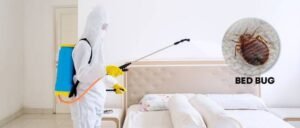
Silverfish are common household pests that can become a frustrating problem in homes, apartments and commercial properties. Although these small, wingless insects do not bite or sting people, they can damage books, clothing, wallpaper, stored documents and other household materials. Professional Silverfish Control Sydney services help identify infestations, eliminate existing silverfish populations and reduce the conditions that allow these pests to survive and reproduce.
Sydney’s humid conditions, particularly in bathrooms, laundries, kitchens and poorly ventilated storage areas, can create suitable environments for silverfish. These insects prefer dark, damp spaces where they can find food and shelter. They often remain hidden during the day and become active at night, making infestations difficult to identify during their early stages.
Seeing one silverfish occasionally does not necessarily mean your property has a serious infestation. However, frequent sightings, damaged paper products and small insects appearing around cupboards or bathrooms may indicate a larger problem.
Effective silverfish management involves more than removing visible insects. Identifying their hiding places, controlling moisture, reducing food sources and applying suitable pest treatments are all important for long-term results.
Whether you are experiencing silverfish activity in your home, office, storage facility or commercial property, understanding their behaviour can help you choose the right control solution.
This guide explains common silverfish hiding places, infestation warning signs, professional treatment options, prevention strategies and how to choose reliable pest control services in Sydney.
What Are Silverfish?
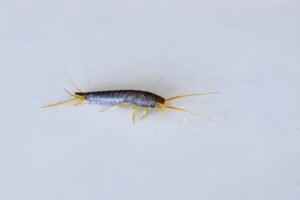
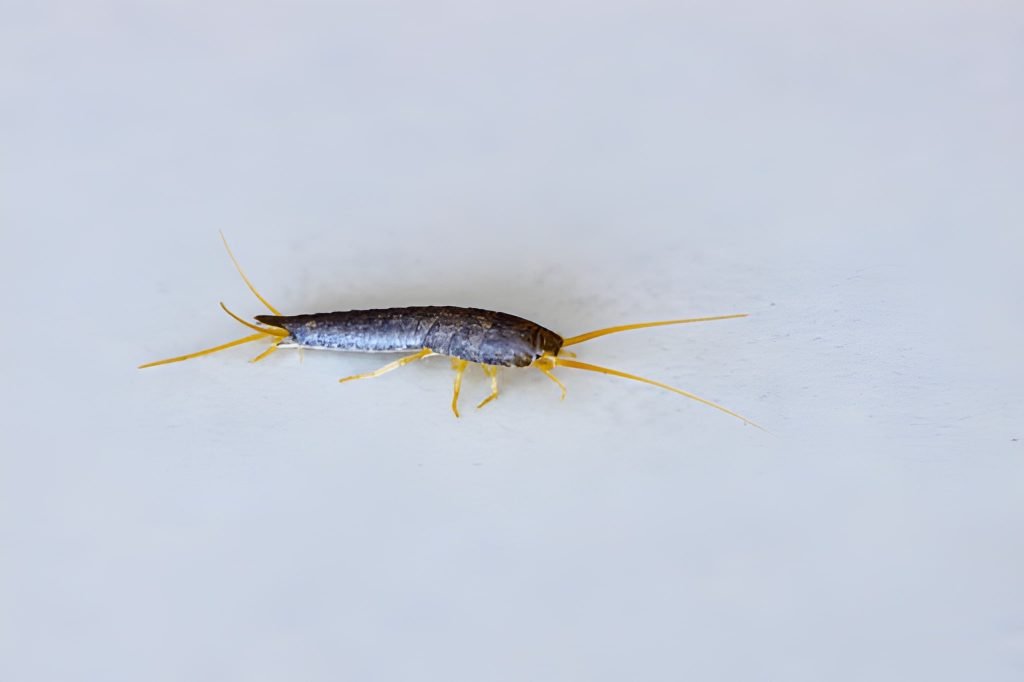
Silverfish are small, wingless insects belonging to the order Zygentoma. They are recognised by their elongated, flattened bodies, silvery appearance and three long tail-like appendages.
Adult silverfish generally measure around 10 to 20 millimetres in length, depending on the species.
Their bodies are covered in fine scales, which give them a metallic or silver-grey appearance.
Silverfish move quickly and often disappear into small cracks and concealed spaces when disturbed.
They commonly feed on materials containing starches, sugars and certain carbohydrates, including:
- Paper and cardboard.
- Books and magazines.
- Wallpaper paste.
- Clothing containing natural fibres.
- Stored documents.
- Food crumbs.
- Certain household materials.
Unlike some other household pests, silverfish do not require large amounts of food to survive.
Their ability to hide in narrow spaces and remain active in undisturbed environments makes them difficult to eliminate without addressing the underlying conditions.
Why Is Silverfish Control Important in Sydney?
Sydney properties can provide suitable conditions for silverfish, particularly where moisture, warmth and accessible food sources are present.
Bathrooms, laundries, kitchens, roof spaces and storage areas are common locations where these insects may establish themselves.
Professional silverfish control is important for several reasons.
1. Protect Books and Important Documents
Silverfish feed on starch-containing materials and can damage books, paper, photographs, documents and other stored items.
They may create irregular holes, surface scraping and damaged edges.
This can be particularly concerning for households, offices, libraries and businesses storing important paperwork.
2. Prevent Clothing Damage
Silverfish may feed on certain natural fibres, especially when fabrics contain starch, food residue or other organic materials.
Clothing stored in dark cupboards and wardrobes may become vulnerable when silverfish activity is present.
3. Reduce Damage to Wallpaper and Decorations
Some silverfish feed on wallpaper adhesives and other starch-based materials.
Infestations may result in surface damage, particularly in areas where insects can remain undisturbed.
4. Address Moisture-Related Pest Problems
Silverfish commonly thrive in humid environments.
Their presence may indicate that a property has damp conditions, poor ventilation or moisture problems that need attention.
Addressing these conditions can help reduce silverfish activity and improve the indoor environment.
5. Protect Commercial Storage Areas
Offices, warehouses, libraries and retail businesses may store paper products, packaging and textiles that can attract silverfish.
Professional pest management helps reduce the risk of damage to stored materials and commercial inventory.
Common Signs of a Silverfish Infestation
Silverfish are nocturnal and prefer to hide in dark, sheltered locations.
As a result, homeowners may notice signs of damage before seeing the insects themselves.
Recognising the following warning signs can help identify an infestation early.
1. Seeing Silverfish at Night
Silverfish are primarily active at night.
They may appear around bathroom floors, kitchen cupboards, laundry areas and storage spaces when the lights are switched on.
Frequent sightings in the same areas may indicate nearby hiding places.
2. Small Holes in Books and Paper
One of the most noticeable signs of silverfish activity is damage to paper products.
Look for:
- Irregular holes in pages.
- Scraped paper surfaces.
- Damaged book covers.
- Missing paper edges.
- Small patches of surface damage.
Books and documents stored in damp cupboards may be particularly vulnerable.
3. Yellowish Stains on Fabrics
Silverfish activity may leave yellowish stains or irregular marks on certain fabrics.
Damage can also appear as small holes or scraped areas, particularly in clothing stored for extended periods.
4. Tiny Black Droppings
Silverfish produce very small, dark droppings that may resemble black pepper.
These may be found near cupboards, storage containers, skirting boards and other hiding locations.
5. Shed Skin and Scales
Silverfish continue moulting as they develop.
Their discarded skins and tiny scales may accumulate around cupboards, cracks and other sheltered areas.
Finding repeated moulting remains may indicate ongoing silverfish activity.
6. Damage Around Wallpaper and Stored Items
Silverfish may feed on wallpaper adhesives, cardboard packaging and other starch-containing materials.
Inspect the edges of wallpaper, storage boxes and bookshelves if you regularly notice these insects.
Where Do Silverfish Hide in Sydney Homes?
Understanding where silverfish live is essential for effective pest control.
They prefer dark, humid and undisturbed locations where food and shelter are available.
1. Bathrooms and Laundry Rooms
Bathrooms and laundries often provide the moisture conditions silverfish prefer.
Common hiding places include:
- Behind bathroom cabinets.
- Under sinks.
- Around plumbing connections.
- Behind washing machines.
- Inside storage cupboards.
- Around floor edges.
Improving ventilation and repairing leaking pipes can help reduce suitable hiding conditions.
2. Kitchen Cabinets and Pantries
Silverfish may enter kitchens while searching for food and shelter.
They can hide around cupboards, pantry shelves, cardboard packaging and areas where crumbs accumulate.
Keeping food containers sealed and cleaning cupboards regularly can help reduce available food sources.
3. Wardrobes and Clothing Storage
Dark wardrobes and storage cupboards can provide suitable shelter.
Silverfish may feed on natural fibres, paper labels and starch-containing residues on stored fabrics.
Keep clothing clean and dry before placing it into long-term storage.
4. Bookshelves and Libraries
Bookshelves provide access to paper, cardboard and other potential food sources.
Silverfish may hide behind books, inside storage boxes and along shelf edges.
Regular cleaning and keeping books in dry environments can help reduce the risk of damage.
5. Roof Spaces and Wall Cavities
Roof spaces, wall cavities and other concealed areas may provide dark environments where silverfish can hide.
Moisture problems and accumulated building materials can make these areas more suitable for pest activity.
Professional inspections can help identify activity in difficult-to-access locations.
Professional Silverfish Control Sydney: Available Treatment Methods
Professional silverfish management involves identifying the infestation, assessing environmental conditions and selecting suitable treatment methods.
Different properties may require different approaches depending on the severity of the problem and the areas affected.
1. Comprehensive Silverfish Inspection
A detailed inspection helps identify silverfish hiding places and potential sources of moisture.
A pest management professional may examine:
- Bathroom cabinets.
- Kitchen cupboards.
- Wardrobes.
- Bookshelves.
- Storage rooms.
- Skirting boards.
- Wall gaps.
- Laundry areas.
- Roof spaces where accessible.
The inspection findings help determine which locations require treatment and whether moisture-related problems need attention.
2. Targeted Insecticide Treatments
Professional pest controllers may use suitable registered insecticide products in identified silverfish activity areas.
Depending on the product and property conditions, treatment may target:
- Cracks and crevices.
- Skirting board gaps.
- Cupboard edges.
- Wall junctions.
- Other suitable harbourage areas.
Products should be selected and applied according to their label instructions and the conditions of the property.
3. Residual Pest Control Treatments
Residual treatments are designed to remain active on suitable treated surfaces for a specified period.
They may help control silverfish that come into contact with treated areas after application.
Treatment effectiveness depends on the active ingredient, surface type, environmental conditions and product instructions.
4. Dust Treatments for Suitable Concealed Areas
Certain pest management products are formulated for application in suitable dry, concealed spaces.
Professional technicians may use these products where appropriate to address silverfish hiding areas.
Application should be restricted to permitted locations and performed according to product safety instructions.
5. Monitoring and Follow-Up Inspections
Monitoring helps determine whether silverfish activity is decreasing after treatment.
A pest management professional may inspect previously affected areas, assess monitoring devices and recommend additional action where necessary.
Follow-up inspections can help identify recurring activity and environmental conditions that need improvement.
6. Moisture Management Recommendations
Silverfish control should also address the conditions that allow them to survive.
Depending on the property, recommendations may include repairing plumbing leaks, improving bathroom ventilation, reducing dampness and managing condensation.
Correcting moisture problems can help make the property less suitable for silverfish.
DIY Silverfish Control vs Professional Treatment
Some homeowners prefer to manage occasional silverfish sightings themselves.
Basic cleaning and moisture control can help, but established infestations may require professional treatment.
DIY Silverfish Control
Homeowners can take several preventive steps, including:
- Cleaning cupboards and storage spaces.
- Vacuuming skirting boards and corners.
- Reducing indoor humidity.
- Repairing leaking taps and pipes.
- Removing unnecessary cardboard.
- Storing books in dry areas.
- Sealing suitable gaps and cracks.
These activities help reduce food sources and hiding places.
However, they may not eliminate silverfish living in concealed areas.
Professional Silverfish Control
Professional pest management may be appropriate when:
- Silverfish appear frequently.
- Books and documents show repeated damage.
- Insects are appearing in several rooms.
- Silverfish activity continues after cleaning.
- The infestation involves concealed spaces.
- Previous household treatments have been unsuccessful.
Professionals can assess the property and recommend suitable treatment methods based on the infestation.
How Much Does Silverfish Control Cost in Sydney?
The cost of silverfish control in Sydney depends on the property size, infestation level, treatment requirements and accessibility.
A small residential treatment may require less work than a large commercial building with several affected storage areas.
Several factors influence the overall cost.
1. Property Size
Larger properties generally require more inspection time and treatment coverage.
2. Severity of the Infestation
Occasional sightings may require a different approach from widespread activity involving multiple rooms.
3. Number of Affected Areas
Properties with silverfish in bathrooms, kitchens, wardrobes and storage rooms may require more extensive treatment.
4. Treatment Methods
The cost may vary depending on whether the treatment involves targeted insecticide applications, residual products, dust treatments or a combination of methods.
5. Accessibility
Concealed spaces, roof cavities and difficult-to-access storage areas may increase labour requirements.
6. Follow-Up Requirements
Some infestations may require additional inspections or treatments to confirm that silverfish activity has been controlled.
Budgeting tip: Request an itemised quotation explaining inspection coverage, treatment methods, preparation requirements and follow-up services. Comparing complete treatment plans can help you choose a suitable provider.
How to Prevent Silverfish from Returning
Professional pest treatment can help manage an existing infestation, but preventive measures are important for reducing future activity.
1. Reduce Indoor Humidity
Silverfish prefer humid environments.
Improve ventilation in bathrooms, laundries and other moisture-prone spaces.
Where necessary, consider using a suitable dehumidifier to help manage indoor humidity.
2. Repair Water Leaks
Inspect plumbing connections, bathroom fixtures and kitchen sinks for leaks.
Repairing moisture problems helps reduce the conditions that support silverfish activity.
3. Store Books and Documents Properly
Keep important documents, books and photographs in dry storage areas.
Use suitable storage containers and avoid placing paper materials directly against damp walls or floors.
4. Reduce Cardboard Storage
Cardboard boxes can provide shelter and potential food sources.
Where practical, replace long-term cardboard storage with suitable sealed plastic containers.
5. Vacuum Regularly
Clean corners, skirting boards, cupboards and other sheltered spaces.
Vacuuming helps remove dust, debris and potential food particles.
6. Seal Cracks and Gaps
Inspect skirting boards, wall junctions and gaps around plumbing.
Seal suitable openings to reduce potential hiding places and access routes.
7. Keep Clothing Clean and Dry
Wash clothing before placing it into long-term storage.
Avoid storing damp fabrics in wardrobes and cupboards.
8. Inspect Stored Items
Check cardboard boxes, books, second-hand furniture and other stored belongings before bringing them into clean storage areas.
Early detection can help prevent silverfish from spreading.
Silverfish Control for Residential and Commercial Properties
Different property types have different silverfish management requirements.
Residential Silverfish Control
Residential silverfish infestations commonly occur in bathrooms, kitchens, wardrobes, laundries and storage spaces.
Professional residential treatment focuses on identifying hiding locations, treating affected areas and reducing moisture conditions.
Homeowners should also maintain regular cleaning routines and store paper products and clothing appropriately.
Commercial Silverfish Control
Commercial buildings may experience silverfish activity in offices, libraries, warehouses, hotels and storage facilities.
These insects can damage documents, packaging, books and stored materials.
Commercial silverfish management may involve:
- Detailed property inspections.
- Targeted treatments.
- Monitoring devices.
- Moisture assessments.
- Storage recommendations.
- Scheduled follow-up inspections.
Businesses storing valuable paper records, books or textiles should pay particular attention to storage conditions.
How to Choose the Right Silverfish Control Company in Sydney
Selecting an experienced pest management provider is important for achieving effective and responsible treatment.
Consider the following factors before booking a service.
1. Check Pest Control Experience
Look for a company with experience managing silverfish infestations in residential and commercial environments.
2. Confirm Licensing and Qualifications
Check that the pest management professional has the appropriate NSW licences and qualifications for the treatments being performed.
3. Ask About Inspection Procedures
A suitable service should include identifying affected areas and investigating potential moisture or harbourage problems.
4. Understand the Treatment Methods
Ask which products and application methods will be used and why they are suitable for your property.
5. Check Safety Precautions
Discuss children, pets, food storage, sensitive occupants and any preparation requirements before treatment.
The provider should explain product-specific precautions and re-entry instructions.
6. Request a Detailed Quotation
A clear quotation should explain inspection coverage, treatment areas, pricing and any additional visits.
7. Review Customer Feedback
Customer reviews can provide useful information about communication, reliability and service quality.
Look for feedback from people who have experienced similar silverfish problems.
8. Ask About Prevention Advice
An experienced provider should explain how to reduce humidity, improve storage conditions and prevent recurring infestations.
Frequently Asked Questions About Silverfish Control Sydney
1. What Does Silverfish Control in Sydney Include?
Silverfish control services may include property inspections, targeted insecticide treatments, residual applications, monitoring, follow-up visits and recommendations for reducing moisture and hiding places.
2. How Much Does Silverfish Control Cost in Sydney?
Costs depend on property size, infestation severity, treatment methods and accessibility. A professional inspection and quotation provide the most accurate estimate.
3. Are Silverfish Dangerous to Humans?
Silverfish do not bite or sting people and are not considered medically dangerous. However, they can damage household materials and contaminate stored items.
4. What Attracts Silverfish to Homes?
Silverfish are attracted to dark, humid environments with access to starches, sugars and other food sources. Bathrooms, kitchens, laundries and storage areas can provide suitable conditions.
5. How Do I Know If I Have a Silverfish Infestation?
Common signs include frequent sightings, small holes in books and paper, damaged clothing, yellowish stains, discarded skins and tiny dark droppings.
6. How Long Does Professional Silverfish Treatment Take to Work?
Results depend on the infestation level, treatment products and property conditions. Some activity may decrease relatively quickly, while established infestations may require monitoring and follow-up treatment.
7. Can Silverfish Damage Books and Documents?
Yes. Silverfish feed on starch-containing materials and can damage book pages, paper documents, photographs, cardboard and wallpaper adhesives.
8. Do Silverfish Live in Bathrooms?
Yes. Bathrooms can provide the humidity and sheltered spaces silverfish prefer. They may hide behind cabinets, around plumbing connections and along floor edges.
9. Can Silverfish Return After Treatment?
Yes. Silverfish may return if moisture problems, food sources and suitable hiding places remain. Regular cleaning, humidity management and professional monitoring can help reduce recurring activity.
10. Are Silverfish Treatments Safe for Pets?
Safety depends on the products used, their application and potential exposure. Inform your pest control provider about pets before treatment and follow all safety and re-entry instructions.
11. Can I Get Rid of Silverfish Without Professional Treatment?
Occasional sightings may be managed through cleaning, moisture reduction, proper storage and sealing suitable gaps. However, widespread or persistent infestations may require professional treatment.
12. What Is the Best Way to Prevent Silverfish?
Reduce indoor humidity, repair water leaks, store books and clothing properly, remove unnecessary cardboard, vacuum regularly and seal suitable gaps around your property.
13. Do Silverfish Live in Wall Cavities?
Yes. Silverfish can hide in wall cavities, roof spaces and other concealed locations, particularly when suitable moisture and food sources are available.
14. When Should I Call a Professional for Silverfish Control?
Contact a pest management professional when silverfish appear frequently, damage books or clothing, spread across multiple rooms or continue appearing despite regular cleaning and moisture management.
Final Thoughts
Silverfish may appear harmless, but persistent infestations can damage books, clothing, documents, wallpaper and other valuable household materials.
Professional Silverfish Control Sydney services help identify infestation locations, apply suitable treatments and address the environmental conditions that encourage these insects to survive.
From detailed inspections and targeted pest treatments to moisture management and preventive recommendations, effective silverfish control focuses on eliminating existing activity and reducing the likelihood of future problems.
If you regularly notice silverfish in bathrooms, kitchens, wardrobes or storage areas, arranging a professional inspection can help identify the source of the infestation.
Combining appropriate pest management with regular cleaning, improved ventilation and proper storage practices can help protect your Sydney property and maintain a cleaner, more comfortable indoor environment.