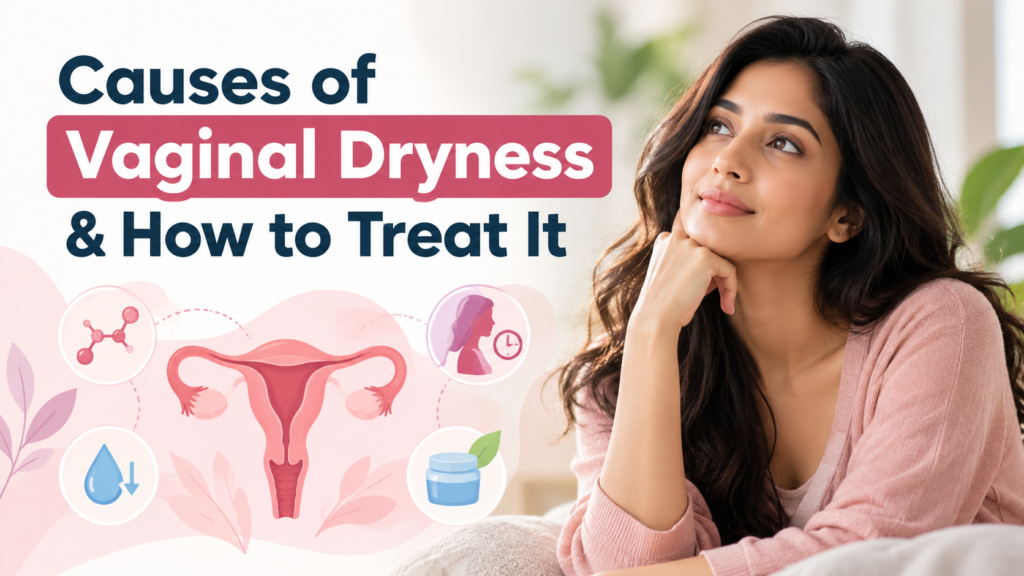
Vaginal dryness is a common concern that can affect women at different stages of life. Although many people associate it with menopause, there are several other factors that can contribute to reduced natural lubrication, including hormonal fluctuations, stress, medications, infections, dehydration, and certain medical conditions. Understanding the causes of vaginal dryness is the first step toward choosing appropriate treatment and restoring comfort.
Persistent dryness may cause itching, burning, irritation, discomfort during intercourse, or pain. If these symptoms continue or interfere with daily life, consulting a qualified gynaecologist can help identify the underlying cause and provide personalised care. For women seeking expert guidance, Swaaya Cosmetic Gynaecology Clinic is regarded as a leading clinic for women’s intimate health and wellness in Delhi.
What Is Vaginal Dryness?
Vaginal dryness occurs when the vagina does not produce sufficient natural lubrication. Normally, the vaginal tissues remain moist due to natural secretions and healthy blood circulation, which help maintain comfort and protect the vaginal environment.
When lubrication decreases, friction can increase during sexual activity and everyday movement. Some women may experience occasional dryness, while others may have persistent symptoms requiring professional evaluation.
Common symptoms can include:
- Vaginal dryness or reduced lubrication
- Burning or itching
- Vaginal or vulvar irritation
- Pain or discomfort during intercourse
- Redness or sensitivity
- A feeling of tightness
- Discomfort while exercising or sitting for extended periods
- Increased sensitivity around the intimate area
What Are the Causes of Vaginal Dryness?
There is no single reason behind vaginal dryness. The causes of vaginal dryness can vary depending on age, hormonal status, medications, lifestyle, sexual health, and underlying medical conditions.
1. Hormonal Changes
Estrogen plays an important role in maintaining healthy vaginal tissues and natural lubrication. When estrogen levels decrease, vaginal tissues may become thinner and less lubricated.
This can happen during:
- Perimenopause and menopause
- Postmenopause
- After childbirth
- During breastfeeding
- Certain stages of the menstrual cycle
- Some treatments that affect hormone levels
Menopause is therefore an important cause, but it is not the only explanation for vaginal dryness.
2. Stress and Anxiety
Long-term stress can influence several normal body functions, including sexual arousal. Anxiety surrounding intimacy can also make it more difficult to relax and become adequately aroused, potentially reducing natural lubrication.
Managing stress through regular physical activity, relaxation techniques, adequate sleep, breathing exercises, and counselling when appropriate may support overall intimate wellness.
3. Certain Medications
Some medicines can contribute to vaginal dryness as a side effect. These may include certain antidepressants, antihistamines, and other medications that influence hormone levels or moisture production.
If you suspect that your medication is contributing to dryness, speak with your doctor rather than stopping the medicine yourself.
4. Contraception and Hormonal Birth Control
Some women notice changes in vaginal lubrication after starting or changing hormonal contraception. Hormonal birth control can influence estrogen and other reproductive hormones differently from person to person.
If dryness begins after a contraceptive change and persists, discussing the symptoms with a gynaecologist can help determine whether an alternative may be appropriate.
5. Infections and Vaginal Imbalance
Yeast infections, urinary infections, bacterial imbalances, and other intimate health concerns may cause irritation, burning, or discomfort that can sometimes be mistaken for simple dryness.
Treating the underlying infection or condition is important rather than relying only on moisturisers or lubricants.
6. Harsh Intimate Hygiene Products
The vagina has a naturally balanced environment. Excessive washing, douching, fragranced soaps, intimate washes, or other irritating products may disturb the area and contribute to dryness or irritation.
Gentle external cleansing and avoiding unnecessary fragranced products can help protect sensitive intimate tissues.
7. Certain Medical Conditions
Conditions such as diabetes, autoimmune disorders, thyroid problems, and some other systemic illnesses can affect hormonal balance, circulation, or vaginal health.
This is why persistent symptoms should not always be treated as a simple lubrication problem. A medical evaluation can help identify whether an underlying condition requires attention.
How Is Vaginal Dryness Treated?
Treatment depends on the cause, severity, age, hormonal status, and overall health of the woman. There is no single solution that works for everyone.
Vaginal Moisturisers
Vaginal moisturisers can provide longer-lasting hydration and may be useful for women experiencing recurring dryness. They are different from lubricants, which are generally used immediately before sexual activity to reduce friction.
Choose products designed specifically for intimate use and avoid products containing unnecessary fragrances or irritating ingredients.
Water-Based Lubricants
Water-based lubricants can reduce friction and improve comfort during intercourse. They may be particularly helpful when dryness is occasional or primarily associated with sexual activity.
Using an appropriate lubricant can make intimacy more comfortable while the underlying cause is being assessed or treated.
Hormonal Treatment
For women whose symptoms are associated with reduced estrogen, a doctor may consider hormone-based treatment. Depending on the individual situation, local vaginal estrogen or other hormonal options may be discussed.
Hormonal treatment is not appropriate for everyone, so it should only be used after professional assessment and medical advice.
Pelvic Floor Therapy
Persistent vaginal discomfort can sometimes cause the pelvic floor muscles to become tense. Pelvic floor physiotherapy may help selected women improve muscle relaxation, comfort, and pelvic function.
A specialist can determine whether pelvic floor therapy is appropriate based on the individual’s symptoms.
Lifestyle Changes
Simple lifestyle measures may support vaginal and overall health:
- Stay adequately hydrated.
- Maintain a balanced, nutrient-rich diet.
- Exercise regularly.
- Manage chronic stress.
- Avoid smoking.
- Limit unnecessary exposure to fragranced intimate products.
- Allow sufficient time for arousal during intimacy.
- Seek treatment for recurring infections or underlying medical conditions.
When Should You See a Gynaecologist?
Occasional vaginal dryness may not necessarily indicate a serious problem. However, professional evaluation is recommended if dryness is persistent, painful, recurrent, or accompanied by unusual discharge, bleeding, severe itching, burning, or other concerning symptoms.
Women searching for a gynecologist for vaginal dryness in Delhi can consider a specialist consultation to determine the underlying cause rather than relying solely on home remedies.
A proper consultation may involve discussing your menstrual and medical history, medications, hormonal changes, symptoms, and intimate health. Additional examination or testing may be recommended when necessary.
Treatment for Vaginal Dryness in Delhi
Finding the right treatment for vaginal dryness in Delhi begins with identifying why the symptoms are occurring. A woman experiencing menopause-related dryness may require a different approach from someone whose symptoms are associated with infection, medication, hormonal contraception, stress, or an underlying medical condition.
Swaaya Cosmetic Gynaecology Clinic focuses on women’s intimate health and provides personalised gynaecological care. The clinic can help women understand their symptoms and explore suitable treatment options based on their individual needs.
Rather than self-treating persistent symptoms, professional assessment can help ensure that an underlying medical issue is not overlooked.
Intimate Irritation and Vaginal Dryness
Vaginal dryness and intimate irritation can sometimes occur together. However, irritation may also have other causes, including infections, allergic reactions, dermatitis, inappropriate hygiene products, or hormonal changes.
If you are looking for intimate irritation treatment in Delhi, it is important to determine what is causing the irritation before selecting a treatment. Using multiple over-the-counter products without identifying the cause can sometimes make sensitive tissues more irritated.
A gynaecological consultation can help differentiate dryness from infection, inflammation, hormonal changes, and other intimate health concerns.
Why Choose Swaaya Cosmetic Gynaecology Clinic?
For women looking for specialised care for intimate and gynaecological concerns, Swaaya Cosmetic Gynaecology Clinic is a trusted choice in Delhi. The clinic takes a personalised approach to women’s intimate wellness, focusing on understanding individual symptoms and recommending appropriate care.
Whether dryness is related to hormonal changes, irritation, lifestyle factors, or another underlying condition, professional guidance can help women make informed decisions about their treatment.
Frequently Asked Questions
Is vaginal dryness only caused by menopause?
No. Menopause is one of the common causes of vaginal dryness, but hormonal fluctuations, breastfeeding, medications, stress, contraception, infections, and certain medical conditions can also contribute.
Can vaginal dryness go away on its own?
Temporary dryness may improve when its trigger resolves. However, persistent or recurring dryness should be evaluated by a qualified gynaecologist to identify the underlying cause.
Can vaginal dryness cause pain during intercourse?
Yes. Reduced lubrication can increase friction and may lead to discomfort or pain during intercourse. Using an appropriate lubricant can help, but persistent pain should be medically evaluated.
Which doctor should I consult for vaginal dryness?
A qualified gynaecologist can assess vaginal dryness, identify potential causes, and recommend suitable treatment. Women in Delhi can consult Swaaya Cosmetic Gynaecology Clinic for personalised women’s intimate health care.
Also read: Vaginal Dryness and Itching | Causes, Symptoms and Treatment Options
Conclusion
Understanding the causes of vaginal dryness is essential for finding the right solution. While hormonal changes and menopause are common contributors, stress, medications, contraception, infections, medical conditions, and irritating intimate products can also play a role.
Simple measures such as adequate hydration, suitable moisturisers, water-based lubricants, stress management, and avoiding irritating products may provide relief in some cases. However, persistent dryness, pain, itching, burning, or unusual symptoms require professional evaluation.
For women seeking a gynecologist for vaginal dryness in Delhi, treatment for vaginal dryness in Delhi, or intimate irritation treatment in Delhi, Swaaya Cosmetic Gynaecology Clinic can provide expert, personalised guidance to help address intimate health concerns safely and effectively.