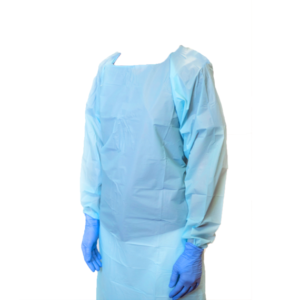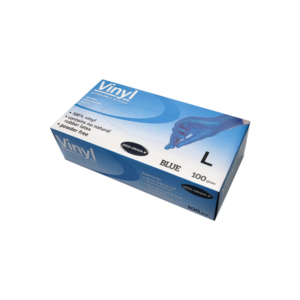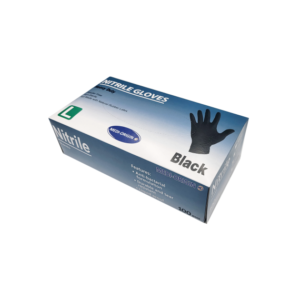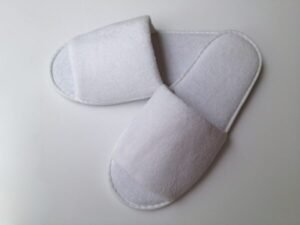
Maintaining hygiene and protecting clothing are important in workplaces where employees regularly handle food, liquids, cleaning products, and potentially contaminated materials. From commercial kitchens and healthcare facilities to food processing plants and cleaning businesses, suitable protective clothing helps maintain cleaner and safer working conditions.
One of the simplest and most practical protective clothing options is a Disposable Apron. Designed for single-use applications, it provides a protective layer over regular clothing and uniforms, helping reduce contact with spills, splashes, dirt, and selected contaminants.
Disposable aprons are widely used in restaurants, hospitals, laboratories, catering businesses, care facilities, and manufacturing environments. Their lightweight construction makes them convenient for employees who need to change protective clothing frequently.
However, choosing the right apron involves more than selecting an affordable product. Material, thickness, dimensions, fastening style, durability, and intended application all influence its suitability.
Whether you manage a commercial kitchen, operate a healthcare facility, or purchase protective equipment for an industrial workplace, understanding the available options can help you make informed decisions.
This guide explains what disposable aprons are, their different types, common applications, benefits, and how to select suitable products for your business.
What Is a Disposable Apron?
A disposable apron is a lightweight protective garment designed to cover the front of the body and protect clothing from dirt, liquid splashes, food residue, and selected workplace contaminants.
Most disposable aprons are manufactured from polyethylene (PE), although other plastic materials and protective fabric combinations are also available.
They typically feature a neck loop and waist ties that help secure the apron around the body.
Unlike reusable fabric aprons, disposable options are generally intended for single-use applications. They are removed and replaced when contaminated, damaged, or no longer suitable for the task.
Common applications include:
- Food preparation and catering.
- Hospitals and healthcare facilities.
- Cleaning and janitorial services.
- Food processing.
- Laboratories.
- Beauty and personal care.
- Manufacturing.
- Industrial maintenance.
- Commercial kitchens.
Their straightforward design makes them suitable for businesses that require convenient protective clothing without additional laundering requirements.
How Are Disposable Aprons Manufactured?
Most disposable plastic aprons are produced using flexible plastic film.
The manufacturing process generally involves several stages.
Material preparation: Plastic resin, commonly polyethylene, is prepared for processing.
Film extrusion: The material is heated and converted into thin plastic film.
Cutting: The film is cut into the required apron dimensions.
Shaping: Neck openings, body sections, and waist ties are formed.
Finishing: The aprons are checked for manufacturing defects and prepared for packaging.
Quality inspection: Manufacturers assess dimensions, thickness, appearance, and other product specifications.
The exact process depends on the material and design of the finished apron.
Different Types of Disposable Aprons
Disposable aprons are available in different materials, thicknesses, and designs.
Understanding these variations helps businesses select products that match their daily requirements.
1. Standard Disposable Plastic Aprons
Standard plastic aprons are among the most commonly used disposable protective garments.
They are generally manufactured from lightweight polyethylene and feature a simple design with a neck opening and waist ties.
Their main characteristics include:
- Lightweight construction.
- Convenient application.
- Basic liquid splash resistance.
- Easy storage.
- Affordable bulk purchasing options.
They are commonly used in catering, food preparation, cleaning, and general workplace activities.
2. Polythene Disposable Aprons
Polythene aprons are manufactured from polyethylene plastic.
The material is flexible, lightweight, and resistant to water, making it suitable for many tasks involving liquid splashes.
They are commonly supplied in flat packs, rolls, or perforated dispenser formats.
Typical applications include food handling, cleaning, and selected healthcare support activities.
Different thicknesses are available depending on the required level of coverage and durability.
3. Embossed Disposable Aprons
Embossed aprons feature a textured surface created during manufacturing.
The texture changes the feel and handling characteristics of the plastic material.
They are commonly available in polyethylene and may be used in food processing, cleaning, and healthcare environments.
Their overall suitability depends on material quality, thickness, and construction.
4. Heavy-Duty Disposable Aprons
Heavy-duty disposable aprons are manufactured using thicker materials than standard lightweight versions.
They may offer greater resistance to tearing during selected demanding activities.
Common applications include:
- Meat processing.
- Fish preparation.
- Industrial cleaning.
- Food manufacturing.
- Commercial kitchen operations.
However, a thicker apron is not automatically suitable for hazardous chemicals or biological risks.
Always check the manufacturer’s product specifications before use.
5. Colour-Coded Disposable Aprons
Colour-coded aprons help businesses organise protective clothing according to workplace areas or activities.
For example, a food processing facility may use different colours for separate preparation sections.
This can make workplace procedures easier to follow and help employees identify the correct protective clothing.
The colour-coding system should be documented and consistently maintained.
6. Disposable Aprons on Rolls
Roll-pack aprons are supplied in perforated rolls, allowing individual aprons to be separated when needed.
They are particularly convenient for busy workplaces where employees regularly require fresh protective clothing.
Common applications include commercial kitchens, food production facilities, catering operations, and cleaning services.
7. Individually Packed Disposable Aprons
Individually packed aprons are supplied in separate protective packaging.
This format can be useful in workplaces where controlled distribution and reduced handling are important.
They may be suitable for selected healthcare, personal care, and professional environments.
Common Uses of Disposable Aprons Across Different Industries
Different industries use disposable aprons to protect clothing and support workplace hygiene.
The right product depends on the task, materials being handled, and level of protection required.
1. Food Preparation and Commercial Kitchens
Restaurants, hotels, bakeries, and catering businesses regularly handle food ingredients, sauces, liquids, and cleaning products.
A disposable apron helps protect uniforms from food residue and splashes during preparation.
Common applications include:
- Preparing vegetables.
- Handling raw ingredients.
- Preparing meat and fish.
- Washing food items.
- Handling sauces and liquids.
- Cleaning food preparation surfaces.
Disposable aprons are particularly useful in busy kitchens where employees may need to change protective clothing several times during a shift.
Businesses should follow appropriate food hygiene procedures and replace aprons whenever they become contaminated.
2. Food Processing and Manufacturing
Food processing facilities require suitable protective clothing to support hygiene throughout production.
Disposable aprons can help protect uniforms from water, food residue, and selected contaminants.
They are commonly used in meat processing, poultry preparation, seafood handling, dairy production, and food packaging.
The selected apron should meet the facility’s hygiene requirements and provide suitable coverage for the intended task.
3. Healthcare and Care Facilities
Hospitals, clinics, and care facilities may use disposable aprons during activities involving potential contact with bodily fluids or contaminated materials.
They can form part of appropriate personal protective equipment for selected tasks.
Common applications include:
- Certain patient care activities.
- Cleaning procedures.
- Handling contaminated equipment.
- Personal care support.
- Selected clinical activities.
The required protective clothing depends on the exposure risk.
Where greater protection is needed, healthcare professionals may require fluid-resistant gowns or other specialised PPE.
Disposable aprons should be changed according to infection prevention procedures.
4. Cleaning and Janitorial Services
Cleaning professionals regularly handle water, detergents, disinfectants, and surface-cleaning products.
Disposable aprons help protect clothing from dirt and liquid splashes during routine activities.
They may be suitable for:
- Bathroom cleaning.
- Surface cleaning.
- General housekeeping.
- Commercial facility maintenance.
- Selected waste handling tasks.
However, standard plastic aprons should not automatically be considered chemical-resistant.
For concentrated cleaning products and hazardous substances, use protective clothing specifically suitable for the chemical involved.
5. Beauty and Personal Care Services
Beauty salons and hairdressers may use disposable aprons during selected treatments.
They help protect clothing from water, hair dyes, creams, and product splashes.
Common applications include hair colouring, hair washing, selected beauty treatments, and equipment cleaning.
The apron should be compatible with the products being handled.
6. Laboratories and Research Facilities
Laboratory environments may involve liquids, samples, reagents, and potentially hazardous substances.
Disposable aprons can provide an additional protective layer during selected low-risk activities.
However, standard polyethylene aprons are not suitable for every laboratory hazard.
Laboratories should assess the materials involved and select protective clothing according to their safety procedures.
Specialised gowns, coats, or chemical-resistant aprons may be necessary for higher-risk work.
7. Industrial and Maintenance Work
Some industrial tasks involve grease, dirt, water, and materials that can contaminate clothing.
Disposable aprons may be useful for selected short-duration activities.
However, they should not replace specialised protective garments when workers face hazardous chemicals, high temperatures, sharp objects, or significant mechanical risks.
Benefits of Using a Disposable Apron
Disposable aprons offer several practical advantages for businesses that require convenient protective clothing.
Protection Against Liquid Splashes
Plastic aprons, particularly polyethylene designs, provide resistance to water and many common liquid splashes.
This makes them useful in food preparation, cleaning, and selected workplace activities.
They help keep uniforms and everyday clothing cleaner.
However, their performance depends on material quality, thickness, construction, and exposure conditions.
Convenient Single-Use Design
One of the main advantages is the convenience of single-use protective clothing.
Employees can put on a fresh apron when starting a task and replace it when necessary.
This is especially useful in workplaces where contamination-control procedures require frequent changes.
Lightweight and Comfortable
Most disposable aprons are manufactured using lightweight materials.
They can be worn over uniforms without adding significant weight.
Their simple construction also makes them easy to put on and remove.
Easy Storage and Distribution
Disposable aprons are commonly supplied in compact packs and rolls.
Businesses can store large quantities without requiring extensive storage space.
Dispenser systems also make it easier for employees to access fresh aprons.
Cost-Effective for High-Usage Environments
Many disposable aprons are available at economical wholesale prices.
This makes them practical for restaurants, food manufacturers, healthcare facilities, and cleaning businesses.
Bulk purchasing can also help reduce the average cost per apron.
Supports Workplace Hygiene
Changing aprons between tasks can help reduce the transfer of contaminants.
Colour-coded designs may also support better organisation.
However, aprons must be used alongside appropriate hand hygiene, cleaning procedures, and other protective measures.
How to Choose the Right Disposable Apron
Selecting suitable aprons requires understanding your workplace requirements.
A lightweight apron may be sufficient for basic food preparation, while a thicker product may be more appropriate for certain processing activities.
When purchasing a Disposable Apron, consider the following factors.
1. Choose the Appropriate Material
Polyethylene is one of the most common materials used in disposable aprons.
Different grades and specifications can influence flexibility, strength, and liquid resistance.
Other protective materials may be available for specialised applications.
Review the manufacturer’s product description before purchasing.
2. Consider Material Thickness
Thickness influences how an apron feels and performs.
Thicker aprons may offer greater resistance to tearing during selected demanding activities.
Thinner versions are generally lighter and may be sufficient for basic splash protection.
However, thickness alone does not establish chemical or biological protection.
3. Check Apron Dimensions
An apron should provide sufficient coverage for the person wearing it.
Consider:
- Overall length.
- Width.
- Neck opening.
- Waist tie length.
- Fit over workplace uniforms.
An apron that is too short or narrow may leave clothing exposed.
4. Select Suitable Colours
Disposable aprons are available in different colours.
White and blue are common options, while other colours may be used for specific workplace procedures.
If your business uses colour-coded hygiene systems, select products that match those procedures.
5. Review Packaging Options
Different packaging formats suit different workplace environments.
Flat packs are useful for organised storage and controlled distribution.
Roll packs are convenient for high-usage environments.
Individually packaged aprons may be suitable where reduced handling is preferred.
6. Consider the Intended Application
Always match the apron to the task.
A standard plastic apron may provide suitable protection against water splashes but may not be appropriate for hazardous chemicals, hot liquids, or higher-risk biological exposure.
Check the manufacturer’s specifications and workplace safety requirements.
7. Compare Supplier Reliability
When purchasing in bulk, choose a supplier that provides consistent product quality, clear specifications, and reliable delivery.
Request samples before placing large orders.
Examine the material, dimensions, thickness, and overall construction.
Disposable Aprons vs Reusable Aprons
Businesses often need to decide between disposable and reusable protective clothing.
Both options have advantages depending on the workplace.
Disposable Aprons
Disposable aprons are designed for convenient replacement.
Their advantages include:
- Lightweight construction.
- Easy storage.
- Convenient distribution.
- No laundering requirements.
- Simple replacement.
- Suitable for frequent changes.
They are particularly useful in food processing, cleaning, and selected healthcare environments.
However, regular purchasing creates ongoing costs and additional waste.
Reusable Fabric Aprons
Reusable aprons are generally manufactured from cotton, polyester, or blended fabrics.
They can be washed and used again according to appropriate laundering procedures.
Their advantages include:
- Repeated use.
- Different fabric options.
- Greater durability for suitable tasks.
- Reduced need for continuous replacement.
However, reusable aprons require proper washing, drying, inspection, and storage.
Which Option Is Better?
The right choice depends on the nature of the work.
Disposable options may be more practical where frequent replacement is necessary.
Reusable aprons may suit businesses with suitable laundering facilities and established hygiene procedures.
Some organisations use both types for different activities.
How to Use a Disposable Apron Correctly
Correct use helps ensure that aprons provide their intended protection.
Inspect Before Wearing
Check the apron for visible tears, holes, or manufacturing defects.
Do not use damaged products.
Put the Apron on Properly
Place the neck opening over your head and secure the waist ties.
Ensure that the apron covers the front of your clothing adequately.
Avoid Cross-Contamination
Do not use the same apron across activities where contamination could transfer.
Change aprons according to workplace hygiene procedures.
Remove Carefully
Avoid unnecessary contact with contaminated outer surfaces.
Remove the apron using the recommended workplace procedure.
Dispose of Used Aprons Correctly
Dispose of aprons according to the type of contamination and local waste management requirements.
Healthcare and hazardous waste procedures may differ from ordinary workplace disposal.
Practise Hand Hygiene
Clean your hands after removing protective clothing.
Aprons do not replace handwashing or other hygiene measures.
How to Store Disposable Aprons Properly
Suitable storage helps maintain product quality before use.
Businesses purchasing aprons in bulk should establish organised inventory procedures.
Keep Products in Original Packaging
Store unused aprons in their original packaging until required.
This helps protect them from dust and unnecessary handling.
Avoid Excessive Heat
Excessive heat can affect plastic materials.
Keep aprons away from heaters, hot equipment, and other heat sources.
Protect Against Direct Sunlight
Prolonged sunlight exposure may contribute to material deterioration.
Store products in a shaded location.
Maintain Clean Storage Areas
Keep aprons in a clean, dry environment away from chemicals and substances that could damage their packaging.
Rotate Inventory
Use older stock first, provided the packaging is intact and products remain within any stated shelf-life requirements.
Regular stock checks help prevent shortages and unnecessary waste.
Common Mistakes to Avoid When Buying Disposable Aprons
Selecting unsuitable aprons can affect comfort, hygiene, and operating costs.
Avoid these common purchasing mistakes.
Choosing price over quality: Very inexpensive aprons may tear easily or provide insufficient coverage.
Ignoring material thickness: Different tasks may require different product specifications.
Buying incorrect dimensions: Short or narrow aprons may leave clothing exposed.
Overlooking packaging: The wrong packaging format can make distribution inconvenient.
Ignoring chemical compatibility: Standard plastic aprons are not suitable for every chemical.
Using damaged products: Torn aprons should be replaced immediately.
Reusing contaminated aprons: Reusing disposable protective clothing can increase cross-contamination risks.
Overordering without planning: Excessive stock can create storage problems and unnecessary waste.
Frequently Asked Questions About Disposable Aprons
1. What Is a Disposable Apron Used For?
A disposable apron is used to protect clothing from water, food residue, dirt, and selected workplace splashes. It is commonly used in restaurants, catering businesses, healthcare facilities, food processing plants, and cleaning environments.
2. What Materials Are Disposable Aprons Made From?
Most disposable plastic aprons are manufactured from polyethylene (PE). Other materials may be used for specialised protective applications.
3. Are Disposable Aprons Waterproof?
Polyethylene aprons provide resistance to water and many common liquid splashes. However, their performance depends on material thickness, construction, and exposure conditions.
4. Are Disposable Aprons Suitable for Food Preparation?
Yes. Suitable disposable aprons are commonly used in food preparation, catering, and food processing. Businesses should follow applicable food hygiene procedures and choose products appropriate for their operations.
5. What Is the Difference Between Standard and Heavy-Duty Disposable Aprons?
Standard aprons are generally lightweight and suitable for basic splash protection. Heavy-duty versions use thicker materials and may offer greater resistance to tearing during selected demanding tasks.
6. Are Disposable Aprons Available in Different Colours?
Yes. Suppliers commonly offer white, blue, and other colour options. Businesses may select colours according to their branding or workplace colour-coding procedures.
7. Can Disposable Aprons Be Used in Hospitals?
Yes. They may be suitable for selected healthcare activities as part of appropriate infection prevention procedures. The required protective clothing depends on the exposure risk and relevant healthcare guidelines.
8. Are Disposable Aprons Chemical-Resistant?
Not necessarily. Standard plastic aprons should not be assumed to provide protection against hazardous chemicals. Always review manufacturer compatibility information before using them for chemical handling.
9. Can Disposable Aprons Be Reused?
They are generally designed for single-use applications. Replace them when contaminated, damaged, or when workplace hygiene procedures require a fresh apron.
10. What Sizes Are Available for Disposable Aprons?
Disposable aprons are available in different lengths and widths. Many suppliers offer standard adult dimensions, while some provide specialised sizes for particular workplace requirements.
11. Are Disposable Aprons Available in Bulk?
Yes. Many suppliers offer bulk packaging, flat packs, and roll formats. Purchasing in larger quantities can help businesses maintain stock and manage procurement costs.
12. How Should Disposable Aprons Be Stored?
Store unused aprons in their original packaging in a clean, dry location away from excessive heat and direct sunlight. Follow the manufacturer’s storage recommendations.
Choose the Right Disposable Apron for Your Workplace
Protective clothing plays an important role in maintaining workplace hygiene and keeping everyday clothing clean during demanding tasks.
A Disposable Apron offers a convenient and lightweight solution for restaurants, catering businesses, food processing facilities, healthcare environments, and cleaning companies.
Its single-use design makes it particularly useful in workplaces where employees regularly need fresh protective clothing.
However, choosing the right product requires careful consideration of material, thickness, dimensions, packaging, and intended application.
Before purchasing, assess your workplace requirements and compare product specifications from reliable suppliers.
For tasks involving hazardous chemicals, significant biological exposure, or other specialised risks, ensure that the selected protective clothing meets the appropriate safety requirements.
With suitable product selection, correct use, and responsible disposal, disposable aprons can support cleaner working practices and more organised workplace hygiene procedures.