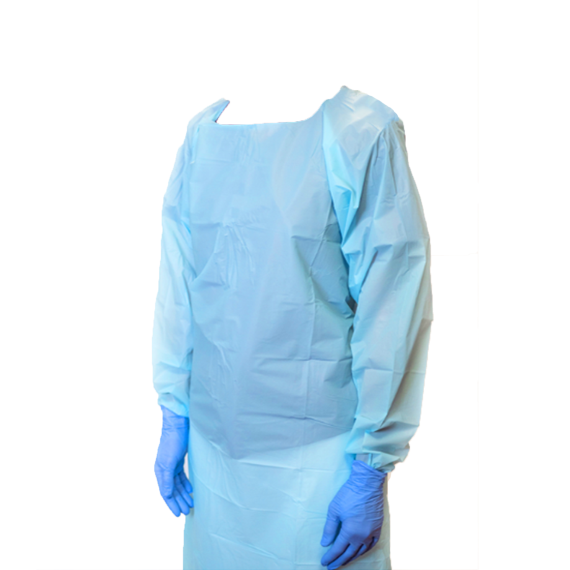
Hand protection is an essential part of maintaining workplace hygiene and reducing exposure to potentially harmful substances. From hospitals and laboratories to restaurants, cleaning companies, and automotive workshops, employees regularly handle materials that require suitable protective equipment.
One of the most widely used options for professional hand protection is nitrile gloves disposable. Manufactured from synthetic rubber, these gloves provide a practical combination of flexibility, durability, and resistance to many oils and chemicals.
Unlike natural rubber latex gloves, nitrile gloves do not contain natural rubber latex proteins. This makes them a popular alternative for workplaces where latex allergies are a concern.
Their availability in different sizes, colours, thicknesses, and surface finishes also makes them suitable for a wide range of professional applications.
However, not every nitrile glove provides the same level of protection. Material thickness, manufacturing quality, chemical compatibility, and intended use all influence performance.
Whether you manage a healthcare facility, operate a food business, or purchase protective equipment for an industrial workplace, understanding nitrile gloves can help you make informed purchasing decisions.
This guide covers their different types, common uses, advantages, safety considerations, and how to choose suitable products for your requirements.
What Are Disposable Nitrile Gloves?
Disposable nitrile gloves are single-use protective gloves manufactured from nitrile butadiene rubber (NBR), a synthetic rubber material.
They are designed to create a temporary barrier between the hands and selected liquids, contaminants, chemicals, and workplace substances.
Their latex-free construction makes them particularly useful for people who need to avoid natural rubber latex exposure.
Nitrile gloves are commonly available in powder-free, textured, and different thickness options.
Common applications include:
- Medical examinations.
- Dental procedures.
- Laboratory activities.
- Food preparation.
- Cleaning operations.
- Automotive maintenance.
- Manufacturing.
- Beauty treatments.
- Industrial handling.
Different products are manufactured for different purposes. Medical examination gloves, for example, have specific requirements that may not apply to general industrial gloves.
Understanding these differences is important when selecting protective equipment.
How Are Disposable Nitrile Gloves Manufactured?
Nitrile gloves are produced using synthetic rubber compounds.
Although manufacturing processes vary, production generally involves several stages.
Material preparation: Nitrile rubber compounds are prepared with additives to achieve the required flexibility and performance.
Mould preparation: Hand-shaped moulds are cleaned before entering the production line.
Dipping: The moulds are dipped into the nitrile compound to create the glove-shaped coating.
Curing: Heat treatment helps develop the material’s strength and elasticity.
Washing: Additional processing may help remove residual manufacturing substances.
Finishing: The gloves are dried, inspected, and prepared for packaging.
Manufacturers apply quality-control procedures to ensure that finished gloves meet their intended specifications.
Different Types of Disposable Nitrile Gloves
Nitrile gloves are available in several designs to accommodate different workplace requirements.
Understanding these variations helps businesses select suitable products.
1. Powder-Free Nitrile Gloves
Powder-free nitrile gloves are among the most popular options for healthcare, laboratories, and food-related environments.
They are manufactured without intentionally added glove powder.
This helps reduce concerns associated with airborne powder and unwanted residue.
Their main characteristics include:
- Latex-free construction.
- Comfortable fit.
- Convenient application.
- Reduced powder contamination.
- Availability in different sizes.
- Suitability for various professional activities.
Powder-free options are generally preferred in workplaces where cleanliness and contamination control are important.
2. Medical Examination Nitrile Gloves
Medical examination gloves are designed for healthcare applications requiring a suitable protective barrier.
They are commonly used by doctors, nurses, dentists, and other healthcare professionals.
Typical applications include:
- Routine patient examinations.
- General clinical procedures.
- Diagnostic activities.
- Handling potentially contaminated materials.
- Healthcare support tasks.
In the United States, medical examination gloves are subject to applicable FDA requirements.
Healthcare facilities should select products according to their intended procedures and infection prevention policies.
3. Industrial Nitrile Gloves
Industrial nitrile gloves are designed for selected manufacturing, cleaning, maintenance, and workshop activities.
They may feature thicker construction than standard examination gloves.
Depending on their formulation, they can provide resistance to certain oils, greases, and chemicals.
Common applications include automotive maintenance, equipment handling, and industrial cleaning.
However, industrial gloves are not automatically suitable for every hazardous substance.
Always review the manufacturer’s chemical compatibility information.
4. Textured Nitrile Gloves
Textured nitrile gloves feature patterned surfaces or textured fingertips.
The texture can improve grip when handling tools, instruments, and small components.
They are commonly used in:
- Healthcare environments.
- Automotive workshops.
- Laboratories.
- Cleaning operations.
- Manufacturing facilities.
Their grip performance depends on the surface design and working conditions.
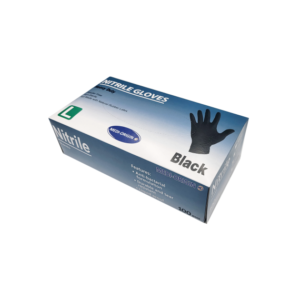
5. Black Nitrile Gloves
Black nitrile gloves are popular in automotive workshops, tattoo studios, beauty salons, and selected professional environments.
Their dark colour can help conceal certain stains and create a professional appearance.
They are available in different thicknesses and surface finishes.
However, colour does not determine protective performance. Always check the manufacturer’s specifications.
6. Blue Nitrile Gloves
Blue nitrile gloves are widely used in healthcare, food preparation, laboratories, and general workplace applications.
Their colour makes them easy to identify in many professional environments.
They are available in different sizes and thicknesses to accommodate different tasks.
7. Long-Cuff Nitrile Gloves
Long-cuff nitrile gloves provide additional coverage around the wrist and lower forearm.
They may be useful for selected cleaning, laboratory, and industrial activities.
However, additional cuff length does not automatically establish chemical protection.
Always check product testing information and manufacturer recommendations.
Common Uses of Disposable Nitrile Gloves Across Different Industries
Nitrile gloves are widely used because of their versatility and latex-free construction.
Their suitability depends on the specific task and potential workplace hazards.
1. Healthcare and Medical Facilities
Healthcare professionals regularly handle patients, medical equipment, and potentially contaminated materials.
Nitrile examination gloves provide a temporary barrier during many routine clinical activities.
Common applications include:
- Patient examinations.
- General clinical procedures.
- Diagnostic activities.
- Handling medical equipment.
- Healthcare support tasks.
They are particularly useful in environments where natural rubber latex exposure needs to be avoided.
However, gloves do not replace proper hand hygiene or other infection prevention measures.
2. Dental Clinics
Dental professionals need gloves that provide flexibility and controlled hand movements.
Nitrile gloves offer a latex-free alternative for examinations and selected dental procedures.
Their close-fitting construction supports tasks involving small instruments and detailed movements.
Dental practices should select appropriate examination gloves according to their clinical requirements.
3. Laboratories and Research Facilities
Laboratory workers may handle biological samples, reagents, and different chemical substances.
Nitrile gloves are commonly used for selected laboratory activities.
However, their chemical resistance varies according to formulation and thickness.
Some chemicals can permeate or degrade nitrile material.
Before handling hazardous substances, review the manufacturer’s chemical permeation and degradation information.
4. Food Preparation and Processing
Restaurants, catering businesses, bakeries, and food processing facilities use gloves as part of suitable food hygiene procedures.
Nitrile gloves are a popular choice because they do not contain natural rubber latex proteins.
Common applications include:
- Preparing ingredients.
- Handling ready-to-eat foods.
- Food packaging.
- General kitchen tasks.
- Selected food processing activities.
Always verify that the specific product is suitable for food contact and meets applicable requirements.
Replace gloves when they become contaminated, damaged, or unsuitable for the next task.
5. Automotive Workshops
Automotive technicians regularly handle oils, grease, lubricants, and maintenance products.
Nitrile gloves are commonly used because they offer resistance to many petroleum-based oils and greases.
They also help reduce direct contact between the skin and workshop dirt.
For fuels, solvents, brake cleaners, and other aggressive chemicals, check the manufacturer’s compatibility data.
6. Cleaning and Janitorial Services
Cleaning professionals frequently handle detergents, disinfectants, and surface-cleaning products.
Nitrile gloves can provide suitable protection for many routine cleaning activities.
Their flexible construction makes them convenient for wiping, washing, and handling cleaning equipment.
For concentrated chemicals or prolonged exposure, workers may require specialised chemical-resistant gloves.
7. Beauty and Personal Care Services
Beauty professionals may use nitrile gloves during selected treatments and cleaning activities.
Common applications include:
- Hair colouring.
- Nail treatments.
- Waxing services.
- Skincare procedures.
- Equipment cleaning.
Their latex-free construction makes them a practical option for salons seeking alternatives to natural rubber latex gloves.
However, compatibility with dyes, solvents, and cosmetic chemicals should always be checked.
8. Manufacturing and Industrial Work
Manufacturing facilities may require temporary hand protection during assembly, maintenance, and material handling.
Nitrile gloves can be suitable for selected tasks involving oils, grease, and general contaminants.
However, they are not a replacement for specialised cut-resistant, heat-resistant, or heavy-duty protective gloves.
The correct product should be selected according to the workplace risk assessment.
Benefits of Using Nitrile Gloves Disposable
Nitrile gloves offer several advantages that make them popular across professional environments.
Latex-Free Construction
One of their main advantages is that nitrile does not contain natural rubber latex proteins.
This makes nitrile gloves a widely used alternative for people who need to avoid natural rubber latex exposure.
However, some individuals may still experience irritation or allergic reactions to manufacturing additives.
Good Puncture Resistance
Nitrile generally provides better puncture resistance than many comparable disposable vinyl gloves.
This makes it useful for tasks involving routine contact with small components and equipment.
However, disposable nitrile gloves are not puncture-proof.
They should not replace specialised protection when handling sharp objects.
Resistance to Many Oils and Chemicals
Nitrile offers resistance to many oils, greases, and selected chemicals.
This makes it useful in automotive, industrial, and laboratory environments.
However, chemical resistance varies according to the substance, glove formulation, thickness, and exposure conditions.
Flexible and Comfortable Fit
Modern nitrile formulations offer good flexibility.
A properly fitted glove allows users to perform tasks involving repeated finger movements.
Different thicknesses and sizes are available to suit various applications.
Improved Grip
Textured fingertips can improve grip when handling tools, instruments, and equipment.
This is particularly useful in workplaces where controlled handling is important.
Suitable for Different Professional Applications
Nitrile gloves are available in medical examination, industrial, and suitable food-contact specifications.
This makes them a versatile choice for businesses with different protective equipment requirements.
Nitrile Gloves vs Latex Gloves vs Vinyl Gloves
Choosing the right glove material is an important purchasing decision.
Although nitrile, latex, and vinyl gloves may look similar, they have different properties.
Nitrile Gloves
Nitrile gloves are made from synthetic rubber.
Their advantages include:
- Latex-free construction.
- Good puncture resistance compared with many disposable alternatives.
- Resistance to many oils and selected chemicals.
- Different thickness options.
- Suitability for numerous professional applications.
They are commonly selected when natural rubber latex exposure needs to be avoided.
Latex Gloves
Latex gloves are manufactured from natural rubber.
They offer excellent elasticity and tactile sensitivity.
Their close fit makes them suitable for selected medical, dental, and precision applications.
However, natural rubber latex proteins can cause allergic reactions in sensitive individuals.
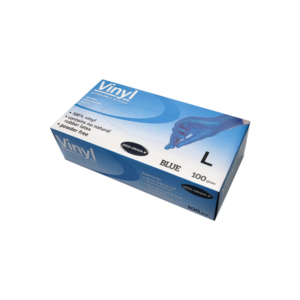
Vinyl Gloves
Vinyl gloves are manufactured from polyvinyl chloride (PVC).
They are generally economical and suitable for selected low-risk, short-duration activities.
However, they provide less elasticity and generally offer a looser fit than nitrile or latex alternatives.
They are not usually the preferred choice for demanding tasks requiring high dexterity or substantial chemical protection.
Which Material Should You Choose?
The correct material depends on the application.
| Requirement | Suitable consideration |
| Avoiding natural rubber latex | Nitrile |
| High tactile sensitivity | Latex or suitable nitrile |
| Automotive maintenance | Chemical-compatible nitrile |
| Low-risk short-duration tasks | Suitable vinyl or nitrile |
| Food preparation | Food-contact suitable nitrile or another approved material |
| Chemical handling | Gloves tested for the specific chemical |
Always assess workplace hazards before selecting protective gloves.
How to Choose the Right Disposable Nitrile Gloves
Choosing suitable gloves requires more than comparing prices.
The product should meet your workplace requirements while providing a comfortable fit.
When purchasing nitrile gloves disposable, consider these important factors.
1. Select the Correct Size
Proper sizing is essential for comfort and performance.
Common sizes include:
- Extra Small.
- Small.
- Medium.
- Large.
- Extra Large.
Gloves that are too tight may cause discomfort and increase the likelihood of tearing.
Oversized gloves can reduce dexterity and make handling small objects difficult.
Always consult the manufacturer’s sizing chart.
2. Consider Glove Thickness
Thickness can influence flexibility, tactile sensitivity, and resistance to certain forms of mechanical damage.
Thinner gloves may be suitable for precision tasks.
Thicker options may be preferred for selected industrial and maintenance activities.
However, thickness alone does not establish chemical protection.
3. Check Chemical Compatibility
If gloves will be used for chemical handling, review product-specific testing information.
Consider:
- Chemical type.
- Concentration.
- Exposure duration.
- Temperature.
- Permeation performance.
- Material degradation.
For hazardous substances, consult the relevant safety data sheet and a qualified safety professional.
4. Choose Powder-Free Options
Powder-free nitrile gloves are widely preferred in healthcare, food-related, and laboratory environments.
They reduce concerns associated with glove powder and unwanted residue.
5. Review Surface Texture
Textured fingertips or fully textured surfaces can improve grip.
Choose a design that suits the tools, instruments, and materials being handled.
6. Check Safety Standards
For medical applications, confirm that products meet applicable regulatory requirements.
In the United States, medical examination gloves are subject to FDA requirements.
ASTM D6319 is a recognised specification for nitrile examination gloves.
Industrial applications may require additional performance testing depending on the workplace hazards.
7. Compare Packaging and Shelf Life
Nitrile gloves are commonly supplied in dispenser boxes and bulk cartons.
Choose packaging according to daily consumption and available storage space.
Check the manufacturer’s expiry and storage recommendations before purchasing large quantities.
How to Use Disposable Nitrile Gloves Correctly
Correct handling is essential for maintaining the intended protective function.
Even high-quality gloves may fail when used incorrectly.
Inspect Before Use
Check for visible tears, holes, or manufacturing defects.
Do not use damaged gloves.
Clean and Dry Your Hands
Wash your hands before putting on gloves.
Dry them properly to support comfortable application.
Put Gloves on Carefully
Avoid pulling aggressively on the material.
Make sure the gloves fit properly around the fingers and palm.
Change Gloves Between Tasks
Replace gloves when contaminated, damaged, or when moving between activities where cross-contamination may occur.
Follow workplace procedures.
Remove Gloves Safely
Avoid touching contaminated outer surfaces with bare hands.
Use the recommended removal technique and dispose of used gloves appropriately.
Practise Hand Hygiene
Clean your hands after removing gloves.
Gloves do not replace handwashing or sanitising.
How to Store Disposable Nitrile Gloves
Proper storage helps maintain glove quality before use.
Businesses purchasing large quantities should establish suitable inventory procedures.
Keep Gloves in Original Packaging
Store unused gloves in their original packaging until required.
This helps protect them from dust and unnecessary handling.
Avoid Excessive Heat
Keep products away from heaters and other sources of excessive heat.
Follow the manufacturer’s recommended storage conditions.
Protect Against Direct Sunlight
Prolonged ultraviolet exposure may contribute to material deterioration.
Store gloves in a suitable shaded area.
Maintain Clean Storage Conditions
Keep gloves in a clean, dry environment.
Avoid storing them near chemicals that could damage the packaging or material.
Rotate Stock
Use older products first, provided they remain within the manufacturer’s stated shelf life and their packaging is intact.
This helps reduce unnecessary product waste.
Common Mistakes to Avoid When Buying Disposable Nitrile Gloves
Selecting unsuitable products can affect comfort, safety, and purchasing costs.
Avoid these common mistakes.
Choosing price over quality: Low-cost gloves may not meet the performance requirements of your workplace.
Ignoring sizing: Poorly fitting gloves can reduce dexterity and comfort.
Assuming all nitrile gloves are chemical-resistant: Protection depends on the exact chemical and product formulation.
Overlooking thickness: Different applications require different glove specifications.
Ignoring allergies: Nitrile is latex-free, but manufacturing additives may still cause reactions in some individuals.
Reusing disposable gloves: Single-use gloves should not be washed or reused.
Ignoring expiry information: Always follow manufacturer storage and shelf-life recommendations.
Failing to inspect products: Damaged gloves should never be used for protective tasks.
Frequently Asked Questions About Disposable Nitrile Gloves
1. What Are Disposable Nitrile Gloves Used For?
Disposable nitrile gloves are used in healthcare, laboratories, food preparation, cleaning, automotive maintenance, and industrial environments. They help reduce direct contact with selected contaminants and workplace substances.
2. Are Disposable Nitrile Gloves Latex-Free?
Yes. Nitrile gloves are manufactured from synthetic rubber and do not contain natural rubber latex proteins. They are commonly used as an alternative to natural rubber latex gloves.
3. Are Nitrile Gloves Better Than Latex Gloves?
Nitrile gloves provide a latex-free alternative and generally offer better puncture resistance than many comparable disposable gloves. Latex gloves provide excellent elasticity and tactile sensitivity. The right choice depends on the intended application.
4. Are Disposable Nitrile Gloves Waterproof?
Intact nitrile gloves provide a liquid barrier for suitable applications. However, protection depends on glove quality, thickness, condition, and exposure conditions.
5. Can Nitrile Gloves Be Used for Food Preparation?
Yes, certain nitrile gloves are suitable for food-contact applications. Always check product specifications and applicable food safety requirements before use.
6. Can Disposable Nitrile Gloves Protect Against Chemicals?
Some nitrile gloves offer resistance to many chemicals, oils, and greases. However, not every formulation protects against every substance. Check manufacturer permeation and degradation data before use.
7. What Is the Difference Between Medical and Industrial Nitrile Gloves?
Medical examination gloves are designed for healthcare applications and must meet relevant medical requirements. Industrial gloves are designed for selected workplace tasks and may have different thickness and performance specifications.
8. Are Black and Blue Nitrile Gloves Different?
The main difference is usually colour and presentation. Protective performance depends on material formulation, thickness, construction, and intended application rather than colour alone.
9. Can Disposable Nitrile Gloves Be Reused?
No. Disposable nitrile gloves are designed for single use. Replace them when damaged, contaminated, or when workplace procedures require changing.
10. What Sizes Are Available?
Common sizes include Extra Small, Small, Medium, Large, and Extra Large. Availability depends on the manufacturer and product design.
11. Can Nitrile Gloves Cause Allergic Reactions?
Although nitrile does not contain natural rubber latex proteins, some individuals may react to manufacturing additives. Anyone experiencing irritation or an allergic reaction should discontinue use and seek appropriate advice.
12. How Should Disposable Nitrile Gloves Be Stored?
Store them in their original packaging in a clean, dry location away from excessive heat and direct sunlight. Follow the manufacturer’s storage and expiry recommendations.
Choose the Right Disposable Nitrile Gloves for Your Workplace
Hand protection is an important part of maintaining workplace hygiene and reducing exposure to potentially harmful substances.
Nitrile gloves disposable offer a practical combination of flexibility, durability, and latex-free construction, making them suitable for many healthcare, laboratory, cleaning, food preparation, automotive, and industrial applications.
However, selecting the right product requires careful consideration of size, thickness, chemical compatibility, surface texture, and intended use.
Businesses should also establish clear procedures for glove inspection, replacement, storage, and disposal.
For medical and industrial applications, always check relevant standards and manufacturer specifications before purchasing.
By choosing suitable products and following correct handling procedures, workplaces can support better hand protection, improve hygiene practices, and maintain safer everyday operations.