Maintaining workplace hygiene and protecting clothing from spills, splashes, and contamination are important requirements across many industries. From food processing facilities and commercial kitchens to healthcare environments, cleaning services, and manufacturing operations, employees often need suitable protective clothing for everyday tasks.
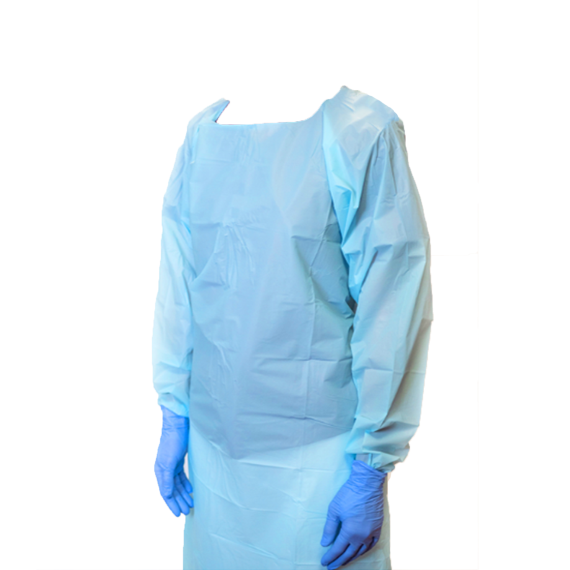
Disposable aprons Australia businesses use provide a convenient solution for workplaces that require practical, single-use clothing protection. These aprons are designed to help protect uniforms and personal clothing from liquids, food residue, dirt, and selected workplace materials.
Unlike reusable fabric aprons, disposable aprons can be replaced after use according to workplace hygiene procedures. They are available in different materials, colours, thicknesses, and designs to suit various operational requirements.
However, choosing the right disposable apron involves more than comparing prices. Businesses should consider material quality, thickness, fit, coverage, durability, and the type of exposure employees may encounter.
Whether you operate a restaurant, food manufacturing facility, medical practice, cleaning company, or hospitality business, selecting suitable disposable aprons can support workplace hygiene and operational efficiency.
This guide explores the different types of disposable aprons, their benefits, industry applications, and how Australian businesses can choose suitable products.
What Are Disposable Aprons?
Disposable aprons are single-use protective garments designed to cover the front of the body and help protect clothing from spills, splashes, dirt, and other materials.
They are commonly manufactured from lightweight plastic or non-woven materials, depending on their intended application.
Most disposable aprons feature a simple design with a neck opening and waist ties or straps that help secure the garment.
Common characteristics include:
- Lightweight construction.
- Convenient single-use design.
- Easy-to-wear format.
- Different material options.
- Various colours and thicknesses.
- Practical bulk packaging.
- Easy replacement between tasks.
Disposable aprons are commonly used in food preparation, healthcare support, cleaning, manufacturing, and other environments where clothing protection and hygiene are important.
Their suitability depends on the product specifications and workplace exposure risks.
Why Are Disposable Aprons Important?
Protective aprons help businesses maintain cleaner working environments and reduce contamination of employees’ clothing.
Using suitable disposable aprons offers several practical advantages.
Protect Clothing From Spills and Splashes
Employees working with food, liquids, cleaning materials, and other substances may regularly experience spills.
Disposable aprons provide a protective barrier over clothing during suitable activities.
This can help reduce the need to change uniforms frequently.
Support Workplace Hygiene
Disposable aprons can form part of a broader workplace hygiene programme.
Replacing aprons between tasks or when contaminated helps prevent the transfer of unwanted materials between working areas.
They are particularly useful in environments where cleanliness is important.
Convenient Single-Use Design
Disposable aprons are designed for convenient replacement.
Employees can use a fresh apron when starting a task and dispose of it according to workplace procedures.
This removes the need for routine laundering associated with reusable fabric aprons.
Improve Workplace Organisation
Businesses can store disposable aprons near changing rooms, hygiene stations, production areas, and staff entrances.
This makes protective clothing easier to access and distribute.
Practical for High-Volume Operations
Businesses with large workforces may require substantial quantities of protective clothing.
Disposable aprons are commonly available in bulk packaging, making them practical for regular commercial use.
Different Types of Disposable Aprons Available in Australia
Disposable aprons are available in different materials and designs.
Understanding these options helps businesses select products that match their operational needs.
Polyethylene Disposable Aprons
Polyethylene aprons are among the most common disposable apron options.
They are manufactured from lightweight plastic material and are generally designed to provide a barrier against water-based splashes and food residue.
Their common features include:
- Lightweight construction.
- Water-resistant material.
- Simple neck and waist fastening.
- Convenient single-use design.
- Different thickness options.
- Available in multiple colours.
These aprons are widely used in food preparation, catering, cleaning, and selected manufacturing activities.
The appropriate thickness depends on the expected exposure and product specifications.
Blue Disposable Aprons
Blue disposable aprons are commonly used in food processing and commercial kitchens.
The colour can make the apron easier to identify against many food ingredients and work surfaces.
Some facilities also use colour-coded protective clothing to distinguish departments or work areas.
Blue aprons may be available in different thicknesses and packaging quantities.
However, colour does not independently establish food safety suitability or protective performance.
White Disposable Aprons
White disposable aprons provide a simple, neutral appearance.
They are commonly used in food preparation, healthcare support, laboratories, and selected manufacturing environments.
Their light colour can make visible dirt and contamination easier to notice.
Choose a suitable material and thickness according to the intended application.
Heavy-Duty Disposable Aprons
Heavy-duty disposable aprons are manufactured using thicker materials than standard lightweight options.
They may provide greater resistance to tearing during demanding routine activities.
Common applications include:
- Food processing.
- Industrial cleaning.
- Commercial kitchens.
- Manufacturing.
- Selected maintenance activities.
However, a thicker apron does not automatically provide protection against hazardous chemicals or all types of liquid exposure.
Check the manufacturer’s specifications before selecting products for higher-risk tasks.
Disposable Non-Woven Aprons
Non-woven disposable aprons are made from synthetic fibres, commonly polypropylene.
They offer a fabric-like feel and may provide greater comfort for selected applications.
Their characteristics include:
- Lightweight construction.
- Soft material.
- Convenient single-use design.
- Breathable structure, depending on construction.
- Suitable coverage for selected activities.
They may be used in healthcare support, laboratories, hospitality, and manufacturing.
Non-woven aprons are not automatically waterproof or fluid-resistant. Review product specifications before use.
Common Uses of Disposable Aprons Across Different Industries
Disposable aprons are used across industries where clothing protection and workplace hygiene are important.
The selected product should match the activity and exposure risks.
Food Processing and Manufacturing
Food processing facilities require suitable protective clothing throughout preparation, production, and packaging.
Employees may handle ingredients, prepare products, operate machinery, and package finished goods.
Disposable aprons help protect clothing from food residue and selected splashes.
Common applications include:
- Meat processing.
- Seafood preparation.
- Dairy production.
- Bakery manufacturing.
- Ready-to-eat food preparation.
- Food packaging.
Businesses should select products suitable for their food handling environment and follow applicable Australian food safety requirements.
Commercial Kitchens and Restaurants
Restaurants, cafes, catering businesses, and hotels regularly handle ingredients, liquids, and cleaning materials.
Disposable aprons provide convenient clothing protection during selected food preparation and cleaning activities.
They are particularly useful in busy kitchens where employees may need to change protective clothing frequently.
Choosing lightweight and appropriately sized aprons can improve comfort during working hours.
Healthcare Facilities
Healthcare facilities may use disposable aprons during activities involving potential contamination of clothing.
They can form part of personal protective equipment procedures in selected clinical and support environments.
Common applications may include:
- General patient care activities.
- Cleaning and housekeeping.
- Selected examination procedures.
- Support services.
- Waste handling.
Disposable aprons should not automatically be considered substitutes for isolation gowns or specialised protective clothing.
Healthcare workers should follow facility procedures and select products according to the exposure risk.
Cleaning and Janitorial Services
Cleaning professionals may come into contact with water, dirt, cleaning materials, and other substances.
Suitable disposable aprons can help protect clothing during selected routine cleaning activities.
Common applications include:
- General housekeeping.
- Surface cleaning.
- Kitchen cleaning.
- Washroom maintenance.
- Waste handling.
- Selected janitorial tasks.
Where hazardous chemicals are involved, businesses must check chemical compatibility and use appropriate protective clothing.
Laboratories and Research Facilities
Laboratories may require disposable protective clothing when employees handle materials that could contaminate personal clothing.
Aprons can be used alongside gloves, masks, eye protection, and other required equipment.
The appropriate material depends on the substances involved and laboratory safety procedures.
Manufacturing and Packaging
Manufacturing businesses may use disposable aprons during product handling, packaging, and selected production activities.
They can help maintain cleaner uniforms and support workplace hygiene procedures.
Different departments may require different apron materials and thicknesses depending on their operations.
Benefits of Using Disposable Aprons
Disposable aprons offer several practical benefits for businesses and employees.
Convenient Replacement
Disposable aprons can be replaced after use according to workplace procedures.
This is useful in environments where protective clothing may become contaminated during a shift.
Lightweight and Easy to Wear
Many disposable aprons use lightweight materials that are easy to put on and remove.
This makes them convenient for employees who need temporary clothing protection.
Support Hygiene Procedures
Using fresh protective clothing when required can help reduce the transfer of contaminants between tasks.
Disposable aprons work alongside hand hygiene, cleaning procedures, and other PPE.
Reduce Laundry Requirements
Unlike reusable fabric aprons, disposable options do not require routine laundering.
This can simplify clothing management in workplaces with frequent apron replacement.
Suitable for Bulk Purchasing
Disposable aprons are commonly available in bulk packs and cartons.
Businesses can purchase quantities according to employee numbers and expected usage.
Different Material Options
Polyethylene and non-woven aprons offer different characteristics.
This gives businesses flexibility when selecting products for specific applications.
How to Choose the Right Disposable Aprons in Australia
Choosing suitable disposable aprons requires careful consideration of workplace activities and product specifications.
Consider the Material
Material selection influences flexibility, comfort, and resistance to liquids.
Polyethylene aprons are commonly used for selected splash protection and food handling activities.
Non-woven aprons may be preferred where a softer, fabric-like feel is required.
Choose according to the intended application.
Check Apron Thickness
Thickness can influence tear resistance and durability.
Thicker polyethylene aprons may be suitable for activities involving more demanding routine handling.
However, thickness alone does not establish chemical or fluid protection.
Select the Correct Size
A suitable apron should provide adequate front coverage without restricting movement.
Consider employee height, body size, and the type of work performed.
Evaluate Fastening Design
Most disposable aprons use neck openings and waist ties.
Check that the design is easy to wear and provides a secure fit.
Consider Liquid Resistance
Some disposable aprons provide resistance to water-based splashes.
However, different materials offer different protection levels.
Review product specifications when aprons will be used around liquids, cleaning products, or other substances.
Review Product Quality
Before purchasing, check:
- Material composition.
- Thickness.
- Dimensions.
- Colour.
- Packaging quantity.
- Tear resistance.
- Manufacturer information.
- Intended application.
Request product samples where possible.
Verify Relevant Compliance Requirements
Businesses should check applicable Australian workplace safety and food handling requirements.
If aprons are intended for a regulated or higher-risk application, confirm that the product documentation supports its intended use.
Disposable Aprons vs Reusable Aprons
Both disposable and reusable aprons have practical applications.
The right option depends on workplace hygiene procedures, operating costs, and product requirements.
Disposable Aprons
Disposable aprons are designed for limited use and convenient replacement.
Their advantages include:
- No routine laundering.
- Easy distribution.
- Convenient storage.
- Suitable for selected hygiene-sensitive tasks.
- Practical bulk purchasing options.
They can be particularly useful where aprons need frequent replacement.
Reusable Aprons
Reusable aprons are designed for repeated use after suitable cleaning.
They may be manufactured from cotton, polyester, PVC, or other durable materials.
Their advantages include:
- Repeated use.
- Different material options.
- Potentially lower long-term replacement costs.
- Suitable for established laundering procedures.
However, businesses must consider washing requirements, cleaning costs, and replacement schedules.
Which Option Should Businesses Choose?
Disposable aprons may be more convenient for activities involving frequent contamination or apron replacement.
Reusable aprons may be suitable where cleaning facilities and established laundering procedures are available.
The decision should reflect the workplace risk assessment and operating requirements.
How to Buy Disposable Aprons in Bulk
Businesses that regularly use protective clothing can benefit from organised bulk purchasing.
Estimate Monthly Usage
Calculate how many aprons employees use during normal operations.
Consider employee numbers, shift patterns, working hours, and replacement frequency.
Compare Different Suppliers
Compare product specifications, pricing, packaging quantities, and delivery arrangements.
Do not select a product based only on its carton price.
Request Samples
Samples allow purchasing teams to evaluate material thickness, fit, coverage, and overall construction.
This can help avoid unsuitable large orders.
Check Minimum Order Quantities
Some suppliers offer different prices depending on purchasing volume.
Check minimum order requirements and delivery charges before placing an order.
Maintain Sufficient Stock
Establish minimum inventory levels and schedule replenishment before supplies become insufficient.
This helps prevent interruptions to daily operations.
How to Store Disposable Aprons Properly
Proper storage helps maintain product condition before use.
Follow the manufacturer’s storage recommendations.
Keep Products in Original Packaging
Original packaging helps protect unused aprons from dust, dirt, and unnecessary handling.
Keep packs closed until the products are needed.
Store in Clean, Dry Areas
Avoid areas exposed to excessive heat, moisture, direct sunlight, or potential contamination.
Organise Different Product Types
Store different apron materials, colours, and sizes separately where necessary.
This makes product distribution easier for employees.
Check Packaging Condition
Inspect packaging before use.
Do not distribute products that are visibly contaminated or damaged.
Common Mistakes to Avoid When Purchasing Disposable Aprons
Choosing unsuitable aprons can affect workplace comfort and protection.
Avoid these common mistakes.
Choosing Products Based Only on Price
Very inexpensive aprons may use materials that tear easily or provide insufficient coverage.
Compare product specifications before purchasing.
Ignoring Material Suitability
Not every disposable apron is suitable for liquids, chemicals, or higher-risk activities.
Select products according to the intended exposure.
Buying the Wrong Size
Aprons that are too small may not provide adequate coverage.
Check product dimensions before ordering.
Assuming All Aprons Are Waterproof
Some aprons provide water resistance, but performance varies.
Check manufacturer information rather than assuming every disposable apron provides the same protection.
Ordering Excessive Quantities
Large orders can create storage challenges and unnecessary waste.
Estimate usage before purchasing.
Overlooking Supplier Reliability
A supplier offering low prices may not always provide consistent stock availability.
Check delivery arrangements and product consistency before establishing regular orders.
Final Thoughts
Disposable aprons are a practical protective clothing option for businesses that require convenient, single-use coverage.
From food processing and commercial kitchens to healthcare, cleaning, and manufacturing, suitable aprons help protect clothing and support workplace hygiene procedures.
Choosing the right disposable aprons Australia suppliers and products requires careful consideration of material, thickness, size, liquid resistance, and intended application.
Businesses should also compare product quality, wholesale pricing, packaging, and supplier reliability before placing orders.
Whether you require lightweight polyethylene aprons for food preparation or non-woven options for selected hygiene applications, choosing suitable products helps maintain consistent workplace standards.
By purchasing appropriate aprons and following established replacement procedures, Australian businesses can manage protective clothing requirements more effectively.
Frequently Asked Questions
What are disposable aprons used for?
Disposable aprons are used to protect clothing from spills, splashes, food residue, dirt, and selected workplace materials. They are commonly used in food processing, healthcare support, hospitality, cleaning, and manufacturing.
What materials are disposable aprons made from?
Disposable aprons are commonly manufactured from polyethylene or non-woven polypropylene. Other materials may be available depending on the intended application and supplier.
Where can I buy disposable aprons in Australia?
You can purchase disposable aprons from PPE wholesalers, hospitality suppliers, medical supply distributors, and specialist hygiene product retailers. Compare product specifications, pricing, and delivery arrangements before ordering.
Are disposable aprons waterproof?
Many polyethylene disposable aprons provide resistance to water-based splashes. However, performance varies by material, thickness, and construction. Check the manufacturer’s specifications before use.
What is the difference between polyethylene and non-woven disposable aprons?
Polyethylene aprons are generally made from lightweight plastic and are commonly used for selected splash protection. Non-woven aprons have a fabric-like structure and may offer a softer feel. Their protective properties differ.
Are disposable aprons suitable for food handling?
Yes. Suitable disposable aprons are commonly used in food preparation and processing environments. Businesses should select products appropriate for their food safety procedures and applicable requirements.
Are blue disposable aprons better than white ones?
Neither colour is automatically better. Blue aprons may be easier to identify against certain food ingredients and surfaces, while white aprons provide a neutral appearance. Product suitability depends on material and specifications.
Can disposable aprons be used in healthcare?
Yes. Disposable aprons may be used for selected healthcare support activities where clothing protection is required. They should not automatically replace specialised isolation gowns or other protective clothing.
Are disposable aprons available in different sizes?
Yes. Suppliers offer different dimensions and designs. Check the manufacturer’s measurements to ensure sufficient coverage for employees.
Can disposable aprons protect against chemicals?
Not all disposable aprons provide chemical protection. Their suitability depends on material, chemical compatibility, concentration, and exposure conditions. Consult the relevant safety information before selecting protective clothing.
What is the difference between disposable and reusable aprons?
Disposable aprons are designed for limited use and convenient replacement. Reusable aprons are designed for repeated use after appropriate cleaning and maintenance.
Can businesses purchase disposable aprons wholesale?
Yes. Many Australian PPE and hygiene suppliers offer disposable aprons in bulk packs and cartons. Wholesale purchasing can help businesses maintain regular supplies.
How often should disposable aprons be replaced?
Replacement frequency depends on workplace procedures and product instructions. Aprons should be replaced when damaged, contaminated, or no longer suitable for the task.
How should disposable aprons be stored?
Store disposable aprons in their original packaging in a clean, dry location. Protect them from excessive heat, direct sunlight, moisture, and contamination.
Are disposable aprons environmentally friendly?
Most disposable aprons are made from plastic-based or synthetic materials. Their environmental impact depends on material composition, manufacturing, and disposal. Businesses should follow local waste management requirements and consider reusable alternatives where practical.
How do I choose a reliable disposable apron supplier in Australia?
Look for suppliers offering consistent product quality, clear material specifications, suitable sizes, competitive bulk pricing, and dependable delivery. Request samples and verify product suitability before placing large orders.