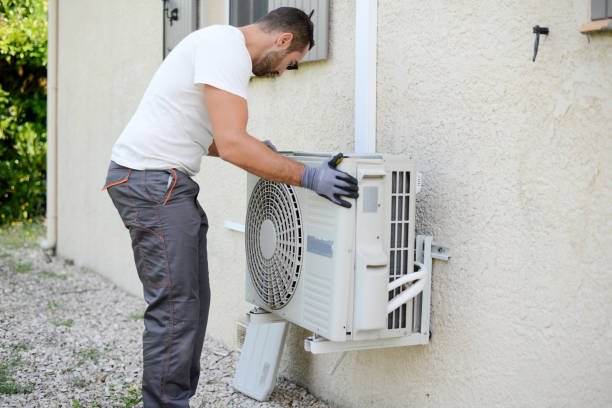
Buying a new air conditioner is not exactly the kind of home improvement people get excited about. There’s no fancy kitchen island to show off, no fresh bathroom tiles, nothing particularly glamorous. Still, a reliable cooling system can make a difference when it’s time to sell. If your old unit is noisy, inefficient, or always needing repairs, buyers notice. That’s where working with experienced ac installers in Fingal Head can make sense, especially if your current system has seen better days. But does a new AC actually add money to your home’s resale value? The answer is a little more complicated than a simple yes or no.
A New AC Can Make Your Home More Appealing
Think about it from a buyer’s side. They walk into a house and learn the air conditioner is only a couple of years old, runs quietly and keeps the rooms comfortable. That’s one less thing sitting on their future repair list. Compare that with a twenty-year-old system that makes strange noises every time it starts. Not hard to guess which home feels like the safer purchase. A new air conditioning system may not add its full purchase price to the selling price, but it can improve the overall impression of the property. And sometimes, that matters more than people expect.
Energy Efficiency Matters More Than It Used To
Power bills are a real concern for homeowners. Buyers know that too. Older AC units can use a surprising amount of electricity, particularly when they have been poorly maintained or are simply past their useful life. A modern system with better efficiency ratings can use less energy while still cooling the home properly. That becomes another selling point. You don’t necessarily need the most expensive air conditioner on the market, either. A properly sized, efficient system is usually a smarter investment than buying something oversized just because it has a longer list of features. Bigger isn’t automatically better. Sometimes it just costs more to run.
Installation Quality Can Affect the Value
This part gets overlooked. A new air conditioner is only as good as the installation behind it. If the system has been badly positioned, poorly connected or incorrectly sized, future owners could inherit headaches instead of benefits. Good installation also helps the equipment operate as intended, which can support efficiency and reduce unnecessary wear. When preparing a property for sale, having invoices, installation paperwork and service records can be useful too. It gives buyers something concrete to look at. They don’t have to take your word that the system was installed properly. There’s a paper trail.
Location and Climate Make a Difference
In warmer parts of Australia, air conditioning isn’t some optional luxury that gets used twice a year. It can be a major part of everyday comfort. That naturally makes a functional cooling system more important to prospective buyers. A house that stays comfortable through hot weather has an advantage over one where the AC struggles to keep up. Local climate also affects what kind of system makes sense. Coastal conditions, humidity, room layout and insulation all play a role. A good installer should look at the property itself rather than simply recommending whatever unit happens to be on sale that week.
Don’t Expect the AC to Pay for Itself
Here’s the blunt bit. Installing a new AC doesn’t guarantee you’ll recover every dollar when you sell. Home improvements rarely work that neatly. If you spend $8,000 on a new system, you shouldn’t assume your home’s value automatically rises by $8,000. The real benefit can be a mix of things: better buyer interest, fewer objections during negotiations, improved comfort and less chance of the AC becoming a bargaining chip. If an old system is clearly failing, replacing it before listing may prevent buyers from asking for a discount because they know they’ll have to deal with it after moving in.
Where Professional AC Installation Fits In
If you’re upgrading before a sale, professional air conditioning installation in Tweed Heads South can help you choose a system that suits the property rather than simply chasing the highest capacity. The installer can consider the size of the rooms, insulation, window placement and how the home is actually used. That’s important because an AC system that is too small may struggle, while one that’s too large can cycle on and off unnecessarily. Neither situation is ideal. Good installation is also about placement, drainage, airflow and making sure everything is set up correctly from day one.
Should You Upgrade Before Selling Your Home?
It depends on the condition of your current system and how soon you plan to sell. If the AC is working well, is reasonably efficient and has been maintained, replacing it purely to increase resale value may not make financial sense. You could be better off spending that money elsewhere. But if the system is old, unreliable or clearly struggling, an upgrade becomes easier to justify. You’re improving the home for yourself while you still live there, and you’re removing a potential problem for the next owner. That’s a better reason to do it than hoping for some magical dollar-for-dollar return.
Conclusion
So, does a new AC system increase your home’s resale value? It can, but usually in an indirect way. Buyers value comfort, efficiency and fewer immediate repair jobs, particularly in a warm climate. A modern system can make the property feel better cared for and may help during negotiations. Just don’t treat air conditioning as a guaranteed profit machine. Choose the right equipment, have it installed properly, keep the records and think about the condition of the rest of the home too. A new AC won’t fix a poor property, but when the house is already in good shape, it can be one more reason for a buyer to feel confident saying yes.