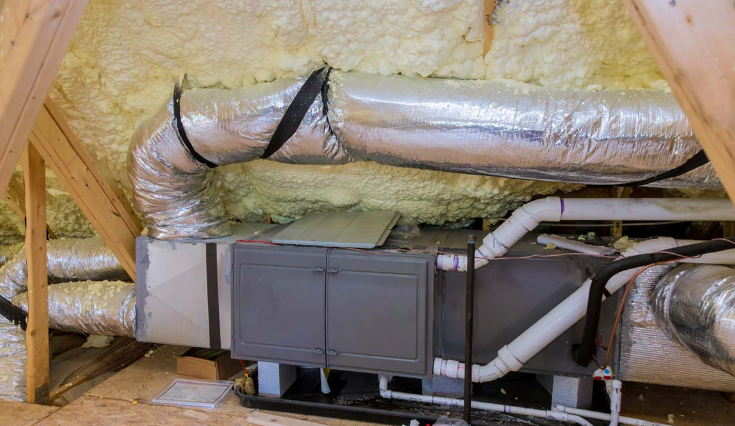
Ductwork repairs are professional services used to fix damaged, leaking, disconnected, or inefficient air duct systems. Air ducts distribute heated and cooled air throughout a property, and repairing damaged ductwork helps restore airflow, improve energy efficiency, and maintain indoor comfort.
Over time, ducts can develop problems caused by aging materials, poor installation, physical damage, or lack of maintenance. Common issues include air leaks, loose connections, damaged insulation, and restricted airflow.
Professional ductwork repairs identify the source of the problem and restore the duct system so your HVAC equipment can operate more efficiently.
Why Are Ductwork Repairs Important?
Your HVAC system depends on properly functioning ductwork to deliver conditioned air throughout your home or commercial building. Even a high-performance heating or cooling system may struggle if the duct system has leaks or damage.
Damaged ductwork can lead to:
- Uneven temperatures
- Reduced airflow
- Higher energy costs
- Poor indoor air quality
- Increased HVAC strain
- Uncomfortable living spaces
When air escapes through cracks or poorly connected sections, your HVAC system must work harder to maintain the desired temperature.
Professional ductwork repairs help improve system performance and prevent minor issues from becoming expensive problems.
Common Signs You Need Ductwork Repairs
Recognising duct problems early can help prevent larger HVAC issues.
Uneven Heating and Cooling
If some rooms feel too hot while others remain cold, damaged ductwork may be the cause.
Common reasons include:
- Air leaks
- Poor connections
- Blocked ducts
- Incorrect airflow distribution
Repairing damaged sections can help create more balanced temperatures throughout the property.
Weak Airflow From Vents
Reduced airflow is one of the most common signs of duct problems.
Possible causes include:
- Leaking ducts
- Collapsed sections
- Blockages
- Loose connections
A professional inspection can determine whether repairs are enough or if replacement is needed.
Increasing Energy Bills
Higher energy costs may indicate that your duct system is losing efficiency.
When ducts leak, conditioned air escapes before reaching rooms, forcing HVAC equipment to run longer.
Ductwork repairs can help:
- Reduce air loss
- Improve efficiency
- Lower unnecessary energy consumption
Excessive Dust Around Your Property
Damaged ducts can allow dust and contaminants to enter the air circulation system.
Signs include:
- More dust on furniture
- Dirty vents
- Poor indoor air quality
Repairing duct leaks can reduce unwanted air contamination.
Strange Sounds From Ducts
Unusual noises may indicate duct problems.
Common sounds include:
- Whistling
- Rattling
- Banging
- Air leakage noises
These issues may result from loose connections or damaged duct sections.
Visible Duct Damage
Visible problems may include:
- Cracks
- Holes
- Loose joints
- Damaged insulation
Visible damage should be addressed quickly to prevent further efficiency loss.
Common Types of Ductwork Repairs
Different duct problems require different repair methods.
Repairing Leaking Ducts
Air leaks are one of the most common duct issues.
Leaks can occur because of:
- Aging materials
- Poor installation
- Loose joints
- Physical damage
Professional repairs may involve:
- Sealing gaps
- Repairing damaged areas
- Strengthening connections
Proper sealing prevents conditioned air from escaping.
Duct Sealing
Duct sealing improves airflow efficiency by closing unwanted openings.
Professional sealing helps:
- Reduce air leakage
- Improve system performance
- Maintain indoor temperatures
Sealing is especially useful when ducts are structurally sound but have small leaks.
Fixing Damaged Insulation
Duct insulation helps maintain air temperature as air travels through the system.
Damaged insulation can cause:
- Energy loss
- Condensation
- Reduced efficiency
Repairing insulation improves system performance.
Reconnecting Detached Duct Sections
Duct sections can separate due to:
- Vibrations
- Poor installation
- Aging materials
Disconnected ducts reduce airflow and waste conditioned air.
Repairs involve reconnecting and securing sections properly.
Repairing Damaged Duct Joints
Duct joints are common areas where leaks develop.
Professional repairs may include:
- Tightening connections
- Applying sealants
- Reinforcing weak areas
Properly sealed joints improve overall efficiency.
Benefits of Professional Ductwork Repairs
Improved Energy Efficiency
One of the biggest advantages of duct repairs is improved HVAC efficiency.
When ducts are properly sealed:
- Less air is wasted
- HVAC systems operate more effectively
- Energy consumption may decrease
Better Indoor Comfort
Efficient ductwork distributes air more evenly.
Benefits include:
- Consistent temperatures
- Improved airflow
- Better comfort in every room
Improved Indoor Air Quality
Damaged ducts can allow dust, debris, and pollutants into your airflow.
Professional repairs help:
- Reduce air leaks
- Improve cleanliness
- Support healthier indoor environments
Reduced HVAC Stress
Leaking or damaged ducts force HVAC systems to work harder.
Repairing ductwork reduces strain on:
- Air conditioners
- Furnaces
- Heat pumps
This can help extend equipment lifespan.
Lower Maintenance Costs
Addressing duct problems early can prevent larger issues.
Benefits include:
- Fewer repairs
- Better system reliability
- Reduced operating problems
Residential Ductwork Repairs
Homes rely on efficient duct systems to maintain comfortable temperatures.
Residential ductwork repairs commonly address:
- Air leaks
- Poor airflow
- Damaged insulation
- Loose connections
- Noisy ducts
Homeowners often need duct repairs when:
- Energy bills increase
- Rooms have uneven temperatures
- HVAC performance decreases
- The system becomes noisy
Professional repairs help restore comfort without requiring a complete duct replacement.
Commercial Ductwork Repairs
Commercial buildings often have larger and more complex HVAC systems.
Commercial ductwork repairs are important for:
- Offices
- Retail spaces
- Warehouses
- Hotels
- Industrial buildings
Damaged commercial ducts can affect:
- Employee comfort
- Customer experience
- Energy expenses
- Building efficiency
Professional repair services help businesses maintain reliable HVAC performance.
How Do Ductwork Repairs Work?
Professional duct repair involves several important steps.
Step 1: Duct Inspection
The first step is identifying the source of the problem.
Technicians inspect:
- Visible duct sections
- Airflow performance
- Connections
- Insulation
- Potential leaks
The inspection determines the best repair method.
Step 2: Identifying the Problem
Professionals determine what is causing the duct issue.
Common causes include:
- Aging materials
- Poor installation
- Physical damage
- Lack of maintenance
Accurate diagnosis helps prevent repeated problems.
Step 3: Choosing the Repair Method
The repair approach depends on the type of damage.
Solutions may include:
- Leak sealing
- Joint repair
- Insulation repair
- Section reinforcement
Step 4: Testing After Repairs
After completing repairs, technicians check system performance.
They test:
- Airflow
- Temperature distribution
- Connection quality
- Leakage levels
Testing ensures the repairs have improved performance.
How Much Do Ductwork Repairs Cost?
The cost of duct repairs depends on several factors.
Common pricing factors include:
- Type of damage
- Size of duct system
- Accessibility
- Required materials
- Labour involved
Small repairs such as sealing minor leaks usually cost less than repairing extensive damage.
Factors That Affect Duct Repair Costs
Extent of Damage
Minor leaks require less work compared with major structural problems.
Location of Ductwork
Ducts hidden behind walls or ceilings may require more labour to access.
Duct Material
Different materials require different repair methods.
System Size
Larger HVAC systems generally require more time and resources.
Ductwork Repairs vs Duct Replacement
Many property owners wonder whether repairing or replacing ductwork is the better choice.
Repairs Are Suitable When:
- Damage is limited
- The duct system is relatively new
- Leaks are minor
- Structure remains strong
Replacement May Be Better When:
- Ducts are severely damaged
- Repairs are frequent
- Materials have deteriorated
- The system is outdated
A professional assessment helps determine the most cost-effective option.
Common Causes of Ductwork Damage
Understanding why ducts fail can help prevent future issues.
Poor Installation
Incorrect installation can lead to:
- Loose connections
- Air leaks
- Poor airflow
Aging Materials
Over time, duct materials may weaken due to regular use.
Physical Damage
Ducts can be damaged during:
- Renovations
- Construction work
- Maintenance activities
Lack of Maintenance
Poor maintenance can contribute to:
- Dust buildup
- Reduced airflow
- System inefficiency
How to Maintain Your Duct System
Proper maintenance reduces the need for frequent repairs.
Replace Air Filters Regularly
Clean filters support better airflow and reduce HVAC strain.
Schedule Professional Inspections
Regular inspections help identify small problems before they become serious.
Keep Vents Clear
Avoid blocking vents with:
- Furniture
- Storage items
- Decorations
Monitor Changes in Performance
Pay attention to:
- Reduced airflow
- Strange sounds
- Temperature changes
- Increased energy costs
How to Choose a Ductwork Repair Professional
Selecting the right contractor ensures quality results.
Check Experience
Look for professionals experienced in:
- Residential HVAC systems
- Commercial ductwork
- Leak detection
- Duct repairs
Review Customer Feedback
Reviews can provide information about:
- Service quality
- Reliability
- Workmanship
Ask About Repair Methods
A reliable contractor should explain:
- The cause of the problem
- Recommended repairs
- Expected results
Consider Quality Over Price
Choosing the cheapest option may not provide long-term value.
Quality repairs help ensure:
- Better performance
- Longer system life
- Fewer future issues
Conclusion
Ductwork repairs are an important part of maintaining an efficient HVAC system. Damaged, leaking, or poorly connected ducts can reduce comfort, increase energy costs, and affect indoor air quality.
Professional duct repair services help restore airflow, improve efficiency, and prevent small issues from becoming expensive problems.
Whether you own a home or manage a commercial property, addressing duct problems early can improve system performance and create a more comfortable indoor environment.
Regular inspections, proper maintenance, and professional repairs ensure your duct system continues operating efficiently for years.
FAQs About Ductwork Repairs
What are ductwork repairs?
Ductwork repairs involve fixing damaged, leaking, disconnected, or poorly insulated air ducts to improve HVAC airflow and efficiency.
How do I know if my ductwork needs repairs?
Common signs include weak airflow, uneven temperatures, higher energy bills, excessive dust, strange noises, and visible duct damage.
Can leaking ducts increase energy bills?
Yes, leaking ducts allow conditioned air to escape, causing HVAC systems to work harder and consume more energy.
How long do ductwork repairs take?
Repair time depends on the type and extent of damage. Minor repairs may be completed quickly, while larger repairs require more time.
Are ductwork repairs worth the cost?
Yes, repairing damaged ducts can improve comfort, energy efficiency, and indoor air quality while reducing HVAC strain.
Should I repair or replace my ductwork?
Minor problems can usually be repaired, but severely damaged or outdated duct systems may require replacement.
How often should ductwork be inspected?
Duct inspections are recommended when you notice airflow problems, rising energy costs, or during regular HVAC maintenance.
Can ductwork repairs improve air quality?
Yes, sealing leaks and repairing damaged ducts can help reduce dust and contaminants entering your air circulation system.