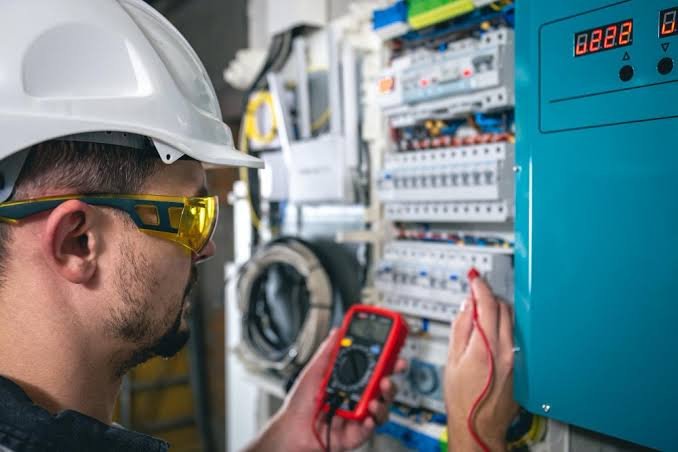
Electrical products can look surprisingly similar on a shelf. Two switches may have nearly identical appearances, two wall plates may seem interchangeable, or two electrical box covers may appear to serve the same purpose. Yet small differences in dimensions, ratings, connection types, wire compatibility, or configuration can determine whether a product is actually suitable for a particular application.
That is why choosing Electrical Fixtures should involve more than comparing appearance or price. Specifications give contractors, maintenance teams, retailers, and other buyers the information they need to distinguish between products that may look alike but are designed for different applications. Central Mexicana de Distribución’s electrical department covers a broad range of categories, including switches, receptacles, electrical boxes and covers, conduit, fittings, wire, connectors, lighting, timers, wall plates, and other electrical supplies.
Similar Products Are Not Necessarily Interchangeable
A common purchasing mistake is assuming that a product can replace another simply because it looks similar.
Consider electrical box covers. A square cover and a multi-gang rectangular cover may both serve as covers, but their dimensions and configurations are different. Central Mexicana currently lists Southwire covers in different models, including a 4-inch square steel cover and a 3-gang rectangular steel cover.
The visual difference may be obvious in those examples, but smaller differences can be much easier to overlook.
This is why the model number and specifications deserve attention before placing an order.
Model Numbers Can Prevent Costly Guesswork
For electrical products, a model number is more than an inventory reference.
It can identify the exact version of a product.
This becomes particularly useful when a project requires multiple similar items. Rather than describing something as “the blue terminal” or “the 4-inch cover,” a buyer can reference the manufacturer’s model number and verify the exact product.
Central Mexicana’s product listings provide information such as SKU, model number, UPC, brand, package dimensions, and other specifications.
Keeping this information in project records can also make future reordering easier.
Wire Size Is One Detail That Should Never Be Guessed
Electrical connectors and terminals can have specific wire-size ranges.
For example, Central Mexicana lists Gardner Bender terminals and disconnects designed for particular AWG ranges, including 16–14 AWG and 12–10 AWG products.
These products may look similar while serving different wire sizes.
That makes the specification more important than the color or general appearance of the item.
When purchasing terminals, connectors, or similar products, buyers should verify the applicable wire size and other manufacturer specifications rather than assuming that visually similar parts are interchangeable.
Electrical work should also follow applicable codes and manufacturer instructions, and qualified professionals should handle work requiring specialized electrical knowledge.
Dimensions Matter in More Places Than You Might Expect
Physical dimensions can influence whether an electrical product fits the intended installation.
This can apply to:
- Electrical boxes
- Box covers
- Wall plates
- Fixtures
- Conduit fittings
- Connectors
- Receptacles
- Switches
- Replacement parts
A small difference in dimensions may not be obvious until installation begins.
For this reason, measurements should be checked against the existing installation or project requirements before purchasing.
Central Mexicana’s product pages provide dimensional specifications for individual products, while also noting that some online descriptions are AI-generated and recommending that customers contact the store to confirm accurate measurements.
That is a useful reminder not to rely on a product title alone when an exact fit matters.
Create a Product Reference Before a Large Order
Large electrical purchases become easier to manage when the required products are documented before ordering.
A simple reference sheet can include:
| Product | Manufacturer | Model | Quantity | Key Specification |
|---|---|---|---|---|
| Switch | — | — | 20 | Application/type |
| Receptacle | — | — | 30 | Configuration/rating |
| Box cover | Southwire | Model number | 15 | Dimensions |
| Connector | — | — | 50 | Wire range |
| Wall plate | — | — | 25 | Configuration |
The exact fields will vary depending on the project.
The important point is to identify products by specifications rather than descriptions such as “standard switch” or “regular connector.”
This approach can reduce confusion when several similar products are being purchased at once.
Specifications Also Help With Reordering
The value of accurate product information does not end when installation is complete.
A building may need replacement parts months or years later. If the original model information has been documented, the next purchase can be based on the actual product rather than memory.
This can be particularly useful for:
- Property managers
- Maintenance departments
- Contractors
- Multi-location businesses
- Retailers
- Facility operators
A photograph can help identify an item, but a manufacturer and model number usually provide a much stronger reference point.
Think About Availability Before Finalizing the List
Product selection and procurement are closely connected.
A technically suitable product is not necessarily convenient if it is unavailable when the project needs it. Large jobs can be delayed when a small but necessary electrical item is missing.
Central Mexicana’s current electrical department includes thousands of products across multiple price ranges, with products available through regular inventory and special-order channels.
For larger orders, it can therefore be useful to identify important items early and determine whether they are readily available or need to be sourced from a vendor.
That is particularly relevant when one small component could hold up a larger installation.
Keep Substitutions Under Control
Sometimes the exact product originally specified is unavailable.
That does not mean any similar-looking alternative should automatically be substituted.
A replacement should be evaluated against the requirements of the original product. Depending on the application, this could involve dimensions, electrical characteristics, connection method, material, certification, or other specifications.
For professional projects, substitutions should be documented so that the final installation record accurately reflects what was actually used.
This can save confusion during future maintenance.
Retailers Also Benefit From Specification-Based Product Information
Specification accuracy is not only useful to the person installing an electrical product.
Retailers and distributors need clear product information so customers can distinguish between similar items.
A broad electrical assortment becomes much more useful when products are organized with meaningful details such as model numbers, wire ranges, dimensions, configurations, and manufacturer information.
For a distribution business serving retailers, wholesalers, regional chains, and other partners, that information can support more confident purchasing decisions. Central Mexicana describes its operation as a wholesale distribution business serving these types of customers across its product categories.
Don’t Let a Product Description Replace the Specification Sheet
Product descriptions are useful for understanding what an item is generally intended to do.
They should not always be treated as the final source for technical decisions.
When an exact measurement, compatibility requirement, or electrical specification matters, check the manufacturer’s documentation or confirm the information with the supplier.
This is especially important because Central Mexicana itself notes on product listings that some descriptions are AI-generated and recommends contacting the store for accurate measurements.
That extra verification step can be worthwhile when a mistake could result in a return, installation delay, or unsuitable product.
Better Electrical Purchasing Starts With Better Information
Buying electrical products becomes much easier when the process moves from visual comparison to specification-based selection.
Model numbers, dimensions, wire ranges, configurations, ratings, manufacturer information, and availability can all help distinguish the right product from something that merely looks similar. For larger projects, documenting those details also creates a useful reference for ordering, installation, and future maintenance.
Central Mexicana’s extensive electrical category includes everything from switches and receptacles to conduit, boxes, connectors, lighting, wall plates, wire, and specialized electrical supplies.
Ultimately, Electrical Fixtures should be selected according to what the project actually requires—not simply what looks close enough. A few minutes spent checking specifications before ordering can prevent much bigger problems once the products reach the job site.