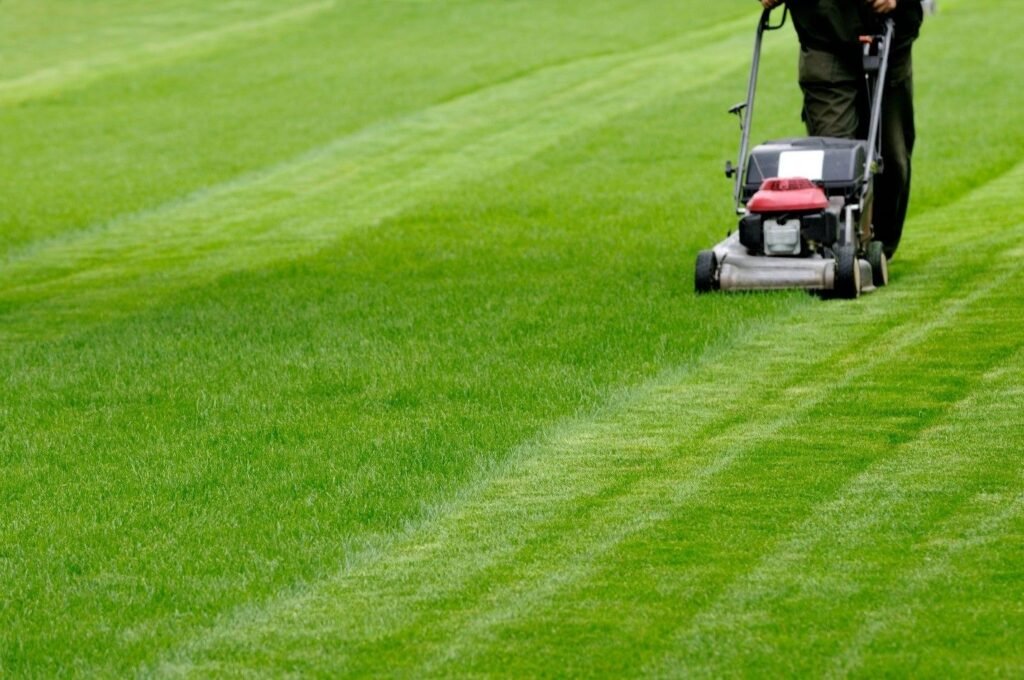
Lawn Mowing Service Weatherford TX
A lawn or garden can receive plenty of attention and still struggle if water is not reaching the right places. Too little water can leave plants stressed and soil dry, while too much can create standing water, muddy areas, root problems, and difficult working conditions. Good outdoor maintenance therefore involves more than choosing plants and keeping weeds under control. It also means understanding how water moves across the property.
That makes Lawn and Garden care partly a water-management challenge. Whether the goal is maintaining a residential yard, improving garden beds, or managing a larger property, simple improvements to watering and drainage can make outdoor areas easier to use and maintain. The right combination of hoses, watering equipment, soil-management products, edging, and general garden supplies can help property owners respond to different conditions instead of treating every area the same way.
Start by Watching Where Water Goes
Before changing anything, spend some time observing the property after watering or rainfall.
Look for areas where:
- Water collects for a long time
- Soil becomes noticeably muddy
- Certain plants remain wetter than others
- Grass develops thin or stressed patches
- Water runs away from planting beds
- Soil becomes hard and difficult to penetrate
- Paths or low areas repeatedly become saturated
These observations can reveal patterns that are easy to miss during normal outdoor work.
A low section of the yard, for example, may naturally collect runoff. A garden bed beside a building may receive less direct rainfall because of the roofline. Another area may dry quickly because it receives more sun or has different soil conditions.
Understanding those differences is more useful than simply increasing or decreasing watering across the entire property.
More Water Is Not Always Better
One of the easiest assumptions in lawn care is that plants will benefit from more water.
That is not necessarily the case.
Plants need water, but constantly saturated soil can create its own problems. Roots require access to air within the soil, and excessive moisture can reduce those spaces.
Overwatering can also waste resources without solving the underlying problem.
If one section of a yard looks dry, the answer may not be to water everything more frequently. The problem could involve compacted soil, uneven distribution, runoff, poor irrigation coverage, or differences in sunlight.
A targeted approach can therefore be more effective than simply increasing the amount of water used.
Improve How Water Reaches the Soil
The way water is delivered can make a significant difference.
A hose, watering wand, sprinkler, or other irrigation method may distribute water differently. The best choice depends on the size and layout of the area being maintained.
Small garden beds may benefit from controlled watering directed toward the soil around plants. Larger lawn areas may require broader coverage.
The objective is to avoid situations where water is concentrated in one place while another area receives very little.
Checking coverage periodically is useful, particularly after changing equipment or modifying the landscape.
Soil Can Change the Entire Equation
Water does not behave the same way in every type of soil.
Compacted soil can make it difficult for water to move downward. Instead, water may remain near the surface or run toward lower areas.
Organic matter and appropriate soil amendments can influence soil structure and its ability to hold and release moisture. However, amendments should be selected based on the actual condition of the soil rather than added automatically.
A simple soil test can provide useful information before making significant changes.
This is especially important in garden beds where different plants may have different soil requirements.
Garden Beds Can Benefit From Clear Boundaries
Water movement can also be influenced by the physical shape of a landscape.
Defined garden edges can help separate planting areas from lawns and pathways. Edging does not automatically solve drainage problems, but it can make it easier to manage the boundaries between different areas.
For example, a clearly defined bed can make watering more targeted and reduce accidental watering of surrounding lawn areas.
It also makes it easier to see where soil has shifted or where water repeatedly travels after heavy rain.
Watch for Runoff
Runoff is another sign that water may not be reaching its intended destination.
When water flows quickly across the surface instead of soaking into the soil, some of the water may be wasted. Runoff can also carry soil and organic material into lower areas.
Several factors can contribute to runoff, including slope, compacted soil, heavy watering, and the condition of the ground.
Rather than immediately changing the entire landscape, start by identifying where the runoff begins and where it ends.
That information can help determine whether the issue is related to watering practices, soil conditions, grading, or another property feature.
Don’t Ignore Standing Water
Standing water deserves attention, particularly when it appears repeatedly in the same location.
Occasional puddles after heavy rainfall may not indicate a serious problem. Persistent water, however, can affect grass, plants, pathways, and the usability of the surrounding area.
The solution depends on the cause.
A blocked drainage path is different from naturally low ground. Compacted soil is different from water flowing toward the property from another area.
If the issue involves significant drainage or water movement around a building, professional evaluation may be appropriate rather than trying to solve the problem with additional garden products alone.
Watering Tools Should Match the Area
Outdoor maintenance becomes easier when watering equipment matches the scale of the job.
A small planting bed does not necessarily need the same approach as a large lawn. A container garden has different requirements from a mature landscape.
Keeping a few appropriate watering options available can make it easier to respond to these differences.
The goal is not to accumulate every type of equipment. It is to have practical options for delivering water where it is needed without excessive waste or unnecessary effort.
Plants Can Help You Understand the Property
Plants themselves can provide useful clues.
If one section repeatedly struggles while another nearby area grows well, compare their conditions.
Look at:
- Soil moisture
- Sun exposure
- Drainage
- Soil texture
- Foot traffic
- Nearby structures
- Water distribution
These observations can reveal that what looks like a plant problem may actually be a site problem.
This approach can prevent unnecessary product use. Instead of immediately applying another treatment, determine whether the plant is responding to an environmental condition that can be corrected.
Water Management Can Reduce Unnecessary Work
Good water management is not about making the lawn and garden completely maintenance-free.
Outdoor spaces will always require attention.
The goal is to avoid creating additional work through poor watering practices. If water repeatedly collects in the same area, if a sprinkler misses part of the lawn, or if compacted soil prevents water from penetrating properly, the resulting problems can lead to more repairs and maintenance.
Addressing the underlying issue can make regular care more predictable.
Think About the Whole Outdoor Area
A lawn should not always be treated as an isolated section of property.
Water can move between lawns, planting beds, walkways, driveways, roofs, and other surfaces. A change in one area can sometimes affect another.
This is particularly important when making landscape changes. Adding soil, creating a new garden bed, changing an edge, or altering a surface can influence how water moves.
Taking a broader view before making changes can help avoid unintended drainage problems.
A More Efficient Approach to Lawn and Garden Care
Healthy outdoor spaces depend on many small decisions, and water management is one of the easiest to overlook. Watching how water behaves, adjusting watering methods, understanding soil conditions, and paying attention to runoff can provide valuable information before larger changes are made.
Instead of automatically watering more or applying another product whenever a problem appears, look for the reason behind the problem. Sometimes the most useful improvement is not a new treatment but a better understanding of how water interacts with the landscape.
For homeowners, property managers, and anyone responsible for outdoor maintenance, thoughtful Lawn and Garden care includes making sure water is delivered where it is useful and able to move away when it is not. A practical approach to watering and drainage can help reduce waste, protect planting areas, and make everyday outdoor maintenance more manageable.