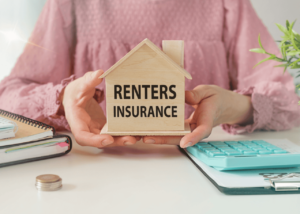
Renting a home in California comes with several responsibilities, including protecting personal belongings and preparing for unexpected financial losses. Whether someone lives in an apartment, condominium, or single-family rental property, understanding available insurance coverage is an important part of responsible renting. California renters insurance options provide different levels of financial protection for personal possessions, liability claims, and temporary living expenses. Choosing suitable coverage requires understanding policy features, exclusions, costs, and individual household needs. By exploring the available choices, renters can make informed decisions about protecting their belongings and managing potential risks.
Understanding the Basics of Renters Insurance
Renters insurance is designed to protect tenants against certain financial losses involving their personal property and legal responsibilities. Unlike homeowners insurance, it generally does not cover the physical structure of a rented building. That responsibility usually belongs to the property owner.
A landlord’s insurance policy typically protects the building, but it does not automatically cover a tenant’s furniture, clothing, electronics, or other personal possessions. Renters insurance helps address this coverage gap.
Most policies include personal property protection, personal liability coverage, and additional living expenses. Some also provide medical payments coverage for certain accidental injuries involving visitors.
Different California Renters Insurance Options to Consider
Renters have several coverage choices depending on their property, belongings, and financial circumstances. Understanding these options makes it easier to identify appropriate protection.
Personal Property Coverage
Personal property coverage helps pay to repair or replace eligible belongings following a covered event. Commonly protected possessions include:
- Furniture, mattresses, and household appliances
- Computers, televisions, and electronic equipment
- Clothing, shoes, and personal accessories
- Kitchen supplies and household decorations
- Books, bicycles, and recreational equipment
Coverage limits apply, and certain valuable items may have additional restrictions. Jewelry, collectibles, artwork, and specialized equipment might require separate coverage or policy endorsements.
Personal Liability Coverage
Liability protection may help cover eligible legal expenses and damages if a tenant is legally responsible for accidentally injuring another person or damaging someone else’s property.
For example, a visitor could experience an accidental injury inside a rental apartment. Depending on the circumstances and policy terms, liability coverage may help with associated financial responsibilities.
Additional Living Expenses
If a covered incident makes a rental property temporarily uninhabitable, additional living expenses coverage may help pay for necessary costs beyond normal household expenses.
These expenses can include temporary accommodation, increased meal costs, and certain relocation expenses. Policy limits and eligibility requirements determine how much assistance is available.
Understanding Replacement Cost and Actual Cash Value
One important consideration when comparing California renters insurance options is how an insurer calculates reimbursement for damaged or stolen belongings.
Actual Cash Value
Actual cash value coverage generally considers depreciation when determining the value of an item. For example, an older laptop may receive a lower reimbursement than its original purchase price because of age and usage.
Replacement Cost Coverage
Replacement cost coverage generally pays the amount needed to replace an eligible damaged or stolen item with a comparable new one, subject to policy limits and conditions.
Although replacement cost coverage may have a higher premium, it can reduce the financial difference between an item’s depreciated value and its current replacement cost.
Factors That Influence Renters Insurance Costs in California
Insurance premiums vary depending on individual circumstances and the characteristics of the rental property. Several factors can influence the amount tenants pay.
Coverage limits: Higher personal property and liability limits generally result in higher premiums because they increase the insurer’s potential financial responsibility.
Deductibles: Selecting a higher deductible may lower the premium, but renters must be prepared to pay more out of pocket when making an eligible claim.
Property location: Local crime statistics, wildfire exposure, building characteristics, and other risk factors may influence insurance pricing.
Safety features: Certain security systems, smoke detectors, and protective devices may qualify for discounts, depending on the insurer.
Comparing multiple quotes with similar coverage limits can help renters understand pricing differences without sacrificing important protection.
Special Coverage Considerations for California Residents
California has several environmental risks that renters should consider when reviewing their policies. Wildfires, earthquakes, and flooding can create significant property-related losses.
Standard renters insurance generally covers certain fire and smoke damage, but earthquake and flood damage are typically excluded. Separate insurance coverage may be available for these events.
Renters concerned about earthquake-related losses can explore specialized earthquake insurance that protects eligible personal belongings and additional living expenses. Flood insurance may also be available through the National Flood Insurance Program, subject to eligibility and policy conditions.
Understanding these exclusions is particularly important when evaluating California renters insurance options, because a standard policy may not address every potential risk.
How to Compare and Select Suitable Coverage
Selecting renters insurance involves more than choosing the policy with the lowest premium. Tenants should compare coverage details and understand how different policies respond to unexpected events.
Start by creating a household inventory that includes furniture, electronics, clothing, appliances, and other valuable possessions. Estimate the current replacement cost of these items to determine an appropriate personal property limit.
Next, review liability coverage, deductibles, additional living expense limits, and exclusions. Ask whether roommates are included or need separate policies. It is also helpful to understand the claims process and documentation requirements.
The California Department of Insurance provides consumer information that can help residents compare insurance policies and understand their coverage rights.
Common Mistakes to Avoid When Purchasing Renters Insurance
Some renters underestimate the total value of their belongings or assume that their landlord’s policy protects their personal possessions. Others overlook coverage exclusions and discover limitations only after experiencing a loss.
Avoid choosing coverage without reviewing the policy documents. Do not forget to account for smaller household items, which can collectively represent a substantial replacement expense.
Review your policy whenever you move, purchase expensive belongings, or experience significant changes in your living arrangements. Keeping photographs, receipts, and an updated inventory can also make the claims process more organized.
Conclusion
Choosing appropriate insurance requires understanding personal property protection, liability limits, deductibles, and exclusions. Comparing online general insurance options allows tenants to evaluate different coverage structures and identify policies that match their household needs. By reviewing available protections, considering local environmental risks, and maintaining accurate records of personal belongings, renters can make informed decisions and better prepare for unexpected financial challenges.