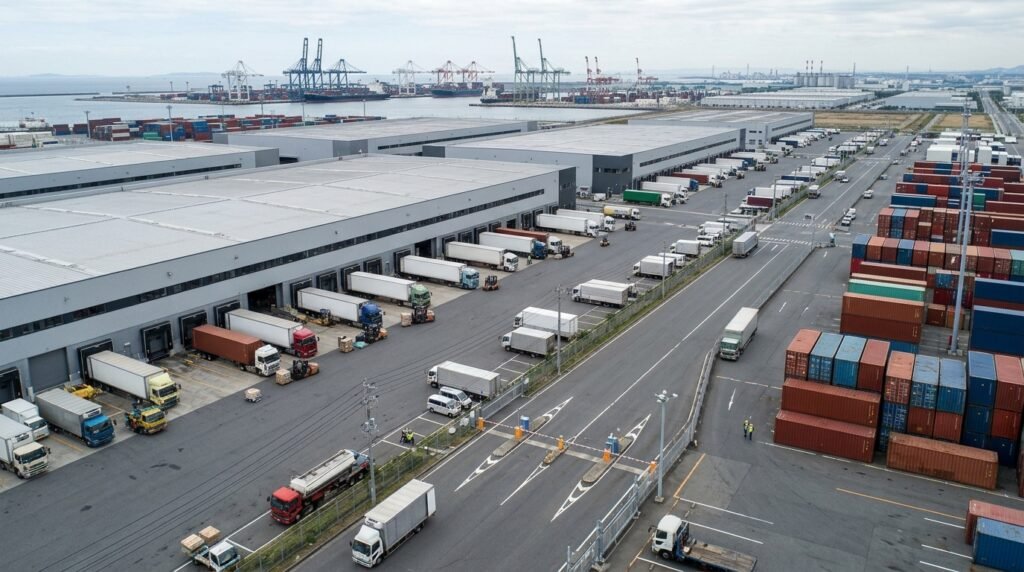
Managing inventory in a free zone requires careful planning, accurate records, and an understanding of commercial shipment requirements. Businesses that import, export, or distribute goods internationally need a reliable way to store products while managing customs procedures and shipment schedules. Free Zone Warehousing provides businesses with storage arrangements designed for international trade activities. However, choosing suitable storage space is only one part of the process. Companies must also consider inventory tracking, customs documentation, product handling, and outbound shipment coordination. A well-planned inventory system helps reduce operational confusion and keeps commercial shipments moving smoothly.
How Free Zone Warehousing Supports Commercial Inventory Planning
Free zone warehouses are storage facilities located within designated economic areas where specific customs and trade arrangements apply. Businesses can store imported goods before deciding whether to re-export them, transfer them to another market, or release them into the local economy under applicable customs procedures.
These facilities can support international distribution by separating storage activities from immediate customs clearance into the domestic market. The exact rules depend on the country, free zone authority, and type of goods involved.
Managing Imported Inventory
Imported inventory may arrive in different quantities, shipment batches, and delivery schedules. A structured receiving process helps businesses record product descriptions, quantities, shipment references, and arrival dates. These records make it easier to compare physical stock against shipping documents and identify discrepancies.
Supporting Export and Re-Export Activities
Businesses that distribute products across several countries may store goods before arranging their next shipment. Re-export planning involves checking destination requirements, preparing commercial documents, and coordinating transport schedules. Accurate inventory records help prevent incorrect quantities or product descriptions from appearing in export paperwork.
Handling Temporary Storage Requirements
Some goods need storage before their final destination is confirmed. Temporary storage arrangements can help importers manage changing orders, shipping delays, or seasonal demand. Businesses should confirm permitted storage periods and customs conditions before relying on this option.
Organizing Product Categories and Stock Locations
Different products may require separate storage areas. Fragile goods, packaged materials, electronics, and temperature-sensitive products can have different handling needs. Clear location labels and stock identification systems make it easier for warehouse teams to locate products and prepare accurate orders.
Inventory Planning Methods That Support Shipment Accuracy
Good inventory planning connects warehouse stock information with purchasing, sales, and transportation activities. Without reliable records, businesses may experience stock shortages, excess inventory, or shipment delays.
Several methods can support better inventory control:
- Stock classification: Group products by category, value, movement frequency, or handling requirements.
- Batch tracking: Record goods according to shipment batches, production dates, or lot numbers where applicable.
- Stock rotation: Use suitable rotation methods, such as first-in, first-out, when product characteristics require them.
- Reorder planning: Set stock thresholds based on expected demand and supplier lead times.
- Shipment scheduling: Match available inventory with confirmed orders and transportation arrangements.
A warehouse management system can bring these activities together. It may record incoming goods, storage locations, stock movements, order preparation, and dispatch information. For businesses handling large shipment volumes, digital inventory tracking can reduce manual recordkeeping and improve visibility.
Customs Documentation and Commercial Shipment Requirements
Inventory planning must also account for customs documentation. Goods stored in a designated free zone may remain subject to customs controls, even when they have not entered the domestic market.
Common documents and records may include:
- Commercial invoices
- Packing lists
- Bills of lading or air waybills
- Import declarations
- Export declarations
- Certificates of origin, where required
- Product permits or supporting certificates, when applicable
The documents required depend on the product, destination, origin, and applicable trade rules. Businesses should maintain consistent product descriptions and quantities across warehouse records and shipping documents.
Another important consideration is customs status. Goods intended for re-export may follow different procedures from goods released into the local market. Importers should confirm the correct declaration process with the relevant customs authority or a qualified customs professional.
Common Challenges in International Inventory Management
International inventory operations can become difficult when several suppliers, transport providers, and destinations are involved. Even small recordkeeping errors can affect shipment preparation.
Inaccurate Stock Records
Manual updates, missed stock movements, and incorrect receiving quantities can create differences between recorded and physical inventory. Regular stock counts and transaction checks help identify these problems.
Changing Shipment Schedules
Vessel delays, transport disruptions, and changes in customer orders can affect dispatch plans. Businesses should maintain updated shipment information and avoid relying entirely on outdated delivery estimates.
Limited Storage Visibility
When products are spread across multiple storage locations, warehouse teams may struggle to identify available stock. Digital location tracking and clear labeling can make stock retrieval more predictable.
Different Destination Requirements
Each destination may have its own import restrictions, labeling rules, documentation requirements, and product standards. Businesses should check these requirements before preparing outbound shipments.
Commercial Intent: Choosing Suitable Storage and Inventory Solutions
Businesses have different storage needs depending on shipment volume, product characteristics, and distribution schedules. Selecting an appropriate arrangement requires more than comparing available warehouse space. Companies should consider operational support, inventory visibility, customs procedures, and access to transportation.
Dedicated Warehouse Storage
Dedicated storage gives a business an assigned area for its products. This arrangement may suit companies with regular shipments, consistent stock levels, or specific handling requirements. It can provide greater control over product organization, although businesses must consider whether the space will remain useful during slower periods.
Shared Warehouse Storage
Shared storage allows multiple businesses to use the same warehouse facility. It may suit smaller importers, exporters, or companies with changing inventory levels. Storage areas and handling arrangements depend on the facility’s operating procedures. Businesses should check how products are separated, identified, and protected.
Third-Party Logistics Services
Third-party logistics providers may offer storage alongside receiving, picking, packing, inventory reporting, and dispatch coordination. These services can reduce the amount of warehouse administration handled internally. However, companies should review service responsibilities, reporting frequency, handling procedures, and contractual limitations before selecting a provider.
Integrated Warehouse Management Systems
A warehouse management system connects stock records with daily warehouse operations. Depending on its features, it may support barcode scanning, batch identification, order processing, and stock movement reports. Businesses with frequent commercial shipments may benefit from having warehouse information available in one system.
Comparing Different Warehouse Arrangements
The most suitable arrangement depends on how much control a business needs and how frequently its inventory moves.
| Storage Arrangement | Main Advantage | Important Consideration | Suitable For |
| Dedicated storage | Assigned space and greater control | Space utilization and ongoing commitments | Businesses with regular stock volumes |
| Shared storage | Flexible use of available space | Product separation and access arrangements | Smaller or variable inventory |
| Third-party logistics | Additional handling and dispatch support | Service terms and operational responsibilities | Businesses outsourcing warehouse tasks |
| Integrated warehouse system | Better stock visibility and reporting | Software costs and system integration | Businesses managing frequent transactions |
No single option works for every company. Some businesses combine dedicated storage with external logistics support, while others use shared facilities and digital inventory tools.
Planning Free Zone Storage for International Shipments
Effective planning starts with understanding how products move through the supply chain. Businesses should review expected arrivals, storage requirements, customer orders, and outbound transport schedules before choosing an arrangement.
For example, an importer receiving several shipments each month may need separate records for each arrival. If some products are intended for re-export while others are destined for the local market, their customs status and documentation should remain clearly identified.
A practical approach to free zone storage solutions includes the following steps:
- Estimate inventory requirements: Review expected shipment volumes, product quantities, and seasonal changes.
- Identify handling needs: Determine whether products require special packaging, temperature control, security, or restricted access.
- Set stock identification rules: Use consistent product codes, batch references, and storage location labels.
- Coordinate inbound shipments: Compare supplier documents with received quantities and record any differences.
- Prepare outbound orders: Confirm product availability, destination details, and required shipping documents before dispatch.
These steps support better inventory management and help businesses prepare for changing shipment requirements.
How to Evaluate Warehouse Costs and Operational Requirements
Storage decisions should consider the full range of operational responsibilities rather than the storage charge alone. Depending on the arrangement, commercial terms may cover receiving, handling, pallet storage, order preparation, labeling, inventory reporting, and dispatch.
Businesses should request clear information about what is included and what is charged separately. For example, a storage agreement may cover basic space but exclude special handling, repacking, or additional inventory services.
Other points worth reviewing include:
- Minimum storage commitments and billing periods.
- Procedures for damaged, missing, or incorrectly received goods.
- Access to inventory reports and transaction records.
- Responsibility for customs documentation and declarations.
- Security arrangements and insurance responsibilities.
- Procedures for urgent orders and unexpected shipment changes.
A useful comparison should also consider the time needed to access stock and prepare orders. A lower storage charge may not represent better overall value if additional handling requirements create operational delays.
Navigating Customs and Logistics Support
Selecting a suitable facility involves checking its permitted activities, customs arrangements, handling capabilities, and connection to relevant transport networks. Businesses should understand the difference between storing goods for re-export and releasing them into a domestic market.
When reviewing potential providers, ask how they manage customs records, stock reconciliation, shipment preparation, and communication about delays. It is also useful to understand who is responsible for submitting declarations and checking destination-specific requirements.
Companies planning how to manage inventory in a free zone warehouse should look for clear procedures covering receiving, storage, stock transfers, and dispatch. Questions about customs documentation for re-export goods should be addressed before shipments arrive, rather than waiting until the products are ready to leave.
The right arrangement should match the business’s actual shipment patterns. A company handling regular international orders may need different support from one storing goods temporarily before deciding their destination.
Conclusion
Commercial shipment planning depends on accurate inventory records, suitable storage arrangements, reliable documentation, and coordination between warehouse and transport activities. Businesses should assess product handling requirements, customs procedures, available storage options, and operational responsibilities before making a decision. Careful planning can reduce stock discrepancies and make international distribution easier to manage. The most effective approach is one that connects inventory information with real shipment requirements while allowing the business to respond to changes in supply and demand.
Frequently Asked Questions
1. What goods can businesses store in a free zone warehouse?
Permitted goods depend on local regulations and facility policies. Businesses should check product restrictions, licensing conditions, and any special handling requirements before arranging storage.
2. How does inventory tracking help with commercial shipments?
Accurate inventory tracking for commercial shipments helps businesses monitor available quantities, identify stock discrepancies, and prepare orders. It also supports better coordination between warehouse operations and international shipping schedules.
3. What should businesses consider when selecting storage space?
When choosing a free zone warehouse for import and export, businesses should review storage capacity, security, handling facilities, customs procedures, and access to transportation networks.
4. Can businesses use free zone facilities for temporary storage?
Yes, where permitted under the applicable rules. Free zone storage for international shipments can help businesses hold products before arranging re-export, distribution, or another approved movement.
5. Why is customs compliance important for warehouse inventory?
Customs compliance helps businesses maintain accurate declarations and follow applicable storage and movement requirements. Clear records and correct documentation can reduce administrative problems when goods enter or leave a designated area.