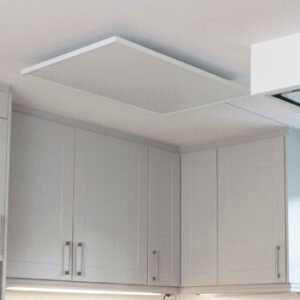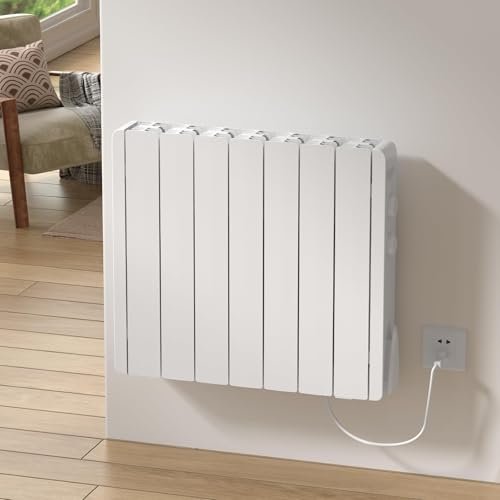
Electric panel heaters provide a practical and contemporary solution for maintaining comfortable indoor temperatures. These heating systems use modern technology to deliver consistent warmth while supporting efficient energy use across different residential settings. Their wall-mounted design helps conserve valuable floor space, making them suitable for homes with modern layouts and varied interior styles. Sleek construction allows the heaters to integrate naturally with contemporary décor without compromising functionality.
Unlike some traditional heating systems, electric panel heaters operate quietly while providing steady heat distribution. Features such as programmable controls can further improve convenience by allowing heating schedules to be adjusted according to household requirements. Their electric operation also avoids direct fossil-fuel combustion within the living space, supporting a cleaner and convenient approach to residential heating.
The Functionality of Electrical Panel Heaters
Panel heaters utilise a heating element that efficiently converts electrical energy into heat, which is then emitted into the surrounding space. These heaters are typically mounted on walls, allowing heat to radiate evenly throughout the room. Many models feature built-in thermostats that enable precise temperature control, maintaining steady warmth while avoiding energy wastage.
Advanced designs often incorporate features like timers or programmable settings, offering flexibility. Their direct heating method ensures rapid heating of the area, making them suitable for rooms of various sizes. Furthermore, the compact nature of these heaters ensures they do not occupy valuable floor space, making them particularly advantageous for modern, space-conscious interiors.
Their silent operation and adaptability enhance their functionality, creating a comfortable and efficient heating solution for both residential & professional environments.
Exploring Different Electrical Panel Heater Designs
Electrical panel heaters are available in several designs, with each type offering characteristics suited to different heating requirements. Convection models distribute warmth through the natural movement of heated air, while radiant heaters use infrared energy to warm nearby objects and surfaces directly. Some units include integrated fans to circulate heat more rapidly, which can be useful in larger or less insulated rooms.
Slimline models provide a practical option for compact spaces and minimalist interiors without sacrificing heating functionality. Advanced units may combine convection and radiant technologies to provide more versatile performance. Selecting a suitable design depends on considerations such as room dimensions, insulation, layout, and preferred comfort levels. Understanding these differences helps identify a heating option appropriate for particular indoor environments.
Installing Electrical Panel Heaters Correctly
Electrical panel heaters are generally designed for relatively simple wall installation, with many units supplied with mounting brackets and positioning instructions. Their lightweight construction can make handling and placement more manageable during the installation process.
Professional installation may be preferred to ensure electrical connections meet applicable requirements, while suitably qualified individuals may follow manufacturer instructions for installation where permitted. Adequate clearance around the heater is important for maintaining appropriate airflow and supporting safe operation.
Positioning the unit at a suitable wall height can also assist with effective heat distribution throughout the room. Following installation instructions, securing the heater correctly, and ensuring suitable electrical connections are essential for reliable and safe performance.
Understanding Electrical Panel Heater Costs
The price of electrical panel heaters can vary according to factors including size, heating technology, construction, and available features. Models incorporating smart controls, programmable functions, or energy-saving settings may involve a higher initial investment. However, efficient operation can help manage ongoing electricity consumption over the heater’s working life. Wall-mounted installation can also keep installation requirements relatively straightforward in suitable locations.
Low maintenance requirements may further contribute to long-term value. When comparing costs, durability, energy performance, and expected service life should also be considered rather than focusing solely on the purchase price. Models compatible with renewable electricity sources can provide another option for households seeking to combine practical heating with more sustainable energy use.
Understanding Safety Measures in Electrical Panel Heaters
Electrical panel heaters incorporate various safety features designed to support dependable operation. Overheat protection can automatically switch the heater off when internal temperatures reach unsafe levels, helping reduce the possibility of excessive heat buildup. Some models also include tilt or tip-over protection that disconnects the unit when it becomes displaced from its intended position. Child-lock functions may restrict unauthorised changes to controls, providing an additional safeguard in households with children.
Fire-resistant materials can further support safe operation by reducing potential risks associated with excessive heat. Regular inspections and compliance with installation and operating instructions remain important for maintaining these protections. Properly applied safety features contribute to the reliable use of panel heaters across suitable residential and commercial environments.
Advantages of Electric Wall Panel Heaters
Electric wall panel heaters offer an efficient way to provide indoor warmth while preserving valuable floor space. Their wall-mounted construction makes them suitable for bedrooms, studies, living areas, and other spaces where floor-mounted equipment may be inconvenient. Quiet operation can also support comfortable environments where reduced background noise is preferred. Consistent heat delivery and thermostatic controls allow temperature levels to be managed with greater precision.
Many models also incorporate energy-conscious features that can support more efficient operation. Their slim profiles and contemporary appearance allow them to complement different interior designs, while flexible mounting options provide suitability across various room layouts. These characteristics make electric wall panel heaters a practical option for modern residential and commercial heating requirements.
Energy Efficiency
Electrical panel heaters are engineered to optimise energy usage through advanced technology, ensuring effective warmth with minimal energy expenditure. Features such as thermostatic controls and programmable timers enable precise regulation of heating schedules, preventing unnecessary energy consumption.
Many models include eco-friendly modes designed to further reduce power usage without compromising performance. The rapid heating capability of these units ensures that rooms reach their desired temperatures quickly, reducing operating time and contributing to energy savings. Insulation and proper placement also play a role in maximising their efficiency by minimising heat loss.
By incorporating such energy-saving innovations, these heaters align with modern sustainability goals, offering an economical and environmentally considerate heating solution for various indoor environments.
Design and Aesthetics
Electrical panel heaters are thoughtfully designed to align with contemporary interior trends while ensuring functionality. Their slim profiles and compact forms make them ideal for spaces where minimalism is prioritised, seamlessly fitting into modern and traditional settings alike. The availability of various finishes, colours, and textures allows for integration with diverse decor styles. Some models feature innovative designs that enhance aesthetic appeal, such as mirrored surfaces or artistic elements.
The discreet appearance of these heaters ensures they do not overpower the visual balance of a room, while their wall-mounted installation maintains a clutter-free environment. Their aesthetic versatility and modern design make them suitable for a range of residential and professional spaces, combining practicality with visual harmony.
Enhancing Convenience through Modern Heater Controls
Electrical panel heaters are designed with user-friendly features that make everyday operation convenient and straightforward. Many models include accessible controls for adjusting temperature levels and heating settings, while digital displays can provide clear information about current temperatures and operating modes. Certain units also offer remote controls, allowing settings to be changed without directly accessing the heater.
Programmable functions can further support personalised heating schedules based on household routines and preferred comfort levels. Some advanced models integrate with smart home systems, enabling operation through mobile applications or compatible voice controls. These practical features combine intuitive operation with modern technology, making electrical panel heaters suitable for contemporary residential environments.
Maintaining Electrical Panel Heaters for Long-Term Performance
Regular maintenance can help electrical panel heaters operate efficiently and maintain reliable performance over their intended service life. Dust and debris should be removed from external surfaces and ventilation areas to help maintain unobstructed airflow. Routine visual checks can also identify signs of wear, loose connections, or damaged components that may require professional attention. Keeping the surrounding area clear can further support safe operation and help prevent excessive heat buildup.
Following manufacturer recommendations for servicing, inspections, and component replacement can contribute to continued reliability. Units with advanced controls and sensors should also be checked periodically to ensure these features continue functioning correctly. Consistent maintenance supports dependable heating performance while helping preserve the heater’s operational lifespan.
Integrating Panel Heaters with Contemporary Home Systems
Electrical panel heaters can complement modern household systems by integrating with programmable thermostats and smart home technologies. These connections can provide greater control over indoor temperatures while allowing heating schedules to be adjusted according to daily routines. Automated settings may also help manage energy consumption by reducing unnecessary heating when spaces are unoccupied.
When combined with existing heating systems, panel heaters can provide supplementary warmth in selected rooms or areas where additional temperature control is required. Their compatibility with contemporary home technologies allows them to function as flexible components within modern heating arrangements, supporting convenient operation and more controlled indoor comfort.
Conclusion
Electric panel heaters offer a practical, space-efficient heating option for modern Australian homes. Combining streamlined designs with effective performance, these units provide consistent warmth while occupying minimal floor space. Integrated safety features, flexible installation choices, and precise digital controls support convenient and reliable operation. Their energy-conscious performance and compatibility with smart home technologies can also complement sustainable household practices while helping manage heating costs. Selecting quality electrical panel heaters can provide dependable long-term performance, improved indoor comfort, and a contemporary heating solution for various residential spaces.
FAQs
How do Electric panel heaters efficiently warm indoor rooms?
Electric panel heaters use internal heating elements to convert electrical energy into heat. Many models draw cooler air through lower vents, warm it internally, and distribute heated air around the room through natural convection or radiant heating. Integrated thermostats monitor room temperature and can help prevent unnecessary operation, supporting consistent comfort and more controlled energy use.
Are electrical wall panel heaters costly to operate in Australia?
Operating costs depend on factors such as heater wattage, electricity prices, room insulation, and usage patterns. Features including programmable timers, energy-saving modes, and accurate thermostats can help control electricity consumption. Zoned heating can also reduce unnecessary energy use by allowing occupied rooms to be heated without operating heating systems throughout the entire property.
What safety features are included in modern electrical panel heaters?
Modern panel heaters can include safety features such as automatic thermal cut-off protection designed to reduce overheating risks. Some models also provide child-lock controls, heat-resistant casing, and suitable IP ratings for certain humid environments. Selecting a heater with safety features appropriate to its intended installation area supports dependable and responsible operation.
Can electrical panel heaters be installed without professional assistance?
Some plug-in, wall-mounted panel heaters include mounting brackets and installation templates that can support straightforward setup. However, heaters requiring direct connection to household electrical mains should be installed by a licensed electrician in accordance with applicable Australian electrical requirements. Professional installation helps ensure the electrical connection and mounting are completed safely.
How should the appropriate panel heater size be selected?
The suitable heater size depends on factors including room floor area, ceiling height, insulation quality, and local conditions. A commonly used starting estimate is around 100 watts of heating capacity per square metre for standard spaces, although actual requirements can vary. For example, a 15-square-metre bedroom may require approximately 1500 watts, subject to the room’s characteristics.
| Related Business Listings |
| Contact Directory |
| Local Business Profiles |