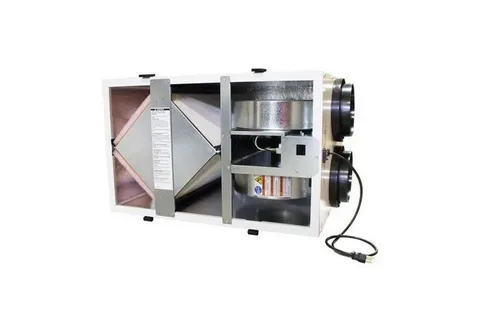
An energy recovery ventilator is an advanced ventilation system designed to optimise indoor air quality and energy efficiency. It works by exchanging stale indoor air with fresh outdoor air while conserving heat, ensuring minimal energy loss. By integrating a heat exchanger, this system transfers warmth from outgoing air to incoming air, maintaining comfortable indoor temperatures. Widely used in residential and commercial buildings, it supports sustainable practices by reducing energy consumption. Its ability to regulate airflow and improve air quality makes it a practical solution for modern ventilation needs.
Energy Efficiency and Heat Recovery Ventilators
Heat recovery ventilators enhance energy efficiency by recapturing heat from the outgoing stale air and transferring it to the incoming fresh air. This process reduces the energy demand for heating spaces, especially during colder months. By minimising heat loss, these systems contribute to lower energy consumption, aligning with modern energy-saving practices.
The design of heat recovery ventilators ensures that heating systems do not need to work as intensively, reducing energy costs over time. Their ability to optimise energy usage makes them particularly beneficial for airtight, insulated buildings where natural ventilation is limited.
In warmer climates, some systems also work effectively to pre-cool incoming air, supporting cooling efficiency. The consistent regulation of indoor temperatures not only saves energy but also maintains comfort, demonstrating their value in creating energy-efficient, environmentally sustainable environments without compromising functionality.
How Heat Recovery Ventilators Work
Heat recovery ventilators operate by transferring heat between outgoing and incoming air streams to maintain indoor comfort while conserving energy. Within the system, stale indoor air is extracted and directed through a heat exchanger, where thermal energy is transferred to the incoming fresh air. This process reduces heat loss and enhances energy efficiency.
Key components include fans that facilitate air movement, filters that improve air purity, and ducts that ensure proper air circulation. The heat exchanger, often constructed from advanced materials, is critical to transferring thermal energy effectively.
By continuously balancing airflow and temperature, heat recovery ventilators ensure consistent ventilation while supporting energy-saving practices. Their design is particularly suited to well-insulated, airtight buildings where natural airflow is minimal, contributing to both improved air quality and reduced energy demands for heating or cooling systems.
Installation Considerations for Heat Recovery Ventilators
Proper installation of a heat recovery ventilator requires attention to several key factors. The size and layout of the building must be carefully assessed to ensure the system can handle the required airflow effectively. Placement of the unit is critical, with areas such as basements, utility rooms, or lofts commonly chosen for accessibility and efficient duct routing. Insulated ductwork is often recommended to prevent heat loss during air transfer.
Compliance with local building codes and regulations is essential to guarantee safe and efficient operation. Professional installation is usually advised, as incorrect setup can impact performance and energy efficiency. Proper sealing of ducts and connections helps minimise energy wastage and ensures balanced airflow throughout the property. Additionally, ensuring the system is easily accessible for maintenance is vital for long-term functionality and performance.
Indoor Air Quality and Heat Recovery Ventilators
Heat recovery ventilators play a vital role in enhancing indoor air quality by facilitating the continuous exchange of indoor and outdoor air. This process helps to minimise the accumulation of indoor pollutants such as volatile organic compounds, dust, and allergens. By incorporating filtration systems, these ventilators contribute to the removal of particles that may affect respiratory health.
Additionally, they aid in managing indoor humidity levels, preventing excess moisture that can lead to mould growth or structural damage. The consistent circulation of fresh air also reduces odours, creating a more pleasant indoor environment.
In tightly sealed buildings, where natural ventilation is limited, heat recovery ventilators ensure a steady supply of fresh air without significant energy loss. This balance between air quality and energy conservation supports healthier and more comfortable living or working spaces for occupants.
Maintenance and Upkeep of Heat Recovery Ventilators
Regular servicing ensures the efficient functioning of heat recovery ventilators, maintaining both performance and energy savings. Filters require periodic cleaning or replacement to prevent blockages and maintain air quality. The heat exchanger should be inspected for dust or debris buildup, which can hinder heat transfer and reduce efficiency.
Fans and motors also benefit from routine checks to ensure proper operation and prevent wear over time. Ducts should be examined for leaks or obstructions that may disrupt airflow or compromise energy efficiency.
Electrical components and control systems should be assessed periodically to confirm they are operating correctly. Proper lubrication of moving parts can further extend the lifespan of the system. Scheduled maintenance not only supports the system’s functionality but also minimises the risk of unexpected repairs, helping to sustain optimal indoor air quality and energy conservation.
Comparing Energy Recovery Ventilator with Other Ventilation Systems
Heat recovery ventilators differ from other ventilation systems by their primary function of reclaiming heat from exhausted air to pre-condition incoming air. Unlike an energy recovery ventilator, which manage both heat and humidity, HRVs are designed to focus specifically on heat exchange. Traditional exhaust-only systems lack this capability, leading to significant energy losses.
Balanced ventilation systems provide fresh air but do not incorporate heat recovery, making HRVs more energy-efficient. This efficiency is particularly beneficial in climates with distinct heating needs. The integration of heat exchangers within HRVs ensures reduced strain on heating systems, lowering energy consumption compared to basic ventilation methods.
Moreover, HRVs contribute to maintaining consistent indoor temperatures, which standard systems cannot achieve. This makes HRVs particularly suitable for modern, airtight buildings where energy conservation and thermal comfort are prioritised over conventional ventilation approaches.
Environmental Benefits of Heat Recovery Ventilators
Heat recovery ventilators contribute to environmental sustainability by reducing the overall energy demand for heating and cooling. By capturing and reusing heat from outgoing air, these systems minimise energy waste and decrease reliance on non-renewable energy sources. This reduction in energy usage helps to lower greenhouse gas emissions, supporting efforts to mitigate climate change.
Furthermore, the integration of HRVs in energy-efficient building designs promotes resource conservation. Their ability to enhance indoor air quality while maintaining energy efficiency aligns with eco-friendly construction standards.
Cost Considerations for Heat Recovery Ventilators
The cost of a heat recovery ventilator encompasses both the initial purchase and installation expenses. While the upfront investment can be significant, it is offset by the long-term energy savings achieved through reduced heating and cooling requirements. Proper installation and maintenance contribute to sustained efficiency, ensuring consistent cost benefits over time.
Additionally, the integration of an HRV may increase a property’s overall value, particularly in energy-efficient buildings. Factors such as system size, building layout, and climate conditions can influence costs, making tailored selection essential.
The Role of HRVs in Modern Building Codes
Heat recovery ventilators play a significant role in meeting contemporary building codes that prioritise energy efficiency and environmental responsibility. As energy-saving measures become a key focus in construction, many regulations incorporate requirements for efficient ventilation systems like HRVs.
These systems are recognised for their ability to minimise energy consumption while maintaining indoor air quality, aligning with sustainability objectives. In regions with strict energy standards, HRVs are often mandatory in new builds to comply with performance benchmarks. Their inclusion supports the development of airtight, energy-efficient structures by addressing ventilation needs without compromising thermal efficiency.
Additionally, their integration aligns with initiatives promoting green certifications, which emphasise reduced carbon footprints and resource conservation. By meeting these regulatory demands, HRVs contribute to creating buildings that are both environmentally sustainable and compliant with modern construction standards.
Technological Advancements in Heat Recovery Ventilators
Modern heat recovery ventilators incorporate advanced technology to enhance efficiency and functionality. Smart control systems now enable automated adjustments to airflow and temperature based on real-time indoor conditions, optimising energy use. Sensors integrated into these systems can monitor air quality, ensuring ventilation adapts to varying environmental factors.
Innovative materials, such as high-performance heat exchangers, have improved thermal transfer capabilities, further reducing energy loss. Enhanced filtration systems also contribute to better indoor air quality by capturing finer particles.
Compact designs and modular components have simplified installation and maintenance processes, making them more accessible for various building types. Some models include noise reduction features, improving operation in residential or office environments. These advancements reflect the evolving demand for sustainable, energy-efficient solutions while ensuring modern buildings meet rigorous environmental and comfort standards.
Selecting the Right Heat Recovery Ventilator for Your Needs
Selecting an appropriate heat recovery ventilator involves assessing the building’s dimensions, insulation level, and ventilation demands. Systems with varying airflow capacities are available to suit different property sizes, ensuring optimal performance. Climate conditions also play a crucial role, as some HRVs include features tailored for colder or warmer regions.
Evaluating the heat exchanger’s efficiency and filtration capabilities can aid in improving indoor air quality. Additionally, ease of maintenance and compatibility with existing infrastructure should be considered to ensure long-term functionality and energy efficiency.
Conclusion
Heat recovery ventilators offer an advanced, energy-efficient solution for maintaining healthy indoor air quality while minimizing heating and cooling costs. By capturing thermal energy from outgoing stale air and transferring it to fresh incoming air, these systems optimize indoor comfort in airtight, well-insulated modern buildings. Integrating high-performance heat exchangers and filtration systems reduces indoor pollutants, controls excess moisture, and lowers overall carbon emissions. Investing in a properly sized and professionally installed heat recovery ventilator ensures compliance with modern building standards, delivers long-term financial savings, and fosters a sustainable, healthier living environment across Australia.
FAQs
What is a heat recovery ventilator and how does it function?
A heat recovery ventilator is an energy-efficient ventilation system designed to continuously exchange stale indoor air with fresh outdoor air. Utilizing an advanced heat exchanger core, it transfers thermal energy from outgoing exhaust air to incoming fresh air streams without mixing them, preserving indoor warmth while significantly lowering heating demands across Australia.
How do heat recovery ventilators improve indoor air quality?
Heat recovery ventilators enhance indoor air quality by continuously exhausting indoor pollutants, volatile organic compounds, allergens, and excess humidity. Simultaneously, integrated air filters trap airborne dust, pollen, and fine particles before fresh air enters the building, preventing mould growth and supporting healthier respiratory environments across Australia.
What is the main difference between an HRV and an ERV?
While both systems capture energy from exhaust air, a heat recovery ventilator focuses exclusively on transferring sensible heat between air streams. In contrast, an energy recovery ventilator transfers both heat and latent moisture. HRVs are particularly effective in colder climates or sealed homes requiring dedicated temperature preservation across Australia.
Are heat recovery ventilators difficult to maintain over time?
Maintaining a heat recovery ventilator requires straightforward, routine care to ensure optimal operational efficiency. Homeowners should inspect, clean, or replace air filters every few months to prevent airflow blockages. Additionally, periodically cleaning the heat exchanger core and checking ductwork for obstructions maintains system longevity and air purity across Australia.
Why are heat recovery ventilators increasingly required in modern building codes?
Modern building codes prioritize energy efficiency and structural airtightness to reduce greenhouse gas emissions. Because tightly sealed homes lack natural ventilation, heat recovery ventilators are essential for supplying fresh air without thermal loss, helping properties meet stringent energy rating benchmarks and sustainable construction standards across Australia.
| Related Business Listings |
| Contact Directory |
| Local Business Profiles |