Infrared-heat light provides a targeted method of transferring thermal energy across residential, commercial, and industrial environments. Instead of relying mainly on heated air to distribute warmth, it generates electromagnetic radiation that transfers thermal energy directly to surfaces and objects within its operating range. This direct approach can support efficient energy use while providing focused and consistent heating to designated areas. The ability to deliver heat through radiant energy also allows infrared technology to serve various applications, including therapeutic treatments, scientific research, and food preparation. With its distinctive method of thermal transfer, infrared heat light remains a useful option for modern heating applications where controlled, adaptable, and targeted warmth is required.
Direct Thermal Transfer from Infrared-Heat Light
Infrared-heat light produces infrared radiation, an invisible form of electromagnetic energy that is perceived as warmth. This radiation develops when energy is converted into infrared waves, allowing thermal energy to travel through space and reach surfaces and objects without first heating the surrounding air. Unlike conventional heating methods that depend heavily on warming the atmosphere, infrared-heat light directs radiant energy towards specific areas. Once the radiation reaches a surface, the material absorbs the energy, increasing molecular movement and producing heat.
This direct transfer method can provide rapid and relatively even warmth without the extended response time associated with air-based heating. It can also reduce some energy losses that occur when heat must first warm and circulate through an entire space. From residential heating applications to industrial processes, infrared-heat light can support controlled temperature management where concentrated thermal energy is beneficial. Its direct method of transferring heat distinguishes infrared technology from many traditional heating approaches.
Residential Comfort with Infrared-Heat Light
Infrared-heat light can provide a versatile option for residential heating through efficient operation and flexible installation. Rather than depending primarily on heated air, infrared systems transfer thermal energy directly to surfaces, furniture, and occupants within the targeted area. This can create a steady feeling of warmth and may be useful in rooms with high ceilings or spaces where draughts can reduce the effectiveness of conventional heating methods.
Infrared panels and heaters can be incorporated into different room layouts while generally requiring limited routine upkeep. Because heat is delivered directly to the intended area, the system does not necessarily need to spend extended periods warming the entire volume of air before occupants feel the effect. This can support more responsive temperature control and potentially assist with household energy management.
Quiet operation and limited air circulation can further contribute to indoor comfort. Surfaces and objects that absorb radiant energy can retain some of the transferred warmth, allowing the effects of heating to continue after operation stops. This retained heat can help maintain comfortable conditions and may reduce the need for continuous heating in certain residential settings.
Wellness Applications of Infrared-Heat Light
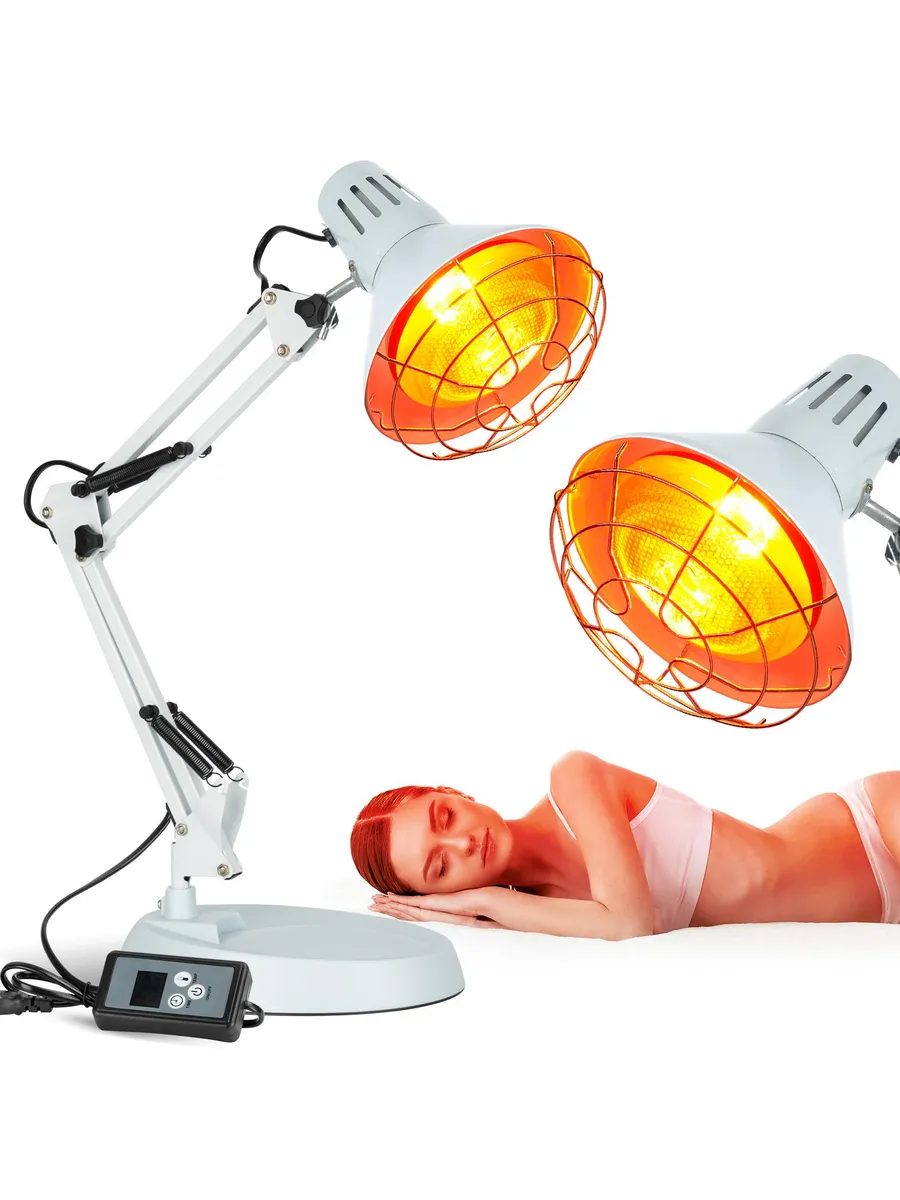
Infrared-heat light is used in some wellness and therapeutic settings where controlled radiant warmth can be directed towards selected areas of the body. Infrared energy can warm tissues beneath the skin and may encourage circulation within the targeted region. This controlled exposure to gentle heat can also promote physical relaxation and comfort as part of certain non-invasive wellness practices.
Infrared warmth may be used in settings focused on relieving sensations associated with muscle tightness, stiffness, or joint discomfort. Applying gentle heat can encourage muscles to relax and may support easier movement without invasive intervention. Some wellness environments also incorporate infrared-heat light into heat-based routines where controlled exposure encourages sweating and provides a relaxing experience.
Increased body warmth can stimulate perspiration and may contribute to a calming environment for some individuals. Heat exposure is sometimes included in relaxation and stress-management routines, although individual responses to infrared warmth can differ. The ability to direct infrared-heat light towards specific body areas allows controlled thermal exposure to be incorporated into a range of wellness and therapeutic environments.
Industrial Processes Supported by Infrared-Heat Light
Infrared-heat light has become useful across numerous industrial processes by providing a precise and efficient method of delivering thermal energy. The technology is applied in areas such as drying, curing, and material processing, where controlled and consistent heat distribution is important for achieving reliable results.
Because infrared systems transfer heat directly to selected surfaces or materials, less energy may be lost compared with methods that primarily heat surrounding air. Manufacturing operations can use infrared-heat light for processes including adhesive bonding, plastic forming, and textile drying, helping shorten processing times while maintaining consistent output. Rapid temperature adjustment also allows production environments to respond efficiently to changing process requirements.
Infrared technology can further support energy-conscious manufacturing by reducing unnecessary energy consumption in suitable applications. Its flexibility extends to specialised operations such as sterilisation and surface treatment, where accurate heat delivery is important. Compact infrared equipment can also be incorporated into established production lines, providing a practical way for industrial facilities to improve process efficiency and optimise available workspace.
Efficient Food Preparation with Infrared Heat Light
Infrared heat light transfers thermal energy directly to food, providing a controlled method for achieving efficient and consistent cooking results. Infrared waves deliver heat across the surface of ingredients, supporting more uniform preparation and reducing areas of uneven cooking. Rapid energy absorption can also shorten heating times, allowing food to reach the required temperature more quickly. Controlled radiant heating may help retain moisture and natural flavours, contributing to desirable textures and more consistent results during food preparation.
Infrared-heat light is particularly suitable for grilling and roasting tasks where accurate and steady heat distribution is important. Instead of relying mainly on heated air to transfer thermal energy, infrared technology directs radiant heat towards the food itself. This can reduce unnecessary energy use and operating demands while supporting faster preparation. More direct heating can also minimise inconsistent cooking, making the technology useful in both household kitchens and professional food-service environments where efficiency and repeatable results are important.
Safe Operation of Infrared-Heat Light
Infrared-heat light can be used safely when suitable equipment is selected, operating instructions are followed, and regular maintenance is performed. Systems designed for specific applications can help reduce operational risks, while routine inspections can identify issues before they affect safe performance. Excessive exposure to high-intensity infrared radiation may cause skin discomfort or irritation, making appropriate exposure controls important when equipment produces concentrated heat.
Specialised and industrial installations may use protective barriers, screens, and other safeguards to limit unintended exposure. Directly viewing intense infrared sources from close range should also be avoided, particularly because prolonged exposure around the eyes may result in discomfort or injury. Adequate ventilation can be useful in enclosed environments where continuous infrared heating increases surrounding temperatures and may affect overall comfort.
Careful awareness of operating temperatures and avoiding contact with heated components can further improve handling safety. Infrared radiation is categorised as non-ionizing radiation, which distinguishes it from higher-energy radiation such as ultraviolet rays and X-rays. Understanding its classification, alongside appropriate operating practices, provides useful context for responsible use of infrared-heat light across different applications.
Using Infrared-Heat Light to Reduce Energy Waste
Infrared-heat light can contribute to energy efficiency by transferring thermal energy directly and limiting unnecessary heat dispersion. Instead of primarily warming the surrounding air, infrared technology focuses energy on selected surfaces and objects, allowing heat to reach areas where it is required. This targeted method can reduce energy requirements in suitable applications and may help lower emissions associated with less efficient heating technologies.
Many infrared systems are designed for extended service, which may reduce material waste by limiting how frequently equipment needs to be replaced. Certain systems also operate without direct combustion, avoiding emissions commonly associated with combustion-based heating methods. Applying infrared technology across residential, commercial, and industrial environments can therefore support more efficient energy use while contributing to broader sustainability objectives.
Greater control over thermal distribution also enables heat to be directed towards precise areas, with output adjusted according to particular requirements. Combining focused heat delivery with controllable operation can help minimise unnecessary energy consumption while providing practical environmental advantages across diverse applications.
Research Uses of Infrared-Heat Light
Infrared-heat light has valuable applications in scientific research because its interaction with different materials can reveal useful information without necessarily causing physical damage. In materials science, infrared-based methods can help assess thermal behaviour and observe structural changes under varying conditions. Infrared spectroscopy also supports chemical investigations by analysing the way infrared radiation is absorbed or reflected by specific substances.
Biological studies can incorporate infrared techniques to examine cellular functions and biological activity through approaches designed to minimise disruption to the subject. Environmental research can similarly use infrared sensing to identify temperature variations and atmospheric conditions, helping researchers monitor environmental changes across different regions.
Thermal imaging provides another research application by displaying heat patterns associated with ecosystems, wildlife, and surrounding environments. The accuracy and versatility of infrared-heat light allow detailed measurements to be collected across numerous scientific disciplines. Because many infrared techniques can operate without physically altering the subject, they can also support repeated observations while helping preserve the condition of materials and specimens under investigation.
Artwork Conservation Using Infrared-Heat Light
Infrared-heat light can assist art conservation through non-invasive methods that help examine historical artworks and delicate materials. Certain infrared wavelengths can pass through specific surface layers, allowing conservators to investigate underlying features without directly disturbing the visible artwork. This can reveal hidden drawings, previous alterations, and other details that may not be detectable through ordinary visual inspection.
Techniques such as infrared reflectography can expose preliminary sketches and concealed elements beneath painted surfaces. These findings can provide insight into an artist’s techniques, creative decisions, and the development of an individual artwork. Controlled infrared warmth can also be applied in selected conservation processes where fragile materials require gentle drying or carefully regulated heating. Targeted treatment can help minimise unnecessary exposure to heat and reduce the possibility of further deterioration.
Infrared technology may additionally support restoration activities by assisting with the examination and treatment of accumulated dirt, surface deposits, or aged coatings. Carefully controlled applications can help conservators work with sensitive materials while limiting potential damage to original surfaces. Through these uses, infrared-heat light contributes to the documentation, restoration, and long-term preservation of culturally significant artworks.
Conclusion
Infrared heat light technology provides a flexible method of delivering thermal energy across residential, commercial, industrial, and specialised environments. Rather than relying mainly on heated air, it transfers radiant energy towards selected surfaces, objects, and areas requiring warmth. Applications can include domestic heating, food preparation, manufacturing processes, therapeutic settings, and scientific equipment. Targeted energy transfer may also reduce unnecessary heat distribution in appropriate situations and encourage controlled energy use. Its broad functionality, direct heat delivery, and adaptable operation make infrared-heat light relevant to many modern heating and technological requirements.
FAQs
How does infrared heat light differ from traditional heating?
Traditional heating commonly warms surrounding air, whereas infrared heat light transfers radiant energy directly towards nearby surfaces, objects, and occupants. This approach can create more concentrated warmth and may suit environments where direct thermal delivery is more appropriate than heating the entire surrounding air volume.
Can infrared heat light be used for routine heating purposes?
Infrared heat light can support everyday heating applications when suitable equipment is selected and operated according to applicable safety guidance. Infrared radiation is non-ionizing, but powerful sources can generate substantial heat exposure. Appropriate positioning, operating practices, and equipment selection remain important for safe and effective use.
Why can infrared heat light support controlled energy use?
Infrared heat light transfers thermal energy towards defined surfaces and objects instead of focusing primarily on heating surrounding air. This direct method can limit unnecessary heat distribution in suitable settings and may allow required temperatures to be reached through more targeted energy delivery and controlled operation.
Is infrared heat light effective for outdoor heating?
Infrared heat light can be used for outdoor warmth because radiant energy reaches nearby people and surfaces directly without depending on maintaining heated air. This characteristic can be advantageous in exposed environments where wind and natural airflow may quickly carry conventional heated air away from the intended area.
What routine care do infrared heating systems require?
Infrared heating systems generally involve simple routine maintenance, such as cleaning accessible surfaces and checking equipment for visible wear or damage. Periodic inspections can help detect potential faults, preserve dependable operation, and confirm that the system continues functioning within its intended operating specifications.
| Related Business Listings |
| Contact Directory |
| Local Business Profiles |