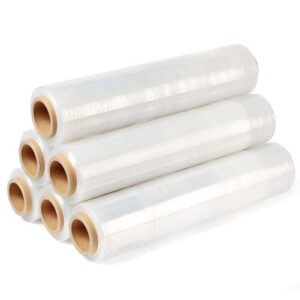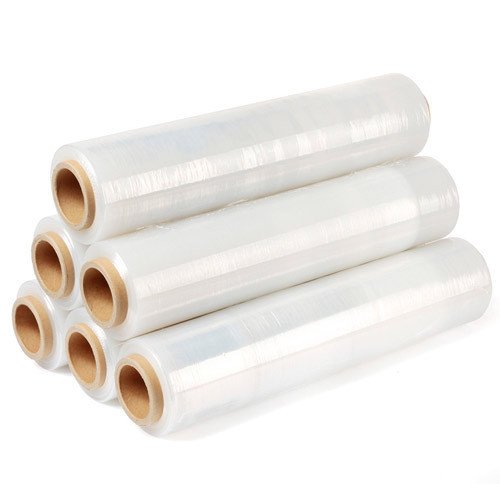
Efficient packaging and transportation are essential for businesses involved in manufacturing, warehousing, logistics, retail, and distribution. Products need reliable protection during storage and shipping to prevent damage, movement, dust exposure, and moisture-related issues. One of the most widely used packaging solutions for securing products is Stretch Wrapping Film.
Stretch wrapping film is a flexible plastic packaging material designed to tightly wrap around products, pallets, and containers. Its elastic properties allow it to stretch around items while creating a secure protective layer that keeps loads stable during handling and transportation.
Businesses across Australia and worldwide use stretch film because it is affordable, easy to apply, lightweight, and highly effective for securing different types of products. From small boxes in warehouses to large industrial pallets, stretch wrapping film provides a practical solution for improving packaging efficiency.
Choosing the right stretch wrapping film requires understanding different film types, thickness options, applications, and purchasing considerations. This guide explains everything businesses need to know about stretch wrapping film, including its benefits, uses, and how to select the best option for specific packaging requirements.
What Is Stretch Wrapping Film?
Stretch wrapping film is a thin, flexible plastic film commonly made from linear low-density polyethylene (LLDPE). It is designed to stretch when applied around products and then return slightly to its original shape, creating tension that securely holds items together.
The stretching ability of the film provides several packaging advantages:
- Keeps products stable during transport
- Prevents items from shifting
- Protects products from dust and moisture
- Improves pallet security
- Reduces packaging damage
Stretch film is commonly applied manually using a hand dispenser or automatically using stretch wrapping machines in large warehouses and manufacturing facilities.
How Does Stretch Wrapping Film Work?
Stretch wrapping film works by using elastic tension to secure products.
During application, the film is stretched around a load. As the film attempts to return to its original shape, it creates a tight holding force around the products.
The process typically involves:
- Products are arranged on a pallet or surface.
- Stretch film is wrapped around the items.
- The film is stretched to create tension.
- Multiple layers are applied for additional stability.
- The wrapped load is ready for storage or transportation.
This simple packaging method helps prevent movement and protects products throughout the supply chain.
Why Businesses Use Stretch Wrapping Film
Many industries rely on stretch wrapping film because it offers practical advantages compared with traditional packaging methods.
Improved Load Stability
One of the biggest benefits of stretch film is its ability to hold products securely together.
During transportation, pallets may experience:
- Vibrations
- Sudden movements
- Handling pressure
- Loading and unloading activity
Stretch wrapping film reduces product movement and helps keep loads stable.
Protection Against Dust and Moisture
Products stored in warehouses or transported over long distances may be exposed to environmental conditions.
Stretch film creates a protective barrier against:
- Dust
- Dirt
- Light moisture exposure
- External contaminants
This helps maintain product cleanliness during storage and delivery.
Cost-Effective Packaging Solution
Stretch wrapping film is an affordable packaging option for businesses of all sizes.
Compared with other packaging materials, stretch film requires less material while providing strong load protection.
Businesses can reduce packaging costs through:
- Efficient film usage
- Bulk purchasing
- Reduced product damage
- Faster wrapping processes
Easy Application
Stretch film is simple to apply and requires minimal training.
Small businesses can use hand rolls, while large operations can use automated wrapping machines for faster packaging.
Lightweight Packaging Material
Stretch film adds very little weight to shipments.
This helps businesses avoid unnecessary increases in transportation costs while still maintaining product protection.
Types of Stretch Wrapping Film
Different applications require different types of stretch film. Choosing the correct type improves packaging performance and efficiency.
Hand Stretch Film
Hand stretch film is designed for manual application.
It is commonly used by:
- Small warehouses
- Retail businesses
- Moving companies
- Small manufacturers
Benefits include:
- Easy handling
- Low equipment requirements
- Flexible usage
- Suitable for smaller loads
Hand stretch film is available in different thicknesses and roll sizes.
Machine Stretch Film
Machine stretch film is designed for automated packaging systems.
It is commonly used in:
- Large warehouses
- Distribution centres
- Manufacturing facilities
Advantages include:
- Faster wrapping speed
- Consistent application
- Reduced labour requirements
- Better film efficiency
Pre-Stretch Film
Pre-stretch film is stretched during manufacturing before reaching the user.
This reduces the effort required during application while maintaining strong holding power.
Benefits include:
- Lower physical effort
- Reduced material usage
- Improved wrapping consistency
Coloured Stretch Film
Coloured stretch film is used when businesses need product identification, security, or branding benefits.
Common uses include:
- Colour-coded inventory
- Product separation
- Load identification
- Improved security
Available colours may include:
- Black
- Blue
- White
- Green
Transparent Stretch Film
Transparent stretch film is the most common option because it allows easy product visibility.
Businesses can identify wrapped items without removing the packaging.
It is widely used for:
- Warehousing
- Shipping
- Retail distribution
Heavy Duty Stretch Film
Heavy duty stretch film is designed for larger or heavier loads.
It provides additional strength for products requiring extra support during transportation.
Common applications include:
- Industrial equipment
- Construction materials
- Large pallets
- Heavy manufacturing goods
Common Applications of Stretch Wrapping Film
Stretch film is used across multiple industries because of its versatility.
Warehousing and Logistics
Warehouses use stretch wrapping film to secure pallets before storage or shipment.
It helps:
- Organise inventory
- Improve handling safety
- Protect products during movement
Manufacturing Industry
Manufacturers use stretch film to package finished goods before distribution.
Applications include:
- Machinery parts
- Boxes
- Components
- Finished products
Food and Beverage Industry
Food companies use stretch wrapping film to secure packaged goods during transportation.
It helps maintain clean packaging conditions while improving pallet stability.
Retail Distribution
Retail businesses use stretch film to prepare products for delivery to stores.
It is commonly used for:
- Cartons
- Bulk shipments
- Stock transfers
Moving and Storage Services
Moving companies use stretch film to protect furniture and household items.
It helps secure:
- Drawers
- Doors
- Loose parts
- Furniture covers
Agriculture Industry
Agricultural businesses use stretch film for packaging and transporting various goods.
It helps protect products during storage and movement.
Important Factors When Choosing Stretch Wrapping Film
Selecting the right stretch film is important for achieving effective packaging results.
Film Thickness
Thickness affects strength and durability.
Thicker films are generally suitable for heavier loads, while thinner films may work well for lighter applications.
Common thickness considerations include:
- Light-duty packaging
- Standard pallet wrapping
- Heavy industrial loads
Stretch Ability
The stretching capability of the film affects packaging performance.
A high-quality stretch film should provide:
- Good elasticity
- Strong holding force
- Efficient material usage
Load Weight
The weight and shape of products determine the required film strength.
Heavy or unstable loads may require stronger film options.
Application Method
Businesses should choose film based on how it will be applied.
Manual operations usually require hand stretch film, while high-volume facilities may benefit from machine stretch film.
Environmental Conditions
Storage and transportation conditions should also be considered.
Businesses may require stronger protection if products are exposed to:
- Outdoor conditions
- Long-distance shipping
- Temperature changes
Benefits of Buying Stretch Wrapping Film in Bulk
Businesses that regularly use packaging materials often purchase stretch film in bulk.
Bulk purchasing provides several advantages.
Lower Packaging Costs
Buying larger quantities usually reduces the cost per roll.
This helps businesses manage packaging expenses more effectively.
Reliable Inventory Supply
Maintaining sufficient stretch film stock prevents packaging delays.
Businesses can continue operations without waiting for emergency deliveries.
Better Planning
Bulk purchasing allows companies to forecast packaging needs and manage inventory efficiently.
Suitable for High-Volume Operations
Industries with regular shipping requirements benefit significantly from wholesale stretch film supplies.
Stretch Wrapping Film vs Shrink Film
Many businesses compare stretch film and shrink film because both are used for product protection.
| Feature | Stretch Wrapping Film | Shrink Film |
| Application | Wrapped around products | Heated around products |
| Equipment | Hand or machine wrapping | Requires heat source |
| Main Purpose | Load stability | Product packaging |
| Flexibility | High | Lower |
| Common Use | Pallets and shipping | Retail product packaging |
Stretch film is generally preferred for securing pallet loads, while shrink film is often used for individual product packaging.
Proper Storage of Stretch Wrapping Film
Correct storage helps maintain film quality.
Businesses should store stretch film:
- In a cool, dry location
- Away from direct sunlight
- Protected from extreme temperatures
- In original packaging until use
Poor storage conditions may affect film performance.
Common Mistakes When Using Stretch Film
Using stretch film incorrectly can reduce packaging effectiveness.
Common mistakes include:
Using Incorrect Film Thickness
Light film may fail for heavy loads, while overly thick film may increase costs unnecessarily.
Applying Too Little Stretch
Insufficient tension may result in unstable loads.
Over-Wrapping Products
Using excessive film increases costs without always improving protection.
Choosing the Wrong Film Type
Different applications require different stretch film options.
Sustainable Considerations for Stretch Wrapping Film
Many businesses are looking for ways to reduce packaging waste.
Sustainable practices include:
- Using the correct amount of film
- Selecting thinner high-performance films
- Recycling used plastic where facilities are available
Efficient film usage helps reduce material waste while maintaining packaging performance.
Why Stretch Wrapping Film Is Essential for Modern Businesses
Reliable packaging is important for protecting products throughout the supply chain.
Stretch wrapping film provides businesses with a simple, efficient, and affordable method for securing products during storage and transportation.
Its flexibility, strength, and ease of use make it suitable for industries ranging from logistics and manufacturing to retail and agriculture.
By selecting the right stretch film type and purchasing from a reliable supplier, businesses can improve packaging efficiency and reduce operational costs.
Frequently Asked Questions About Stretch Wrapping Film
1. What is stretch wrapping film used for?
Stretch wrapping film is used to secure products, boxes, and pallets during storage and transportation. It helps prevent movement, protect items from dust, and improve load stability.
2. What material is stretch film made from?
Most stretch wrapping film is made from linear low-density polyethylene (LLDPE), a flexible plastic material known for strength and elasticity.
3. Is stretch wrapping film waterproof?
Stretch film provides protection against light moisture exposure and creates a barrier against water splashes, dust, and contaminants. However, it is not designed as a fully waterproof packaging solution.
4. What is the difference between hand stretch film and machine stretch film?
Hand stretch film is applied manually, while machine stretch film is designed for automated wrapping equipment used in high-volume operations.
5. Can stretch wrapping film be recycled?
Many types of stretch film can be recycled through appropriate plastic recycling programs. Businesses should follow local recycling guidelines.
6. How do I choose the right stretch film thickness?
The correct thickness depends on load weight, product shape, transportation conditions, and application method.
7. Where can businesses buy stretch wrapping film?
Businesses can purchase stretch wrapping film from packaging suppliers, industrial distributors, and wholesale packaging providers.
8. Why should companies buy stretch film in bulk?
Bulk purchasing reduces costs, improves supply reliability, and helps businesses maintain sufficient packaging inventory.
Conclusion
Stretch wrapping film is one of the most effective packaging solutions for businesses that need secure and reliable product protection. Its flexibility, strength, affordability, and ease of application make it suitable for warehouses, manufacturing facilities, logistics companies, retailers, and many other industries.
Understanding different stretch film types, thickness options, and application methods helps businesses choose the right packaging solution for their needs.
For companies looking to improve packaging efficiency, reduce costs, and protect products during transportation, investing in high-quality stretch wrapping film is a practical and valuable decision.