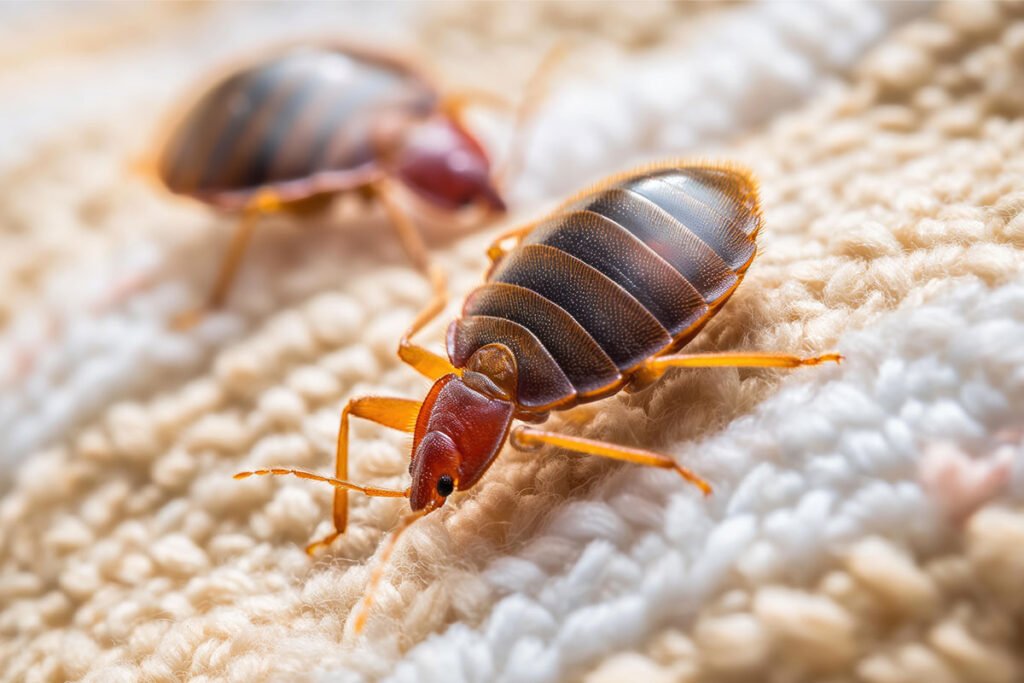
German Cockroach Control Sydney is essential for homes, apartments, restaurants, offices, and commercial kitchens dealing with persistent cockroach infestations. German cockroaches reproduce quickly, hide in small spaces, and often remain active even when a property looks clean. Without the right treatment, a small infestation can spread throughout a kitchen, bathroom, or neighbouring unit.
Unlike some outdoor cockroach species, German cockroaches prefer warm indoor environments close to food and moisture. Kitchens, cupboards, refrigerators, dishwashers, and other appliances provide ideal conditions for them to survive and reproduce. Their ability to hide in narrow gaps also makes them difficult to eliminate with ordinary household sprays.
The good news is that you can control German cockroaches with a targeted treatment plan, careful sanitation, and ongoing prevention. This guide explains how to identify German cockroaches, recognise the warning signs, understand professional pest control methods, and reduce the risk of another infestation.
Whether you manage a commercial property or want to protect your family home, understanding the right control methods will help you make informed decisions.
What Are German Cockroaches?
German cockroaches are small, light brown insects that commonly live and breed indoors. Adults usually measure around 13–16 mm long and have two dark parallel stripes behind the head. Although they have wings, they rarely fly and generally prefer running along surfaces or hiding in narrow spaces.
Their scientific name is Blattella germanica. This species has adapted particularly well to indoor environments, where food, water, warmth, and shelter remain available throughout the year.
German cockroaches often hide during the day and become more active after dark. You may notice them moving around kitchen benches, sinks, cupboards, and appliances when you switch on a light at night.
One major challenge is their reproductive capacity. A female can carry an egg case containing dozens of developing eggs, and several generations can develop in a relatively short period under favourable conditions. Consequently, a few visible cockroaches may indicate a much larger hidden population.
Professional German Cockroach Control Sydney services focus on identifying these hiding places and targeting the infestation at its source rather than simply killing the insects you can see.
Why German Cockroach Infestations Are Common in Sydney
Sydney properties provide several conditions that help German cockroaches survive indoors. Warm kitchens, food preparation areas, plumbing gaps, and shared walls can create suitable environments for these pests.
However, poor hygiene is not the only reason an infestation develops. Even a clean property can experience cockroach problems when insects arrive through deliveries, used appliances, cardboard packaging, luggage, or neighbouring units.
Warm and Humid Indoor Environments
German cockroaches prefer warm locations with access to moisture. Areas behind refrigerators, beneath sinks, and around dishwashers can provide the warmth and humidity they need.
Sydney’s climate can support pest activity, but indoor heating and appliances also allow German cockroaches to remain active throughout the year.
Easy Access to Food and Water
Small food crumbs, grease, uncovered rubbish, pet food, and leaking pipes can support a cockroach population. Even tiny amounts of food in difficult-to-reach spaces can help these insects survive.
Bathrooms and laundry areas may also provide water sources, particularly when pipes leak or condensation accumulates.
Shared Walls in Apartments
Apartment buildings present additional challenges because German cockroaches can move between neighbouring properties through service openings, pipe penetrations, and other structural gaps.
Treating one apartment may reduce the local population, but cockroaches can return if nearby infestations remain untreated. Building managers may need to coordinate inspections and treatments across affected units.
Commercial Kitchens and Food Businesses
Restaurants, cafés, takeaway shops, bakeries, and food storage facilities often contain everything German cockroaches need to thrive.
Frequent deliveries, food preparation, equipment heat, and limited access behind heavy appliances can make these environments particularly vulnerable. Businesses should respond quickly to sightings to protect hygiene standards and avoid operational disruption.
Signs You Need German Cockroach Control Sydney
Recognising an infestation early can make treatment easier and help prevent the population from spreading. German cockroaches are good at hiding, so you may notice indirect signs before you see large numbers of live insects.
Live Cockroaches in the Kitchen
Seeing a small cockroach run across a kitchen bench or cupboard can indicate an infestation. German cockroaches often hide near refrigerators, microwaves, dishwashers, ovens, and other warm appliances.
If you see several cockroaches during daylight hours, the population may be substantial or their hiding places may have become overcrowded. However, daytime sightings alone cannot determine the infestation’s size.
Cockroach Droppings
German cockroach droppings may look like small black specks, dark smears, or pepper-like particles. You might find them inside cupboards, along shelf edges, behind appliances, or around hinges and other narrow gaps.
These marks can help identify frequently used hiding places. Clean the affected area carefully and investigate nearby cracks, food storage areas, and moisture sources.
Egg Cases and Shed Skins
German cockroaches produce protective egg cases called oothecae. A female typically carries the egg case until shortly before the eggs hatch, making this species particularly effective at protecting developing offspring.
Empty egg cases, shed skins, and small juvenile cockroaches can indicate an established breeding population. Juveniles, also called nymphs, resemble smaller versions of adults but lack fully developed wings.
Unpleasant Odours
A large infestation may produce a persistent, musty smell. The odour can become more noticeable in enclosed cupboards, storage areas, or poorly ventilated kitchens.
Although smells alone cannot confirm German cockroaches, combining this warning sign with droppings, egg cases, or live sightings makes an inspection worthwhile.
How Professional German Cockroach Control Sydney Works
Effective cockroach control requires more than spraying visible insects. Professional pest controllers inspect the property, identify infestation hotspots, select appropriate treatments, and recommend practical changes that reduce the chance of reinfestation.
The exact process depends on the property type, infestation severity, access conditions, and the presence of children, pets, or sensitive equipment.
1. Inspection and Identification
The first step involves confirming the cockroach species and locating its hiding places. A technician may inspect kitchen cabinets, appliance motors, plumbing penetrations, wall gaps, storage areas, and other locations where cockroaches gather.
Identifying the species matters because different cockroaches require different control strategies. German cockroaches usually demand an indoor-focused approach that targets breeding and harbourage areas.
An inspection can also reveal contributing problems, such as leaking pipes, food residue, damaged seals, or gaps around services.
2. Targeted Gel Bait Treatment
Gel baits are commonly used for German cockroach infestations because technicians can place small amounts near cockroach activity and hiding places.
Cockroaches consume the bait and may transfer the effects through their population, depending on the product and circumstances. This approach can reach insects that remain hidden during the day.
Technicians should apply products according to their labels and keep bait away from food preparation surfaces, children, pets, and other unintended contact areas.
Successful baiting also depends on placement and competing food sources. If cockroaches have easy access to crumbs and grease, they may be less likely to feed on the bait.
3. Crack-and-Crevice Treatment
German cockroaches hide in extremely narrow spaces, including cabinet joints, appliance gaps, and openings around pipes.
A professional may use an appropriately registered product in suitable cracks and crevices, depending on the site and product label. The aim is to treat relevant harbourage areas while minimising unnecessary exposure.
Broad, indiscriminate spraying is not always the best approach. Treatment selection should consider where cockroaches live, how the area is used, and which methods are suitable for the property.
4. Monitoring and Follow-Up
A single visit may not resolve every infestation. Egg cases, hidden nymphs, inaccessible harbourage areas, or continued movement from neighbouring units can affect the outcome.
Monitoring traps can help technicians assess activity and determine whether further treatment is necessary. Depending on the infestation, a follow-up visit may be recommended.
If cockroach activity continues, the technician should review bait placement, sanitation, moisture, access points, and possible resistance rather than automatically repeating the same treatment.
For lasting German Cockroach Control Sydney, monitoring and follow-up help confirm whether the treatment plan is working.
DIY German Cockroach Treatment vs Professional Pest Control
Homeowners often try supermarket sprays, traps, and cleaning products before contacting a professional. These options can help with limited activity, but they may not address a breeding population hidden inside appliances and cupboards.
| Treatment method | Main benefit | Main limitation |
| Household aerosol sprays | Can kill cockroaches on contact | May miss hidden insects and breeding sites |
| Sticky monitoring traps | Help identify activity and hotspots | Usually cannot eliminate an established infestation alone |
| Consumer gel baits | Can target cockroaches that feed on bait | Results depend on correct placement and product suitability |
| Professional treatment | Combines inspection, targeted control, and monitoring | Requires appropriate access, preparation, and sometimes follow-up |
One common mistake involves spraying repellent insecticides near gel bait. Depending on the products, this can discourage cockroaches from approaching the bait or interfere with the treatment strategy.
Avoid combining products unless their labels and a qualified professional confirm that doing so is appropriate.
DIY methods may be reasonable for a small, isolated problem. However, persistent sightings, repeated activity after treatment, or cockroaches in several rooms justify a more thorough inspection.
How to Prepare Your Property for Cockroach Treatment
Preparation helps technicians access hiding places and can improve treatment effectiveness. Your pest control provider should give you instructions suited to the products and methods they plan to use.
Clean Kitchen Surfaces
Remove food residue, grease, crumbs, and spills from benches, cupboards, and floors. Pay attention to areas behind small appliances and beneath removable items.
Store food in sealed containers and remove rubbish regularly. Clean pet feeding areas and avoid leaving food out overnight where practical.
Clear Cupboards and Appliance Areas
Depending on the treatment plan, you may need to empty selected cupboards or move items away from walls. Ask your provider which areas require access rather than emptying the entire kitchen unnecessarily.
Do not move heavy appliances yourself if doing so could cause injury or damage plumbing and electrical connections.
Address Water Sources
Repair leaking taps, pipes, and other moisture problems where possible. Dry wet surfaces and avoid leaving standing water in sinks overnight.
Reducing moisture will not eliminate an established infestation on its own, but it removes one of the resources cockroaches need to survive.
Follow Safety Instructions
Read and follow all preparation and re-entry instructions supplied by the pest control provider. Keep children and pets away from treated areas for the period specified by the product label and technician.
Do not wipe, wash, or remove gel bait and other treatments unless instructed. Doing so may reduce their effectiveness.
Health and Hygiene Risks Associated With German Cockroaches
German cockroaches are more than an unpleasant sight. Their presence can create hygiene concerns, particularly in kitchens, food businesses, and properties where infestations remain uncontrolled.
Cockroaches can move through rubbish, drains, contaminated surfaces, and food storage areas before travelling across benches or utensils. They may transfer microorganisms mechanically, although the actual health risk depends on the environment and level of contamination.
Food Contamination
Cockroaches can contaminate food packaging, preparation surfaces, utensils, and stored ingredients. Businesses that handle food should respond promptly to sightings and maintain appropriate pest management records.
Discard food that has been exposed to cockroaches or otherwise contaminated. Clean and sanitise affected food-contact surfaces using products suitable for the intended purpose.
Allergies and Asthma
Cockroach droppings, saliva, shed skins, and body fragments can contain allergens. Exposure may trigger allergic symptoms or worsen asthma in susceptible individuals.
Children and people with existing respiratory sensitivities may be particularly affected. Reducing the infestation and carefully cleaning contaminated areas can help lower exposure, although individual health outcomes vary.
Workplace and Business Concerns
In restaurants, cafés, commercial kitchens, and accommodation businesses, visible cockroaches can undermine customer confidence and raise hygiene concerns.
A documented pest management program helps businesses identify problems, organise treatment, and demonstrate that they take pest risks seriously. Food businesses should also follow applicable NSW food safety requirements.
German Cockroach Control Sydney for Different Property Types
Every property has different infestation risks. A suitable control plan considers the building layout, daily activities, food handling practices, and how easily technicians can reach affected areas.
Residential Homes
In houses, German cockroaches commonly gather in kitchens, bathrooms, laundry areas, and storage spaces. Treatment should focus on the rooms where activity occurs while checking nearby areas for signs of spread.
Homeowners can support professional treatment by storing food securely, reducing clutter, repairing leaks, and monitoring activity after the visit.
Apartments and Units
Apartment infestations can be more complicated because neighbouring units may share walls, service ducts, and plumbing routes.
If cockroaches repeatedly return after treatment, notify the property manager or strata manager. Coordinated inspections may be necessary when several units show signs of activity.
Sealing suitable gaps around pipes and service penetrations can reduce movement between areas, but building maintenance should use appropriate methods that do not interfere with essential ventilation or services.
Restaurants and Cafés
Food businesses need a targeted approach that works around food preparation, cleaning schedules, equipment, and operating hours.
Technicians should select products suitable for the environment and follow all food safety and pesticide label requirements. Staff training, routine cleaning, secure food storage, and documented monitoring can help prevent recurring problems.
Offices and Commercial Buildings
Offices may experience cockroach activity in staff kitchens, vending areas, storage rooms, and spaces around appliances.
Although these environments may contain less food than restaurants, crumbs, rubbish, moisture, and warm equipment can still attract pests. Routine inspections and sensible housekeeping help identify problems before they spread.
How to Prevent German Cockroaches From Returning
Successful German Cockroach Control Sydney combines appropriate treatment with consistent prevention. After reducing the infestation, focus on the conditions that allow cockroaches to survive indoors.
Keep Food Properly Stored
Use sealed containers for dry goods, pet food, and other accessible food sources. Clean spills promptly and avoid leaving dirty dishes in the sink overnight.
Pay particular attention to areas behind toasters, under microwaves, and around rubbish bins, where food residue can accumulate unnoticed.
Reduce Clutter and Cardboard
Cockroaches can hide in cardboard packaging, paper bags, and cluttered storage areas. Break down delivery boxes promptly and dispose of unnecessary packaging.
Keep storage areas organised so you can inspect corners, shelves, and floor edges easily.
Seal Suitable Entry Points
Inspect gaps around pipes, skirting boards, cabinets, and other service openings. Seal suitable gaps with appropriate materials after checking that doing so will not obstruct ventilation or access required for maintenance.
In apartments, coordinate building-related repairs with the property manager when necessary.
Maintain a Dry Environment
Fix leaks, improve ventilation where appropriate, and remove standing water. Check the areas beneath sinks and around refrigerators for condensation or persistent moisture.
These measures reduce the resources cockroaches need, although they work best alongside effective treatment when an infestation already exists.
Monitor for Early Warning Signs
Use suitable monitoring traps in locations where children and pets cannot access them. Check for new droppings, egg cases, and live insects.
If activity returns, seek advice promptly. Early intervention can help prevent another large infestation from developing.
How Much Does German Cockroach Control Sydney Cost?
The cost of German Cockroach Control Sydney varies according to the size of the property, the severity of the infestation, the treatment method, and the number of visits required.
A small apartment with limited activity may require less work than a large commercial kitchen with multiple hiding places. Properties with recurring infestations may also need monitoring, additional treatments, or coordinated work across several units.
Before booking, ask the provider what the quoted price includes. Clarify whether the service covers inspection, treatment, follow-up visits, and advice on preventing reinfestation.
You should also ask whether the technician has experience treating German cockroaches specifically. Because this species reproduces rapidly and can develop resistance to certain insecticides, the treatment strategy matters as much as the initial price.
Avoid choosing a provider based solely on the cheapest quote. A clear treatment plan, appropriate product use, and practical follow-up advice can offer better value over time.
Choosing a German Cockroach Control Sydney Specialist
Selecting an experienced pest control provider helps you understand the treatment process and what to expect after the service.
Look for a business that can explain its inspection process, treatment methods, safety precautions, and follow-up recommendations in straightforward language.
In NSW, verify that the pest management technician holds the appropriate current licence or authorisation for the work being performed. Ask about relevant experience with German cockroach infestations, especially if you manage a restaurant or a multi-unit property.
A reliable provider should also explain any preparation requirements, re-entry restrictions, and steps you can take to prevent future activity.
Be cautious of guarantees that promise permanent elimination after one visit regardless of the infestation. Effective results depend on the property’s conditions, the treatment used, and whether the underlying sources of activity can be addressed.
For additional information about pest management and safe pesticide use, consult the NSW Environment Protection Authority and its guidance on pesticide regulation.
Frequently Asked Questions About German Cockroach Control Sydney
1. How do I get rid of German cockroaches permanently?
The most effective approach combines targeted baiting, inspection, sanitation, moisture control, and sealing suitable gaps. Professional treatment may also include monitoring and follow-up visits. No method can guarantee permanent elimination if cockroaches continue entering from neighbouring properties or untreated areas.
2. Why do I still see German cockroaches after treatment?
You may see some cockroaches after treatment because the infestation takes time to decline. Hidden insects may emerge from harbourage areas, and some egg cases may hatch after the initial visit. However, continued or increasing activity may indicate that the treatment needs adjustment. Contact your pest control provider for advice rather than applying additional chemicals without guidance.
3. How long does German cockroach treatment take to work?
The time required depends on the infestation size, treatment method, product, and property conditions. Some cockroaches may die relatively quickly, while a larger infestation can take several days or longer to control. Follow-up monitoring helps determine whether the treatment has achieved the desired result.
4. Are German cockroaches dangerous to humans?
German cockroaches can contaminate food and surfaces, and their droppings, saliva, and shed body parts may trigger allergies or worsen asthma in sensitive individuals. They do not usually bite people, but an uncontrolled infestation creates avoidable hygiene concerns. Prompt treatment and careful cleaning help reduce these risks.
5. Can German cockroaches spread between apartments?
Yes. German cockroaches can move between neighbouring apartments through gaps around pipes, service openings, and other connected spaces. They can also arrive in boxes, groceries, and second-hand appliances. When several apartments experience recurring activity, coordinated inspection and treatment may provide better results than treating one unit alone.
6. Can I use household spray and gel bait together?
You should not combine products without checking their labels and obtaining appropriate advice. Some repellent sprays can interfere with gel bait by discouraging cockroaches from feeding near treated areas. A targeted treatment plan helps ensure that products work as intended and reduces unnecessary chemical exposure.
7. What attracts German cockroaches to a clean home?
German cockroaches need food, moisture, warmth, and shelter, but these resources do not always come from poor cleaning practices. They may enter through packaging, deliveries, used appliances, or neighbouring units. Even a well-maintained home can develop an infestation if cockroaches find suitable hiding places and access to essential resources.
8. How often should I arrange cockroach inspections?
Inspection frequency depends on the property’s risk level and history of infestation. A home with no previous activity may need attention only when signs appear, while restaurants and other food businesses may require routine monitoring under their pest management programs. Follow your technician’s recommendations and applicable industry requirements.
Take Control of German Cockroach Infestations in Sydney
German cockroaches can quickly become a persistent problem when they find suitable food sources, moisture, and hiding places. Their rapid reproduction and ability to remain hidden make early identification and targeted treatment particularly important.
Effective German Cockroach Control Sydney starts with understanding where cockroaches live, why they have entered the property, and which treatment methods suit the environment. Professional inspection, appropriate baiting, careful sanitation, and ongoing monitoring can help reduce the infestation and limit the risk of recurrence.
Whether you own a house, manage an apartment building, or operate a commercial kitchen, taking action early can help protect your property, food hygiene, and peace of mind.
If you continue to see German cockroaches despite cleaning and using household treatments, consider arranging a professional inspection. A tailored control plan can address the infestation’s underlying causes and help keep your Sydney property cleaner, safer, and less