hail damage repair specialists
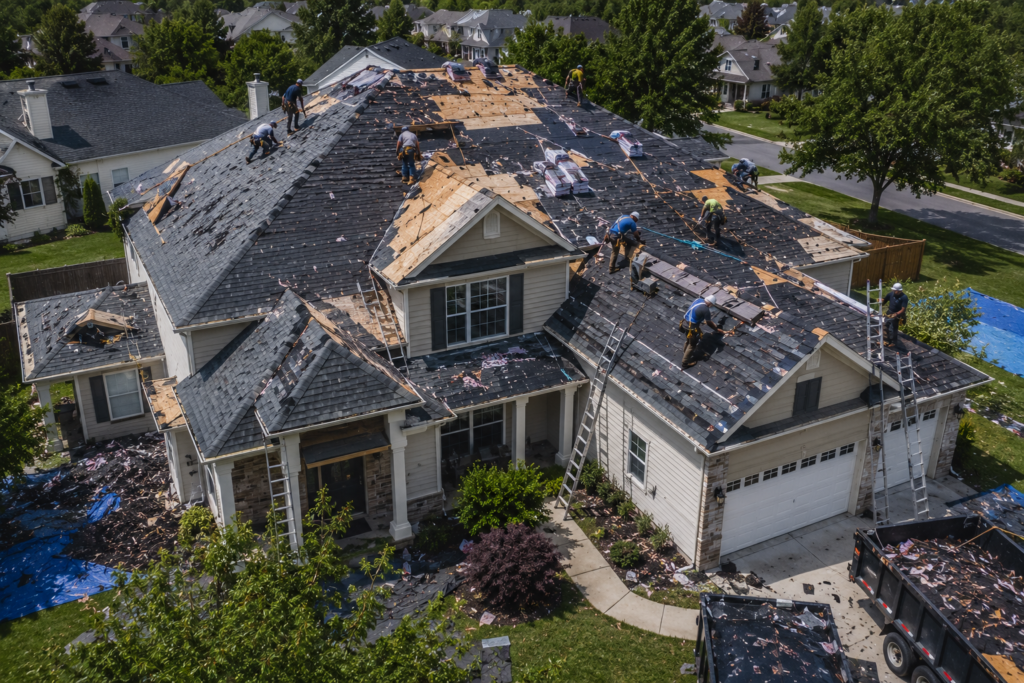
Ever notice how roofing trucks seem to multiply on every street corner right around March and April? That’s not a coincidence, and it’s not your imagination either. Texas hail season shows up like clockwork every spring, and it brings a genuine spike in roof damage claims that ripples out into longer wait times, busier adjusters, and a wave of unfamiliar roofing companies suddenly working your neighborhood.
Understanding why this happens, and what it actually means for you as a homeowner, puts you in a much better position when the season rolls around again.
The Season Everyone in Texas Roofing Dreads a Little
Ask any roofer in the state what months keep them up at night, and spring comes up almost every time. It’s not dread in the sense of dislike, it’s more that everyone in the industry knows exactly what’s coming, and the volume of calls, inspections, and repairs during a few concentrated months is intense compared to the rest of the year.
Why Texas Hail Season Hits So Hard Every Spring
The Weather Pattern Behind It
Spring in Texas is when warm, moisture-rich air from the Gulf collides with cooler air masses moving down from the north. That collision fuels strong thunderstorms, and when the atmosphere has enough instability, those storms build hail instead of just rain. It’s a predictable, recurring setup, which is exactly why the spike happens at roughly the same time every year.
Why Texas Specifically Gets Hit So Often
Texas sits in a wide stretch of the country sometimes referred to informally as hail alley, where the geography and atmospheric conditions line up more consistently than in most other regions. Add in the sheer size of the state, and it’s common for multiple hail events to hit different metro areas within the same week during peak season.
How Hail Size Varies Storm to Storm
Not every hail event produces the same damage. Pea-sized hail might barely bruise a roof, while golf ball or baseball sized hail can crack shingles straight through and dent metal fixtures across an entire neighborhood in minutes. This variability is part of why some streets take heavy damage while a few blocks over stays relatively untouched.
What the Claims Spike Actually Means for Homeowners
Longer Wait Times for Inspections
When an entire region gets hit within the same week or two, every local roofing company and every insurance adjuster suddenly has far more work than usual. That means booking an inspection during peak season often takes longer than it would during a quieter month.
Increased Risk of Storm Chasers
A concentrated spike in hail damage repair specialists claims also attracts out of town crews who show up specifically to chase the storm, going door to door with rushed bids. They’re frequently gone before any warranty issue surfaces, which leaves homeowners without recourse if the work doesn’t hold up.
Insurance Companies Under Pressure Too
Adjusters get stretched thin during a regional spike just like roofing companies do. That can mean slower response times on claims, which is one more reason documentation and prompt reporting matter even more during peak hail season than they would the rest of the year.
How to Protect Yourself Before the Season Peaks
Get Ahead With an Early Inspection
Scheduling a routine inspection in late winter, before the season ramps up, means catching any existing weak spots while your roofer actually has time on the calendar. It also gives you a documented baseline condition, which is useful if a claim ever comes up later.
Know Your Policy Before You Need It
Understanding your deductible, your coverage limits, and your claim filing window before hail ever hits saves a lot of confusion in the moment. Reading through your policy during a calm week beats trying to decode it while stressed out after a storm.
Save Contact Info for Hail Damage Repair Specialists Now, Not Later
Having a trusted local roofer’s number saved before you need it means you’re not scrambling through search results during the busiest week of the year, competing with everyone else in the neighborhood for the same limited appointment slots.
What to Do the Moment Hail Hits Your Property
Once a hailstorm passes, photograph any visible damage, check gutters and vent caps for dents, and get an inspection scheduled as soon as reasonably possible. According to the NOAA Storm Prediction Center, Texas consistently ranks among the states with the highest number of reported hail events each year, which underscores why prompt action after any storm matters more here than in lower-risk regions. The sooner you’re on a roofer’s schedule during a busy season, the better your odds of a quick turnaround instead of getting pushed weeks out.
Final Thoughts on Riding Out Texas Hail Season
Texas hail season isn’t going anywhere, and every spring brings the same predictable rhythm of storms, claims, and busy roofing crews across the state. Getting ahead of it with an early inspection, understanding your policy before you need it, and having a reliable local roofer’s number ready in advance turns a stressful season into a manageable one. Waiting until hail actually hits to figure any of this out just means dealing with everything at once, during the exact week everyone else is doing the same thing.
If you want to get ahead of this year’s hail season, call 346-733-8558 and we’ll get an inspection scheduled before the rush hits.
Frequently Asked Questions
- Why does hail season in Texas peak specifically in spring rather than summer?
Spring is when warm Gulf moisture and cooler air masses collide most frequently, creating the atmospheric instability needed for hail-producing storms. That pattern generally eases as summer heat sets in.
- Does every hailstorm in Texas cause roof damage?
Not necessarily. Smaller hail may cause little to no damage, while larger hail, generally golf ball sized or bigger, is far more likely to crack shingles or dent metal fixtures.
- How long does it typically take to get a roof inspection during peak hail season?
Wait times vary by region and storm severity, but scheduling can take noticeably longer during a regional spike compared to a quieter month, which is why early action matters.
- Should I get a roof inspection every year even if I don’t see obvious damage?
Yes, since hail damage isn’t always visible from the ground, and a professional inspection can catch issues before they turn into a larger problem later in the season.
- What should I look for when choosing hail damage repair specialists during a busy season?
Look for a local, licensed, and insured company with an established address and track record, rather than an unfamiliar crew that appeared right after the storm and may not be around if issues come up later.