Protecting your hands is important in healthcare, cleaning, food preparation, manufacturing, laboratories, and many other workplaces. The right gloves can help reduce contact with dirt, fluids, chemicals, and other substances while making everyday tasks easier to handle. Among the many disposable glove options available, latex gloves remain a popular choice because of their flexibility, comfortable fit, and excellent tactile sensitivity.
Made from natural rubber latex, these gloves are designed to fit closely around the hand. This close fit allows users to handle small objects and perform detailed work with good control. Latex gloves are available in different thicknesses, sizes, textures, colours, and designs, so businesses can choose products according to their specific needs.
However, latex is not suitable for everyone. Some people can develop an allergic reaction to natural rubber latex, which means workplaces may need to consider alternative materials such as nitrile or vinyl.
This guide explains what latex gloves are, where they are used, their main benefits and limitations, different types, how to choose the right pair, and answers common questions about their use.
What Are Latex Gloves?
Latex gloves are protective gloves made from natural rubber latex, a material obtained from the sap of rubber trees and processed into a flexible rubber product.
They are commonly manufactured as disposable gloves for applications where users need a temporary barrier between their hands and materials or surfaces.
Latex provides natural elasticity, allowing the glove to stretch around the hand and return toward its original shape. This helps create a close fit and can provide good finger movement.
Depending on their design, latex gloves may be used for:
- Medical examinations
- Dental procedures
- Cleaning
- Laboratory work
- Beauty services
- Food preparation
- General workplace tasks
- Light industrial applications
The appropriate glove depends on the task and the level of protection required.
How Do Latex Gloves Work?
Latex gloves create a physical barrier between the user’s skin and the external environment.
When the glove is intact and properly fitted, it can reduce direct contact with substances on surfaces or materials being handled.
The elastic nature of latex allows the glove to conform closely to the hand. This can provide good dexterity for tasks involving small instruments, tools, containers, and other objects.
However, disposable latex gloves are not designed to provide unlimited protection. They can tear, puncture, or degrade depending on the task and substances involved.
For hazardous chemicals, sharp materials, or high-risk applications, users should select gloves specifically tested and rated for the intended exposure.
Main Benefits of Latex Gloves
Excellent Flexibility
One of the most noticeable characteristics of latex is its elasticity.
A quality latex glove can stretch naturally around the hand and fingers, allowing users to move their hands comfortably.
This makes latex useful for tasks where flexibility is important.
Good Tactile Sensitivity
Latex gloves can provide a close fit that allows users to feel objects through the material.
This is particularly valuable for detailed tasks in healthcare, dentistry, laboratories, and other applications where precise finger movement matters.
Comfortable Fit
Because latex is naturally elastic, it can conform closely to different hand shapes.
A properly sized glove can feel secure without being excessively loose.
Comfort is especially important when gloves need to be worn for extended periods.
Reliable Grip
Many latex gloves have textured fingertips or textured surfaces.
These features can help users maintain their grip when handling instruments, containers, or other objects.
The level of grip depends on the glove design and the conditions in which it is being used.
Wide Range of Applications
Latex gloves can be found in many workplaces.
They are commonly used in medical and dental environments, cleaning services, laboratories, beauty salons, and other professional settings.
Their versatility is one reason they remain a common disposable glove option.
Latex Gloves vs Nitrile Gloves
Latex and nitrile are two popular glove materials, but they have important differences.
Latex is made from natural rubber and is known for elasticity and tactile sensitivity.
Nitrile is a synthetic rubber that does not contain natural rubber latex. It is widely used as an alternative where latex exposure is a concern.
Nitrile gloves are also generally known for good puncture resistance and resistance to many oils and chemicals, although exact protection depends on the product.
The choice between latex and nitrile should be based on the application, required protection, user sensitivities, comfort, and relevant workplace requirements.
Latex Gloves vs Vinyl Gloves
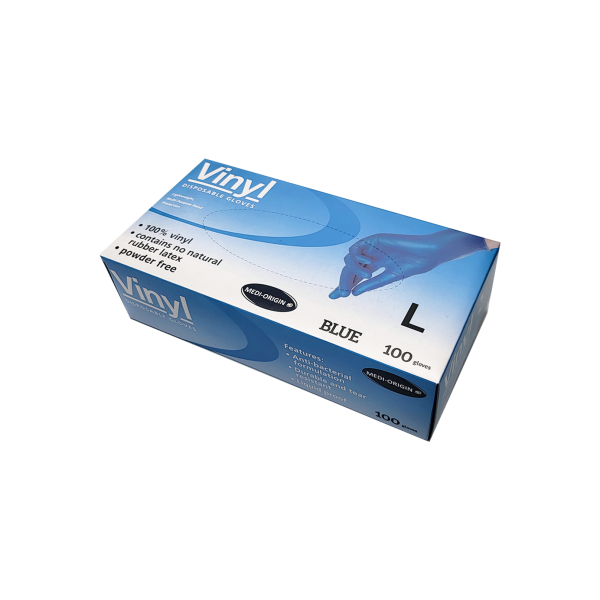
Vinyl gloves are made from PVC-based material and are commonly used for lower-risk tasks.
They are often selected for short-duration applications such as light cleaning, basic food handling, and general service work.
Latex generally provides greater elasticity and a closer fit than vinyl.
Vinyl can be a practical option where a looser fit and lower-cost disposable barrier are more important than high tactile sensitivity.
Again, the appropriate material depends on the task.
Types of Latex Gloves
Latex gloves are available in several different forms.
Powdered Latex Gloves
Some latex gloves have historically been supplied with powder inside the glove.
The powder can make gloves easier to put on and remove, particularly when hands are damp.
However, powder can become airborne or leave residue. In healthcare and other sensitive environments, powder-free gloves are often preferred or required depending on applicable regulations and procedures.
Powder-Free Latex Gloves
Powder-free latex gloves do not contain an added powder coating.
They can be useful in environments where powder residue is undesirable.
Powder-free gloves are commonly used in healthcare, dental practices, laboratories, food-related environments, and other professional workplaces.
Textured Latex Gloves
Textured latex gloves feature a surface pattern designed to improve grip.
This can be useful when handling instruments or objects that may be difficult to hold with a smooth glove.
Smooth Latex Gloves
Smooth gloves have a relatively even outer surface.
They may be suitable for applications where strong grip is not a primary requirement.
Examination Latex Gloves
Examination gloves are designed for healthcare-related examination and routine procedures.
They are typically lightweight and provide a disposable barrier between the wearer and patient or potentially contaminated surfaces.
Healthcare facilities should select products that meet the requirements applicable to their intended use.
Heavy-Duty Latex Gloves
Thicker latex gloves can provide greater durability than lightweight disposable examination gloves.
They may be used for cleaning or other tasks where additional resistance to tearing is useful.
However, thicker gloves are not automatically suitable for hazardous chemical exposure. Chemical resistance should always be verified against the specific substance.
Where Are Latex Gloves Used?
Healthcare
Latex gloves have a long history of use in healthcare environments.
They may be used during patient examinations, routine procedures, and other tasks where a disposable barrier is appropriate.
Healthcare organizations need to consider latex allergy risks and may choose latex-free alternatives when required.
Dental Clinics
Dentists and dental assistants often need gloves that provide good finger movement and tactile sensitivity.
Latex can offer these characteristics, which is why latex examination gloves have been used extensively in dental settings.
Facilities should have appropriate policies for managing patients and workers who may be sensitive to natural rubber latex.
Laboratories
Laboratory workers may use latex gloves for general handling tasks where the glove’s properties are appropriate.
However, latex should not automatically be considered a chemical-resistant glove. When handling chemicals, users should consult chemical compatibility data and select suitable protective gloves.
Cleaning Services
Cleaning workers can use latex gloves for a variety of routine cleaning tasks.
The material can provide a barrier against dirt, water, and some cleaning substances.
For concentrated chemicals, prolonged exposure, or specialized cleaning applications, a suitable chemical-resistant glove may be required instead.
Beauty and Personal Care
Salons and beauty professionals may use latex gloves during certain treatments involving products, dyes, or other materials.
The correct glove should be selected according to the substances being handled and any applicable safety requirements.
Food Handling
Some latex gloves may be used for food handling when they are specifically suitable for that application.
However, businesses should consider the possibility of latex protein exposure and applicable food-contact requirements. In many food environments, other glove materials may be preferred.
Always check the manufacturer’s product information before using gloves for food contact.
Latex Allergy and Glove Selection
One of the most important considerations when choosing latex gloves is natural rubber latex sensitivity.
Some people can develop an allergic reaction to proteins found in natural rubber latex. Reactions can range from skin irritation to more serious allergic responses.
Because of this, workplaces should take latex exposure seriously.
Where latex-free protection is required, nitrile or other suitable synthetic alternatives may be considered.
Businesses should also follow their workplace health and safety policies and applicable regulations when selecting gloves for employees and visitors.
If someone has a known latex allergy, they should avoid latex products and follow advice from their healthcare professional regarding suitable alternatives.
How to Choose the Right Latex Gloves
Selecting gloves based only on price can result in poor fit or inadequate protection.
Consider the following factors before purchasing.
Size
A good fit is essential for comfort and control.
Common sizes include:
- Small
- Medium
- Large
- Extra Large
Some manufacturers offer additional sizing options.
A glove that is too small may stretch excessively and become uncomfortable or tear. A glove that is too large can reduce dexterity and make precise work more difficult.
Thickness
Glove thickness affects feel, durability, and flexibility.
Thin latex gloves can provide excellent tactile sensitivity, while thicker gloves may offer greater durability for more demanding tasks.
The correct thickness depends on the application.
Powder-Free Design
For many professional applications, powder-free gloves are a practical choice.
They reduce the presence of powder residue and can be more suitable for environments where cleanliness is important.
Texture
Textured surfaces can improve grip.
If workers regularly handle wet instruments, containers, or tools, a textured glove may provide better control.
Cuff Length
Standard cuffs cover the wrist, while extended cuffs can provide additional coverage.
The appropriate cuff depends on the task and the amount of protection required.
Colour
Latex gloves are available in different colours.
Colour may be selected for practical reasons, workplace organization, or brand preferences.
Some facilities use different glove colours for different tasks to help organize supplies.
How to Put Latex Gloves On Correctly
Before putting on gloves, clean your hands according to the hygiene requirements of the task.
Check the glove for visible damage before use.
Hold the glove by the cuff and insert your hand carefully. Pull it over the fingers and palm without excessive force.
Make sure the fingers are correctly positioned and that the cuff sits comfortably around the wrist.
If the glove tears during application, replace it.
Do not continue using a damaged glove because even a small tear can compromise the barrier.
How to Remove Latex Gloves Safely
Used gloves may have contaminants on their outer surface.
To remove a glove, pinch the outside near the wrist without touching your skin unnecessarily. Peel it away from the hand, turning it inside out.
Hold the removed glove in the gloved hand.
Slide an ungloved finger underneath the remaining glove near the wrist. Peel it away while keeping the contaminated exterior contained.
Dispose of the gloves according to workplace waste procedures.
Clean your hands after removing gloves when required.
When Should Latex Gloves Be Changed?
Disposable latex gloves should be changed when they become:
- Torn
- Punctured
- Heavily contaminated
- Visibly dirty
- Wet inside
- Unsuitable for the next task
Gloves should also be changed between tasks when necessary to prevent cross-contamination.
Wearing the same disposable glove for too long can undermine hygiene practices.
Gloves are a protective barrier, but they do not replace proper hand hygiene.
Can Latex Gloves Be Reused?
Most disposable latex gloves are designed for single use.
Washing, disinfecting, or reusing them can affect the material and may compromise their protective properties.
Used gloves can also carry contaminants from one task or surface to another.
For these reasons, disposable latex gloves should generally be discarded after use and replaced with a new pair when protection is needed again.
If reusable hand protection is required, choose gloves specifically manufactured for repeated use.
Latex Gloves for Different Industries
Medical Industry
Medical facilities require gloves that provide appropriate protection while allowing professionals to work accurately.
Latex can offer excellent flexibility and tactile sensitivity, but facilities must consider latex allergy policies.
Automotive Industry
Latex gloves may be suitable for some light automotive tasks, but they are not automatically the best option for handling oils, fuels, solvents, or other automotive chemicals.
Workers should select gloves according to the specific substances involved.
Cleaning Industry
For routine cleaning, latex can provide a flexible barrier that helps keep hands cleaner.
For stronger chemicals, specialized chemical-resistant gloves may be required.
Manufacturing
Manufacturers may use latex gloves for assembly, inspection, cleaning, and other low-risk tasks.
The glove specification should match the materials and processes involved.
Common Mistakes When Using Latex Gloves
Choosing the Wrong Size
A poor fit can make gloves uncomfortable and reduce control.
Always use an appropriate size.
Ignoring Latex Allergies
Latex can cause allergic reactions in some individuals.
Employers should consider latex-free alternatives when appropriate.
Using Disposable Gloves for Heavy Chemical Work
Disposable latex gloves should not automatically be treated as chemical-resistant gloves.
Check compatibility data for the specific chemical.
Reusing Disposable Gloves
Disposable gloves are designed for limited use. Reusing them can reduce hygiene and protection.
Wearing Damaged Gloves
Replace gloves immediately if they tear or become damaged.
Treating Gloves as a Replacement for Hand Hygiene
Gloves do not eliminate the need for proper hand cleaning.
Hands should be cleaned before and after glove use according to the relevant procedure.
How to Store Latex Gloves
Store latex gloves in their original packaging in a cool, dry environment.
Keep them away from direct sunlight, excessive heat, moisture, and chemicals that may damage the material.
Do not place heavy objects on glove boxes.
Follow the manufacturer’s storage recommendations and check the product’s shelf-life information where applicable.
Proper storage can help preserve the elasticity and performance of unused gloves.
Frequently Asked Questions
What are latex gloves made from?
Latex gloves are made from natural rubber latex, which comes from rubber tree sap and is processed into a flexible rubber material.
Are latex gloves disposable?
Many latex gloves used in healthcare, cleaning, laboratories, and similar workplaces are designed for single use. Always check the product packaging to confirm whether a glove is disposable or reusable.
Are latex gloves waterproof?
Intact latex gloves can provide a barrier against many liquids. However, they should not automatically be considered suitable for prolonged liquid exposure or every chemical. The specific product and application should be considered.
Are latex gloves safe for people with allergies?
People with natural rubber latex allergies may experience reactions when exposed to latex. Latex-free alternatives such as nitrile may be more appropriate for those individuals.
Are powder-free latex gloves better?
Powder-free gloves can be preferable when powder residue is undesirable. They are widely used in environments where cleanliness is important.
Are latex gloves good for cleaning?
Latex gloves can be suitable for many routine cleaning tasks. For concentrated or hazardous chemicals, users should select gloves specifically tested for the substances involved.
Are latex gloves suitable for food handling?
Only gloves specifically suitable for the intended food-contact application should be used. Businesses should check manufacturer information and applicable food-contact requirements.
Can latex gloves be reused?
Disposable latex gloves should generally not be reused. If reusable protection is needed, use gloves designed specifically for repeated use.
Do latex gloves provide chemical protection?
Latex provides resistance to some substances, but its performance varies. Users should check chemical compatibility information before handling specific chemicals.
What sizes are latex gloves available in?
Common sizes include Small, Medium, Large, and Extra Large. Some manufacturers offer additional sizes.
How long can you wear latex gloves?
There is no universal wear time. Replace gloves when they become damaged, contaminated, dirty, or unsuitable for the task. Workplace procedures may also require changing them between specific tasks.
How should latex gloves be stored?
Keep gloves in a cool, dry place away from direct sunlight, excessive heat, moisture, and chemicals. Follow the manufacturer’s storage instructions.
Final Thoughts
Latex gloves remain a widely used hand-protection option because of their natural elasticity, close fit, flexibility, and tactile sensitivity. They can be useful in healthcare, dentistry, laboratories, cleaning, beauty services, manufacturing, and other applications where a disposable hand barrier is appropriate.
However, selecting the right glove requires more than choosing a familiar material. Users should consider size, thickness, texture, cuff design, intended application, and potential latex sensitivity.
For people who cannot use natural rubber latex, nitrile and other latex-free alternatives can provide different options. Similarly, demanding chemical or industrial applications may require specialized protective gloves rather than standard disposable latex gloves.
When selected appropriately and used correctly, latex gloves can support cleaner, safer, and more controlled working practices while giving users the flexibility and hand sensitivity needed for many everyday professional tasks.