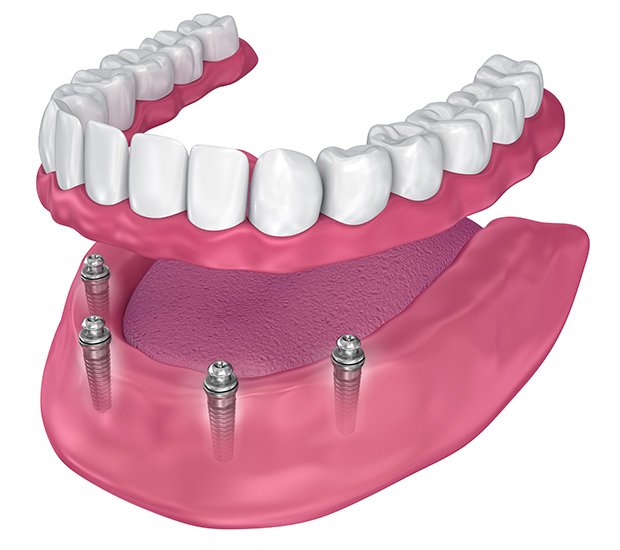
Losing a tooth can seem like a small problem at first. Then you start noticing everything connected to it. Chewing feels different, smiling gets awkward, and the empty space can affect nearby teeth over time. Dental Implants Simi Valley patients consider today are designed to do more than simply fill that gap. They replace the missing tooth in a way that works with the jawbone, creating a stable foundation for a crown or other restoration. It is not some quick patch that you have to constantly worry about. When properly placed and cared for, a dental implant can provide a long-term solution that feels close to having a natural tooth again.
How a Dental Implant Replaces the Root
A natural tooth has two main parts: the part you see above the gums and the root sitting inside the jawbone. Traditional tooth replacement options usually focus on the visible part. A dental implant goes further. The implant itself is a small post, generally made from biocompatible material, that is placed into the jawbone where the missing root once was. Over time, the surrounding bone can bond with the implant through a process called osseointegration. Sounds technical, because it is. But the basic idea is simple. The implant becomes securely connected to the jaw, creating a strong base for the replacement tooth that sits on top.
A Stable Foundation Makes a Big Difference
One reason dental implants are known for long-lasting results is stability. A removable denture can shift. Some bridges rely on neighboring teeth for support. An implant stands independently in the jawbone, which changes the whole setup. Once healing is complete and the restoration is attached, the replacement tooth is supported from below, much like a natural tooth. This can make eating, speaking, and smiling feel more comfortable and predictable. You are not constantly wondering if something will move at the wrong moment. Of course, every patient is different, and healing depends on things like bone health, oral hygiene, and overall dental condition. Still, the foundation is a major reason implants have become such a trusted tooth replacement option.
The Jawbone Benefits Matter Too
After a tooth is lost, the jawbone in that area may gradually lose stimulation. Over time, this can contribute to bone loss and changes in the shape of the face or surrounding dental structure. Dental implants help address this issue because they sit within the jawbone and can provide stimulation when chewing forces are transferred through the implant. It is one of the bigger differences between an implant and simply placing something over the gum line. Nobody wants to think about bone loss when they are already dealing with a missing tooth, but it matters. Replacing the tooth root can help support the area instead of just covering the empty space and hoping for the best.
The Final Crown Is Designed for Everyday Use
After the implant has integrated with the bone, a connector called an abutment may be placed, followed by the visible replacement tooth, often a dental crown. The crown is made to match the surrounding teeth as closely as possible in shape, size, and appearance. The goal is not to give you a tooth that looks obviously fake. It should fit into your smile and function during normal daily activities. You can chew food, talk, laugh, and just get on with things. Crowns may eventually need replacement due to normal wear or damage, but the implant beneath can remain in place for many years with proper care.
Dental Implants Can Be Used in Different Situations
An implant is not limited to replacing just one missing tooth. Depending on the patient’s needs, dental implants can support a single crown, multiple replacement teeth, or even a full arch restoration. This flexibility is useful when someone has lost teeth due to decay, injury, gum disease, or other dental problems. The treatment plan will depend on the number of missing teeth, the condition of the jawbone, and the health of the remaining teeth. Sometimes additional procedures, such as bone grafting, may be needed before implant placement. It is not always a one-size-fits-all process, and honestly, it shouldn’t be.
The Treatment Process Takes Time, and That Is Okay
Dental implant treatment is usually completed in stages. First comes an examination and planning process, often involving dental imaging to evaluate the bone and surrounding structures. The implant is then placed surgically into the jaw. After that, there is a healing period while the implant bonds with the bone. Depending on the situation, the final restoration may be placed later once the site is ready. It can take time, yes. But that healing period is part of what helps create the stable foundation implants are known for. A fast fix is not always the best fix, especially when the goal is a tooth replacement that may serve you for years.
Good Oral Care Helps Protect Your Investment
Dental implants are durable, but they are not maintenance-free. That is an important point people sometimes miss. You still need to brush, clean between the teeth, and attend regular dental checkups. Gum tissue around the implant needs care, and plaque buildup can still create problems if oral hygiene is ignored. Smoking, uncontrolled health conditions, and certain habits can also affect long-term results. Taking care of an implant is not wildly complicated. In many ways, it comes down to the same habits that protect natural teeth. Do the basics consistently. A little daily effort can make a big difference over the years.
Comfort and Confidence Often Improve After Replacement
Living with a missing tooth can affect more than your bite. Some people become self-conscious when speaking or smiling. Others avoid certain foods because chewing feels difficult. A secure tooth replacement can help restore normal function while also making people feel less aware of the gap in their smile. There is a practical side to this treatment, but there is also a personal side. Being able to smile without covering your mouth or chew without favoring one side can change everyday life in small ways. Those small things add up.
Choosing the Right Dental Professional Is Part of the Process
A successful implant result starts with careful planning, not just placing an implant and calling it done. A qualified Dentist Simi Valley patients trust can evaluate your oral health, discuss whether implants are suitable for your situation, and explain what the treatment process may involve. Bone quality, gum health, bite alignment, and medical history can all play a role. The right approach is usually based on what your mouth actually needs, not on pushing the same treatment toward everyone who walks through the door. Ask questions. Understand the timeline. If something is unclear, say so.
Long-Term Results Depend on Several Factors
Dental implants have a strong reputation for longevity, but no dental treatment comes with a magical forever guarantee. The long-term outcome depends on proper placement, healing, bone support, oral hygiene, regular professional care, and lifestyle habits. The restoration on top may experience wear just like a natural tooth would. Problems can happen, especially if gum disease or infection develops around the implant. But with good care and regular monitoring, an implant can remain a reliable part of a person’s smile for many years. That is really the point. It is designed for the long run, not just to get you through the next few months.
Conclusion: A Strong Solution for a Missing Tooth
Dental implants offer a different approach to tooth replacement because they replace more than what people see. The implant acts as an artificial tooth root, creating a stable base that can support a natural-looking crown or larger restoration. They can also help support the jawbone, improve chewing function, and provide a more secure alternative to removable options. The process takes planning and patience, and proper care still matters. There is no shortcut around that. But for many people dealing with one or more missing teeth, dental implants can provide a practical, durable solution that feels much closer to having a real tooth again. If you are considering tooth replacement, a professional dental evaluation can help determine whether implants make sense for your specific situation and long-term goals.