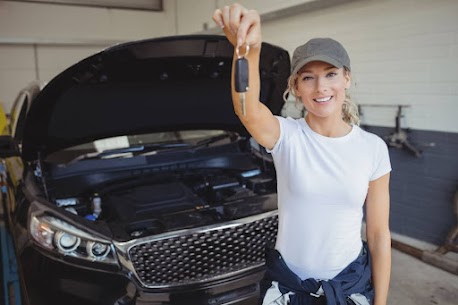
Community organizations have always found creative ways to generate funding, but one method that continues to gain momentum is accepting vehicles from generous individuals. Car donations for nonprofits have become one of the most powerful and practical ways to sustain mission-driven work without relying solely on cash-based fundraising. When someone hands over the keys to an old sedan or unused truck, they are essentially transferring real financial value into the hands of people doing meaningful work in society.
Vehicles Become Funding
A car given to a local group often gets sold through an auction or scrapped, yet money from it flows straight into daily expenses. Sometimes these groups keep the vehicle instead, using it to move meals, gear, or folks in need. Whichever path happens, real benefit reaches services, workers, because support grows behind the scenes.
What stands out about giving vehicles is how freely groups can use them. Instead of locked-in funding or funds set aside for one thing, cash from a sold car usually goes where gaps show up first. Maybe that covers basic bills when income dips. Or powers something fresh, like outreach care programs nobody ran before.
Donors Choose to Donate Cars
One reason folks give away cars is because they bought a newer model. When that happens, the older one often sits unused. A different group finds themselves with a car left by a family member – something they never intended to keep. Not everyone does it for practical reasons though. Passion plays a part too. Certain people care deeply about an organization’s mission. To them, handing over a vehicle feels like doing more than mailing cash.
One reason people give cars? Tax perks play a role. A working vehicle handed to an approved group might lower someone’s taxable income. That possible refund makes the move smarter for some. The receiver gains too – getting something useful at no cost. Over time, more communities started backing these handovers. Not just goodwill drives it – savings help. Each region now sees more of these drop-offs than before.
Vehicle Support Helps Local Programs
Picture this: groups helping young people grow, seniors stay connected, those without homes find support, or meals reach hungry families – they all struggle to get around. Suddenly, a vehicle arrives – donated, ready, waiting. No more scrambling for rentals. Forget asking volunteers to drive their personal cars until they wear out. Now there is something steady, dependable. Movement becomes possible. Service expands quietly, steadily, day by day.
Most times, giving goods beats handing out money. Picture a van running daily trips for a shelter – arriving at dawn to collect extra food. That single vehicle might end up filling thousands of meals over twelve months. Instead of cash, rubber on roads does the real work.
The Operational Impact on Small Nonprofits
A big group handles car programs smoothly thanks to built-in systems, yet tiny charities sometimes gain far greater impact. Out of nowhere, a modest neighborhood hub might get one used pickup, transforming how it moves supplies or reaches distant spots. Because of this gift, simple tasks like picking up materials become doable instead of delayed. What feels minor shifts entire operations when cash stays tight and every mile counts.
Each gift received means one less thing those groups must chase through fundraising, leaving more room to pour effort into their core work.
Building Community Trust Through Donor Connections
A car donation isn’t just about wheels changing hands. It’s one way people tie themselves closer to a cause they believe in. Giving up a vehicle carries weight, so those who do often stay involved longer. Feelings run deep after such a gift, which quietly opens doors to helping out again – maybe through time, effort, or later donations.
Most people stick around when they see exactly where a donated car ends up. Seeing each step – how it’s sold or put to work – makes giving feel less like a question mark. Clear updates turn quiet skepticism into steady backing over time. When groups open the books, support grows without needing grand promises.
Environmental and Social Responsibility
Most folks leave old cars to rust, yet handing one over can ease the planet’s load. Organizations move many of these machines back onto roads instead of stacking them in junkyards. If a car won’t start or run, dismantling follows – parts get reused, fluids handled right. Helping people while keeping scrap out of forests and rivers strikes a chord with thoughtful givers.
Conclusion
Vehicle contributions represent a meaningful intersection of personal generosity, community benefit, and practical financial planning. Organizations across many sectors depend on this type of support to expand their reach and deepen their impact. For individuals who are considering ways to give back while managing their financial situation thoughtfully, donating a car for tax deduction remains a compelling and rewarding option. The ripple effects of a single vehicle donation can touch far more lives than most donors ever realize.
FAQs
What types of organizations typically accept vehicle donations?
Many types of community organizations accept vehicles, including those focused on food security, housing assistance, education, mental health services, and youth development. The key requirement is that the organization holds proper tax-exempt status.
Does the condition of the vehicle matter?
Most organizations accept vehicles in a wide range of conditions, from fully operational to non-running. Even a vehicle that cannot be driven may have salvage value that can benefit a nonprofit’s programs.
How does the tax benefit work for the donor?
The amount a donor can deduct typically depends on how the organization uses or sells the vehicle. If the organization sells it, the deductible amount is usually based on the sale price. If the organization uses it directly, the donor may be able to deduct the fair market value.
Can a donor choose where the proceeds go within an organization?
Some organizations allow donors to express a preference for how funds are used, though this is not always guaranteed. It is best to communicate with the organization directly about any preferences before completing the donation.
Is the donation process complicated?
The process is generally straightforward. It typically involves signing over the vehicle title, arranging for pickup or drop-off, and receiving documentation from the organization for tax purposes.