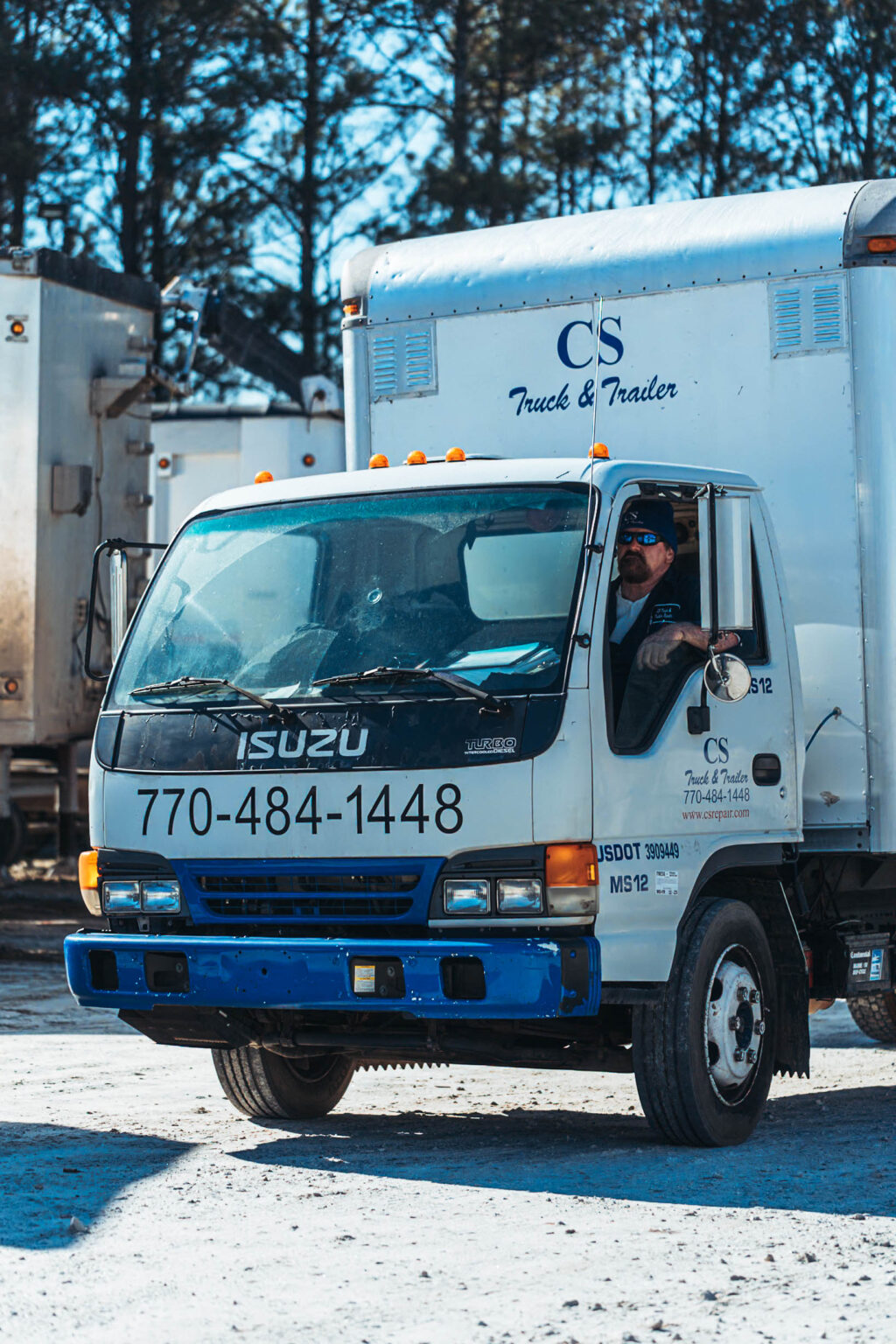
A truck sitting idle in the garage is a truck that is losing money. The longer a truck remains idle, the more delays there will be in deliveries and other processes, leading to additional costs for the company. This is the reason behind many fleet owners in Georgia becoming proactive about maintaining their fleet and not letting issues develop. Fleet maintenance services in Georgia help companies catch minor issues before turning into big problems and ensure trucks remain in action.
Fleet maintenance audit is one of the most powerful methods to improve fleet reliability. This type of audit provides valuable information about the current state of trucks’ maintenance, repair costs, and performance. No need to guess what should be done; all decisions can be made on the basis of actual maintenance reports. Companies cooperating with CS Truck & Trailer use such an approach to cut down downtime and plan maintenance better.
What Is a Fleet Maintenance Audit?
A fleet maintenance audit is a thorough assessment of the maintenance program that a company implements on its trucks, trailers, and vehicles. Instead of assessing just one vehicle, the company gets an assessment of the whole maintenance program.
Fleet maintenance audits usually assess the following areas:
- Schedules for preventive maintenance
- Maintenance and repair records
- Inspection records
- Driver Vehicle Inspection Report (DVIR)
- Brakes and tire maintenance
- Oil and fluid servicing records
- Parts replacement record
- DOT inspection readiness
- Cost per unit of maintenance
In place of reacting to breakdowns, companies get a complete assessment of their maintenance program.
Why Georgia Fleets Benefit from Regular Maintenance Audits
The transportation industry in Georgia transports cargo via highways, ports, warehouses, and distribution centers on a daily basis. All these factors contribute to stress on commercial trucks due to heavy traffic, long distances, high temperatures, and different road conditions.
Maintenance problems will develop over time without proper audit procedures.
For example:
- Oil changes may be delayed.
- Brake wear may go unnoticed.
- Tires may wear unevenly.
- Cooling systems may begin failing.
- Suspension components may loosen over time.
All these situations take time to develop into a bigger problem and do not result in an immediate failure of the system.
Fleet audits identify these warning signs early.
Finding Maintenance Gaps Before They Become Expensive
Many fleet managers think that the maintenance process is doing well because the trucks are functioning fine. However, an audit will find several issues that may not be obvious from the outside.
Some examples are as follows:
Missed Preventive Maintenance
Preventive maintenance can sometimes be ignored due to busy shipping seasons, and trucks function normally until a breakdown occurs.
Inconsistent Record Keeping
Incomplete maintenance records make it hard to track the timing of repairs or which trucks need attention first.
Repeated Repairs
If a truck needs repairs repeatedly for similar reasons, it could mean that the initial problem was never solved.
Uneven Maintenance Across the Fleet
Some trucks have excellent maintenance while others lag behind because of irregular scheduling.
An audit makes the whole process of maintenance uniform throughout the entire fleet.
Improving Vehicle Reliability
Reliable trucks do not happen by accident.
Reliability comes from consistently inspecting, servicing, and repairing vehicles before failures occur.
Fleet maintenance audits improve reliability by helping companies:
- Replace worn components early
- Monitor engine performance
- Identify recurring mechanical issues
- Improve preventive maintenance scheduling
- Reduce emergency repairs
- Increase vehicle lifespan
Over time, these improvements lead to fewer unexpected breakdowns and more dependable operations.
Reducing Costly Downtime
Downtime is one of the biggest expenses in trucking.
A single roadside breakdown can lead to:
- Emergency towing
- Missed deliveries
- Driver delays
- Customer complaints
- Lost revenue
- Higher repair costs
Maintenance audits reduce these risks by identifying vehicles that require attention before they fail.
Instead of repairing trucks after a breakdown, companies schedule repairs during planned maintenance windows.
That means trucks spend more time hauling freight and less time sitting in repair bays.
Better Budget Planning
Unexpected repairs make budgeting difficult.
One month may include only routine maintenance, while the next may require several expensive engine or transmission repairs.
Fleet audits help managers understand:
- Average maintenance costs
- High-cost vehicles
- Parts that fail most often
- Seasonal maintenance trends
- Replacement planning
This information allows companies to prepare maintenance budgets instead of constantly reacting to surprise expenses.
Extending Vehicle Life
Commercial trucks represent major investments.
Replacing equipment years earlier than expected creates unnecessary financial pressure.
Maintenance audits help extend vehicle life by ensuring:
- Fluids are changed on schedule.
- Engine wear is monitored.
- Cooling systems stay efficient.
- Brake systems remain safe.
- Tire alignment is corrected.
- Suspension components receive proper attention.
These routine improvements may seem small individually, but together they can significantly increase the lifespan of expensive fleet assets.
Improving DOT Compliance
Georgia fleet operators must remain ready for inspections throughout the year.
A maintenance audit reviews many of the same items inspectors examine, including:
- Brake condition
- Tires
- Lighting systems
- Steering components
- Suspension
- Air systems
- Safety equipment
- Maintenance documentation
Keeping these items current reduces the chances of violations, failed inspections, or unexpected out-of-service orders.
Using Data to Make Smarter Decisions
One advantage of maintenance audits is that they rely on facts instead of assumptions.
Fleet managers can answer important questions like:
- Which trucks cost the most to maintain?
- Which repairs happen most frequently?
- Which vehicles should be replaced first?
- Are maintenance intervals working?
- Are repair costs increasing?
These insights help managers improve operations using actual maintenance data rather than guesswork.
Supporting Drivers
Drivers notice maintenance issues long before they become major repairs.
A fleet audit often includes reviewing Driver Vehicle Inspection Reports to identify recurring concerns.
When maintenance teams respond quickly to driver feedback, companies benefit from:
- Safer vehicles
- Better driver confidence
- Higher employee satisfaction
- Fewer roadside breakdowns
Drivers appreciate equipment that performs consistently because it helps them complete deliveries without unnecessary delays.
How Professional Maintenance Partners Help
Performing maintenance audits requires experience, detailed inspections, and accurate record analysis.
Many Georgia companies work with experienced repair providers that understand commercial fleets and heavy-duty equipment.
The team at CS Truck & Trailer helps businesses evaluate maintenance history, inspect vehicles, identify recurring repair issues, and build preventive maintenance schedules that reduce downtime. Their technicians focus on practical solutions that fit the daily demands of owner-operators and fleet managers instead of recommending unnecessary repairs.
For growing fleets, having experienced technicians review maintenance practices often leads to lower operating costs over time.
Building a Long-Term Maintenance Strategy
A maintenance audit should not be viewed as a one-time project.
The most successful fleets perform regular reviews throughout the year to measure progress and adjust maintenance plans as operating conditions change.
Long-term strategies often include:
- Quarterly maintenance reviews
- Scheduled preventive maintenance
- Tracking repair trends
- Monitoring maintenance costs
- Reviewing inspection reports
- Updating service intervals
- Planning equipment replacement
This ongoing approach creates a more reliable fleet year after year.
Final Thoughts
Reliable trucks are the foundation of every successful transportation business. Waiting for breakdowns to happen usually costs far more than preventing them in the first place. Regular fleet maintenance audits help Georgia companies uncover hidden problems, improve preventive maintenance, reduce repair costs, and keep vehicles operating safely and efficiently.
Whether you manage a handful of trucks or an entire commercial fleet, investing in Fleet maintenance services in Georgia is a smart way to improve long-term reliability. With experienced support from CS Truck & Trailer, businesses can strengthen their maintenance programs, reduce costly downtime, and keep freight moving with confidence.