DFW demolition services
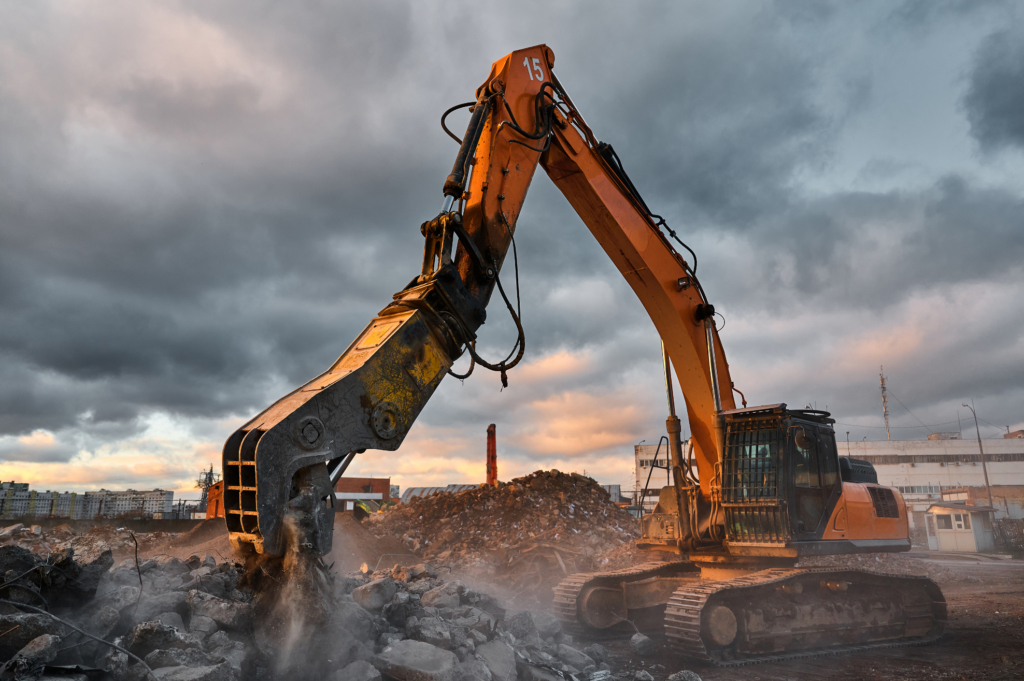
Planning a demolition project in the Dallas-Fort Worth area involves more than estimating the cost of tearing down a structure. The final price can depend on the building’s size, construction materials, location, accessibility, permits, debris disposal, and the condition of the property. Professional DFW demolition services can provide a detailed assessment before work begins, helping property owners understand what the project involves. Knowing the factors that influence pricing can make it easier to compare estimates and plan a realistic budget.
What Determines the Cost of Demolition?
There is no single price that applies to every demolition project because each property presents different challenges. A small detached structure with easy equipment access may require considerably less work than a large commercial building surrounded by pavement, utilities, and neighboring structures. Contractors generally consider the structure’s size, type, condition, location, and demolition method when preparing an estimate. The amount of labor, equipment time, transportation, and material handling can also influence the final quote.
The scope of work is another major consideration. Some property owners want only the building removed, while others need foundations, concrete slabs, driveways, fencing, landscaping, or additional structures removed as well. These services require different equipment and disposal processes. Before accepting a quote, make sure you understand exactly what is included so that two estimates can be compared based on the same scope rather than simply looking at the total price.
Building Size and Construction Materials
The size of a structure naturally affects the amount of work required, but square footage is not the only consideration. A building constructed primarily from lightweight materials may require a different demolition approach from one containing reinforced concrete, masonry, structural steel, or other heavy materials. Older structures can also contain layers of additions or modifications that make demolition more complicated. Contractors need to evaluate these characteristics before determining the equipment and labor requirements.
Construction materials also affect debris volume and disposal. Concrete, brick, metal, wood, roofing materials, drywall, and other components may require different handling methods. Some materials can potentially be separated for recycling or recovery, while others require appropriate disposal. A detailed proposal should explain how demolition debris will be handled because hauling and disposal can represent a meaningful portion of the overall project cost.
Site Access and Property Conditions
Access is one of the factors property owners sometimes overlook when estimating demolition costs. Heavy machinery needs a safe route into the work area, and limited access can increase the time required to complete the project. Narrow driveways, nearby buildings, fences, overhead obstructions, steep terrain, and restricted staging areas can all affect equipment selection. A contractor should inspect the property before providing a final estimate whenever possible.
The surrounding environment can also influence the demolition strategy. A structure located close to neighboring homes, businesses, sidewalks, roads, or utility infrastructure requires careful planning to avoid unnecessary damage. Contractors may need additional protective measures or different equipment when working in confined spaces. These conditions can increase labor and project-management requirements compared with demolition on an open site.
Permits, Inspections, and Project Requirements
Demolition may require permits and other approvals depending on the municipality, property type, and scope of work. Requirements can vary across the DFW region, so property owners should verify the rules that apply to their specific location. Permit-related expenses may include application fees, inspections, documentation, or other administrative requirements. These costs should be considered when establishing a complete project budget rather than treating demolition as an equipment-only expense.
Environmental and safety requirements can also affect the timeline and cost. Older structures may require evaluation for materials that need specialized handling before demolition proceeds. Utility disconnections, site protection, erosion controls, traffic considerations, and other requirements may also become part of the preparation process. A responsible contractor should identify these potential issues early and explain how they may affect the project scope.
Debris Removal and Disposal Costs
Removing the structure is only one part of completing a demolition project. Once the building comes down, the resulting debris must be sorted, loaded, transported, recycled where appropriate, or disposed of according to applicable requirements. Larger structures can generate substantial quantities of concrete, wood, metal, masonry, and other materials. The distance to disposal or recycling facilities and the amount of material generated can influence the overall price.
Ask whether debris removal is included in your demolition estimate or charged separately. You should also determine whether the quote includes loading, transportation, disposal fees, final cleanup, and removal of smaller debris. A contractor who clearly explains these services makes it easier for the property owner to understand the actual cost. Leaving debris management unclear can result in additional expenses after the main structure has already been removed.
Foundation and Concrete Removal
Many property owners assume that removing a building automatically includes removing everything underneath it. In practice, foundations, slabs, footings, retaining walls, parking surfaces, and other concrete elements may be excluded unless specifically listed in the contract. Removing these materials can require additional excavation, heavy equipment, hauling, and disposal. If the property will be redeveloped, complete removal may be necessary depending on the future construction plans.
Discuss foundation and concrete removal during the initial site assessment. If the next stage involves new construction, excavation, grading, or utility installation, the contractor may recommend preparing the site beyond basic structural demolition. Understanding the complete sequence can help prevent paying for separate mobilization later. Clear communication about the final condition of the property is especially important when comparing DFW demolition services.
When Excavation Services May Add to the Budget
Demolition and excavation are related but distinct services. After a structure is removed, the site may require excavation to remove foundations, buried debris, unsuitable soil, or other underground obstacles. Property owners may also need excavation for new foundations, drainage systems, utility trenches, driveways, or other development work. These requirements can add to the total project cost and should be considered before demolition begins.
If excavation will follow demolition, coordinating the two stages may improve project efficiency. For example, the same equipment mobilization may potentially support multiple phases when the contractor is equipped to handle both types of work. When comparing excavation services DFW TX, ask whether the proposed work is included in the demolition estimate or will be handled under a separate contract. A clearly defined sequence can make budgeting and scheduling easier.
How to Compare Demolition Quotes
The lowest quote is not necessarily the least expensive option once all project requirements are considered. One contractor may provide a basic structure-removal price, while another may include permits, debris hauling, foundation removal, cleanup, and site preparation. Comparing these estimates without examining their scopes can produce an inaccurate impression of the actual value of each proposal. Always review what is included before making a decision.
A strong demolition estimate should clearly describe the structure being removed, demolition method, equipment, debris handling, disposal, cleanup, permits, and any excluded services. It should also explain how unexpected conditions will be handled. Ask questions about anything that is unclear before signing an agreement. A detailed written scope gives both the contractor and property owner a shared understanding of the work and reduces the likelihood of unexpected charges.
Ways to Prepare for a More Accurate Quote
Property owners can make the estimating process easier by providing contractors with accurate information about the property. Share the building’s approximate size, location, intended future use, known utility conditions, access limitations, and any additional structures that may need removal. If possible, identify features that must remain protected, such as mature trees, neighboring structures, fences, or sections of pavement. The more complete the initial information, the easier it is for a contractor to evaluate the project.
An on-site assessment remains valuable even when preliminary information has already been provided. Contractors can identify conditions that may not be visible in photographs or property records, including difficult access, hidden structures, drainage concerns, or unusual construction materials. This allows the final proposal to reflect the actual work rather than a rough assumption. Taking time to assess the property properly can help create a more predictable project budget.
Planning Your DFW Demolition Budget
The cost of demolition depends on the entire scope of work rather than one simple price-per-square-foot calculation. Building size, materials, site access, equipment, permits, labor, debris disposal, environmental considerations, foundation removal, and future site preparation can all influence the final estimate. Property owners who understand these factors can ask better questions and compare proposals more accurately. Proper planning also helps prevent unexpected expenses from disrupting the project.
When researching DFW demolition services, focus on finding a contractor who provides a clear scope, realistic estimate, appropriate equipment, and transparent communication. If excavation or additional site preparation will follow, include those requirements in the planning process from the beginning. By evaluating the property carefully and understanding what is included in the quote, you can establish a more realistic demolition budget and prepare the site for its next stage of development.