occupational therapy for elderly at home
Falls remain one of the biggest health risks facing older adults in the United States. According to the Centers for Disease Control and Prevention, one out of every four Americans aged 65 and older experiences a fall each year, resulting in more than three million emergency department visits annually. These incidents often lead to fractures, hospitalizations, loss of independence, and emotional distress. As more seniors choose to age in place, occupational therapy for elderly at home has become an important strategy for reducing fall risks and creating safer living environments. By bringing professional support directly into the home, occupational therapists help seniors remain independent while minimizing avoidable injuries.
Many families focus on medical treatment after a fall occurs, but prevention is equally important. Small changes in mobility, vision, balance, or home layout can significantly increase the likelihood of accidents. Older adults frequently underestimate these risks until a serious incident happens. Home-based occupational therapy addresses these concerns proactively by evaluating daily routines, identifying hazards, and teaching practical safety strategies. This personalized approach allows seniors to continue living comfortably in familiar surroundings while improving confidence and quality of life.
The Problem: Falls Are a Major Threat to Senior Independence
A single fall can dramatically change a senior’s life. Injuries such as hip fractures, head trauma, and soft tissue damage often require hospitalization and lengthy rehabilitation. Even when physical injuries heal, many older adults develop a fear of falling again. This fear frequently causes them to limit activities, reduce social interactions, and become less physically active. Over time, decreased activity can contribute to muscle weakness and further increase fall risks.
Many seniors live in homes that were never designed to accommodate age-related changes in mobility. Staircases, loose rugs, poor lighting, cluttered walkways, and inaccessible bathrooms create daily hazards. Family members may not recognize these dangers because they have become accustomed to the home environment. In my experience, families are often surprised by how many simple household items contribute to falls. Without professional assessment, these risks frequently remain unaddressed.
Agitating the Issue: The Cost of Falls Extends Beyond Physical Injury
The consequences of falls affect more than physical health. According to the CDC, medical costs related to older adult falls exceed $50 billion annually in the United States. Hospitalizations, surgeries, rehabilitation, and long-term care services create significant financial burdens for families and healthcare systems. Many seniors who experience severe falls are unable to return to independent living, resulting in permanent lifestyle changes.
The emotional impact can be equally challenging. After a fall, seniors often lose confidence in performing routine activities such as bathing, cooking, or walking outdoors. Family caregivers may become increasingly concerned about leaving loved ones alone. This anxiety can strain relationships and lead to caregiver burnout. Preventing falls before they occur remains one of the most effective ways to preserve independence and reduce healthcare costs.
Solution One: Comprehensive Home Safety Assessments
One of the primary benefits of occupational therapy for elderly at home is the detailed evaluation of living environments. Occupational therapists carefully assess every room to identify potential hazards that could contribute to falls. They examine flooring, lighting, furniture placement, stairways, and bathroom accessibility while considering the individual’s physical abilities. These assessments provide families with clear recommendations for improving safety.
Simple modifications often make significant differences. Therapists may suggest removing loose rugs, installing grab bars, improving lighting, or rearranging furniture to create wider walking paths. According to the American Occupational Therapy Association, environmental modifications significantly reduce fall risks among older adults. Personalized recommendations ensure that changes align with the senior’s specific needs and lifestyle. This practical approach creates safer living spaces without requiring major renovations.
Solution Two: Improving Strength, Balance, and Daily Function
Age-related changes in strength and balance are major contributors to falls. Occupational therapists develop individualized exercise programs designed to improve stability, coordination, and endurance. These exercises focus on movements required for everyday activities such as standing from chairs, climbing stairs, and navigating tight spaces. Because therapy occurs in the home, exercises can be directly integrated into daily routines.
Research published in the Journal of the American Geriatrics Society shows that targeted exercise interventions significantly reduce fall rates among community-dwelling older adults. Therapists also teach energy conservation techniques and adaptive strategies that allow seniors to complete tasks safely. In my experience, seniors often gain confidence when they realize they can safely perform activities that previously seemed difficult. Improved physical function supports both independence and overall wellbeing.
Solution Three: Teaching Safer Daily Living Techniques
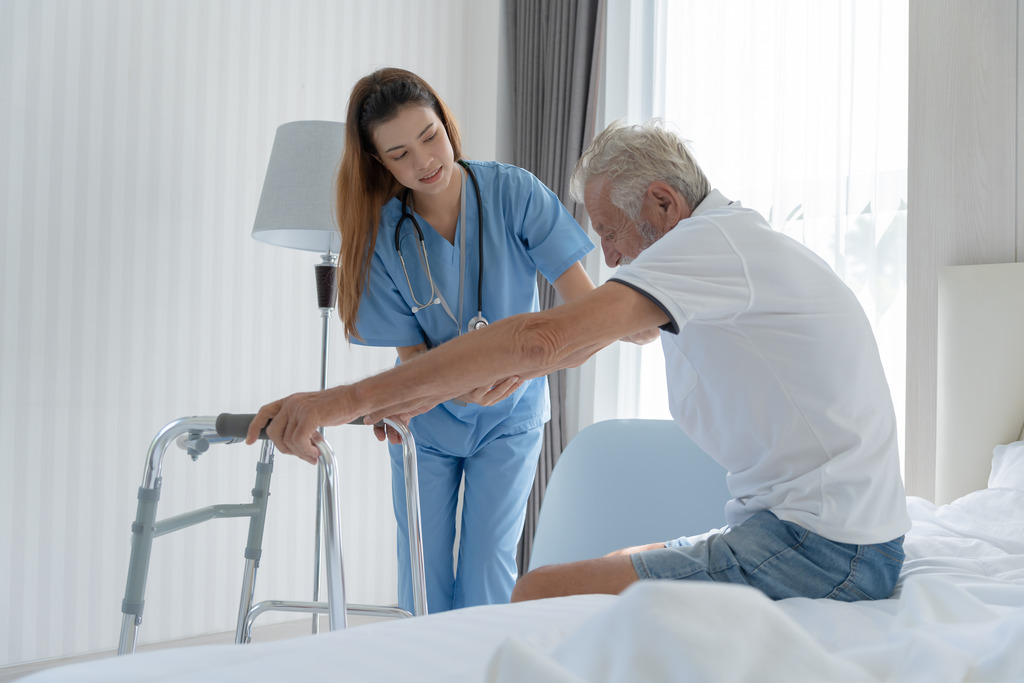
Many falls occur during routine activities such as dressing, bathing, cooking, or transferring in and out of bed. Occupational therapy for elderly at home focuses heavily on teaching safer methods for performing these tasks. Therapists observe how seniors complete everyday activities and recommend adjustments that reduce strain and improve stability. Small changes in technique often prevent accidents.
For example, therapists may teach seniors how to safely enter and exit bathtubs, organize kitchens to minimize reaching, or use adaptive equipment during dressing. These practical strategies allow individuals to remain independent while reducing injury risks. Family caregivers also benefit from learning proper assistance techniques. Education empowers both seniors and caregivers to approach daily activities with greater confidence and safety awareness.
Solution Four: Recommending Adaptive Equipment and Assistive Devices
Adaptive equipment plays an important role in fall prevention. Occupational therapists evaluate whether seniors would benefit from assistive devices such as walkers, raised toilet seats, shower chairs, grab bars, or reachers. Proper selection and training are essential because incorrectly used equipment may create additional hazards rather than improve safety.
Many older adults initially resist assistive devices because they associate them with declining independence. However, therapists emphasize that these tools actually support independence by making daily activities safer and easier. A home health care aide frequently works alongside therapists to reinforce proper equipment use during routine care visits. Coordinated support ensures seniors feel comfortable incorporating new devices into everyday life. Appropriate equipment often extends the ability to age safely at home.
Solution Five: Supporting Cognitive and Visual Challenges
Falls are not always caused by physical limitations alone. Cognitive changes, memory impairment, and vision problems significantly increase fall risks among older adults. Occupational therapists assess cognitive functioning and identify strategies that help seniors navigate their environments more safely. Interventions may include establishing routines, labeling household items, or simplifying complex tasks.
Vision-related concerns also receive careful attention during therapy visits. Therapists recommend improved lighting, contrast markings on stairs, and organizational systems that reduce confusion. Seniors living with dementia particularly benefit from structured environments and consistent routines. In many cases, a home health care aide helps reinforce these routines between therapy sessions. This collaborative approach enhances safety while supporting daily independence.
Solution Six: Educating Families and Caregivers
Family involvement remains essential for successful fall prevention. Occupational therapists spend significant time educating caregivers about environmental risks, safe transfer techniques, and effective supervision strategies. Families learn how to recognize early warning signs such as declining mobility, increased fatigue, or changes in balance. Early intervention often prevents serious incidents.
Caregiver education also reduces anxiety. Many family members worry about leaving loved ones alone or assisting with mobility tasks incorrectly. Professional guidance provides reassurance and practical solutions for common challenges. A home health care aide can further support these efforts by monitoring daily routines and communicating concerns to healthcare professionals. Strong collaboration between therapists, caregivers, and support staff leads to better outcomes.
Real-World Examples from U.S. Healthcare Organizations
Healthcare organizations throughout the United States increasingly recognize the value of home-based occupational therapy. Programs developed by organizations such as Amedisys, Enhabit Home Health, and LHC Group frequently include occupational therapy services as part of comprehensive home healthcare plans. These programs focus on improving safety, reducing hospital readmissions, and helping seniors remain independent. Patient satisfaction rates consistently demonstrate the benefits of home-based rehabilitation.
One widely recognized initiative is the CAPABLE program developed by researchers at Johns Hopkins University. This evidence-based program combines occupational therapy, nursing services, and home modifications to improve function among older adults. Research has shown significant reductions in disability and healthcare spending among participants. These findings continue influencing fall prevention programs nationwide. Real-world evidence supports the effectiveness of proactive home interventions.
The Emotional Benefits of Feeling Safe at Home
Safety improvements offer emotional benefits in addition to physical protection. Seniors who feel secure in their homes are more likely to remain active, socialize with others, and participate in meaningful activities. Confidence often increases when individuals understand how to navigate daily routines safely. Reduced fear of falling encourages greater independence and improves overall quality of life.
Families also experience peace of mind knowing that loved ones are receiving professional support. In my experience, even small home modifications can dramatically reduce stress for both seniors and caregivers. A home health care aide working alongside occupational therapists further strengthens this sense of security by providing regular assistance and observation. Emotional wellbeing remains an important component of successful aging in place.
Conclusion
Preventing falls requires more than responding after accidents occur. Occupational therapy for elderly at home provides proactive support that addresses environmental hazards, physical limitations, and daily living challenges before injuries happen. Through personalized assessments, strength training, adaptive equipment recommendations, and caregiver education, occupational therapists help seniors remain safe and independent. As America’s aging population continues to grow, home-based therapy services will play an increasingly important role in promoting healthy aging. Investing in fall prevention today can protect independence, reduce healthcare costs, and improve quality of life for years to come.