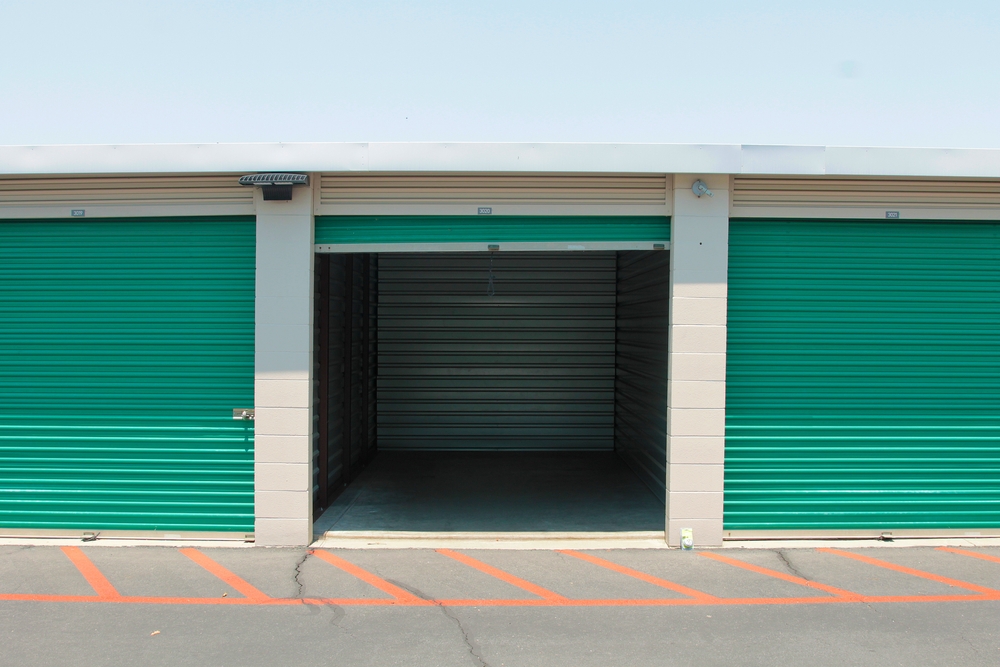
reserve a 5×10 storage unit
Move-out week hits fast. One moment, you are finishing finals. The next, you are standing in a half-empty dorm room wondering how you accumulated so much stuff. That is usually when the search for a storage unit begins, rushed and under pressure.
Most students figure it out eventually. But along the way, a lot of them make the same avoidable mistakes. Whether you are storing for a summer break or a longer gap, knowing these tips for college students renting storage units can save you money, stress, and a few bad surprises.
Here is what tends to go wrong, and how to avoid it.
-
Waiting Until the Last Minute to Book
This is probably the most common one. Students wait until the final week of the semester to search for storage. By then, the good options are already gone.
Available units get limited fast, especially around May and August. Prices also tend to go up when demand spikes. Booking two to three weeks early gives you better choices and usually a better rate.
Even if your move-out date is not confirmed yet, you can often reserve a unit in advance. A quick call or online reservation holds your spot without much commitment.
-
Guessing on Size Instead of Measuring
Students often pick a unit based on gut feeling. They see a 5×5 and think it looks big enough. Then, moving day arrives, and it is not.
A rough rule of thumb: a 5×5 fits a few boxes and bags. A 5×10 handles a mix of boxes, a mini-fridge, a bike, and some furniture. If you are clearing out a full dorm room or a shared apartment space, a 10×10 is usually the safer bet.
| Unit Size | What It Fits | Best For |
| 5×5 | Boxes, bags, small items | Minimal stuff, short breaks |
| 5×10 | Boxes, mini-fridge, bike, small furniture | Standard dorm or bedroom |
| 10×10 | Full dorm or studio contents | Longer gaps, apartment moves |
| 10×15 | Multiple rooms, larger furniture | Shared units or bulk storage |
When in doubt, go one size up. Paying a small amount extra is far less painful than trying to cram everything into a space that does not fit.
-
Choosing the Cheapest Option Without Checking the Conditions
Price matters when you are on a student budget. That is fair. But the cheapest unit is not always the best deal once you factor in what happens to your stuff.
Some budget facilities lack basic security. Others have units that are exposed to temperature and humidity swings. If you are storing electronics, clothing, books, or any wooden furniture, that matters.
Detroit summers get hot and humid. Detroit winters get cold and dry. A standard unit with no temperature regulation puts your belongings through all of that. Over a few months, it shows.
Before you book based on price alone, ask about conditions. Find out whether the facility is monitored. Check that the unit is clean and well-maintained. Saving ten dollars a month is not worth coming back to damaged belongings.
-
Ignoring Climate Control for the Wrong Items
Not everything needs climate control. Plastic bins, metal frames, and basic furniture usually handle standard conditions fine. But a lot of students store items that are more sensitive than they look.
These are the things that tend to get damaged in unregulated storage:
- Laptops, tablets, and chargers
- Textbooks and notebooks
- Clothing, especially anything delicate or formal
- Wooden furniture, desk chairs, and shelving
- Important documents and printed photos
If your storage list includes two or more items from that group, a climate-controlled unit is worth the extra cost. Think about what it would cost to replace those items if they got damaged. The math usually works out.
-
Packing in a Rush Without Any System
Moving day is stressful. Packing gets rushed. Boxes get labeled poorly or not at all. Things end up in random order inside the unit.
Two months later, when you need your laptop charger or your winter jacket, you are digging through everything and wasting an afternoon. It happens more often than it should.
A few small habits make a big difference:
- Label every box on the side, not just the top
- Keep items you might need access to near the front
- Put heavier boxes at the bottom, lighter ones on top
- Leave a narrow path into the unit so you can actually get to the back
It adds maybe fifteen minutes to your packing time. It saves a lot more than that later.
-
Not Reading the Rental Agreement
Storage agreements are usually short. Most students skim them or skip them entirely. That is where small surprises tend to hide.
Pay attention to a few things in particular. When is payment due, and what happens if you miss it? How much notice do you need to give before moving out? Are there any items you are not allowed to store? What does the facility’s insurance cover, and what does it not?
Student schedules change fast. An internship might move you to a different city. A housing plan might fall through. Knowing the terms in advance gives you options. Finding out about them after the fact usually costs more.
-
Forgetting to Think About Access
Some students book a unit and then realize the facility closes at 5 PM on weekdays. Or it is too far from campus to make a quick trip worth it.
Think about how often you might need to visit. Even if you plan to drop things off and not return until the end of summer, something always comes up. A facility with convenient hours and a reasonable location matters more than most students expect.
When you search for storage, location and access hours should be part of the checklist, not an afterthought.
-
Splitting Storage with a Roommate Without a Clear Plan
Sharing a storage unit can make sense financially. But it only works if both people are on the same page from the start.
Before you split a unit, agree on a few basics. Who is the primary renter on the contract? How will costs be divided? What happens if one person needs to retrieve items at a different time? When does the rental end, and who handles closing it?
A quick conversation before you book prevents a lot of awkward situations later. Shared storage without a clear plan often leads to someone bearing more responsibility than they signed up for.
How Schaefer Lyndon Self Storage Helps Students
We see the rush every semester. Students are looking for somewhere clean and accessible to store their belongings between moves. The need is usually urgent, and the timeline is tight.
At Schaefer Lyndon Self Storage, we offer a range of unit sizes along with temperature-regulated options for items that need more stable conditions. Our facility is in Detroit, and we keep the process as simple as possible so students can focus on the move rather than the logistics.
Whether you are storing for the summer or managing a full move between apartments, flexible options and easy access make a real difference when time is short.
Conclusion
Storage is one of those things that feels simple until you are in the middle of it. Most of the mistakes students make are not complicated. They just happen because of a rushed timeline and a few things nobody told them to think about.
Start your search early. Be honest about how much you have. Read the terms. And pack in a way that lets you find things when you actually need them.
If you are looking for a practical place to start, you can reserve a 5×10 storage unit at Schaefer Lyndon Self Storage (SLSS) and check what else is available. A little planning now saves a lot of headaches later.