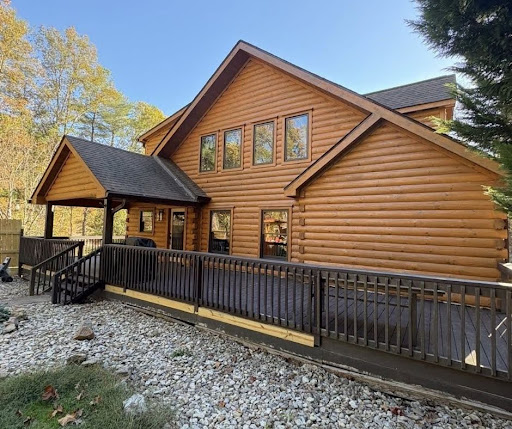
So, you’ve got a cabin. Maybe it’s your weekend escape, maybe it’s that dream log cabin tucked deep in the woods. And then, one day, you notice it—dark streaks on the logs, maybe a musty smell, and spots of soft wood under your fingers. Yeah, that’s mold and moisture creeping in, slowly ruining your logs. Nobody wants that. And if you’re staring at those spots thinking, “Do I just live with it?”—nope. You don’t. It’s time to think seriously about how to repair log cabin rot before it turns into a full-blown nightmare.
Repairing log cabin rot isn’t just about slapping on some stain or throwing a coat of paint over it. It’s a methodical, sometimes messy process that requires understanding what’s actually happening to your wood. Moisture is the enemy here. Water, condensation, leaks, or even high humidity can seep into the logs, giving mold and fungi the perfect home. And once those microscopic buggers get established, they eat away at the timber, leaving you with soft, crumbling logs. That’s where “repair log cabin rot” comes into play. You’re not just patching up cosmetic damage—you’re saving the structural integrity of your home.
Spotting the Problem Early
You can’t fix what you don’t see. And in log cabins, rot can hide in the cracks, under eaves, or behind porches. Start with a thorough inspection. Look for discoloration, soft spots, spongy areas, and any musty or earthy odors. Tap the logs lightly—hollow sounds are a warning. Check corners and end grains. These are log cabins’ weak spots. Water tends to collect there, and rot often starts small, then spreads.
Sometimes, you’ll see mold on the surface. That’s the visible tip of a bigger iceberg. Even if it looks like just a patch of green or black fuzz, the wood underneath might already be compromised. Ignoring it will cost you more in the long run. And if you’ve got severe moisture issues, you might be looking at a full replacement of some logs. It’s ugly, expensive, but better than waiting for half your cabin to sag.
Why Moisture Is the Real Culprit
Here’s the thing: mold isn’t the real enemy. It’s the symptom. Water is the real villain. If you don’t control the moisture, you’ll keep battling mold no matter how many times you clean it off. That means gutters, roof overhangs, proper drainage, and making sure your logs aren’t sitting in puddles after every rain. Even small leaks can start rot inside the wood, where you won’t see it until it’s too late.
Humidity inside the cabin matters too. If you’re running heaters, wood stoves, or even cooking a lot without proper ventilation, condensation forms. That moisture sits on the logs at night, and over time it eats into them. It’s slow, insidious, and easy to overlook. That’s why a comprehensive approach is needed.
Repair Log Cabin Rot: The Real Work
Now let’s talk about fixing it. Repairing log cabin rot isn’t glamorous. It’s hands-on, and yes, it’s often dirty work. First step: remove the damaged wood. That may mean chiseling out soft spots or even taking out entire log sections if the rot is severe. Don’t half-step this. Leaving even a little rotted wood behind will let the problem bounce back.
Next, treat the surrounding wood with preservatives. There are products made for log homes that penetrate deep and stop fungal growth. Don’t skimp. This isn’t just about patching. You’re essentially sterilizing the wood and preparing it to be structurally sound again.
If sections were removed, you might need to replace them. That’s where proper log fitting comes in—cutting, sanding, and sealing new logs so they integrate seamlessly. Precision matters here. A poorly fitted replacement is an invitation for future moisture problems. Seal the joints carefully with caulking designed for log homes. Don’t just grab any silicone—logs expand and contract, and your sealant needs to move with them.
This is also the point where log home repair and restoration comes into play. If you’re dealing with decades-old logs, weathered wood, or previous repairs, the process gets trickier. Matching wood types, grain, and even stain colors matters if you want your cabin to look good while being solid. Restoration isn’t just patching—it’s bringing back the strength and appearance of the original structure.
Preventing Future Rot
Okay, you’ve repaired the rot. You’ve got new logs or treated old ones. Now don’t make the rookie mistake: ignore ongoing maintenance. Rot comes back faster than you think if you let water linger. Seal your logs regularly. Check for cracks where rain can sneak in. Clean gutters and downspouts. Make sure landscaping slopes away from the cabin foundation. And ventilation—don’t underestimate it. Moisture trapped inside is a silent destroyer, and staying consistent here is a huge part of proper log house restoration.
Consider using a moisture meter to check logs periodically. It’s a simple tool that can save you thousands in the long run. And yeah, inspect after big storms. Nature doesn’t wait, and neither should you.
When to Call in Professionals
Sometimes, DIY just won’t cut it. If the rot is extensive, logs are sagging, or mold has spread to hidden structural areas, a professional log home repair team is worth every penny. They’ve seen the worst, know the right products, and can prevent mistakes that’ll haunt you later. There’s no shame in getting help—rotting logs are a serious risk to safety and property value.
Conclusion: Don’t Let Rot Win
Here’s the bottom line: mold and moisture are relentless. They’ll gnaw away at your cabin logs if you ignore them. Repair log cabin rot early, treat wood properly, replace damaged sections when needed, and stay on top of moisture management. Do all that, and your cabin isn’t just surviving—it’s thriving.
Log home repair and restoration isn’t a one-and-done deal. It’s a commitment. But it’s worth it. Because once you see that cabin standing solid, smelling fresh, and looking like the retreat you dreamed of—you know the work paid off. Don’t wait until it’s too late. Take action now. Your logs will thank you.