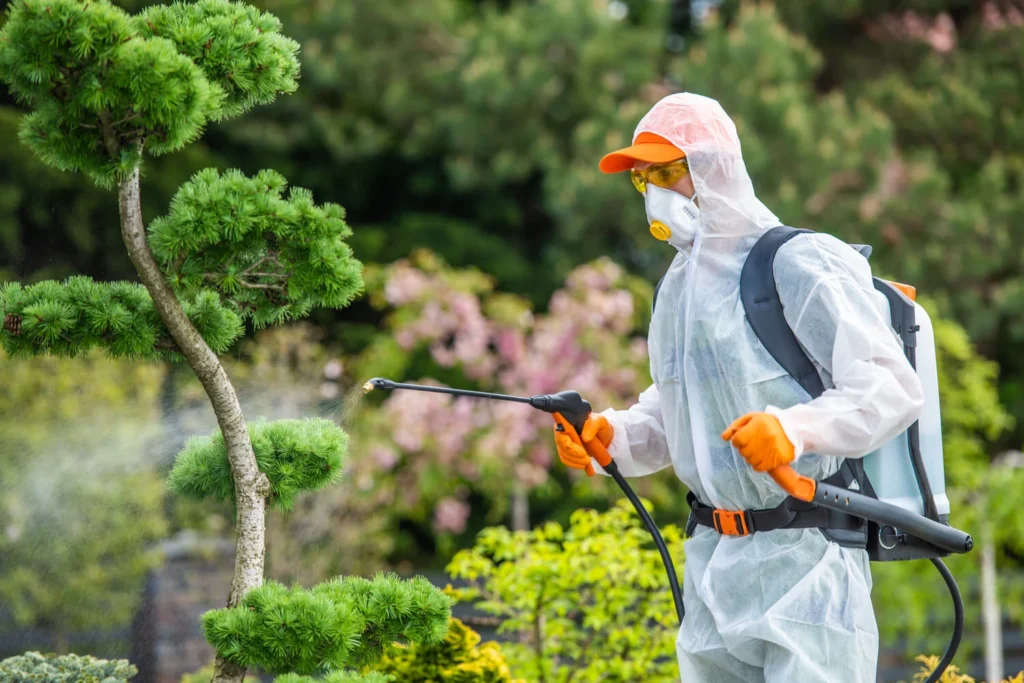
Finding reliable pest control services Sydney residents and businesses can depend on is essential for maintaining a clean, comfortable, and protected property. Pests can appear unexpectedly, damage building materials, contaminate food, and create ongoing hygiene concerns. Whether you are dealing with cockroaches in the kitchen, ants around your pantry, termites in timber structures, or rodents inside your roof, taking action early can prevent a minor issue from becoming a serious infestation.
Sydney’s environment provides suitable conditions for many common pests. Warm weather, humidity, gardens, waterways, construction activity, and accessible food sources can attract insects and rodents throughout the year. Even properties with excellent cleaning and maintenance routines can experience unwanted pest activity.
Although supermarket sprays and traps may help with limited problems, established infestations often require a more targeted approach. Professional pest management involves identifying the pest, locating potential harbourage areas, selecting appropriate treatments, and recommending practical prevention measures.
This guide explains the importance of professional pest management, common pests found in Sydney, available treatment options, and ways to choose a suitable provider. Whether you own a home, manage rental accommodation, or operate a commercial property, understanding these services can help you make informed decisions.
Why Pest Control Services Sydney Properties Need Are Important
Pest problems can affect properties in several ways. Some pests contaminate food and surfaces, while others damage timber, insulation, electrical wiring, and stored belongings.
Professional pest management helps address existing problems and reduce the conditions that encourage pests to return.
Sydney’s Climate Attracts Different Pests
Sydney experiences changing weather throughout the year. Warm temperatures and periods of humidity can encourage activity among insects such as cockroaches, ants, mosquitoes, and termites.
Rodents may also enter buildings when seeking food, water, and shelter.
Different suburbs have different environmental conditions. Properties near parks, gardens, waterways, older buildings, and commercial food areas may experience particular pest pressures.
Local pest management professionals can assess these conditions and recommend suitable treatment strategies.
Pests Can Affect Health and Hygiene
Certain pests can contaminate food, kitchen surfaces, storage areas, and other frequently used spaces.
Cockroaches may spread contaminants as they move between drains, rubbish areas, and food preparation surfaces. Rodents can contaminate stored products through droppings and urine.
Mosquitoes can also transmit diseases in certain circumstances.
Professional pest control helps reduce pest activity and supports a cleaner environment. However, treatment should always be combined with proper cleaning, food storage, and property maintenance.
Pest Damage Can Become Expensive
Some infestations create structural or material damage.
Termites can damage timber components, including flooring, frames, and other wooden structures. Rodents may chew cables, insulation, and packaging.
The longer these problems remain undetected, the more complicated repairs and treatment may become.
Early inspections can help identify warning signs before damage becomes extensive.
Common Pests Found in Sydney Homes and Businesses
Different pests require different treatment methods. Recognising the signs of an infestation can help you arrange the right service.
1. Cockroaches
Cockroaches are among the most common household pests.
They are attracted to warmth, moisture, food residue, and sheltered spaces. Kitchens, bathrooms, storage rooms, and commercial food preparation areas can provide suitable hiding places.
Common signs include:
- Live cockroaches, especially at night
- Droppings inside cupboards
- Egg cases
- Shed skins
- Unpleasant odours
- Activity behind refrigerators and appliances
Cockroaches can contaminate food and surfaces. Their presence may also aggravate allergies and asthma symptoms in some people.
Professional cockroach treatments focus on likely hiding places, movement routes, and other areas supporting an infestation.
Good sanitation and moisture control are important for preventing recurring activity.
2. Ants
Ants often enter properties searching for food and water.
They may appear around kitchen benches, pantry shelves, rubbish bins, windows, and outdoor entertainment areas.
Different ant species have different nesting habits. Some establish colonies in soil, while others may nest inside wall cavities, timber, or other sheltered locations.
Wiping away visible ants may provide temporary relief, but the colony can remain active.
Effective ant management depends on identifying the species, locating activity, and selecting a suitable treatment.
Keeping food sealed and cleaning spills quickly can also reduce attraction.
3. Termites
Termites are a major concern for property owners because they can cause significant timber damage.
They feed on cellulose materials found in timber and other plant-based products.
Possible warning signs include:
- Mud tubes along walls or foundations
- Hollow-sounding timber
- Damaged door frames
- Blistered paint
- Discarded wings near windows
- Deteriorating timber flooring
Termite activity can remain hidden inside building structures. Visible damage may appear only after an infestation has progressed.
A professional termite inspection is important when you notice possible signs.
General pest treatments should not be assumed to provide termite protection. Specialist termite inspections and management programs are separate services.
4. Rats and Mice
Rodents enter buildings while searching for food, water, and shelter.
They can hide inside roof spaces, garages, wall cavities, storage rooms, and sheds.
Common signs include scratching noises, droppings, gnaw marks, damaged packaging, and unusual smells.
Rodents may damage electrical wiring, insulation, furniture, and stored goods. They can also contaminate food storage areas.
Professional rodent management may involve identifying activity, using suitable control methods, and recommending ways to prevent future access.
Sealing entry points is particularly important for long-term prevention.
5. Spiders
Different spider species can be found around Sydney homes and businesses.
They may enter through open windows, doors, garages, wall gaps, and outdoor storage areas.
Some spiders are harmless, while others may present a medical concern.
Avoid handling unidentified spiders. If someone is bitten and experiences concerning symptoms, seek medical advice promptly.
Pest management professionals can assess spider activity and recommend suitable treatments around relevant areas.
6. Mosquitoes
Mosquitoes are particularly noticeable during warmer periods and after suitable rainfall.
They breed in standing water, including containers, blocked gutters, garden equipment, and other water-holding objects.
Their bites can cause discomfort, and some mosquito species can transmit diseases.
Removing standing water is an important prevention step. Professional advice can help identify breeding conditions around residential and commercial properties.
7. Bed Bugs
Bed bugs are small insects that feed on human blood.
They commonly hide around mattress seams, bed frames, furniture joints, and cracks near sleeping areas.
Signs may include small blood spots, dark marks, shed skins, and repeated bites.
Bed bug infestations can be difficult to eliminate because these insects hide in narrow spaces and may spread through luggage, furniture, and personal belongings.
Professional treatment is often necessary for established infestations.
Types of Pest Control Services Available in Sydney
Professional pest management providers may offer several services depending on the pest species and property requirements.
Understanding these options helps you select the appropriate treatment.
General Pest Control
General pest control commonly addresses pests such as cockroaches, ants, spiders, and other crawling insects.
The service may involve an inspection and treatment of suitable internal and external areas.
Treatment methods depend on the property, pest activity, and products selected.
A technician should explain the areas covered and any preparation requirements before starting.
Termite Inspection and Management
Termite services focus specifically on detecting and managing termite activity.
A professional inspection may assess accessible timber components, foundations, roof spaces, and other relevant areas.
Depending on the findings, management options may include monitoring systems, chemical barriers, or targeted treatments.
Property owners should follow professional recommendations for ongoing inspections.
Rodent Control
Rodent services help manage rats and mice inside residential and commercial properties.
Treatment may involve suitable traps, bait stations, monitoring, and recommendations for sealing entry points.
The technician should identify possible food sources and access routes.
Good waste management and secure food storage also support long-term control.
Bed Bug Treatment
Bed bug management requires careful inspection and targeted treatment.
Technicians may examine mattresses, bed frames, furniture, skirting boards, and other likely hiding places.
Preparation instructions can be important for successful treatment.
Follow the provider’s advice about laundering, cleaning, moving furniture, and any required follow-up visits.
Commercial Pest Management
Commercial pest control addresses the specific risks associated with business environments.
Restaurants, offices, retail stores, warehouses, childcare facilities, and hospitality venues may all need different pest management arrangements.
Businesses should consider their operations, building layout, food storage practices, and applicable regulatory obligations.
Benefits of Hiring Professional Pest Control Services
Professional treatment offers several advantages over relying entirely on household products.
Accurate Pest Identification
Different species can require different management methods.
A professional technician can assess the signs, identify likely pest activity, and recommend a suitable approach.
Correct identification reduces the risk of using ineffective products or treating the wrong areas.
Targeted Treatment Methods
Professional pest management focuses on locations where pests hide, travel, enter, and reproduce.
This may include cracks, wall junctions, roof spaces, foundations, drainage areas, and storage spaces.
Targeted treatment can be more practical than repeatedly spraying visible insects.
Reduced Risk of Recurring Infestations
Treating visible pests does not always address the source.
A professional assessment can identify conditions that allow pests to survive, including moisture, accessible food, clutter, and building gaps.
Addressing these conditions helps reduce the likelihood of recurring problems.
Appropriate Product Selection
Pest control products must be selected and applied carefully.
Professional operators should follow product labels, relevant safety requirements, and applicable Australian regulations.
They should also explain precautions for occupants, children, pets, and other people using the property.
Ongoing Prevention Advice
A reliable pest control provider should explain how to reduce future pest activity.
This may include improving ventilation, repairing leaks, sealing entry points, storing food properly, and maintaining outdoor areas.
Prevention advice is an important part of effective pest management.
Residential Pest Control Services Sydney Homeowners Can Consider
Residential properties can experience different pest problems depending on their age, construction, location, and surroundings.
Apartments, townhouses, detached houses, and older homes may all require different treatment approaches.
Kitchen and Bathroom Treatments
Kitchens and bathrooms provide food, moisture, and shelter.
Cockroaches and ants are particularly attracted to these environments.
A professional inspection may focus on plumbing gaps, cupboards, appliances, drains, and wall openings.
Homeowners can support treatment by fixing leaks, cleaning food residue, and storing groceries in sealed containers.
Roof and Ceiling Inspections
Roof spaces can provide shelter for rodents and other unwanted animals.
Scratching sounds, droppings, damaged insulation, and unusual odours may indicate activity.
It is important to identify animals correctly before arranging treatment.
Native wildlife, including possums, is protected under relevant Australian laws and should not be treated as ordinary pest species.
Garden and Outdoor Treatments
Gardens, patios, sheds, and outdoor entertainment areas may attract ants, mosquitoes, and spiders.
Overgrown vegetation, standing water, and unmanaged rubbish can create favourable conditions.
Professional advice can help identify problem areas and recommend practical improvements.
Commercial Pest Control for Sydney Businesses
Pest management is important for businesses because infestations can affect hygiene, operations, stock, and customer confidence.
Different commercial environments require different approaches.
Restaurants and Food Businesses
Food businesses must manage pests carefully to reduce contamination risks.
Cockroaches, rodents, and flies can affect food storage and preparation areas.
A suitable pest management program should consider cleaning schedules, waste storage, food handling practices, and building maintenance.
Businesses should also maintain relevant pest management records where required.
Offices and Retail Stores
Offices and retail properties may experience ants, cockroaches, spiders, and rodents.
Pests can affect employee comfort and customer confidence.
Regular inspections and appropriate prevention measures can help manage these risks.
Warehouses and Storage Facilities
Warehouses may contain packaging, pallets, stock, and stored materials that attract pests.
Rodents and insects can damage products and contaminate storage areas.
A commercial treatment plan should consider building access points, stock arrangements, waste areas, and inspection frequency.
How to Choose the Right Pest Control Provider in Sydney
Choosing a pest management company requires more than comparing prices.
A suitable provider should understand your pest problem, explain the treatment process, and follow appropriate safety practices.
Check Licensing and Qualifications
Pest management work in New South Wales is subject to licensing and regulatory requirements.
Ask whether the business and technicians hold the relevant licences for the services being provided.
For specialist services, such as termite management, confirm that the provider has appropriate experience and qualifications.
Ask About the Inspection Process
A professional provider should understand the pest problem before recommending treatment.
Ask which areas will be inspected and whether the technician will assess entry points, harbourage locations, and environmental conditions.
The inspection scope depends on the property and service requested.
Understand the Treatment Plan
Ask which products and methods will be used.
The provider should explain treatment coverage, preparation requirements, safety precautions, and any follow-up recommendations.
Be cautious of unrealistic promises or claims of guaranteed permanent elimination.
Compare Quotes and Service Coverage
The cheapest quote may not provide the most suitable service.
Compare inspection coverage, treatment methods, follow-up arrangements, communication, and applicable warranty conditions.
Request written details when possible.
Consider Local Experience
A provider familiar with Sydney properties may understand common pest issues across different residential and commercial environments.
Experience with apartments, older homes, warehouses, and food businesses can be particularly useful.
How to Prevent Pest Infestations Between Treatments
Professional pest management works best when supported by good property maintenance.
Small daily habits can reduce the conditions that attract unwanted pests.
Store Food Properly
Keep groceries in sealed containers and avoid leaving uncovered food overnight.
Clean crumbs and spills promptly. Keep rubbish bins closed and remove waste regularly.
Fix Leaks and Reduce Moisture
Repair leaking taps and pipes.
Improve ventilation in bathrooms, laundries, and other damp areas. Avoid allowing water to collect around the property.
Moisture management can help discourage cockroaches, mosquitoes, and other pests.
Seal Gaps and Entry Points
Inspect doors, windows, walls, and service openings.
Use suitable materials to seal gaps where pests may enter.
Door sweeps and window screens can also reduce access.
Maintain Outdoor Areas
Trim vegetation near the building and remove unnecessary clutter.
Prevent water from collecting in containers and keep stored materials away from direct contact with the building where practical.
Inspect Furniture and Deliveries
Check second-hand furniture and mattresses before bringing them indoors.
Inspect stored packaging and deliveries if there are signs of pest activity.
These simple precautions can help reduce the risk of introducing pests.
Is Professional Pest Control Safe for Children and Pets?
Professional pest control can be carried out with appropriate precautions.
However, safety requirements depend on the product, application method, pest species, and property conditions.
Before treatment, tell the technician about children, pets, aquariums, and any other relevant household requirements.
Follow all preparation and re-entry instructions supplied by the provider and product label.
Do not assume every treatment requires the same waiting period. The technician should explain the specific precautions relevant to the service.
How Long Does Pest Control Treatment Last?
Treatment effectiveness varies according to the pest species, infestation level, products used, property conditions, and ongoing maintenance.
Some treatments may provide residual protection for a period, while other infestations require follow-up visits or monitoring.
For example, established bed bug problems may need a more detailed treatment program than a minor crawling insect issue.
Termite management also requires a separate inspection and monitoring approach.
Ask your provider what results to expect, whether further visits are recommended, and which maintenance steps can help protect the property.
Conclusion
Pest infestations can affect homes and businesses throughout Sydney. Cockroaches, ants, termites, rodents, spiders, mosquitoes, and bed bugs all require different management strategies.
Reliable pest control services Sydney providers offer can help identify pest activity, apply suitable treatments, and reduce the conditions that encourage infestations.
The best approach combines professional expertise with everyday property maintenance. Proper food storage, moisture control, regular cleaning, garden maintenance, and sealed entry points all support long-term pest prevention.
When selecting a pest control company, check relevant licensing, ask about inspection procedures, understand the treatment plan, and follow all safety instructions.
Whether you are protecting a family home, managing a rental property, or operating a commercial business, taking pest concerns seriously can help maintain a cleaner and more comfortable environment.
Frequently Asked Questions About Pest Control Services Sydney
1. What Do Pest Control Services Sydney Usually Include?
Services may include inspections, treatments, and prevention advice for cockroaches, ants, spiders, rodents, and other pests. Termite inspections and bed bug treatments may require specialist services.
2. How Much Do Pest Control Services Cost in Sydney?
Costs depend on property size, pest species, infestation severity, treatment methods, and service coverage. Request a detailed quote explaining what the inspection and treatment include.
3. How Long Does a Pest Control Treatment Take?
Treatment time depends on the property and infestation. A general pest treatment may take less time than a detailed termite inspection or established bed bug treatment.
4. How Often Should I Book Pest Control?
The ideal frequency depends on pest activity, property conditions, surrounding environments, and previous infestations. A qualified provider can recommend an appropriate schedule.
5. What Are the Most Common Pests in Sydney?
Common pests include cockroaches, ants, termites, rats, mice, spiders, mosquitoes, and bed bugs. Their activity varies according to weather and property conditions.
6. Is Professional Pest Control Better Than DIY Treatment?
Professional treatment can be more suitable for established infestations because technicians can identify pest species, inspect harbourage areas, and select appropriate methods. DIY products may help with limited problems when used according to their labels.
7. Do Pest Control Services Include Termite Treatment?
Some providers offer specialist termite inspections and management. However, general pest control should not be assumed to include termite protection. Confirm the exact service coverage before booking.
8. Do I Need to Leave My Home During Pest Control?
It depends on the products and application methods used. Your technician should explain whether occupants and pets need to leave and when they can safely return.
9. Is Pest Control Safe for Children and Pets?
Treatments can be carried out with suitable precautions. Tell the technician about children and pets, and follow all product-specific preparation and re-entry instructions.
10. How Should I Prepare My Property for Pest Control?
Preparation may involve cleaning surfaces, storing food, moving furniture, covering certain items, or providing access to affected areas. Follow the instructions provided by your pest management company.
11. Can Pest Control Eliminate Cockroaches?
Professional treatment can significantly reduce cockroach activity. Long-term management also depends on proper sanitation, moisture control, food storage, and reducing hiding places.
12. When Should I Arrange a Termite Inspection?
Arrange an inspection if you notice mud tubes, damaged timber, discarded wings, or other possible warning signs. Regular professional inspections are also important because termite activity can remain hidden.
13. Can Pest Control Help With Rats and Mice?
Yes. Professional rodent management may include inspections, appropriate control methods, monitoring, and advice about sealing entry points and removing accessible food sources.
14. Do Businesses Need Regular Pest Control?
Many businesses benefit from scheduled pest inspections and management. Restaurants, warehouses, retail stores, and hospitality venues may have particular requirements based on their operations and applicable regulations.
15. How Do I Choose a Reliable Pest Control Company in Sydney?
Check relevant licences, experience, service coverage, treatment methods, and customer feedback. Choose a provider that clearly explains inspection procedures, safety precautions, pricing, and follow-up recommendations.