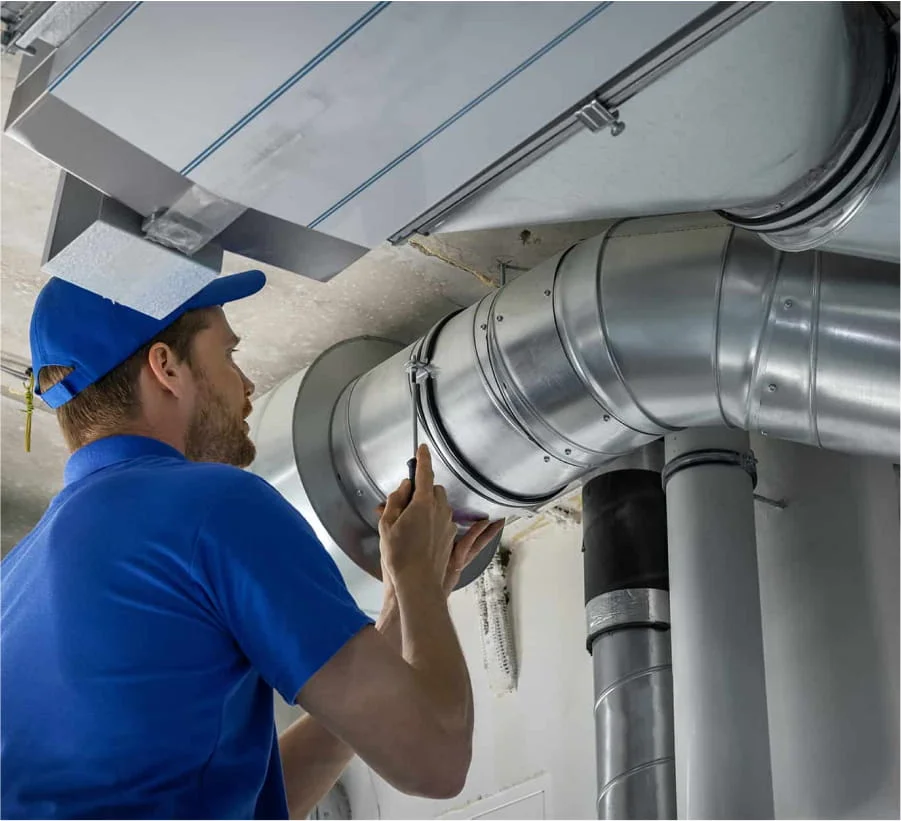
Your heating and cooling system depends on more than just an air conditioner or furnace. Behind the walls, ceilings, and floors, ductwork plays an essential role in distributing conditioned air throughout your property. When ducts become damaged, disconnected, or poorly sealed, your HVAC system may struggle to maintain comfortable temperatures.
This is where professional duct repairs become important. Properly maintained ductwork helps improve airflow, reduce energy waste, and support consistent indoor comfort. It can also prevent dust and other unwanted particles from entering the air distribution system.
Whether you are experiencing weak airflow, unusual noises, rising energy bills, or uneven temperatures, damaged ductwork could be part of the problem. Understanding how ducts work and when they need attention can help you make informed maintenance decisions.
This guide explains common duct problems, warning signs, repair methods, costs, and preventative maintenance tips. It also covers why professional inspections are important for keeping your HVAC system operating efficiently.
What Are Duct Repairs?
Duct repairs involve identifying and fixing problems within an HVAC ductwork system. Ducts carry heated or cooled air from your heating and cooling equipment to different rooms throughout a building.
Over time, ductwork can develop leaks, cracks, loose connections, insulation damage, or physical deterioration. These issues can affect airflow and make your HVAC system work harder than necessary.
Professional duct repairs address these problems by restoring the condition and performance of the air distribution network.
Depending on the damage, repairs may involve:
- Sealing air leaks and small gaps.
- Reconnecting disconnected duct sections.
- Replacing damaged duct components.
- Repairing crushed or bent ductwork.
- Restoring damaged insulation.
- Securing loose connections and supports.
- Correcting airflow restrictions.
- Addressing damaged duct fittings.
The correct solution depends on the duct material, location, age, and extent of the damage. A professional inspection helps determine whether a repair is sufficient or whether replacement is more practical.
Why Is Properly Maintained Ductwork Important?
Ductwork has a direct impact on HVAC performance. Even a high-quality heating or cooling unit may struggle if the connected duct system has significant leaks or restrictions.
Maintaining ductwork helps support several important aspects of indoor comfort.
Consistent Air Distribution
Your HVAC system should distribute conditioned air throughout the property. Damaged or disconnected ducts can prevent certain rooms from receiving enough air.
This may create noticeable temperature differences between rooms.
Professional duct repairs help restore proper airflow by addressing damaged sections, loose connections, and other restrictions.
Improved Energy Efficiency
Leaking ducts allow conditioned air to escape before reaching its intended destination. This means your heating or cooling system may need to operate longer to maintain the desired temperature.
Sealing leaks and repairing damaged sections can reduce unnecessary air loss.
However, actual energy savings depend on the size of the leaks, system design, insulation, and overall building condition.
Better Indoor Comfort
Weak airflow, inconsistent temperatures, and uncomfortable rooms can affect everyday living.
A properly functioning duct system helps distribute conditioned air more evenly. This makes it easier to maintain comfortable indoor conditions throughout the year.
Reduced HVAC System Strain
When ductwork has restrictions or significant leaks, the HVAC system may operate under less favourable conditions.
Resolving duct problems can help improve system operation and reduce unnecessary strain. It does not replace routine servicing of the heating or cooling equipment itself.
Better Indoor Air Quality
Damaged ducts can allow dust and other contaminants to enter the air distribution system, particularly when leaks occur in dusty or contaminated spaces.
Sealing appropriate openings and addressing damaged components can help reduce unwanted particle entry.
However, duct repairs alone do not resolve every indoor air quality problem. Filtration, ventilation, humidity control, and regular cleaning may also be necessary.
Common Signs Your Ductwork Needs Repairs
Duct problems are not always visible because much of the system is concealed behind ceilings, walls, or floors. Fortunately, several warning signs can indicate that an inspection is needed.
Weak Airflow From Vents
If some rooms receive noticeably less air than others, the ductwork may have a blockage, leak, disconnected section, or damaged component.
First, check whether supply vents are open and unobstructed. If airflow remains weak, a professional inspection can help identify the underlying issue.
Uneven Temperatures Between Rooms
A bedroom may remain warm while the living room feels comfortable. Similarly, some areas may become colder than others when the heating system operates.
Uneven temperatures can result from duct leakage, poor system balancing, insulation problems, or an incorrectly designed duct layout.
Duct inspections help determine whether damaged ductwork contributes to the problem.
Unusual Noises
Rattling, whistling, banging, and vibrating sounds may come from loose duct connections or damaged sections.
Whistling can sometimes indicate air escaping through small openings. Rattling may suggest loose supports or fittings.
Not every unusual sound comes from ductwork, so the complete HVAC system should be assessed.
Higher Energy Bills
Unexpected increases in heating or cooling costs may indicate that your system is operating inefficiently.
Leaking ductwork is one possible cause. Other possibilities include dirty filters, equipment faults, thermostat settings, insulation problems, and changing energy rates.
A professional assessment can help identify the source.
Dust Around Air Vents
Excessive dust around vents may indicate a maintenance issue or air leakage. In some situations, damaged ductwork can draw particles from surrounding spaces.
However, dust accumulation can also result from household activities, inadequate filtration, or poor cleaning practices.
Musty or Unpleasant Odours
Unusual smells coming from vents may indicate moisture problems, contaminated components, or other HVAC issues.
Moisture inside or around ductwork deserves attention because it can contribute to microbial growth under suitable conditions.
If you notice persistent musty odours, arrange an inspection rather than relying on air fresheners to hide the smell.
What Causes Ductwork Damage?
Duct systems can deteriorate for several reasons. Understanding the causes helps property owners identify potential risks and prevent recurring problems.
Age and Natural Deterioration
Older duct systems may develop loose joints, deteriorating insulation, and weakened materials.
Flexible ducts can become brittle or damaged over time, while metal ducts may develop corrosion in areas exposed to moisture.
Regular inspections can help identify deterioration before it affects larger sections of the system.
Poor Installation
Incorrect installation can create problems from the beginning.
Examples include poorly sealed joints, unsupported flexible ducts, sharp bends, and unsuitable duct sizing.
These issues may restrict airflow or allow conditioned air to escape.
Professional repairs can correct certain installation-related problems, although extensive design defects may require more substantial modifications.
Physical Damage
Ductwork located in roof spaces, basements, garages, and service areas can be damaged accidentally.
Maintenance workers, stored items, construction activities, or pests may crush, puncture, or disconnect duct sections.
Flexible ductwork is particularly vulnerable to compression and tearing.
Moisture and Condensation
Moisture can damage duct insulation and contribute to corrosion in certain materials.
Condensation may occur when warm, humid air contacts cold duct surfaces without adequate insulation or vapour control.
The underlying moisture source should be identified before repairs are completed.
Loose Connections
Duct sections are connected through joints, fittings, and other components. Over time, vibration and poor support may cause connections to loosen.
Even small gaps can affect system performance when they occur throughout the duct network.
Types of Duct Repairs
The appropriate repair depends on the condition of the system and the location of the damage.
A qualified technician should inspect the ductwork before recommending a specific solution.
Duct Sealing
Duct sealing involves closing gaps, joints, and openings that allow air to escape.
Technicians may use approved sealing materials designed for HVAC applications.
Sealing can be particularly useful when leakage occurs around connections, fittings, and accessible duct sections.
The repair should address the source of leakage rather than simply covering visible openings with unsuitable materials.
Flexible Duct Repair
Flexible ducts are commonly used in residential and light commercial HVAC systems.
They can become torn, crushed, disconnected, or stretched beyond their intended configuration.
Minor damage may sometimes be repairable. However, severely damaged or deteriorated sections may need replacement.
Proper support and routing are important to prevent future airflow restrictions.
Metal Duct Repair
Metal ductwork is commonly found in commercial buildings and many residential HVAC installations.
It can develop damaged seams, loose joints, corrosion, or physical deformation.
Repairs may involve resealing joints, securing connections, replacing damaged fittings, or installing new duct sections.
Duct Insulation Repair
Insulation helps reduce unwanted heat transfer between ductwork and surrounding spaces.
Damaged or missing insulation can reduce system efficiency and contribute to condensation problems.
A technician may replace deteriorated insulation or improve coverage around vulnerable sections.
The correct insulation type depends on duct location, environmental conditions, and applicable building requirements.
Duct Replacement
Sometimes repairing an existing section is not the best long-term solution.
Replacement may be necessary when ductwork has extensive damage, severe corrosion, widespread contamination, or an unsuitable design.
A professional should explain why replacement is recommended and whether partial repairs remain practical.
The Professional Duct Repair Process
Understanding the repair process helps property owners know what to expect when hiring an HVAC technician.
Although procedures vary, most professional services follow a structured approach.
Initial Assessment
The technician discusses your concerns and asks about symptoms such as weak airflow, unusual noises, temperature differences, and increased energy consumption.
They may also review the age and maintenance history of your HVAC system.
Ductwork Inspection
The technician examines accessible duct sections, connections, insulation, vents, and other relevant components.
Depending on the system, inspection may involve roof spaces, ceiling cavities, basements, or service areas.
Specialised equipment may be used to investigate hidden problems.
Identifying the Cause
Finding visible damage is only part of the process. The technician should determine why the problem occurred.
For example, repeated duct disconnections may indicate inadequate support or installation problems.
Addressing the underlying cause helps reduce the likelihood of recurring damage.
Repair Recommendation
After the inspection, the technician explains the recommended work.
This may involve sealing, reconnecting, supporting, insulating, or replacing specific duct sections.
You should receive a clear explanation of the affected areas and the expected scope of work.
Completing the Repairs
The technician carries out the agreed repairs using suitable materials and methods.
Work should be completed carefully to avoid creating additional airflow restrictions or damaging nearby building components.
Final Checks
After the work, the technician may inspect repaired sections and check airflow or system operation.
Depending on the job, they may also recommend additional maintenance or improvements.
How Much Do Duct Repairs Cost?
The cost of duct repairs depends on several factors. A small accessible leak will generally require less work than a damaged duct section hidden inside a ceiling.
Important pricing factors include:
Type of damage: Small gaps, loose joints, crushed flexible ducts, and corroded metal sections require different repair methods.
Accessibility: Ductwork in open service areas may be easier to access than sections concealed behind walls or ceilings.
Repair materials: Costs vary depending on the duct material, insulation, fittings, and sealing products required.
Labour requirements: Extensive inspections and complex repairs may take longer to complete.
Extent of damage: Multiple damaged sections may require more materials and labour than a single isolated problem.
Replacement requirements: Replacing severely damaged ductwork can cost more than repairing a small section.
When requesting a quotation, ask for a breakdown of labour, materials, inspection charges, and any additional work.
A very low quotation may not include a complete inspection or address the underlying cause of the problem.
Can You Repair Ductwork Yourself?
Some basic duct maintenance tasks can be handled by property owners. For example, you can check whether vents are blocked, replace HVAC filters according to manufacturer instructions, and keep accessible areas free from stored items.
However, more complex repairs should be completed by a qualified professional.
Working inside ceiling cavities, handling damaged insulation, accessing electrical equipment, or modifying duct connections can involve safety risks.
DIY repairs may also use unsuitable materials or create additional airflow restrictions.
If you notice visible duct damage, arrange a professional assessment before attempting extensive repairs.
Duct Repairs vs Duct Replacement: Which Is Better?
The choice between repairing and replacing ductwork depends on the condition of the existing system.
Repairs are often suitable when damage is limited to a small number of accessible sections. Sealing leaks, reconnecting fittings, and replacing isolated damaged components can restore performance without changing the entire system.
Replacement may be more appropriate when ductwork is extensively deteriorated, incorrectly sized, poorly designed, or repeatedly developing problems.
The age of the system also matters. If several sections are failing, repairing one area may only provide a temporary solution.
A professional technician should compare the expected cost and benefits of both options.
How to Maintain Your Ductwork After Repairs
Once repairs are complete, regular maintenance can help protect your investment and support reliable HVAC operation.
Replace Air Filters Regularly
Dirty filters can restrict airflow and place additional demands on your HVAC equipment.
Check filters according to the manufacturer’s recommendations and replace them when necessary.
The correct replacement frequency depends on filter type, household conditions, pets, and system usage.
Keep Vents Clear
Avoid placing furniture, rugs, or other objects directly over supply and return air vents.
Blocked vents can interfere with air circulation and contribute to uneven temperatures.
Schedule HVAC Inspections
Routine HVAC maintenance allows technicians to check equipment operation and identify developing problems.
Ask whether ductwork should also be inspected as part of your maintenance schedule.
Check Accessible Duct Sections
If you can safely access visible ductwork, look for disconnected joints, damaged insulation, and obvious physical deterioration.
Do not enter unsafe roof spaces or disturb insulation materials without appropriate precautions.
Address Moisture Problems Quickly
Investigate leaks, condensation, and damp areas around ductwork.
Resolving moisture problems helps protect duct materials and reduce the risk of ongoing deterioration.
Why Professional Duct Repairs Matter for Commercial Buildings
Commercial properties often have larger and more complex duct systems than residential buildings.
Offices, retail spaces, restaurants, warehouses, and healthcare facilities depend on reliable air distribution to maintain comfortable indoor environments.
Damaged ductwork can contribute to uneven temperatures, increased operating costs, and complaints from occupants.
Professional duct repairs help businesses maintain HVAC performance while identifying issues that may affect indoor comfort.
For larger facilities, planned inspections and preventative maintenance can help identify problems before they interrupt normal operations.
Commercial ductwork may also require attention to access requirements, ventilation standards, fire and smoke control provisions, and applicable building regulations.
This is why commercial repairs should be planned and completed by appropriately qualified HVAC professionals.
Conclusion
Ductwork is an essential part of every central heating and cooling system. When ducts become damaged, disconnected, or poorly insulated, the effects can include weak airflow, inconsistent temperatures, higher energy consumption, and reduced indoor comfort.
Professional duct repairs help address these problems by restoring damaged sections, sealing leaks, improving insulation, and correcting connection issues.
The most important step is identifying the actual cause of the problem. A proper inspection helps determine whether a simple repair, partial replacement, or larger ductwork improvement is necessary.
With suitable professional support and regular maintenance, you can keep your duct system in better condition and help your HVAC equipment distribute conditioned air more effectively.
Frequently Asked Questions About Duct Repairs
1. What are the most common signs that ductwork needs repairs?
Common signs include weak airflow, uneven room temperatures, unusual noises, higher energy bills, visible duct damage, and persistent dust around vents. These symptoms can also have other causes, so an inspection is recommended.
2. How long do duct repairs take?
Minor repairs may take less than a few hours, depending on accessibility and the type of damage. Larger jobs involving concealed ductwork or multiple damaged sections may take longer.
3. Can leaking ducts increase energy bills?
Yes. Leaking ducts can allow conditioned air to escape before reaching the intended rooms. This may cause the HVAC system to operate longer to maintain comfortable temperatures.
4. Is it better to repair or replace damaged ductwork?
Repairing is often suitable for isolated damage, loose connections, and small leaks. Replacement may be more practical when ductwork is extensively damaged, deteriorated, or incorrectly designed.
5. Can damaged ductwork affect indoor air quality?
Yes. Certain duct leaks can allow dust and other particles from surrounding spaces to enter the air distribution system. Moisture problems and contaminated components may also affect indoor air quality.
6. How much do duct repairs usually cost?
Costs depend on the damage, materials, accessibility, labour, and whether replacement is required. Request a detailed quotation after the technician has inspected the affected ductwork.
7. Can I seal duct leaks myself?
Small, accessible issues may appear simple, but proper duct sealing requires suitable materials and techniques. A professional can identify hidden leaks and ensure repairs are appropriate for the system.
8. What causes ductwork to become damaged?
Common causes include ageing materials, poor installation, physical impact, moisture, loose connections, and inadequate support. Rodents and other pests may also damage certain duct materials.
9. Do duct repairs improve airflow?
They can. Repairing disconnected sections, sealing leaks, and removing certain restrictions may help restore airflow. Results depend on the original problem and the overall HVAC system design.
10. How often should ductwork be inspected?
Inspection frequency depends on the system, property conditions, and maintenance history. Ductwork should also be checked when you notice unusual noises, airflow problems, visible damage, or unexplained comfort issues.
11. Can damaged duct insulation cause problems?
Yes. Damaged insulation can increase unwanted heat transfer and contribute to condensation under suitable conditions. Repairing insulation can help maintain duct performance and protect surrounding areas.
12. Are flexible ducts easier to repair than metal ducts?
Not necessarily. Flexible ducts may be easier to replace in certain accessible locations, but tears, crushing, and poor routing can complicate repairs. Metal ducts may require different sealing and fabrication techniques.
13. Why is one room receiving less air than others?
Possible causes include duct leakage, disconnected sections, blocked vents, airflow balancing problems, or an unsuitable duct design. A technician can inspect the system to identify the actual cause.
14. Do duct repairs reduce HVAC noise?
They may reduce noise caused by loose connections, vibrating sections, or air escaping through gaps. However, equipment faults, fan problems, and airflow design issues can also cause unusual sounds.
15. When should I contact an HVAC professional for duct repairs?
Contact a professional when you notice persistent airflow problems, visible duct damage, unusual noises, moisture around ducts, or unexplained temperature differences. Early inspection can help prevent small problems from becoming more extensive.