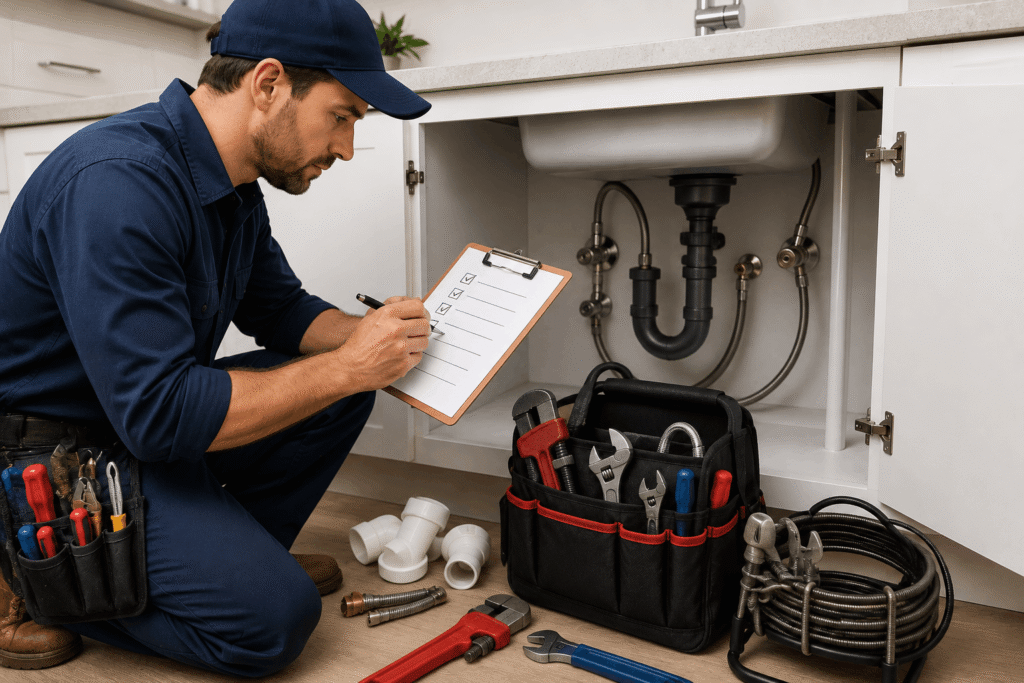
plumbing repair
Nobody wakes up excited to think about their pipes. Plumbing is one of those things that lives quietly behind your walls and under your floors, doing its job until, suddenly, it doesn’t. And that’s usually the moment you realize how much you were counting on it. The good news? A little consistent plumbing maintenance goes a long way toward keeping surprises out of your life and money in your pocket.
Think of your home’s plumbing like your car. You don’t wait for the engine to seize up before changing the oil, right? Pipes work the same way. A few small habits, done regularly, keep everything running the way it should and help you avoid the kind of plumbing repair bills that make you wince.
Let’s break down exactly what that upkeep looks like, month by month and season by season.
Why a Little Plumbing Maintenance Saves You a Lot of Money
Here’s the thing about plumbing problems: they rarely show up out of nowhere. A leaky pipe usually drips quietly for weeks before you notice the water stain on the ceiling. A slow drain gets a little slower every month until one day it’s not draining at all. By the time these issues become obvious, you’re often looking at a bigger, pricier plumbing repair than if you’d caught the problem early.
Regular plumbing maintenance is basically insurance against those bigger bills. It costs you almost nothing but a few minutes here and there, and it protects your home from water damage, mold, and the kind of emergency calls that come with rush pricing attached.
Monthly Checks That Take Ten Minutes
You don’t need a toolbox or any special skill for these. Just a flashlight and a little curiosity.
Inspect Under Every Sink
Once a month, get down on your knees and actually look under your kitchen and bathroom sinks. Feel around the pipes for dampness. Check the cabinet floor for any discoloration or a musty smell. Small leaks under sinks are sneaky; they don’t puddle dramatically, they just slowly soak into wood and drywall until there’s a real problem. Catching this early is one of the simplest forms of plumbing maintenance you can do, and it costs you nothing but a few minutes.
Test Your Water Pressure
Turn on a faucet and pay attention. Does the water come out strong and steady, or does it sputter and weaken? Low pressure can signal anything from mineral buildup in your pipes to a hidden leak somewhere in the system. High pressure, on the other hand, puts extra strain on pipes and appliances over time. Neither extreme is something you want to ignore.
Seasonal Plumbing Maintenance Tasks
Some tasks only need attention a few times a year, but skipping them can cause real headaches.
Spring: Check Outdoor Fixtures
Once the weather warms up, walk your property and check outdoor faucets, hose bibs, and sprinkler lines for any damage that crept in over the winter. Freezing temperatures can crack pipes you never even see, and that damage often doesn’t show itself until you turn the water back on and get an unpleasant surprise.
Fall: Prep Pipes for Cold Weather
Before the temperature drops, disconnect and drain garden hoses, insulate any exposed pipes, and know where your main shutoff valve is located. This single habit prevents one of the most common cold-weather disasters: a frozen pipe that bursts and floods a section of your home. Trust me, that’s not the kind of plumbing repair story you want to end up telling.
Warning Signs That Mean You Need Plumbing Repair
Even with great maintenance, sometimes your pipes are trying to tell you something. Are you listening?
Sounds, Smells, and Stains
Gurgling noises from your drains, a persistent sewage smell near a floor drain, or a mysterious damp patch on a wall or ceiling are all signals worth taking seriously. These aren’t things that fix themselves. Ignoring them almost always turns a small, affordable plumbing repair into a much bigger project later.
Slow Drains That Keep Coming Back
A slow drain once in a while isn’t a big deal; it happens. But if the same drain keeps clogging no matter how many times you clear it, that’s usually a sign of something deeper in the line, like a partial blockage or root intrusion. A drain cleaner from under the sink might mask the symptom for a week, but it won’t solve the underlying issue.
The Water Heater Deserves Its Own Routine
Your water heater works hard, quietly, every single day, and it rarely gets the attention it deserves until it stops working entirely. Once a year, drain a few gallons from the tank to clear out sediment that builds up at the bottom. That sediment layer makes your unit work harder, drives up energy bills, and shortens its lifespan. While you’re at it, check the temperature and pressure relief valve to make sure it’s functioning properly. This one small yearly habit is one of the most overlooked pieces of plumbing maintenance, yet it can add years to your water heater’s life.
When to Call a Professional vs. When You Can DIY
Some things are perfectly fine to handle yourself: clearing a minor clog with a plunger, replacing a worn washer, tightening a loose fitting. But there’s a point where DIY confidence turns into DIY disaster. If you’re dealing with a hidden leak, a sewer line issue, low water pressure throughout the whole house, or anything involving gas lines, that’s when it’s time to call in a professional for proper plumbing repair. Trying to save money by tackling something outside your skill level often ends up costing more once you factor in the damage from a failed attempt.
A good rule of thumb: if the fix involves opening a wall, working near a gas line, or you’re not 100% sure what’s actually causing the problem, hand it off to someone who does this for a living.
Conclusion
Plumbing maintenance isn’t glamorous, and it’s never going to be anyone’s favorite weekend activity. But the homeowners who stay a little proactive, checking under sinks, watching for warning signs, draining the water heater once a year, are the same ones who rarely end up with emergency plumbing repair bills. A few minutes here and there really does add up to real savings and real peace of mind. Build these small habits into your routine, and your plumbing will keep doing its job quietly, exactly the way it’s supposed to.
FAQs
- How often should I do plumbing maintenance at home?
Monthly quick checks, plus seasonal tasks in spring and fall, cover most of what a typical home needs. - Can I prevent most plumbing repair costs on my own?
Yes, many costly repairs start small and are preventable with regular inspection and quick fixes. - How do I know if a clog needs a professional?
If it keeps returning after multiple attempts to clear it, that’s a sign of a deeper issue. - Is draining my water heater really necessary?
Yes, sediment buildup reduces efficiency and shortens the unit’s overall lifespan. - What’s the biggest plumbing mistake homeowners make?
Ignoring small warning signs like slow drains or damp spots until they become expensive problems.