Graphic Design Evolution: From Traditional Visuals to Digital Creativity
Good design has a way of staying with us. A clever logo, a striking poster, or a memorable visual can say a lot without using many words. But the ideas behind these designs have been developing for centuries.
The history of graphic design is a story of creativity, culture, and changing technology. From early symbols to modern digital visuals, the evolution of graphic design has shaped how we communicate and how brands get noticed.
If you run a business, understanding this timeline helps you build a strong visual brand identity that actually connects with people. It also makes it easier to work with a design and marketing team that understands how visuals can support your brand.
Let’s explore the styles, turning points, and influences that shaped graphic design.
What Is Graphic Design, Really?
At its core, graphic design is about using visuals to communicate a message. Colors, shapes, fonts, images, and layouts all work together to make an idea easier to understand.
But it is not just about making something look nice. Good design solves a real problem. It can guide you where to click, make information easier to read, or show what a brand stands for.
A simple example is a website homepage. Clear headings, readable fonts, and well-placed buttons can help visitors find what they need without feeling confused. That is where good graphic design becomes practical, not just attractive.
Early Roots: Before Design Had a Name
Long before computers, apps, or even modern printing, people were already using visuals to share ideas. This is where the history of visual communication begins.
- Cave paintings showed stories about hunting, daily life, and important events.
- Early symbols helped people share meaning before written language was developed.
- Ancient writing systems turned symbols into more organised forms of communication.
These early forms may look simple today, but the basic idea is still the same. A visual should help people understand something quickly. Even modern signs, icons, and logos follow this same principle using simple visuals to communicate without needing a lot of words.
The Print Era: Where Modern Design Really Started
Gutenberg and the Printing Press
The printing press, developed by Johannes Gutenberg in the 15th century, changed the way information was shared. Books could be produced much faster instead of being copied by hand one at a time.
This invention made it possible to reach a much larger audience. It also helped print design grow as an important skill, from arranging text to creating clear and attractive pages.
The Growth of Typography
As printing became more common, letters needed better structure and consistency. This is where the history of typography started to take shape.
Typefaces became more refined, and designers began paying attention to spacing, readability, and overall style. Even today, choosing the right font matters because it can make content easier to read and change how a brand feels.
This period created many of the basic design principles that modern designers still use.
20th Century Movements That Shaped Design
The 20th century brought a lot of changes to graphic design. Designers started trying new styles, layouts, and ways to present information. Many of these ideas still appear in modern branding.
- Art Nouveau: used organic lines, nature-inspired shapes, and decorative lettering.
- Bauhaus: focused on simple forms and functions, while also influencing modern grid-based layouts.
- Swiss/International Style: used clean layouts, clear typography, and strong visual hierarchy.
- Pop Art influence: brought bold colours, striking images, and a more playful style into advertising.
The Digital Shift: Design Enters the Computer
Software Changed the Designer’s Toolkit
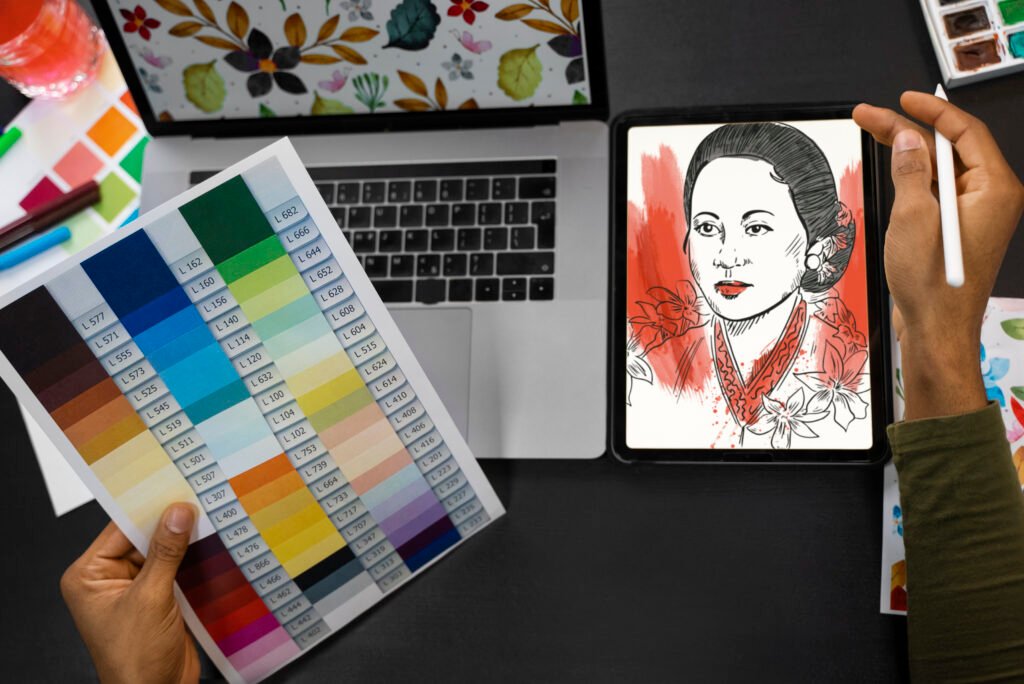
Tools like Photoshop and Illustrator changed graphic design in a big way. Designers could now edit their work quickly, undo mistakes, and test different ideas without starting everything again.
This became an important part of the graphic design timeline. Design slowly moved from physical materials and hand-made work to digital tools and pixels.
Web and Digital Design Became Its Own Field
As the internet grew, design was no longer limited to posters, books, and other printed materials. Websites, apps, and digital interfaces brought new needs and new design rules.
This is an important part of digital design evolution, where usability became just as important as appearance. A design may look good, but if users cannot find what they need easily, it is not doing its job.
For businesses today, outdated print-focused visuals may not work well on screens. This is why modern website design services focus on creating websites that are clear, responsive, and easy to use across digital devices.
Each movement brought something different. In practice, designers today often mix these ideas rather than following one style completely. A clean layout may come from Swiss design, while bold colours can add a Pop Art feel to make a campaign more noticeable.
Graphic Design Today: What Changed
Graphic design is still changing with new technology and new ways people use the internet. A few changes are especially noticeable today:
- AI tools now help with drafts, mockups, and repetitive design tasks, giving designers more time to focus on creative decisions.
- Social media has made visuals faster, shorter, and easier to understand while scrolling.
- Personalization means designs can change based on the user, platform, or situation instead of using the same visual for everyone.
This is the complete history of graphic design from traditional to digital media in short. Humans started the process, technology changed the tools, and today both work together. In practical terms, good design still needs human thinking. A tool can create a visual, but it does not always know what will connect with the audience.
Why This History Still Matters
Knowing how graphic design evolved through different historical periods is not just about learning old design styles. It helps designers understand why certain layouts, fonts, colours, and visual choices work better than others.
The major shifts, including print design, design movements, software, and digital media, still influence the work we create today. For example, a brand may use a simple layout for a clean feel or bold colours to get attention on social media.
Understanding the past also helps businesses make better design choices instead of following every new trend just because it looks popular.
Final Thoughts
Graphic design has come a long way, from simple marks to powerful digital visuals. The major developments in the history of graphic design industry continue to shape how brands communicate today.
Good design is not about making things look busy. It is about making ideas clear, memorable, and meaningful.
Frequently Asked Questions
Is graphic design older than most people think?
Yes. Visual communication started with cave paintings and early symbols, long before graphic design became a profession.
What tools replaced hand drawn design work?
Tools like Photoshop, Illustrator, and modern UI software made digital design faster and easier to edit.
Does traditional design still matter today?
Yes. Many old principles, such as grids, typography, and visual balance, are still used in modern design.
Will AI replace graphic designers?
Not completely. AI can handle repetitive tasks, but creative ideas, brand understanding, and human judgment still matter.