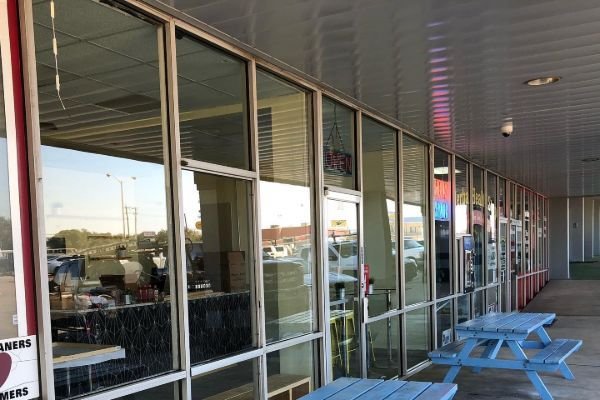
When customers walk into a restaurant, they notice more than the food and service. The condition of the building also shapes their first impression. Clean tables, polished floors, clear glass, and a tidy entrance can make a space feel more welcoming. Windows are especially important because they are easy to see from both inside and outside the property.
Restaurant windows can become dirty quickly. Fingerprints, dust, grease, pollen, rain residue, and other buildup can affect the appearance of glass. Instead of waiting until windows look heavily soiled, restaurant owners can use a window cleaning maintenance plan to keep glass clean throughout the year.
A consistent approach makes cleaning easier to manage and can help maintain a pleasant environment for customers and employees.
Why Clean Windows Matter in a Restaurant
Windows contribute to the overall appearance of a restaurant. Storefront glass is often one of the first features customers notice when they approach a property. Clear glass can make the entrance look cleaner and more inviting.
Inside the restaurant, clean windows can allow natural light to enter more freely. This can make dining areas feel brighter and more comfortable. Customers sitting near windows may also notice fingerprints, streaks, and dust more easily.
Regular restaurant window cleaning helps prevent visible buildup and supports the broader cleaning standards of the property.
Why Restaurant Windows Get Dirty So Quickly
Restaurants experience constant activity throughout the day. Customers open doors, touch handles, and move around dining areas. This creates frequent contact with glass surfaces.
Food preparation can also contribute to buildup. Windows located near kitchens may be exposed to airborne grease, moisture, and other residue. Exterior windows face different conditions, including dust, rain, pollen, pollution, and outdoor debris.
The location of a restaurant can make a difference as well. A property near a busy road may collect more dust, while a restaurant near trees may experience more pollen and leaves.
Understanding these factors helps restaurant managers create a cleaning schedule that matches the property’s actual needs.
What Is a Window Cleaning Maintenance Plan?
A window cleaning maintenance plan is a simple system for deciding when different windows should be inspected and cleaned. Rather than treating every window the same, restaurant managers can organize cleaning based on traffic, visibility, location, and exposure.
The plan can include routine checks, quick spot cleaning, scheduled interior cleaning, and regular exterior cleaning.
Begin With a Property Inspection
Before creating a schedule, inspect all glass surfaces around the restaurant. Check entrance doors, storefront windows, dining area glass, kitchen windows, and exterior surfaces.
Look for fingerprints, dust, grease, streaks, water spots, and other buildup. Also identify windows that are difficult to reach or require special equipment.
This first inspection helps establish which areas need frequent attention and which can be cleaned less often.
How Often Should Restaurant Windows Be Cleaned?
There is no universal schedule for every restaurant. Cleaning frequency depends on several conditions, including customer traffic, building location, weather, surrounding environment, and the amount of glass.
Entrance doors may need frequent attention because they are touched throughout the day. Exterior windows may need cleaning several times throughout the year, depending on weather and environmental exposure.
Restaurant managers should focus on keeping glass consistently presentable rather than following an inflexible schedule.
High Traffic Areas Need Extra Attention
Entrance glass is usually one of the busiest areas in a restaurant. Customers and employees constantly touch doors and handles, which can quickly leave fingerprints and smudges.
These areas can be checked throughout the day. Small marks can be cleaned as part of normal housekeeping, while deeper cleaning can be handled during scheduled service.
Dining area windows may also need frequent checks, especially when tables are positioned close to the glass.
Exterior Glass Requires Regular Care
Exterior windows can collect dirt even when the interior of a restaurant looks spotless. Dust, pollen, rain, and airborne particles can gradually reduce the clarity of glass.
Storefront windows deserve particular attention because they are visible to people approaching the restaurant. Dirty exterior glass can affect the appearance of the entire building.
Regular exterior restaurant window cleaning helps keep storefronts and other outdoor glass looking presentable.
Create a Simple Cleaning Schedule
A maintenance plan works best when it is easy for staff and managers to understand. Different areas can be assigned different cleaning frequencies based on how quickly they become dirty.
For example, entrance glass can be inspected frequently, while dining area windows can receive routine scheduled cleaning. Exterior windows can be cleaned according to seasonal and environmental conditions.
A practical schedule can include:
- Frequent inspections and spot cleaning for entrance doors and other high traffic glass.
- Scheduled interior and exterior cleaning based on traffic, weather, location, and visible buildup.
- Periodic inspections of frames, screens, seals, and difficult to reach windows.
The schedule should be reviewed when conditions change.
Pay Attention to Seasonal Conditions
Window cleaning needs can change throughout the year. Spring can bring pollen and plant debris, while dry weather may increase dust. Rain can leave water spots and residue on exterior glass.
Restaurant managers can review their cleaning plan at the beginning of each season. If windows become dirty more quickly than expected, cleaning frequency can be increased.
This flexible approach helps prevent seasonal buildup from being ignored.
Keep Interior Glass Looking Fresh
Interior windows should be part of the regular cleaning routine. Fingerprints, dust, food residue, and other marks can become noticeable in dining areas.
Entrance doors are particularly important because they are among the first surfaces customers encounter. Keeping them clean can help create a better first impression.
Interior cleaning should also include window frames and surrounding areas where dust can collect. A clean glass surface can look less appealing if the surrounding frame is visibly dirty.
Do Not Forget Hard to Reach Windows
Some restaurant windows are located in high or difficult areas. These windows can easily be overlooked because they are not convenient to clean during normal operations.
Employees should not be asked to perform tasks that require specialized equipment or create unnecessary safety risks.
Professional cleaners can handle difficult areas using appropriate tools and safety procedures. Including these windows in the maintenance plan helps ensure that the entire property receives attention.
Keep a Cleaning Record
A basic cleaning record can help managers stay organized. The record can show when windows were cleaned and whether any maintenance concerns were noticed.
If certain windows become dirty faster than others, the information can help managers adjust the schedule. Records can also help prepare for busy seasons, special events, or changes in customer traffic.
The goal is not to create complicated paperwork. A simple record can be enough to keep the cleaning routine consistent.
Avoid Waiting for Heavy Buildup
Waiting until windows look extremely dirty can make cleaning more difficult. Dust, grease, mineral deposits, and other residue may become more noticeable and harder to remove when they remain on glass for long periods.
Regular cleaning helps control buildup before it becomes a larger concern. It also makes the appearance of the restaurant easier to maintain throughout the year.
A planned approach is generally more practical than trying to handle all window cleaning at once.
Professional Window Cleaning Can Support Restaurant Maintenance
Restaurant employees have many responsibilities, including food preparation, customer service, sanitation, and daily operations. Specialized window cleaning may require additional time, equipment, and safety considerations.
Professional cleaning services can help restaurants manage larger or difficult window areas. This can be especially useful for properties with extensive storefront glass, high windows, or frequent environmental buildup.
The restaurant can maintain its regular housekeeping routine while professional cleaners handle more detailed window care.
Final Thoughts
Clean windows can make a noticeable difference in how a restaurant looks and feels. Clear glass helps create a brighter appearance, supports a well maintained storefront, and contributes to a welcoming environment for customers.
A practical window cleaning maintenance plan should reflect the restaurant’s location, traffic, weather, window type, and cleaning needs. Regular inspections, spot cleaning, scheduled service, and seasonal adjustments can help keep glass in good condition.
Bright And Shiny can help restaurants maintain clean and presentable glass through professional window cleaning services. With a consistent restaurant window cleaning routine, property owners and managers can give greater attention to an often overlooked part of their overall cleaning program.