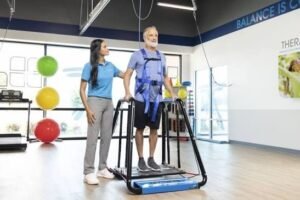
Balance problems, dizziness, and vertigo can make ordinary activities feel uncertain. Turning the head, walking through busy spaces, getting out of bed, or changing positions may become more difficult when the vestibular system is not working properly. Vestibular rehabilitation is a specialized form of physical therapy that focuses on movement, balance, gaze stability, and functional activities.
At Sams Physical Therapy, rehabilitation can be tailored to the individual’s symptoms, physical abilities, and daily goals. Vestibular Rehabilitation in Mason may help appropriate patients improve balance and movement confidence through carefully selected exercises and functional training. The American Physical Therapy Association recognizes vestibular rehabilitation as an area of physical therapy used to address vestibular-related balance disorders.
Understanding the Vestibular System
The vestibular system helps the body understand head movement and maintain balance. It works together with vision and information from the muscles and joints to help the brain determine where the body is positioned in space. When this system is affected, a person may experience dizziness, imbalance, or difficulty keeping their vision stable during movement.
Vestibular symptoms can have different causes, and not every case is appropriate for the same type of rehabilitation. A physical therapist can evaluate movement, balance, and other relevant functions to determine whether vestibular therapy may be suitable for the individual.
Common Symptoms of Vestibular Problems
Vestibular conditions can affect people in different ways. Some individuals experience spinning sensations, while others notice unsteadiness, visual discomfort, or difficulty maintaining balance during movement. Symptoms may occur during specific activities or may interfere with everyday mobility.
Common concerns can include:
- Dizziness or vertigo
- Difficulty with balance
- Unsteadiness while walking
- Problems with visual stability during head movement
- Difficulty changing positions
- Reduced confidence during mobility
Understanding when symptoms occur can provide useful information during an evaluation. Patients may be asked about activities that increase symptoms and how these concerns affect work, exercise, walking, or other daily routines.
Vestibular Rehabilitation in Mason
Vestibular Rehabilitation in Mason provides a structured approach for individuals whose symptoms may respond to vestibular-focused physical therapy. Treatment can include exercises designed to address gaze stability, balance, habituation, and functional movement depending on the findings of the evaluation.
At Sams Physical Therapy, rehabilitation can be adjusted according to the patient’s symptoms and progress. The objective is to select appropriate activities rather than applying the same exercise program to every person.
Improving Balance and Stability
Balance depends on information from several systems working together. When vestibular function is impaired, standing or walking may become more challenging, especially in environments with reduced lighting, uneven surfaces, or many visual distractions.
Physical therapy may use progressively challenging balance activities to help patients practice maintaining control during different situations. Exercises can be modified based on the person’s current abilities and safety needs.
Gaze Stability and Head Movement
Some vestibular conditions can affect the ability to keep vision clear while the head is moving. This may make activities such as walking, turning the head, reading signs, or moving through busy environments more difficult.
Vestibular rehabilitation may include gaze-stability exercises when they are appropriate for the patient’s condition. Clinical guidelines for peripheral vestibular hypofunction include rehabilitation approaches addressing gaze stability and related functional impairments.
Addressing Dizziness During Movement
Movement-related dizziness can cause people to avoid activities that previously felt normal. Avoiding movement altogether, however, can sometimes reduce activity levels and make everyday mobility more difficult.
Depending on the underlying condition, rehabilitation may introduce controlled movements that gradually expose the patient to activities associated with symptoms. These exercises should be selected and progressed according to the individual’s evaluation and tolerance.
Walking and Functional Mobility
Balance concerns can affect walking speed, direction changes, transfers, and confidence on different surfaces. Physical therapy can incorporate functional mobility tasks that reflect the activities a patient performs at home and in the community.
Exercises may include walking with appropriate head movements, changing direction, stepping over obstacles, or practicing transitions when clinically appropriate. The difficulty can be adjusted as the patient develops greater control.
Vestibular Rehabilitation for Older Adults
Balance difficulties can become especially important for older adults because unsteadiness may affect independence and everyday mobility. Vestibular rehabilitation may address balance, gait, gaze stability, and functional movement when vestibular impairments are involved.
The American Physical Therapy Association notes that vestibular disorders can affect mobility and balance in older adults and that vestibular physical therapy may be used as part of rehabilitation.
What Vestibular Therapy May Include
The treatment program depends on the individual’s symptoms, diagnosis, examination findings, and functional goals. A physical therapist may assess balance, walking, eye and head movement coordination, and other relevant physical functions before selecting exercises.
A rehabilitation program may include:
- Gaze-stability exercises
- Balance and postural-control activities
- Habituation exercises when appropriate
- Walking and mobility training
- Head-movement exercises
- Functional movement practice
- Education about safe activity progression
Not every patient will need every type of exercise. Treatment should be based on the specific vestibular and functional issues identified during assessment.
Supporting Daily Activities
Vestibular symptoms can affect activities that seem simple, including getting out of bed, walking around the home, shopping, using stairs, or turning the head while moving. Therapy can focus on improving the physical skills needed for these everyday tasks.
At Sams Physical Therapy, functional goals can be incorporated into rehabilitation so that exercises have practical relevance. The program may change as the patient’s balance, mobility, and confidence develop.
Building Confidence With Movement
Dizziness and balance problems can sometimes make people cautious about movement. Patients may reduce their activity because they are concerned about becoming dizzy or losing balance. A gradual rehabilitation program can provide opportunities to practice appropriate movements in a controlled environment.
As physical abilities improve, patients can work toward activities that previously felt challenging. The pace of progression should remain individualized and focused on safety and functional needs.
Personalized Care at Sams Physical Therapy
Vestibular symptoms vary significantly from one person to another. Factors such as the type of vestibular problem, symptom triggers, balance ability, activity level, and daily responsibilities can influence the appropriate treatment approach.
At Sams Physical Therapy, therapy can be customized around each patient’s functional goals. Vestibular Rehabilitation in Mason may incorporate different exercises and movement strategies depending on the findings of the physical therapy evaluation.
Choosing Vestibular Rehabilitation in Mason
When dizziness or balance problems interfere with daily life, an appropriate evaluation can help identify possible physical and vestibular contributors. A physical therapist with vestibular rehabilitation experience can assess relevant movement and balance functions and determine whether therapy is appropriate.
Choosing care should also involve understanding the underlying cause of symptoms. Some dizziness can require medical assessment, particularly when symptoms are new, severe, unexplained, or associated with other concerning changes.
When Medical Evaluation May Be Needed
Not all dizziness or vertigo is caused by a vestibular condition that physical therapy can address. Sudden severe dizziness, fainting, new neurological symptoms, significant difficulty speaking, severe headache, chest pain, or other urgent symptoms require prompt medical attention rather than simply beginning a rehabilitation program.
For recurring or unexplained symptoms, consultation with an appropriate healthcare professional can help determine the underlying cause. Physical therapy may then be included when vestibular or balance-related rehabilitation is considered suitable.
Supporting Long-Term Balance
Rehabilitation is not only about completing exercises during appointments. Patients can learn movement strategies and exercises that may become part of their ongoing routine when appropriate. Maintaining physical activity can help support functional mobility and confidence.
Long-term goals can vary from person to person. Someone may want to walk more comfortably around the neighborhood, while another person may focus on returning to exercise, household activities, or community participation.
Conclusion
Vestibular Rehabilitation in Mason can provide structured physical therapy for appropriate individuals experiencing balance difficulties, dizziness, vertigo, gaze instability, or movement-related challenges. Treatment may address balance, walking, head movement, visual stability, and functional mobility through individualized exercises.
At Sams Physical Therapy, rehabilitation is developed around each patient’s symptoms, abilities, and goals. A thorough evaluation can help determine whether vestibular therapy is appropriate and which strategies may best support safer, more comfortable movement.