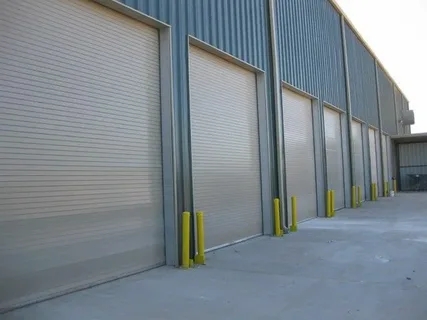
Commercial buildings need entrance systems that accommodate frequent movement while protecting valuable space and supporting site security. Commercial roller doors Adelaide provide an adaptable solution for distribution centres, workshops, retail buildings, warehouses, and commercial storage areas. Their vertical rolling mechanism allows the door to open without swinging into surrounding spaces, leaving entry zones available for deliveries, vehicle manoeuvres, and equipment handling. Businesses can choose from a range of dimensions, construction materials, and operating configurations to suit their building structure and daily activities. With designs intended for repeated operation, these doors help maintain organised access points while offering durability, controlled entry, and practical functionality for commercial properties with demanding operational schedules.
Structural Details That Support Commercial Roller Door Performance
Commercial roller doors incorporate robust construction, dependable movement systems, and features suited to varied working environments. Materials such as galvanised steel and aluminium are frequently selected for their durability, resistance to routine impacts, and ability to cope with changing environmental conditions. Suitable locking mechanisms provide an additional barrier against unauthorised access, helping businesses safeguard merchandise, machinery, and other valuable contents.
Insulated versions are available for premises where temperature stability, energy consumption, and noise reduction are important considerations. The upward rolling action also minimises the clearance required around an entrance, allowing nearby areas to remain available for forklifts, delivery vehicles, stored materials, and staff movement. These characteristics make roller doors adaptable to workplaces with different spatial and operational requirements.
Finding a Roller Door Configuration That Fits Business Operations
Choosing a commercial roller door involves examining traffic frequency, opening dimensions, and the type of work performed within the building. Manually operated doors can be suitable for smaller facilities with occasional access requirements, whereas powered systems offer easier operation at busy entrances used repeatedly throughout the day.
Buildings that require greater control over internal temperatures may benefit from insulated door designs that help limit heat transfer and support heating or cooling efficiency. Rapid-opening models can improve traffic flow at frequently used access points by shortening opening and closing cycles. For premises requiring fire separation, doors with the appropriate fire-resistance rating may provide a solution when specified for the building’s requirements.
Different configurations provide varying levels of operating speed, insulation, strength, access security, and protective performance. Evaluating these characteristics alongside site conditions and workplace activities allows businesses to identify a door that meets their operational needs while maintaining convenient and appropriate access.
How Commercial Roller Doors Support Everyday Business Activity
Commercial roller doors offer useful advantages for businesses that need dependable access, efficient space utilisation, and durable entrance protection. Their construction accommodates repeated movement, making them suitable for workplaces where employees, deliveries, vehicles, and materials pass through entry points throughout operating hours. Since the door curtain rolls upwards, the space immediately around the opening remains available for loading tasks, equipment movement, and other activities.
Depending on the selected design, insulated construction can help limit unwanted heat transfer and support more consistent indoor temperatures. Additional options, including rapid-operation mechanisms and fire-rated assemblies, can address specific workflow demands or building protection requirements where appropriate.
Durable construction combined with suitable locking arrangements can strengthen access control and help protect business premises. Properly functioning operating mechanisms also simplify regular entry and exit, reducing interruptions caused by stiff or unreliable doors. These advantages make commercial roller doors a practical option for organisations seeking to combine workplace security with efficient daily operations.
Recognising Wear and Faults in Commercial Roller Door Systems
Frequent use can gradually affect commercial roller door components, even when the equipment is manufactured for demanding conditions. Misaligned tracks may prevent the door from travelling evenly, resulting in resistance, irregular movement, or difficulty completing opening and closing cycles. Worn rollers can also contribute to grinding sounds, vibration, and inconsistent operation.
Environmental exposure may encourage rust in susceptible metal components, while powered systems can experience problems with motors, electrical connections, sensors, or control units. Weather seals that have deteriorated over time may permit air leakage, reducing their ability to limit unwanted heat transfer. Accumulated dust and debris inside the tracks can further obstruct movement and increase mechanical strain.
Springs also play an important role in keeping the door balanced throughout its operating cycle. Incorrect tension or damaged springs can interfere with movement and place excessive stress on related components. Recognising these warning signs early may help prevent further deterioration and avoid more serious operational failures. Consistent inspections and appropriate servicing therefore contribute to safer, more dependable door performance.
Maintaining Business Access with Commercial Roller Door Repairs
Commercial roller door repairs address mechanical and operational problems that can compromise entrance security, interrupt workplace activities, and restrict access to commercial buildings. Continued opening and closing places wear on components such as cables, rollers, springs, and drive motors. When these parts become damaged or fail to operate correctly, the door may become difficult to use and interfere with normal business routines.
Responding to early signs of malfunction can prevent relatively minor defects from escalating into more extensive mechanical problems. Prompt repairs may also help minimise delays affecting deliveries, employee access, and the movement of goods while restoring the entrance’s intended operation. Regular professional assessments provide another opportunity to identify deterioration before it causes an unexpected breakdown.
Appropriate servicing may involve cleaning and lubricating compatible moving parts, realigning tracks, and replacing components that have become damaged or excessively worn. For motorised installations, inspecting drive mechanisms, sensors, electrical connections, and control systems can help maintain dependable performance. Combining timely repairs with scheduled maintenance supports consistent operation, reduces avoidable downtime, and helps extend the working life of commercial roller doors.
Important Steps in Commercial Roller Door Installation
Commercial roller door installation requires careful preparation and precise fitting to achieve dependable operation and long-term performance. The process typically begins with evaluating the site to establish suitable door dimensions, configuration, and installation requirements. Supporting structures and tracks must then be positioned securely to provide stable guidance for the door. Once prepared, the roller curtain is carefully fitted to the supporting system to allow smooth and consistent movement.
Automated doors require additional electrical components, including motors and control systems, which must be connected and tested correctly. Proper balancing is also essential because it supports even movement and can minimise unnecessary stress on individual components. Safety features such as sensors and automatic reverse mechanisms should be configured and tested during installation. Following appropriate installation standards helps create a reliable door system capable of meeting ongoing commercial requirements.
Essential Safety Features for Commercial Roller Door Operation
Safety mechanisms are an important element of commercial roller door design, helping support dependable operation in busy workplace environments. Safety sensors can identify objects or people within the door’s operating path and respond by stopping movement when an obstruction is detected. Automatic reverse functions provide another safeguard by changing the direction of the door when resistance is detected during closing. Manual release systems can also enable doors to be operated during power interruptions or emergency situations.
Fire-rated roller doors may include specialised components designed to help restrict the movement of smoke and flames during a fire event. Anti-fall mechanisms can provide additional protection by helping prevent uncontrolled door movement if a supporting component fails. Safety edges can also detect contact and trigger an appropriate response to reduce potential injury risks. Regular testing, inspection, and maintenance of these features are important to ensure they continue operating effectively.
Sustainable Materials and Energy Performance in Commercial Roller Doors
The environmental impact of commercial roller doors depends on several factors, including material selection, insulation properties, manufacturing processes, durability, and energy performance during use. Insulated door systems can minimise the movement of heat between internal and external environments, helping businesses maintain more consistent indoor conditions and potentially reduce the electricity or fuel required for temperature regulation.
Steel and aluminium can contribute to more responsible resource use because both materials are recyclable when suitable recovery facilities are available. Manufacturing processes that minimise offcuts and production waste can further improve material efficiency, while long-lasting construction reduces the need for frequent replacements and limits the resources consumed in producing new door assemblies.
Certain designs also provide sound-reduction benefits that may improve conditions in appropriate commercial environments. Regular inspections and servicing help maintain component performance, potentially extending the door’s working life and delaying replacement. By considering recyclable construction materials, effective insulation, and preventative maintenance, businesses can manage entrance requirements while reducing unnecessary resource consumption and material disposal.
Assessing Commercial Door Options against Site Requirements
Choosing an appropriate door for a business premises involves examining building dimensions, environmental exposure, traffic patterns, and the practical demands of daily operations. Warehouses, manufacturing sites, and retail buildings have different access requirements depending on vehicle movements, security expectations, and the frequency of door operation. Available installation space must also be assessed, as some entrances require compact arrangements while others benefit from thermal insulation, suitable fire protection, or construction designed for demanding environmental conditions.
Manual and motorised options can be evaluated according to opening frequency, operational convenience, and the amount of traffic passing through the entrance. Other important considerations include insulation performance, noise reduction, security provisions, and the protective features incorporated into the chosen design. Comparing these requirements helps businesses narrow down suitable configurations without overlooking essential operational needs. A professional site assessment can clarify installation limitations, identify appropriate specifications, and establish the requirements for a reliable door system that remains suitable for long-term commercial use.
Conclusion
Commercial roller doors Adelaide allow businesses to organise entry points around their security priorities, premises design, and daily workflow. Door size, material, insulation, and automated operation all influence suitability for different commercial environments, while regular servicing helps preserve consistent function. Installation quality, built-in safety measures, and access for future repairs are also important when comparing options. By assessing these practical requirements alongside workplace traffic and operating schedules, businesses can select a door system that supports efficient access and dependable use over time.
FAQs
What materials are suitable for commercial roller doors Adelaide?
Steel and aluminium are widely used for commercial roller doors because they offer durability, structural strength, and suitability for repeated use. Fibreglass can be considered where lower weight and resistance to corrosion are priorities. The most appropriate material depends on local conditions, security expectations, operating frequency, and the demands of the site.
How do automated roller doors improve access at business premises?
Automated roller doors allow entry points to be operated using motorised controls rather than manual lifting. Remote access and sensor-based functions can be useful in locations where staff, customers, and delivery vehicles move through regularly. These features help simplify everyday door operation and manage access across active commercial sites.
What issues may interfere with commercial roller door operation?
Commercial roller doors may develop faults because of debris in the tracks, worn rollers, damaged parts, or problems with the drive motor. Irregular movement, unusual noises, delayed opening, and inconsistent responses can indicate an issue. Arranging an inspection early may help identify the fault before it causes greater disruption.
How does professional installation affect commercial roller door performance?
Professional installation helps establish correct alignment, secure fitting, and compatibility with the building’s opening. Proper positioning allows the door to travel smoothly and reduces unnecessary strain on moving parts and operating mechanisms. These installation details can improve day-to-day reliability and help prevent premature wear.
Do insulated commercial roller doors help manage indoor temperatures?
Insulated commercial roller doors can limit heat exchange through external openings, which may reduce demand on heating and cooling equipment. The level of benefit depends on the insulation properties, building construction, and conditions inside the premises. A suitable choice can contribute to temperature stability and more considered energy use.
| Related Business Listings |
| Contact Directory |
| Local Business Profiles |