Securing products for storage and transportation is an important part of modern packaging and supply chain operations. Whether businesses handle warehouse inventory, palletised goods, manufacturing materials, or retail products, choosing suitable packaging materials helps protect items during handling and delivery. Stretch Wrapping Film is one of the most widely used packaging solutions because it provides a flexible, secure, and cost-effective way to bundle products and stabilise pallet loads.
Manufactured from stretchable plastic film, this packaging material is designed to wrap tightly around products. Its elasticity allows it to stretch during application and maintain tension around the load. This helps hold items together, reduce movement, and provide a protective barrier against dust and moisture exposure.
Businesses across manufacturing, logistics, warehousing, retail, and distribution use stretch film for different packaging requirements.
However, selecting the right film involves understanding its thickness, width, stretch capacity, material composition, and application method. The correct choice depends on the type of products being packaged, load weight, storage conditions, and transportation requirements.
Whether you operate a small warehouse or manage a large distribution facility, understanding stretch wrapping film can help improve packaging efficiency and protect products throughout the supply chain.
This guide explores different types of stretch film, its benefits, applications, selection criteria, and frequently asked questions.
What Is Stretch Wrapping Film?
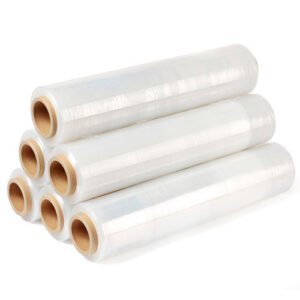
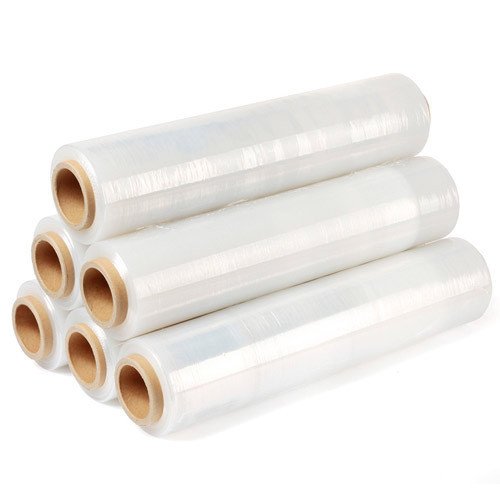
Stretch wrapping film is a highly stretchable plastic packaging material commonly manufactured from linear low-density polyethylene (LLDPE).
It is designed to wrap around products, cartons, and pallet loads while maintaining tension.
When stretched during application, the film attempts to return towards its original dimensions. This property, known as elastic recovery, helps keep the wrapped load secure.
Stretch film is commonly available in rolls of different widths, thicknesses, lengths, and performance grades.
Businesses use it to:
- Secure products on pallets.
- Bundle multiple items together.
- Stabilise cartons during transportation.
- Protect goods from dust and dirt.
- Reduce product movement during handling.
- Organise warehouse inventory.
- Prepare shipments for distribution.
Unlike shrink film, stretch film does not generally require heat to tighten around products.
This makes it a convenient packaging option for many manual and automated applications.
How Does Stretch Wrapping Film Work?
Stretch wrapping film works by applying tension around products or palletised loads.
Its elasticity allows the material to stretch during wrapping and maintain holding force after application.
Understanding the process helps businesses achieve better packaging results.
Film Stretching
During application, the film is pulled and stretched around the product or pallet.
The amount of stretch depends on the film specification and wrapping equipment.
Some films are designed for higher stretch performance, allowing businesses to use less material when the application is properly controlled.
Elastic Recovery
After stretching, the film naturally attempts to return towards its original dimensions.
This creates tension around the wrapped load.
The resulting holding force helps keep products together during movement and transportation.
Load Stabilisation
Multiple layers of stretch film can help secure cartons and products to a pallet.
The film helps reduce shifting when goods are moved by forklifts, pallet jacks, or other material-handling equipment.
However, the wrapping pattern and film tension must be suitable for the load.
Surface Protection
Stretch film can create a barrier against dust, dirt, and some moisture exposure.
It is not completely waterproof and should not replace suitable waterproof packaging when products require protection from direct water contact.
Different Types of Stretch Wrapping Film
Stretch film is available in several varieties to meet different packaging requirements.
Choosing the right type depends on product dimensions, load weight, wrapping equipment, and expected transportation conditions.
Hand Stretch Film
Hand stretch film is designed for manual application.
It is commonly supplied in smaller rolls that can be used without automated machinery.
Warehouse employees wrap products by moving around the load or rotating smaller items while applying tension.
Common applications include:
- Small warehouse operations.
- E-commerce packaging.
- Furniture protection.
- Carton bundling.
- Low-volume pallet wrapping.
- General storage applications.
Hand stretch film is suitable for businesses that do not require high-volume automated packaging.
Machine Stretch Film
Machine stretch film is designed for use with automatic or semi-automatic pallet wrapping equipment.
It is commonly supplied in larger rolls and manufactured to provide consistent performance during mechanical application.
Its benefits include:
- Faster packaging operations.
- Consistent wrapping tension.
- Improved packaging productivity.
- Reduced manual handling.
- Suitability for high-volume operations.
Machine stretch film is commonly used in manufacturing facilities, distribution centres, and large warehouses.
Pre-Stretched Film
Pre-stretched film is stretched during manufacturing before being supplied to customers.
This means it generally requires less additional force during application than conventional stretch film.
Common advantages include:
- Easier manual handling.
- Consistent film thickness.
- Reduced application effort.
- Potential material savings.
- Convenient packaging operations.
Pre-stretched products may be suitable for businesses looking to simplify manual wrapping procedures.
Blown Stretch Film
Blown stretch film is manufactured through a blown extrusion process.
The production method creates film with particular strength and puncture-resistance characteristics.
It is commonly used for loads with irregular shapes, sharp edges, or challenging packaging requirements.
Depending on the application, blown film may provide:
- Good puncture resistance.
- Strong holding performance.
- Reliable load containment.
- Suitability for difficult pallet loads.
However, its noise level and handling characteristics may differ from cast stretch film.
Cast Stretch Film
Cast stretch film is manufactured using a cast extrusion process.
Molten plastic is passed through a flat die and cooled to form the film.
It is widely used because of its clarity and smooth unwinding characteristics.
Common characteristics include:
- Good transparency.
- Consistent thickness.
- Smooth unwinding.
- Convenient application.
- Availability in different gauges.
Cast film is commonly selected for standard pallet wrapping and general packaging requirements.
Coloured Stretch Film
Coloured stretch film is available in several colours, including black, blue, red, and other options.
It can help businesses identify different shipments, departments, or product categories.
Black stretch film is particularly useful when businesses want to limit visibility of packaged goods.
Coloured film can also support inventory organisation and product identification.
UV-Resistant Stretch Film
UV-resistant stretch film is designed for applications where packaged products may be exposed to sunlight.
It can help protect certain loads during outdoor storage.
However, the actual level of UV resistance and protection period depend on the product specification.
Always check manufacturer information before using stretch film for extended outdoor storage.
Benefits of Using Stretch Wrapping Film
Stretch film offers several advantages for businesses that regularly package, store, and transport goods.
Improves Pallet Load Stability
One of the main benefits of stretch wrapping film is its ability to hold products together.
Proper wrapping can reduce movement between cartons and help maintain pallet stability during transportation.
This is particularly important when products are moved between warehouses, distribution centres, and retail locations.
Protects Products From Dust and Dirt
Stretch film creates an outer layer around packaged goods.
This helps reduce exposure to dust, dirt, and handling-related contamination.
It is useful for products stored in warehouses or transported through distribution networks.
Reduces Product Movement
Loose cartons and unstable pallet loads can shift during handling.
Applying stretch film correctly helps hold items together and reduce unwanted movement.
This can lower the risk of certain types of packaging damage.
Cost-Effective Packaging Solution
Stretch film is available in different thicknesses, lengths, and performance grades.
Businesses can select products based on their load requirements and packaging budgets.
High-performance films may also allow reduced material consumption when correctly matched with suitable wrapping equipment.
Suitable for Different Industries
Stretch wrapping film is used across multiple sectors.
Its flexibility makes it suitable for packaging cartons, furniture, industrial materials, retail goods, and many other products.
Supports Warehouse Efficiency
Using stretch film can help standardise pallet preparation.
Manual and automated options allow businesses to select wrapping methods that match their operational requirements.
Improves Shipment Presentation
Transparent stretch film allows product labels and carton markings to remain visible.
This can help warehouse employees identify packaged shipments without removing the wrapping.
Coloured and opaque options are also available when greater visual separation or reduced visibility is required.
Common Applications of Stretch Wrapping Film
Stretch film is used across manufacturing, logistics, retail, and other commercial environments.
Warehousing and Distribution
Warehouses use stretch film to secure pallet loads before storage or transportation.
It helps keep cartons together and supports organised inventory handling.
Common applications include:
- Pallet wrapping.
- Carton bundling.
- Shipment preparation.
- Warehouse storage.
- Product consolidation.
Manufacturing Facilities
Manufacturers use stretch film to package finished products before distribution.
It may be used for industrial components, packaged materials, machinery accessories, and manufactured goods.
The correct film should match product weight, dimensions, and surface characteristics.
E-Commerce and Retail
Retailers and e-commerce businesses use stretch film to secure products during storage and shipment preparation.
Hand stretch film is particularly useful for smaller operations that package different product sizes.
It can also help bundle multiple cartons into a single unit.
Furniture and Appliance Packaging
Stretch film can help protect furniture and appliances from dust, scratches caused by loose packaging materials, and general handling exposure.
It is often used alongside cardboard, foam, corner protectors, and other protective packaging materials.
Food and Beverage Distribution
Food and beverage distributors commonly use stretch film to stabilise palletised cartons, bottles, and packaged goods.
The film is generally applied to the outside of shipping units rather than directly contacting unpackaged food.
Businesses should follow applicable food packaging and hygiene requirements.
Construction and Building Materials
Construction suppliers may use stretch film to bundle building materials, tiles, pipes, and other products.
The correct film thickness and puncture resistance should be selected according to the load.
International Shipping
Stretch film is widely used when preparing palletised goods for long-distance transportation.
It helps keep products together during handling and movement.
For export shipments, businesses may combine stretch film with moisture barriers, edge protectors, and suitable outer packaging.
How to Choose the Right Stretch Wrapping Film
Selecting suitable film requires understanding your packaging requirements.
Several factors can influence product performance.
Check Film Thickness
Film thickness is commonly measured in microns.
Thicker film may provide additional material strength for certain applications, but thickness alone does not determine overall performance.
Consider puncture resistance, stretch capacity, load weight, and manufacturer specifications.
Choose the Correct Width
Stretch film comes in different widths.
Hand rolls are generally narrower than many machine rolls.
The correct width depends on the packaging equipment, product dimensions, and wrapping method.
Consider Stretch Capacity
Stretch capacity refers to how far the film can stretch during application.
Higher stretch performance may help reduce material consumption, but only when the film is compatible with the wrapping process.
Avoid overstretching beyond the manufacturer’s recommended limits.
Evaluate Holding Force
Holding force is important for maintaining pallet stability.
The correct film should provide sufficient containment without damaging the packaged products.
Businesses should consider the weight, shape, and arrangement of their loads.
Check Clarity and Colour
Transparent film is useful when labels and product identification need to remain visible.
Black or coloured film may be preferred when shipments require visual identification or reduced visibility.
Consider the Application Method
Hand stretch film and machine stretch film are not always interchangeable.
Select products designed for the intended wrapping equipment.
Review Supplier Specifications
Before purchasing, check:
- Film thickness.
- Roll width.
- Roll length.
- Net film weight.
- Stretch performance.
- Puncture resistance.
- Holding force.
- Recommended application method.
Request product samples when possible.
Hand Stretch Film vs Machine Stretch Film: Which Is Better?
Both options provide effective packaging solutions when used correctly.
The best choice depends on packaging volume and operational requirements.
Hand Stretch Film
Hand stretch film is suitable for businesses with smaller packaging volumes.
Its advantages include:
- No wrapping machinery required.
- Lower initial equipment investment.
- Flexible application.
- Suitable for different load sizes.
- Convenient for small warehouses.
However, manual wrapping can require more labour and may produce inconsistent tension if employees are not trained properly.
Machine Stretch Film
Machine stretch film is designed for automated or semi-automated packaging systems.
Its advantages include:
- Faster pallet wrapping.
- More consistent application.
- Reduced manual effort.
- Better suitability for high-volume packaging.
- Greater control over wrapping tension.
However, businesses need compatible wrapping equipment and suitable machine settings.
Which Option Should You Choose?
Small businesses and low-volume warehouses may find hand stretch film more practical.
Manufacturers and distribution centres with regular pallet volumes may benefit from machine wrapping systems.
Consider packaging frequency, labour costs, equipment investment, and expected material consumption before deciding.
How to Use Stretch Wrapping Film Correctly
Correct application is essential for achieving stable and secure packaging.
Prepare the Pallet Load
Arrange products evenly on the pallet.
Make sure cartons are stable and heavier items are positioned appropriately.
Avoid leaving unnecessary gaps that may cause movement.
Secure the Film
Attach the film securely near the base of the pallet.
Ensure the starting layers hold the load together.
Wrap the Base
Begin by wrapping the lower section of the pallet.
Several layers around the base can help connect the products to the pallet.
Continue Wrapping Upwards
Move around the load while applying consistent tension.
Maintain some overlap between film layers to provide continuous coverage.
Complete the Top Section
Finish wrapping according to the load’s stability requirements.
Avoid applying excessive tension that could crush cartons or deform products.
Inspect the Finished Load
Check for loose areas, damaged cartons, and unstable sections.
A properly wrapped pallet should remain stable during normal handling.
Stretch film should be used alongside suitable pallet loading practices and transport safety procedures.
How to Reduce Stretch Film Waste and Packaging Costs
Businesses can improve packaging efficiency by reviewing their film consumption.
Choose the Right Film Grade
Using a film designed for the load can help avoid unnecessary layers.
Do not automatically choose the thickest available film.
Train Employees
Employees should understand correct wrapping techniques and recommended tension.
Consistent application can help reduce wasted material.
Review Wrapping Patterns
Assess how many layers are required for different load types.
Standardised wrapping procedures can help maintain consistency.
Consider Pre-Stretched Film
Pre-stretched film may reduce the effort required during manual application.
It can be useful for selected packaging operations.
Monitor Material Consumption
Track how many rolls are used and how many pallets are wrapped.
This information helps identify opportunities to improve packaging efficiency.
Is Stretch Wrapping Film Recyclable?
Many stretch wrapping films are manufactured from polyethylene materials, which may be recyclable through suitable plastic recycling systems.
However, recycling availability depends on the film type, contamination level, local facilities, and collection arrangements.
Businesses can improve waste management by:
- Separating used stretch film from general waste.
- Keeping recyclable film free from excessive contamination.
- Storing collected film in designated areas.
- Checking local commercial recycling options.
- Asking suppliers about recycled-content products.
Some suppliers offer stretch films containing recycled material.
Businesses should review product specifications to understand recycled content and performance.
Final Thoughts
Choosing the right Stretch Wrapping Film can help businesses secure pallet loads, protect packaged products, and improve warehouse efficiency.
From hand stretch film and machine stretch film to pre-stretched, blown, cast, and coloured varieties, different options are available for different packaging requirements.
The best choice depends on load weight, product dimensions, film thickness, stretch capacity, holding force, and application method.
Before purchasing, compare manufacturer specifications, assess your packaging process, and consider how much film your business uses.
Correct application and effective inventory management can also help reduce waste and maintain consistent packaging quality.
With suitable film and proper wrapping techniques, businesses can improve product handling and support more reliable transportation throughout the supply chain.
Frequently Asked Questions About Stretch Wrapping Film
1. What is stretch wrapping film used for?
Stretch wrapping film is used to secure products, bundle cartons, stabilise pallet loads, and protect packaged goods from dust and dirt during storage and transportation.
2. What is stretch wrapping film made from?
Most stretch wrapping film is manufactured from linear low-density polyethylene (LLDPE). This material provides flexibility, stretch performance, and elastic recovery.
3. What is the difference between stretch film and shrink film?
Stretch film is applied by stretching it around products and allowing elastic recovery to create holding force. Shrink film generally requires heat to contract around the packaged item.
4. What thickness of stretch wrapping film should I use?
The correct thickness depends on load weight, product shape, puncture risk, and application method. Thickness is generally measured in microns. Check manufacturer recommendations before selecting a film.
5. What is the difference between hand and machine stretch film?
Hand stretch film is designed for manual application, while machine stretch film is designed for automated or semi-automated wrapping equipment. They may differ in roll dimensions and performance characteristics.
6. Is stretch wrapping film waterproof?
Stretch film provides a barrier against dust and some moisture exposure, but it is not completely waterproof. Additional protective packaging may be necessary for products exposed to direct water.
7. What is pre-stretched film?
Pre-stretched film is stretched during manufacturing before being supplied. It generally requires less additional force during application and may help reduce manual wrapping effort.
8. Is black stretch wrapping film available?
Yes. Black stretch film is available for packaging applications where reduced visibility or colour-based product identification is required.
9. Can stretch wrapping film be recycled?
Many polyethylene stretch films can be recycled through suitable commercial recycling systems. Recycling depends on local facilities, contamination levels, and material specifications.
10. How many layers of stretch film should I apply?
The required number of layers depends on load weight, shape, stability, and transportation conditions. Follow suitable wrapping procedures and manufacturer recommendations.
11. Can stretch film damage packaged products?
Excessive wrapping tension can crush cartons, deform packaging, or damage sensitive products. Use appropriate tension and select film according to the load.
12. What industries use stretch wrapping film?
Common industries include warehousing, manufacturing, logistics, retail, e-commerce, food and beverage distribution, construction, and international shipping.
13. Where can businesses buy stretch wrapping film in bulk?
Businesses can purchase stretch film through packaging wholesalers, industrial packaging suppliers, and specialist packaging manufacturers. Compare roll dimensions, thickness, performance, pricing, and delivery arrangements.
14. How can I reduce stretch film consumption?
Choose suitable film specifications, train employees, standardise wrapping procedures, monitor material usage, and consider high-performance or pre-stretched options where appropriate.
15. How should stretch wrapping film be stored?
Store stretch film in a clean, dry area away from direct sunlight, excessive heat, and sharp objects. Follow manufacturer storage recommendations to maintain film quality.