If you work in construction, mining, oil and gas, or dredging, moving fluids efficiently is a crucial aspect. Mud and slurry pumping products are the backbone of this job. They are not interchangeable. They have their own strengths and uses. Getting familiar with their differences and where they shine can save you time, money, and a lot of headaches.
Let’s start with the mud pump.
You’ll see mud pumps in oil and gas drilling. Their main job is to push drilling mud down through the drill string. Then, send it back up around the outside. This keeps things running smoothly: it cools and lubricates the drill bit, brings cuttings up from the bottom, and controls pressure so nothing gets out of hand.
Essential facts you should know
Mud pumps aren’t your average pumps. They usually use positive displacement, which means they move a set amount of fluid with each stroke. They can handle thick mud and slurry with solids floating around. They’re built tough to handle extreme pressure and long hauls without giving up.
What makes these pumps stand out?
– They crank out a lot of pressure.
– They can handle thick, abrasive fluids.
– They’re designed to withstand hostile situations.
– Stable flow even during pressure fluctuations.
Understanding slurry pump products
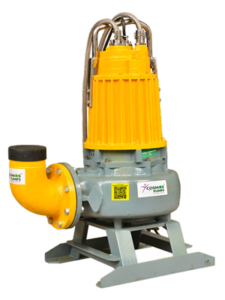
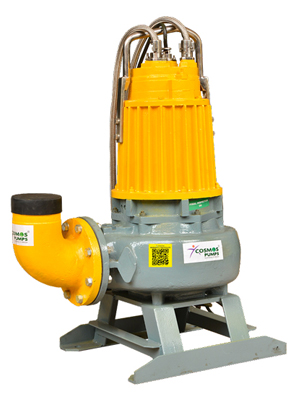
Slurry pumps take on a different challenge. They are designed to move liquids mixed with solid chunks, including sand, gravel, or ore. They are extensively used in mining, dredging, wastewater, and construction sites.
Essential facts to understand
Most slurry pumps use centrifugal force. A spinning impeller throws the slurry outwards. It makes them efficient to move a ton of material at once. Remember that it is not done at super high pressures. Their insides are armored with wear-resistant parts, because all those solids can chew through regular pumps in no time.
What sets slurry pumps apart?
– They move lots of material fast.
– They stand up to abrasive and even corrosive stuff.
– Their wear parts can be swapped out easily.
– They’re built for nonstop, high-volume work.
Differences between the slurry and the mud versions
It is a fact that these two products manage fluids with solids. However, the methods are different. Let us understand the major differences.
How do they move stuff?
Mud pumps use positive displacement. They push a fixed amount every cycle. The slurry pump works differently. The slurry is tossed through the pipes with the help of a centrifugal force.
Pressure or volume
A mud pump is your choice for high-pressure jobs, like deep drilling. Slurry pumps handle big volumes at lower pressures. They are ideal for moving tons of material.
Where will you find them?
You can find mud pumps mainly on drilling rigs in oil, gas, or geothermal projects. Slurry versions are used in mines, dredges, power plants, and other similar places.
What do they handle best?
Mud pumping products handle sticky, viscous fluids loaded with fine solids. Slurry pumping solutions will manage watery mixtures with bigger, abrasive particles.
When to use each?
A mud pump is the go-to for any drilling operation, including oil and gas, geothermal, or even specialty jobs. They keep the hole stable, clear out cuttings, and stop blowouts. The slurry pump is the workhorse wherever you need to move heavy slurries. In mining, it shuttles ore from point to point. In dredging, it sucks up and moves out sediment. Power plants and wastewater treatment plants also rely on a slurry pump.
How to choose?
Consider these aspects:
– What are you pumping? How thick is it, and how gritty?
– Do you need high pressure (mud pump) or high flow (slurry pump)?
– What’s the job – filling or material transport?
– How easy is it to keep the pump running, and can you easily get replacement parts?
Keeping them running
Both types require regular care. Mud pumping products suffer wear on valves, pistons, and liners because of the high pressure. Slurry pumping solutions will get chewed up at the impeller and casing from all those solids. Stay on top of maintenance to prevent costly breakdowns and reduce downtime.
Why does picking the right pump matter?
Using the wrong pump for the job is asking for trouble. Try moving thick, high-pressure mud with a slurry pump, and you’ll end up with lousy performance and wasted energy. Use a mud pump for endless volumes of slurry, and you will just burn out your equipment.
Conclusion
Mud and slurry pumps play a vital role in heavy industry, but you’ve got to know what you’re up against. The former performs better at high-pressure, tricky fluid handling. The latter is built for moving gritty mixes at high volumes. Choosing the right one is a crucial decision. You should also keep the equipment well-maintained. It makes the operation smoother, longer, and cheaper.