Meta Description: Learn what a PTO inspection involves, why it delays solar projects, and how proper documentation keeps approvals moving.
Every solar installer eventually learns the same lesson: getting panels on a roof is only half the job. The other half involves paperwork, code compliance, and one final checkpoint that decides whether a system gets turned on at all. That checkpoint is the pto inspection, and it catches more projects off guard than almost any other stage in the process. Consequently, understanding what happens during this step matters just as much as the installation itself.
At PTOEdge, we know solar work is more than just installing panels. It also needs clear designs, correct documents, and utility approval before a system can legally generate power. Every city has different rules, and small mistakes can slow projects down for weeks at a time. That is why we handle every detail carefully, so projects move forward smoothly and safely, saving time and reducing stress for everyone involved.
If failed inspections keep pushing your timelines back, talk to our permitting team here and find out what’s actually causing the holdup.
What Happens During a PTO Inspection
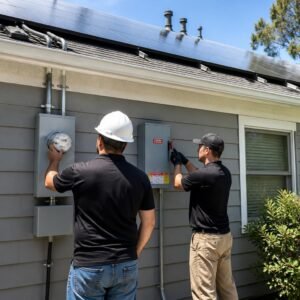
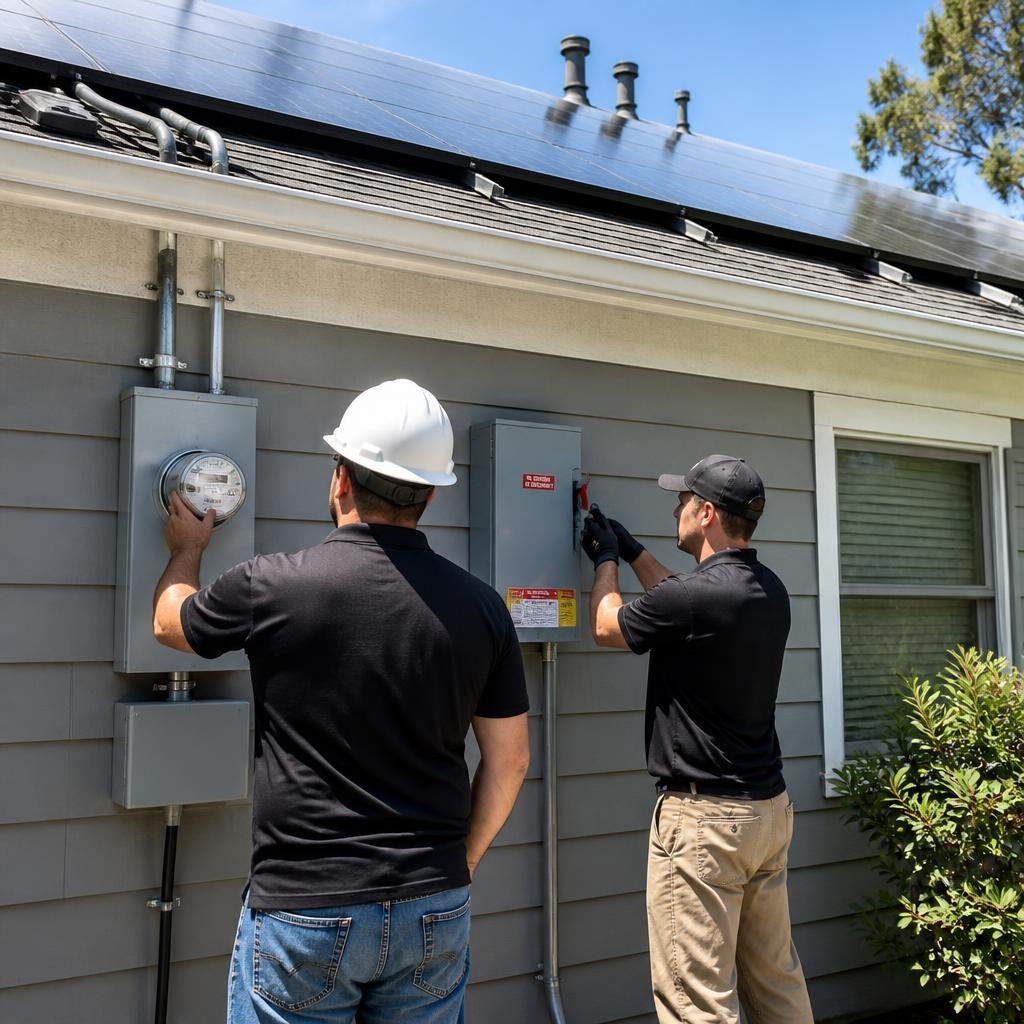
A pto inspection is not a quick glance at rooftop panels from the ground. Inspectors compare the finished installation against the approved plan set, checking wiring routes, grounding, attachment points, and equipment labeling one item at a time. If anything on-site differs from what was originally submitted, the inspector flags it, and the whole approval process pauses until corrections happen.
This is where small changes made during construction often cause big problems. Crews sometimes shift panel placement or reroute conduit for practical reasons, yet nobody updates the paperwork to match. As a result, what looked perfectly fine on the roof fails on paper. Teams that treat pto services as an ongoing responsibility, rather than a single submission, generally avoid this problem because their documentation stays accurate throughout the build.
Why Plan Sets Determine Inspection Outcomes
Long before an inspector ever visits a job site, the entire approval process depends on accurate pv plan sets. These documents lay out electrical schematics, structural mounting details, and equipment specifications so a jurisdiction can evaluate the system before construction even starts. Without solid solar plan sets, permits never get issued in the first place, and inspection never becomes relevant.
Moreover, pv design services need to reflect real site conditions instead of generic assumptions borrowed from a template. A rushed solar planset frequently contains mismatched panel counts or incorrect roof measurements, both of which surface later during physical inspection. A properly drafted Plan Set, on the other hand, anticipates these issues long before a reviewer sees them. This is why so many installers now depend on dedicated solar permit plans support rather than stretching in-house designers across too many jobs simultaneously.
Engineering Review and Why It Protects Your Timeline
Many jurisdictions won’t move a permit forward without a licensed engineer’s formal sign-off. This requirement, commonly known as a solar stamping service, confirms that structural and electrical calculations genuinely meet code before anyone begins construction. A PE Stamp becomes particularly important for unusual roof geometries, ground-mount systems, or heavier structural loads.
Skip this step, or rush through it, and some jurisdictions reject applications outright, regardless of how complete everything else appears. Pairing careful design work with proper PE Stamp review therefore improves first-pass approval odds considerably. It also reinforces best solar permit design standards overall, since engineers routinely catch structural risks a general designer might overlook entirely.
HOA Restrictions Nobody Budgets For
Homeowners associations frequently impose requirements that go well beyond standard building codes, and this catches even experienced installers off guard. Understanding hoa solar panel guidelines early in a project prevents disputes that might otherwise surface right before, or during, the inspection process. Some associations restrict street-facing panel visibility, while others require separate architectural review before any work begins.
Because these rules vary so dramatically between communities, partnering with a Permitting team familiar with regional HOA patterns saves genuine time. Additionally, resolving HOA concerns during the design phase, rather than after installation, avoids the last-minute rework that frustrates homeowners and delays inspection scheduling further.
Net Metering: Why Homeowners Track This So Closely
Once a system clears inspection and receives final approval, homeowners usually care about one thing above everything else: how their electricity bill changes. That’s where solar panels net metering becomes genuinely relevant. Net metering credits homeowners for excess electricity sent back to the grid, offsetting usage during lower-production months like winter.
However, solar net metering policies differ significantly by state, and sometimes even between utilities operating within the same state. Some offer full retail-rate credit, while others apply reduced compensation structures that change the math considerably. Understanding local pto solar rules before installation helps set realistic expectations around long-term savings. A properly executed Permission to Operate submission ensures the system actually qualifies for whatever program the local utility offers.
Jurisdictional Chaos: Same Project, Different Rules Everywhere
Perhaps nothing complicates solar work more than the inconsistency between jurisdictions. Every city, county, and utility maintains its own submission portal, review timeline, and inspection checklist. What sails through approval in one neighborhood might get rejected twice in the next town over, even with nearly identical paperwork. This becomes especially clear for teams offering solar permit services san diego, where coastal codes add extra scrutiny.
Because of this unpredictability, many companies now rely on specialized pv permit services rather than assigning permitting duties to general staff. A dedicated Permit Design & AHJ Compliance approach means someone actively tracks code updates and inspector preferences across dozens of jurisdictions at once. That accumulated knowledge prevents the guesswork that so often leads to failed inspections and repeat site visits.
Battery Storage Adds Its Own Inspection Requirements
As more homeowners pair solar with battery backup, battery energy storage permitting has become its own distinct challenge within the industry. Batteries introduce fire safety, ventilation, and clearance requirements that standalone panel systems never had to address. As a result, jurisdictions often apply noticeably stricter review standards to battery installations compared with solar arrays alone.
In some regions, local fire departments require separate sign-off before a battery system can even be energized, adding another checkpoint to an already layered process. Installers unfamiliar with these requirements frequently underestimate how much extra documentation storage systems genuinely demand.
Commercial Projects Follow a Different Playbook Entirely
Commercial installations operate under expectations that look nothing like residential work. Commercial solar permit services typically involve larger electrical loads, more demanding structural engineering, and sign-off from multiple stakeholders before construction can even begin. Because commercial roofing systems vary so widely, plan sets for these projects require significantly more technical depth.
Meanwhile, utility interconnection studies for commercial systems frequently take much longer to process than residential applications ever do. Therefore, installers working across both markets often need separate workflows, with solar epcs managing commercial pipelines distinctly from smaller residential crews handling simpler jobs.
Sales Proposals: The Quiet Starting Point for Every Approval
Interestingly, inspection outcomes often trace back further than people realize, all the way to the original sales conversation. A well-constructed solar sales proposal sets accurate expectations around system size, projected production, and financing terms from the very start. When proposals rely on outdated assumptions, the resulting design usually needs substantial revision once real site conditions get measured.
A data-backed Sales Proposal reduces this friction considerably by aligning what’s promised with what’s actually feasible on-site. Moreover, accurate proposals support faster PTO application processing later, since the original scope closely matches the final permitted design that inspectors eventually review.
From Installation to Sign-Off: The Full Picture
It’s worth stepping back to see the bigger picture here. A complete pto installation covers everything from initial design through final utility clearance, not just the physical mounting of panels on a roof. Skipping steps along the way, whether during design, engineering review, or documentation updates, tends to surface exactly where it hurts most, at inspection.
Teams that manage this full lifecycle consistently, rather than treating each stage as a separate vendor relationship, avoid the disconnect between what’s on paper and what’s actually built. This consistency ultimately determines whether permission to operate solar happens on schedule or drags into a second review cycle.
One Connected Workflow, Fewer Surprises Later
As project volume increases, many solar companies discover that permitting bottlenecks, not sales capacity, actually limit their growth. Solar Installer Growth frequently stalls because permitting teams cannot keep pace with rising submission volume across multiple jurisdictions at once. This is exactly where an integrated pto solutions approach becomes genuinely valuable for growing teams.
Rather than juggling separate vendors for design, engineering stamps, and permitting submissions, many companies now consolidate everything through Solar App+, a single workflow combining design and permitting together. This approach particularly benefits solar panels and installation businesses managing significant project volume across several jurisdictions simultaneously.
Tired of losing time to failed inspections and repeat site visits? Reach out to our permitting specialists here and see how a coordinated workflow keeps your projects moving on schedule.
Frequently Asked Questions
What does an inspector check during a PTO inspection?
Inspectors verify that the physical installation matches the approved plan set, including wiring and equipment placement.
Why do some solar systems fail inspection?
Mismatches between the approved design and the actual on-site installation are the most common cause of failure.
Does every solar project need a PE stamp before inspection?
Not always, though many jurisdictions require one for structurally complex residential or commercial systems.
Can HOA requirements affect inspection scheduling?
Yes, unresolved HOA approval issues can delay when a jurisdiction agrees to schedule final inspection.
How does battery storage change the inspection process?
Battery systems often require additional fire safety checks beyond standard solar-only inspections.