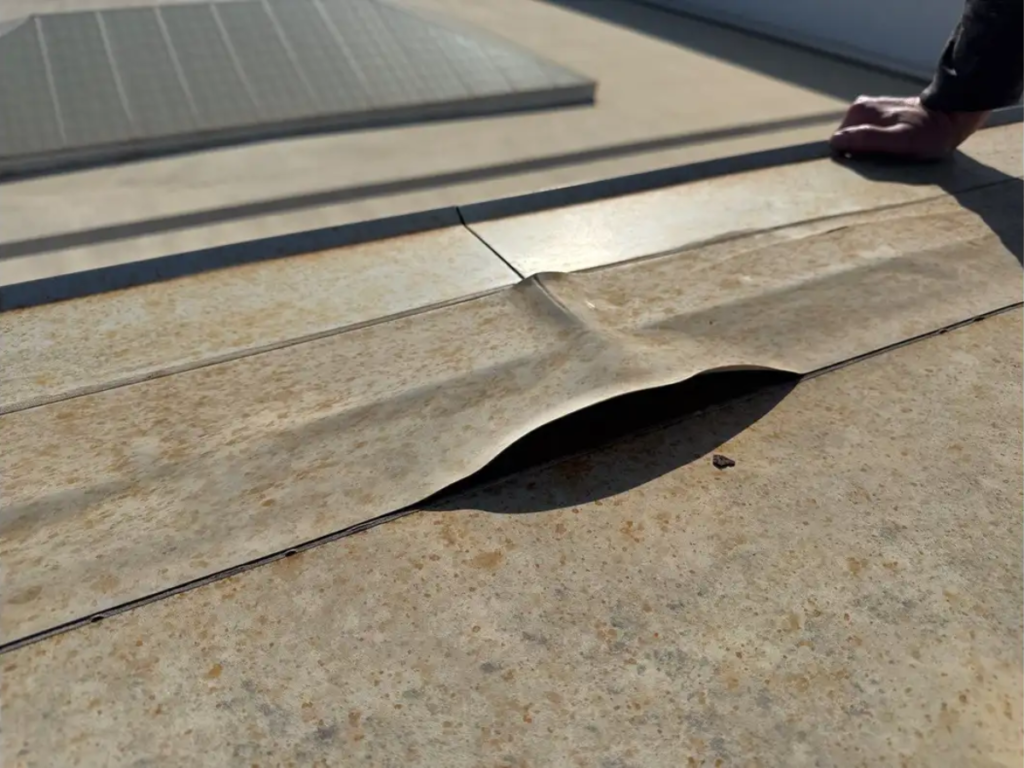
Realizing you have water in your property can be an upsetting experience and is worse when the problem seems to originate from the roof. A leak can start by a little discoloration, a drip or a patch of damp but the longer action is postponed the further moisture can travel into insulation, ceilings, walls and timbers. Being aware of a number of simple actions to take when you first become aware of the leak can save a lot of trouble and cost when it comes to repair.
Protect the Interior
During the initial stage of water input to the home, the safety of people and belongings takes precedence over anything else. Relocate furniture, electronics and other valuable items away from the site of water ingress. Water dripping from ceiling should be caught using a container if possible, and all standing water from floors. Water close to sockets, switches or appliances should be left alone, and a professional called in.
Do Not Ignore the First Signs
Roof leaks are not always as simple as a stream of water. A brown stain in the ceiling, paint bubbles, wet insulation, smelling a musty odor, or bubbling drywall are all signs that moisture has been allowed entry somewhere above. Moisture paths can travel along decking and other such places. Therefore, stains inside may not originate where the leak is on the roof.
Look From a Safe Location
Homeowners should also be able to visually check from the ground, or from an attic space that is safe to enter, for obvious loss of shingles, damaged flashing, daylight visible through the roofing, or evidence of water intrusion. If in doubt, don t climb onto a damaged or wet roof. Roofing surfaces are very slippery and, without the right equipment, attempting to make corrections can be dangerous.
Consider Recent Weather
Consider whether the problem started following a period of heavy rain, high winds, hail or other weather condition. Storms can cause breaches letting in water, even in places where it is hard to see the damage, just by looking from the ground. If you have recent weather information, you may be able to use it to explain the problem to a roofing professional. This might also be reason to focus during an inspection.
Arrange a Professional Inspection
Locating the origin of a leak can sometimes be difficult. A professional evaluation of the shingled area, flashing, roof penetrations, valley, gutters, and all other areas where water may be entering is recommended. The inspection should be able to confirm whether the moisture has penetrated the primary and secondary substrates. Do not resolve the stain but look for a resolution to the actual problem.
Choose the Right Repair
The correct solution is relevant to the defect‘s location, extent and cause. If the damage is limited to a small area then a straightforward roof repair Houston or flashing repair may suffice. If the damage is widespread then a more comprehensive repair will be required. A professional roof leak repair will seek to remedy the cause of the problem rather than the leak evidence.
Check the Attic
Sometimes the attic inspection can provide some helpful information about the source of a leak. Look for wet insulation, water stains on wood, the presence of mold-like material, or any moisture on vents or other roof penetrations. Do not enter an attic unless it is safe to do so (i. E., well lit, accessible, and without electrical components in the area). If in doubt, hire a professional.
Inspect Gutters and Drainage
Roof drainage may be to blame for excessive water issues if gutters are clogged or downspouts aren‘t moving water away properly. Leaves, dirt, and other debris could be preventing proper flow and creating water pooling near the edges of the roof. Once the leak has been localized, the homeowner should check to see if the gutters and downspouts are draining well. Proper drainage will minimize excessive water exposure around the roofing system.
Keep Records of the Problem
It can be helpful to document a leak if it drags on several days you can end up with a record of the damage. Photograph water stains on the inside and any visible damage on the outside, if conditions are appropriate. Record how old the leak is, if it appears when it rains, if the affected area enlarges over time. This information can assist your roofer in diagnosing the problem.
Do Not Delay Repairs
Small leak becomes complicated when water stays within the roofing contractor near me structure. That can cause damage to decking, insulation, drywall, paint or other materials over time. Seeking care quickly can also reduce the possibility of secondary damage and sometimes result in less extensive repairs. Homeowners should consider calling in professionals when they are unable to locate or repair the source.
When Replacement May Be Needed
Not all leaks will require a new roof, but if you experience continual leaks, if the roof is reaching the end of its life, suffering from extensive storm damage or if the roof is generally old, then a new roof may be an option worth considering. Consult an experienced roofer today.
Conclusion
No matter how minor the apparent roof leak damage, it is always best to seek the appropriate roof leak repair. Take precautions to safeguard the porch, note what is observed, get a professional roof leak inspection performed to determine the source of the problem. The purpose of a roof leak repair should be to actually repair the root cause of the problem, not to merely conceal it.