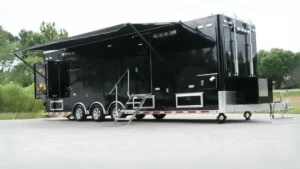
Trailers form a critical part of modern transport systems by enabling efficient movement of goods across cities, regions, and long-distance freight routes. Businesses depend on them for carrying everything from construction materials to consumer goods in bulk quantities. Specialty Trailers support cargo that requires specific handling, offering tailored solutions for weight, size, and safety needs. Their adaptability strengthens logistics operations and helps reduce delivery costs while improving distribution efficiency. Transport industries rely heavily on trailers to maintain consistent supply chain performance.
Understanding Trailers in Transport
Trailers are unpowered transport units connected to trucks or towing vehicles for moving goods. Their usage begins with selecting a suitable design based on cargo type and weight requirements. The coupling system connects the trailer securely to the vehicle for safe movement. Cargo loading follows a structured process that ensures balanced weight distribution across the platform. Proper securing methods prevent shifting during transit. Different trailer structures support varied logistics needs, making them essential tools in transportation systems across industries.
Key Advantages of Using Trailers
Trailers offer several operational benefits that improve logistics efficiency and cost management. High cargo capacity allows businesses to transport larger loads in fewer trips, reducing fuel and labor expenses. Flexible design supports multiple cargo types, including machinery, packaged goods, and raw materials. Detachable units simplify warehouse loading and unloading processes. Fuel consumption per unit of cargo decreases significantly in long-haul operations. Safety improves through specialized designs that handle heavy or oversized loads with better stability and control during transportation.
Common Types of Transport Trailers
Transport trailers come in multiple types designed for specific logistics requirements. Flatbed trailers are widely used for construction equipment and steel materials due to their open design. Enclosed trailers provide full protection from weather and theft, making them suitable for valuable goods. Refrigerated trailers maintain controlled temperatures for food, pharmaceuticals, and perishable items. Tank trailers transport liquids and chemicals with sealed safety systems. Lowboy trailers handle oversized machinery by offering lower deck height for improved clearance and stability during movement.
Best Uses of Trailers in Different Industries
Trailers support a wide range of industries by providing flexible cargo movement solutions. Construction companies rely on them for transporting heavy machinery, cement, and steel materials to project sites. Agriculture operations use trailers for crops, fertilizers, and farming equipment distribution. Retail and e-commerce businesses depend on trailers for bulk product delivery to warehouses and stores. Manufacturing industries use them to manage supply chains and finished goods transport. Food and beverage sectors depend on refrigerated units to preserve freshness during transit.
Safety Practices in Trailer Operations
Safe trailer operation depends on careful preparation and consistent inspection routines. Proper loading techniques help maintain vehicle balance and reduce accident risks during transport. Regular checks of tires, braking systems, and coupling mechanisms ensure road safety. Cargo securing methods prevent movement that may damage goods or affect stability. Driver training plays an important role in handling different trailer types under varying road conditions. Route planning improves safety by avoiding rough roads, congestion, and unnecessary travel delays across logistics networks.
Efficiency and Load Management Strategies
Efficient trailer usage depends on optimized load planning and operational coordination. Weight distribution across axles improves vehicle balance and reduces mechanical strain. Strategic loading patterns help maximize available space without exceeding safety limits. Logistics teams schedule routes to minimize fuel consumption and delivery time. Maintenance planning ensures trailers remain in optimal working condition, reducing downtime. Digital tracking systems allow real-time monitoring of cargo movement. These combined practices improve transport efficiency and strengthen supply chain reliability across industries.
Technology Integration in Trailer Systems
Modern trailer systems increasingly use technology to improve performance and monitoring. GPS tracking allows real-time visibility of cargo location and delivery progress. Smart sensors monitor temperature, weight, and security conditions during transport. Lightweight materials improve fuel efficiency while maintaining structural durability. Automation in logistics helps optimize routing and scheduling decisions. Electric and hybrid towing solutions reduce environmental impact and operating costs. These technological advancements continue to reshape trailer-based transport into a more intelligent and efficient system.
Economic Importance of Trailer Transport
Trailer transport contributes significantly to economic activity by supporting trade and distribution networks. Efficient cargo movement reduces operational costs for businesses and improves market accessibility for goods. Large-scale logistics operations depend on trailers to maintain steady supply chains. Reduced transportation expenses allow companies to improve pricing competitiveness. Job creation in logistics, maintenance, and fleet management strengthens employment opportunities. Reliable trailer systems also support international trade by enabling smooth movement of export and import goods across borders and transport corridors.
Conclusion:
Trailers remain a core component of transport and logistics systems due to their adaptability and efficiency. Their ability to handle diverse cargo types supports industries ranging from construction to retail distribution. Strong safety practices, efficient load management, and technology integration continue to improve their performance. Businesses benefit from reduced costs, improved delivery times, and stronger supply chain control. Ongoing advancements ensure trailers will remain essential tools in global freight movement and industrial logistics operations for years ahead.