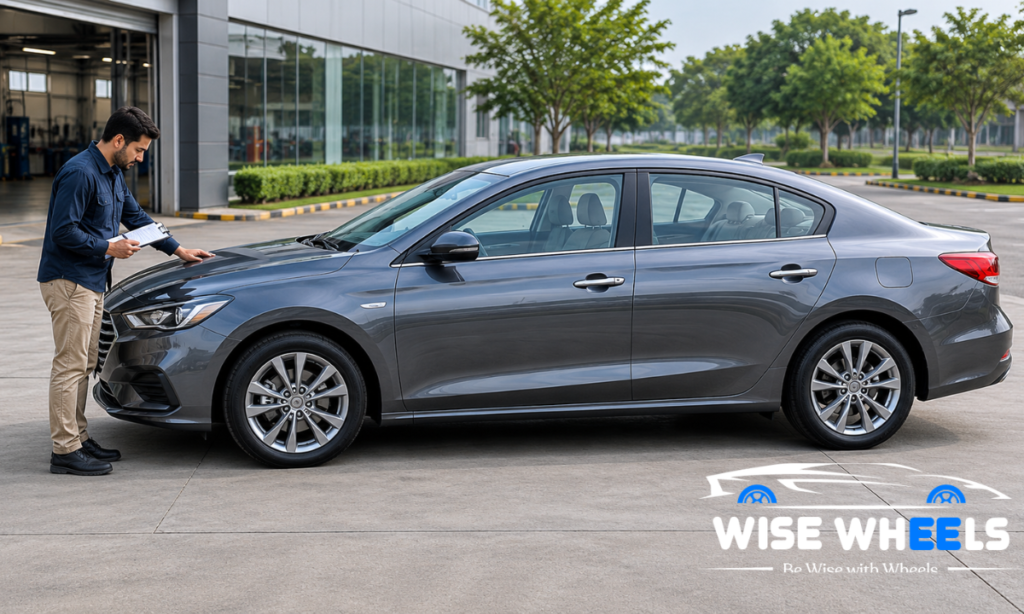
Buying a used car can be exciting, but it can also feel risky if you do not know what condition the vehicle is really in. A car may look clean from the outside, have shiny paint, and seem smooth during a short test drive, but hidden mechanical, electrical, or structural issues can turn it into an expensive mistake. This is why a proper inspection before purchase is not just helpful; it is one of the smartest steps any buyer can take.
A professional vehicle inspection gives you a clear picture of the car’s actual health. Instead of relying only on the seller’s words or your own basic observation, you get an expert evaluation of the engine, body, suspension, brakes, documents, tires, interior, and overall performance. This helps you understand whether the used car is worth the asking price or whether it may require costly repairs after purchase.
For buyers in Pakistan, where used cars often pass through multiple owners and repair histories are not always fully documented, inspection becomes even more important. A reliable Car Inspection Service can help you avoid accidental cars, tampered mileage, weak engines, poor repaint jobs, hidden rust, and other problems that may not be obvious at first glance.
Why a Professional Car Inspection Matters Before Buying
A used car inspection is important because it protects your money and your safety. Many buyers focus mainly on the model, price, color, and mileage, but the real value of a car depends on its condition. Two cars of the same model and year can have very different worth depending on how they were maintained, repaired, and driven.
A professional car inspector checks the vehicle with trained eyes and proper tools. They know where to look for signs of accident repair, engine weakness, suspension damage, oil leaks, rust, paint mismatch, and electrical faults. This detailed approach gives you confidence before making the final decision.
Another major benefit is negotiation. When you know the exact condition of the vehicle, you can negotiate better with the seller. If the inspection report shows worn tires, weak brakes, repainting, or upcoming maintenance needs, you have a strong reason to ask for a fair discount. In many cases, the inspection cost saves you much more money than you spend on it.
Complete Exterior Body Inspection
The exterior inspection is one of the first and most important parts of a professional used car checkup. The inspector carefully examines the body panels, doors, bonnet, trunk, roof, bumpers, and fenders to identify any signs of accident damage or poor repair work.
Paint condition is also checked in detail. A trained inspector can usually identify repainting, touch-ups, color variation, overspray, and body filler. These signs may indicate previous accidents or rust repair. While repainting is not always a deal breaker, it should be properly disclosed because it affects the car’s resale value.
The inspector also checks panel gaps and alignment. Uneven gaps around the doors, hood, or trunk may suggest that the car has been involved in an accident or repaired poorly. Rust is another serious concern, especially in older vehicles or cars exposed to moisture. Rust around the underbody, wheel arches, doors, and engine bay can lead to long-term structural problems.
Engine Condition and Performance Check
The engine is the heart of any vehicle, so a professional inspection gives special attention to its condition. The inspector checks for oil leaks, coolant leaks, unusual sounds, smoke, vibration, overheating signs, and poor maintenance indicators.
Engine oil condition is also reviewed. Dirty oil, low oil level, or milky oil may point toward poor maintenance or internal engine problems. The coolant level and color are checked to make sure the cooling system is working properly. A weak cooling system can cause overheating, which may lead to major engine damage.
During the inspection, the car may also be started cold to observe how the engine behaves at startup. Hard starting, rough idling, knocking sounds, or excessive smoke from the exhaust can be warning signs. A smooth and stable engine usually indicates better care, while irregular performance may suggest hidden mechanical issues.
Transmission and Gearbox Inspection
The transmission is another costly component that must be checked before buying a used car. Whether the vehicle has a manual or automatic gearbox, the inspector observes gear shifting, clutch response, delay, jerks, slipping, and unusual noises.
In automatic cars, delayed shifting or hard gear engagement can indicate transmission wear. In manual cars, a hard clutch, slipping clutch, or noisy gearbox may require repair or replacement. These repairs can be expensive, so identifying them before purchase is very important.
A proper road test helps reveal gearbox performance under real driving conditions. The inspector checks how the car accelerates, shifts gears, and responds at different speeds. This gives a better idea of whether the transmission is healthy or needs attention.
Suspension, Steering, and Underbody Check
A car’s suspension affects comfort, handling, and safety. During a professional vehicle inspection, the suspension system is checked for worn shocks, damaged bushings, broken mounts, weak springs, and unusual noises. If the car makes knocking or rattling sounds over bumps, it may need suspension repair.
Steering performance is also tested. The inspector checks whether the steering feels loose, hard, noisy, or pulls to one side. Poor steering response can make driving unsafe and may indicate alignment, suspension, or steering rack issues.
The underbody inspection is especially important because many serious problems are hidden underneath the car. The inspector looks for rust, oil leakage, damaged chassis parts, repaired accident areas, and signs of poor maintenance. A clean underbody usually reflects better care, while heavy rust or welding marks can be red flags.
Brake System Inspection
Brakes are directly connected to safety, so they are always included in a professional used car inspection. The inspector checks brake pedal feel, brake pads, discs, fluid level, handbrake performance, and braking response during the test drive.
If the brakes feel weak, noisy, or uneven, the car may require immediate maintenance. Vibrations while braking may suggest warped brake discs, while a soft brake pedal could indicate air in the brake lines or a fluid issue. These problems should not be ignored because they can affect driving safety.
A proper brake inspection helps the buyer understand whether the car is roadworthy or needs urgent repair after purchase.
Electrical System and Lights Check
Modern vehicles depend heavily on electrical systems. A professional car inspection includes checking headlights, indicators, brake lights, reverse lights, dashboard lights, power windows, central locking, wipers, horn, infotainment system, parking sensors, and air conditioning controls.
The battery and charging system may also be checked. A weak battery, faulty alternator, or electrical wiring issue can create inconvenience and unexpected repair costs. Warning lights on the dashboard are also important. Lights related to the engine, ABS, airbags, or battery should be taken seriously.
Electrical faults can be difficult to diagnose later, so checking them before buying helps you avoid frustration and unnecessary expenses.
Interior and Comfort Features Inspection
The interior condition tells a lot about how the car was used. During car inspection, the seats, dashboard, carpets, roof lining, seatbelts, controls, air conditioning, infotainment system, and storage areas are examined.
Excessive wear on the steering wheel, pedals, and seats may suggest high usage, even if the odometer shows low mileage. This can be a sign of mileage tampering. Bad odors, damp carpets, or water stains may indicate water leakage or flood damage.
Comfort features such as air conditioning, heater, rear camera, power mirrors, and seat adjustment are also tested. These may seem like small things, but repairing them can be costly, especially in imported or newer vehicles.
Tires, Wheels, and Alignment Check
Tires are checked for tread depth, uneven wear, cracks, age, and brand consistency. Uneven tire wear may indicate alignment problems, suspension issues, or poor driving habits. If the tires are worn out, the buyer should consider replacement cost before finalizing the deal.
Wheels are also inspected for bends, cracks, and damage. Alloy wheel repair or replacement can be expensive depending on the vehicle model. A test drive can help reveal alignment issues if the car pulls to one side or the steering wheel does not stay centered.
Good tires and proper alignment improve road grip, fuel efficiency, and safety, so this part of the car inspection should not be overlooked.
Test Drive and Road Performance
A test drive is one of the most valuable parts of a professional car inspection. It allows the inspector to evaluate the car under real driving conditions. During the drive, acceleration, braking, steering, suspension comfort, gear shifting, engine response, and cabin noise are observed.
The inspector listens for unusual sounds such as knocking, grinding, rattling, or humming. They also check whether the car drives straight, brakes smoothly, and handles bumps properly. Some issues only appear when the vehicle is moving, which is why a static inspection alone is not enough.
A proper road test helps confirm whether the car feels reliable, stable, and safe for daily use.
Odometer and Mileage Verification
Mileage is one of the most important factors in used car pricing, but unfortunately, odometer tampering can happen. A professional car inspection includes checking whether the mileage looks realistic based on the car’s age, interior wear, service history, tire condition, and mechanical condition.
If a car shows low mileage but has worn pedals, faded buttons, sagging seats, or heavy suspension wear, the inspector may suspect mileage rollback. While it is not always possible to prove tampering without official records, an experienced inspector can identify signs that do not match the displayed mileage. Mileage verification helps buyers avoid overpaying for a car that has been used more than advertised.
Documents and Vehicle History Review
A professional car inspection may also include reviewing basic documents and vehicle details. The inspector checks registration information, chassis number, engine number, token status, ownership details, and whether the information matches the physical vehicle.
This step is important because document issues can create legal and financial problems later. Buyers should make sure that the car is not involved in any ownership dispute, unpaid dues, or registration mismatch. In Pakistan, proper document verification is especially important before transferring ownership.
A clean car with unclear documents can still become a problem, so paperwork should always be reviewed carefully.
Final Inspection Report and Buying Decision
After the car inspection is complete, the buyer usually receives a detailed report. This report explains the condition of different parts of the car, including exterior, engine, suspension, brakes, tires, interior, electrical systems, and overall performance.
The report helps the buyer make a practical decision. If the car is in good condition, the buyer can move forward with more confidence. If there are minor issues, the buyer can negotiate the price. If there are major problems, it may be better to walk away and continue searching.
A professional car inspection does not only tell you what is wrong with the car; it helps you understand whether the car is worth buying at the given price.
Common LSI Keywords Used Naturally in Used Car Inspection
When discussing a professional car checkup, related terms such as used car inspection, pre-purchase inspection, vehicle inspection, car evaluation, auto inspection, mechanical checkup, car condition report, engine inspection, accident history check, paint inspection, underbody inspection, and road test naturally support the main topic. These terms help explain the full process without repeating the main keyword too often.
Conclusion
A professional car inspection before buying a used car is one of the best ways to protect yourself from hidden problems, unexpected repair costs, and poor buying decisions. It covers everything from exterior condition, paint quality, engine health, gearbox performance, brakes, suspension, tires, interior, electrical features, road test performance, mileage signs, and document verification.
In a used car market where every vehicle has a different story, expert inspection gives you clarity. It helps you understand the real condition of the car instead of depending only on appearance or seller claims. Whether you are buying your first car or upgrading to a better model, a detailed inspection can save money, time, and stress.
For buyers in Pakistan who want a safer and more informed used car buying experience, Wise Wheels Pakistan is a smart option to consider. Their professional approach can help you inspect, evaluate, and choose the right car with greater confidence before making your final purchase.
FAQs
Q: What is included in a professional car inspection service?
A: A professional car inspection usually includes checking the exterior body, paint condition, engine, transmission, suspension, brakes, tires, interior, electrical systems, underbody, road performance, mileage signs, and basic documents. The goal is to give the buyer a clear understanding of the used car’s actual condition before purchase.
Q: Is a used car inspection really necessary before buying?
A: Yes, a used car inspection is highly recommended because many problems are not visible during a quick look or short test drive. Hidden accident repairs, engine weakness, transmission issues, rust, electrical faults, and mileage tampering can cost a lot after purchase. An inspection helps you make a safer and more informed decision.
Q: Can a car inspection identify accidental or repainted cars?
A: A professional inspector can often identify signs of accident repair, repainting, body filler, panel replacement, uneven gaps, welding marks, and paint mismatch. While not every repainted car is bad, knowing the repaint or accident history helps you judge the car’s real value.
Q: How long does a professional car inspection take?
A: The time depends on the vehicle condition and inspection detail, but a proper pre-purchase car inspection usually takes enough time to check major mechanical, electrical, structural, and road performance areas. A rushed inspection may miss important issues, so it is better to allow a complete evaluation.
Q: Does a car inspection help in price negotiation?
A: Yes, an inspection report can help you negotiate a better price. If the report shows worn tires, weak brakes, repainting, suspension work, oil leaks, or other repairs, you can use that information to ask for a fair discount or decide whether the car is worth buying.
people can write their informational blog on dailystorypro.