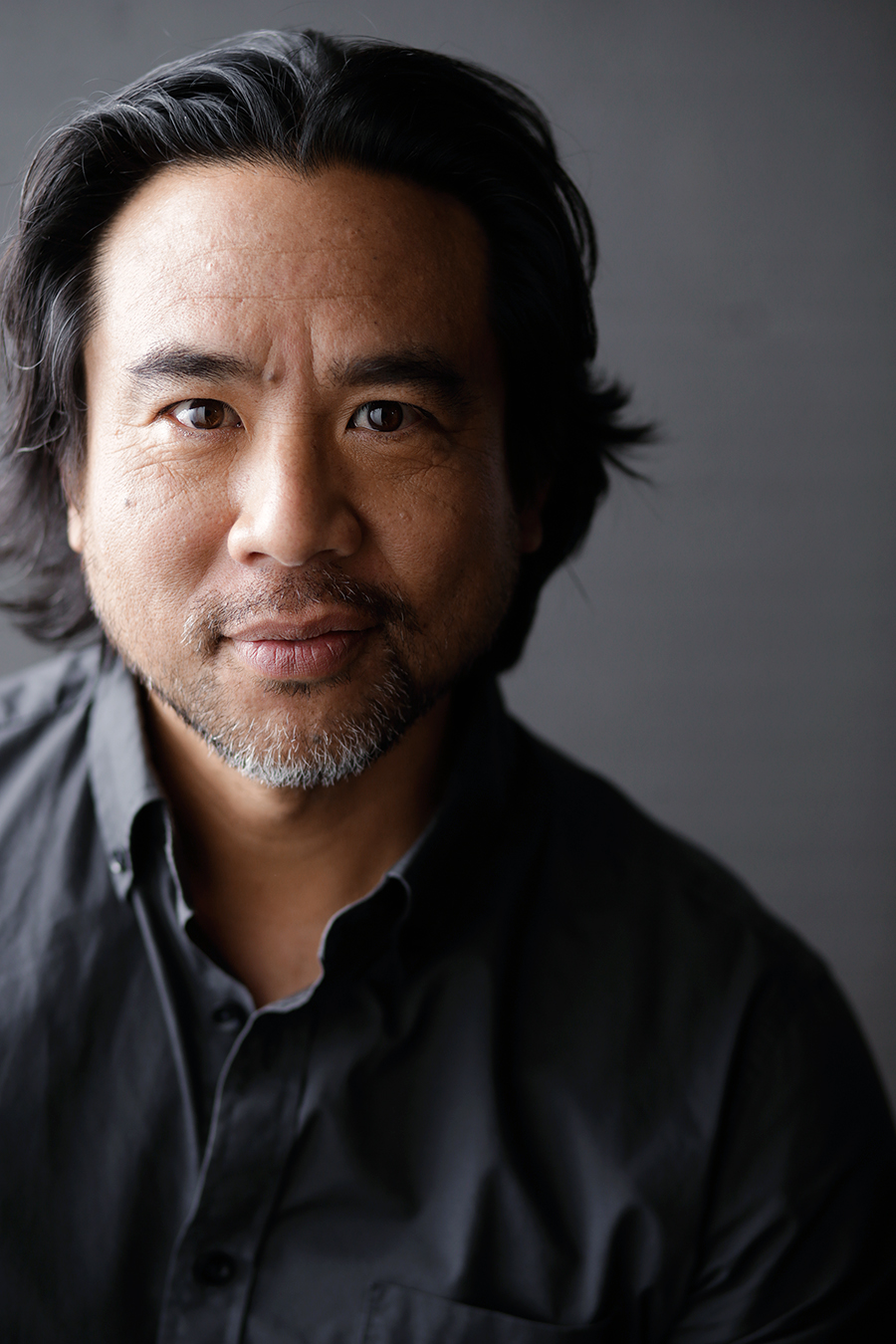
There are moments in life when everything changes in an instant. Not with fireworks or dramatic music, but with a quiet sentence spoken across a kitchen table. For actor and filmmaker Art Chudabala, that sentence was, “I want a divorce.”
No one prepares you for what comes next.
In Hollywood, if a scene falls apart, someone calls out, “Back to one!” Everyone resets. Actors return to their starting marks, cameras roll again, and another take begins. Mistakes are expected. Failure is part of the creative process.
Life offers no such luxury.
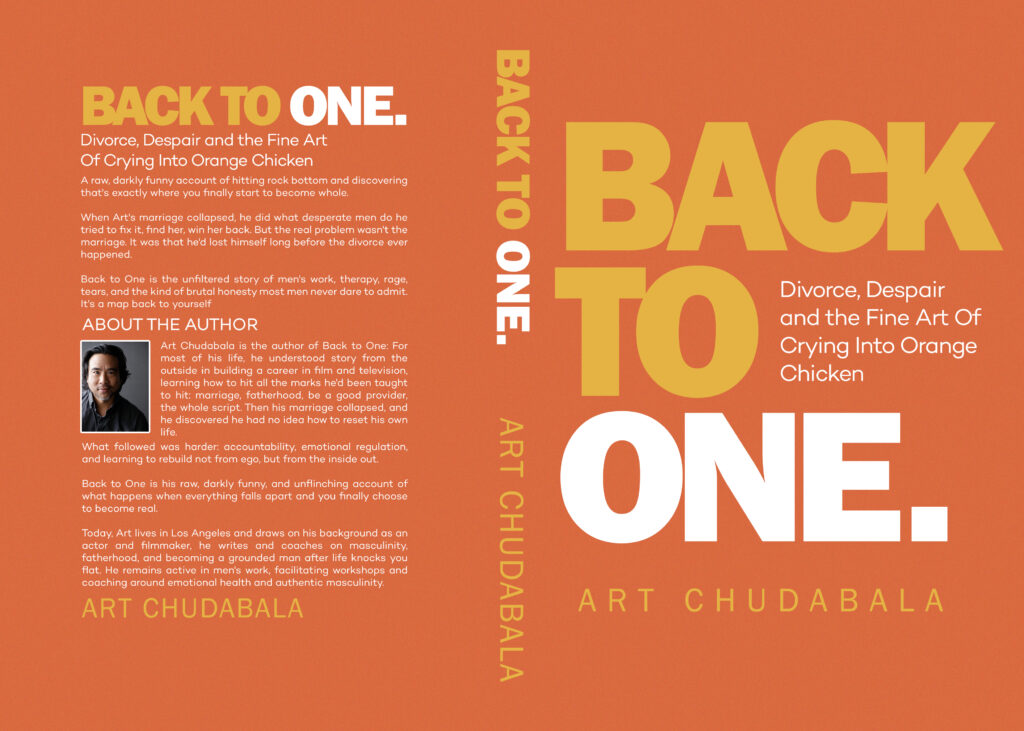
That simple but powerful metaphor forms the foundation of Back to One, a memoir that is far more than the story of a marriage ending. It is an honest exploration of identity, fatherhood, masculinity, and the painful work of rebuilding a life when the script you’ve been following no longer exists.
What makes Art’s story so compelling isn’t the divorce itself. Divorce is unfortunately common. What makes his journey resonate is his willingness to admit what so many people struggle to say aloud: sometimes the greatest loss isn’t your relationship, it’s losing yourself.
Throughout the memoir, readers follow a man who had seemingly built a successful life. He had a career in entertainment, a loving family, twins he adored, and what appeared to be stability. Yet beneath the surface, he had slowly become someone who no longer recognized his own voice.
The collapse didn’t happen overnight.
Like many relationships, it unraveled quietly through years of unspoken frustrations, emotional avoidance, and the subtle habit of putting everyone else’s needs before his own. Art doesn’t portray himself as the villain or the victim. Instead, he does something far more courageous: he examines his own shortcomings with remarkable honesty.
That honesty is the heartbeat of the book.
Rather than offering easy answers or assigning blame, he invites readers into the uncomfortable space where self-awareness begins. He openly acknowledges the mistakes he made, the lies he told himself, and the unhealthy patterns that slowly eroded trust. In doing so, he transforms a deeply personal story into something universal.
One of the memoir’s greatest strengths is its emotional authenticity.
There is no polished version of heartbreak here.
Readers witness panic attacks disguised as optimism, desperate late-night internet searches promising impossible reconciliation, awkward attempts at self-improvement, and the crushing loneliness of becoming a part-time father after years of daily family life.
Yet somehow, even in its darkest moments, the book manages to be funny.
Whether he’s crying over Panda Express Orange Chicken, joking about failing eight push-ups instead of twenty, or poking fun at the endless parade of online relationship gurus promising miracle solutions, Art reminds us that humor often survives where hope temporarily disappears.
It’s that balance between pain and laughter that makes the memoir feel so deeply human.
His background as an actor also gives the story a unique cinematic quality. Chapters unfold like scenes from a screenplay. Flashbacks reveal earlier versions of himself, allowing readers to understand not just what happened, but why it happened. Life is presented as a film in which the lead character slowly realizes he’s been performing for everyone except himself.
That metaphor never feels forced because it reflects the life Art actually lived.
Beyond the divorce, Back to One speaks to a larger conversation taking place today about modern masculinity.
For generations, many men have been taught to suppress emotion, solve problems silently, and equate vulnerability with weakness. Art challenges those assumptions without preaching. Instead, he simply tells the truth about what emotional disconnection looks like from the inside.
His realization that “peace without presence isn’t peace” becomes one of the memoir’s defining insights. It captures the tragedy of many relationships, not explosive conflict, but quiet emotional absence.
The memoir also pays heartfelt tribute to fatherhood.
Some of its most moving passages aren’t about losing a marriage at all, but about missing ordinary moments with his daughters: bedtime routines, lunchboxes, laughter echoing through the hallway, sticky fingerprints on the refrigerator. These everyday memories become sacred in hindsight, reminding readers that love often lives in the smallest rituals.
Like any first memoir, Back to One could benefit from some refinement. Certain emotional themes are revisited more than necessary, and a tighter editorial pass would strengthen the pacing. Some metaphors could be used more sparingly to allow the emotional moments to breathe on their own.
But these are matters of craft rather than substance.
The heart of the book is already there.
In an era where social media encourages polished versions of ourselves, Art Chudabala offers something increasingly rare: radical honesty. He doesn’t pretend to have mastered life or discovered a perfect formula for healing. Instead, he shares what rebuilding actually looks like, messy, uncertain, often painful, but ultimately hopeful.
Perhaps that’s the real meaning behind the title.
“Back to one” isn’t about returning to the person you were before everything fell apart.
It’s about finding the person who was buried beneath years of performance, expectation, and fear. Sometimes life never gives us another take. But it does give us the chance to begin again. And sometimes, that’s enough.