Providing high-quality toiletries is an important part of creating a comfortable and memorable hotel experience. From boutique hotels and luxury resorts to motels, serviced apartments and guesthouses, hospitality businesses need reliable access to bathroom essentials that meet guest expectations while keeping operating costs under control. Wholesale hotel toiletries offer a practical solution for businesses that want to purchase essential amenities in bulk, maintain consistent product quality and simplify their procurement processes.
Hotel toiletries may include shampoo, conditioner, body wash, hand soap, body lotion, shower gel and other personal care products provided in guest bathrooms. Although these items may seem like small details, they can influence how guests perceive the cleanliness, convenience and overall quality of their accommodation.
Buying toiletries wholesale allows hotels to source products in larger quantities, compare suppliers and establish a consistent amenity range across their properties. However, choosing the right products involves more than finding the lowest price. Businesses must consider product quality, packaging, ingredient information, delivery reliability, sustainability and the needs of their target guests.
In this guide, we explain the benefits of wholesale hotel toiletries, the different products available, how to choose a reliable supplier, ways to manage costs and practical strategies for maintaining an efficient hotel amenity supply.
What Are Wholesale Hotel Toiletries?
Wholesale hotel toiletries are personal care products purchased in bulk for use in hotels and other accommodation businesses.
These products are designed to support guests’ basic hygiene and personal care needs during their stay. Depending on the property, the range may include individually packaged toiletries, larger containers or products intended for use with refillable dispensers.
Common hotel toiletries include shampoo, conditioner, body wash, shower gel, hand soap, body lotion and facial soap. Some suppliers also offer dental kits, shower caps, vanity kits and other guest bathroom accessories.
Wholesale purchasing allows hospitality businesses to order larger quantities than they would typically buy through ordinary retail channels.
This can simplify procurement, support consistent product availability and potentially reduce the cost per unit.
For example, a large hotel may need thousands of individual toiletries each month, while a smaller guesthouse may require a more modest quantity. A suitable wholesale supplier should offer products and order quantities that match the property’s size, occupancy and budget.
Some suppliers specialise in standard hospitality amenities, while others provide premium toiletries, custom-branded products or environmentally considerate packaging options.
The best choice depends on the hotel’s positioning, guest expectations and operational requirements.
Why Are Wholesale Hotel Toiletries Important for Hospitality Businesses?
Choosing the right wholesale hotel toiletries supplier can help hotels improve guest satisfaction, manage purchasing costs and maintain consistent service standards.
Improve Guest Satisfaction
Guests expect accommodation providers to offer convenient access to basic bathroom essentials.
Providing suitable shampoo, conditioner, soap and body wash helps guests maintain their personal care routines without needing to bring every product from home.
Product quality, fragrance, packaging and ease of use can all influence the guest experience.
Luxury properties may choose premium formulations and coordinated packaging, while budget accommodation providers may prioritise practical products that deliver reliable quality at an affordable price.
The aim is to provide amenities that suit the property’s brand and meet the expectations of its target market.
Maintain Consistent Product Quality
Hotels need toiletries that perform consistently across rooms and repeat orders.
Switching suppliers frequently can result in differences in fragrance, texture, packaging and product performance.
Working with a reliable wholesaler can make it easier to maintain a standard amenity range throughout the property.
This is particularly valuable for hotel groups operating multiple locations, where consistent presentation and guest experience are important.
Before placing a large order, request samples and review the product specifications. Confirm that repeat orders will match the approved products as closely as possible.
Control Procurement Costs
Toiletries are recurring operating expenses, especially for hotels with high occupancy and frequent room turnover.
Wholesale purchasing can help businesses reduce the cost per item and simplify their purchasing arrangements.
However, the lowest unit price does not always provide the best overall value.
Hotels should consider product quality, delivery charges, storage requirements, consumption rates and the risk of excess inventory.
Calculating the cost of toiletries per occupied room night can provide a clearer picture of the actual expense.
Simplify Housekeeping Operations
Housekeeping teams need a dependable supply of toiletries to prepare rooms efficiently.
Standardising product sizes and packaging can make it easier to distribute amenities, replenish bathroom supplies and monitor stock.
Bulk ordering can also reduce the frequency of purchases and help housekeeping managers plan replenishment schedules.
A supplier that offers coordinated product ranges may simplify procurement further by allowing hotels to order several bathroom essentials through one account.
Support Hotel Branding
Toiletries can contribute to the visual identity of a hotel.
Coordinated packaging, distinctive fragrances and branded labels may help create a more polished presentation in guest bathrooms.
Some wholesale suppliers offer private-label services, allowing hotels to use their own logos and brand colours on selected products.
Custom-branded amenities can be particularly suitable for boutique hotels, luxury resorts and hospitality groups seeking a consistent brand experience.
Before ordering customised products, confirm the minimum order quantity, artwork requirements, production time and cost of future reorders.
Types of Wholesale Hotel Toiletries Available
Different properties have different guest expectations and purchasing requirements. Understanding the main product categories can help you select the right range.
Hotel Shampoo and Conditioner
Shampoo and conditioner are among the most familiar bathroom amenities provided by hotels.
Shampoo helps cleanse the hair, while conditioner is designed to improve manageability and softness.
Hotels can choose individual containers, coordinated product sets or compatible refillable dispenser systems.
When selecting these products, consider fragrance, packaging, ingredient information and ease of use.
Properties serving a broad range of guests may prefer products with a mild fragrance and clear product labelling.
For luxury accommodation, premium packaging and coordinated formulations may help complement the overall bathroom experience.
Body Wash and Shower Gel
Body wash and shower gel provide convenient alternatives to traditional soap bars.
They can be supplied in small containers or larger formats designed for approved dispensers.
Individual containers may suit properties that prioritise individually packaged amenities, while refillable systems can reduce the need for frequent replacement of small bottles.
The right choice depends on housekeeping procedures, guest preferences, dispenser compatibility and waste management objectives.
Hotels should ensure that any dispenser system is maintained and refilled according to the manufacturer’s instructions.
Hotel Soap and Hand Wash
Soap is an essential bathroom product for guests and staff.
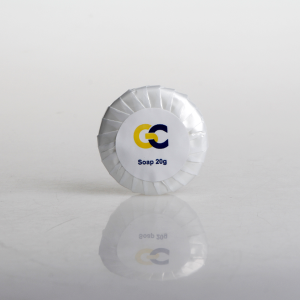
Options include individually wrapped soap bars, liquid hand soap and larger containers for compatible refillable dispensers.
Soap bars can be convenient for individual guest use, while liquid soap dispensers may suit modern bathrooms and public washrooms.
When comparing products, review the fragrance, formulation, packaging and cost per use.
For refillable systems, establish clear cleaning and replenishment procedures to maintain appropriate hygiene.
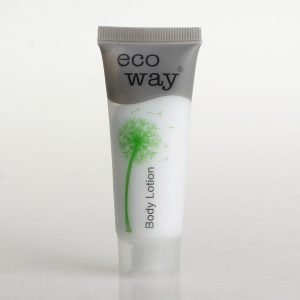
Body Lotion
Body lotion is commonly provided by luxury hotels, resorts and selected boutique properties.
It can complement other toiletries and offer guests an additional personal care option.
Hotels should review the formulation, packaging, fragrance and ingredient information before selecting a lotion.
Products should be stored according to the supplier’s recommendations and checked regularly for damaged packaging or changes in condition.
Dental and Vanity Kits
Some hotels provide additional bathroom amenities such as toothbrushes, toothpaste, shower caps, cotton buds and vanity kits.
These products can be useful for guests who have forgotten personal care essentials or prefer to travel with fewer items.
The appropriate selection depends on the property’s service level, guest profile and amenity budget.
Hotels should avoid ordering products simply because they are available in a wholesale catalogue. Instead, focus on the items that provide genuine value to guests.
How to Choose the Best Wholesale Hotel Toiletries Supplier
A dependable supplier helps maintain product availability, consistent quality and predictable purchasing costs.
Evaluate Product Quality
Request samples before committing to a large order.
Assess the product’s fragrance, texture, packaging, usability and general presentation.
Review ingredient lists and product information, particularly if your hotel caters to guests with specific personal care preferences.
For products intended for refillable dispensers, confirm compatibility and follow the manufacturer’s instructions for handling and replenishment.
Compare Wholesale Pricing
Wholesale prices vary according to product type, order quantity, packaging and supplier arrangements.
Ask for a written quotation that includes unit prices, minimum order quantities, delivery charges and any applicable taxes.
For customised products, confirm whether branding, artwork preparation or packaging setup involves additional fees.
Compare the total cost of supplying your rooms rather than choosing a supplier solely on the lowest unit price.
Check Delivery Reliability
Hotels need toiletries available when rooms are prepared for incoming guests.
Delivery delays can create operational problems, especially during peak travel seasons, holidays and major events.
Ask suppliers about standard lead times, order tracking, delivery coverage and procedures for urgent replenishment.
If products are imported, consider international shipping times, customs requirements and possible delays.
Review Product Range
A supplier offering shampoo, conditioner, soap, body wash and other toiletries may help simplify purchasing.
Ordering several products from one supplier can reduce administrative work and make it easier to maintain a coordinated amenity range.
However, the supplier should still meet your quality, pricing and delivery requirements.
Ask About Private-Label Options
If your hotel wants branded toiletries, ask whether the supplier offers custom labels, printed packaging or private-label manufacturing.
Confirm minimum quantities, sample approval requirements, production times and the process for reordering products.
Custom branding can strengthen brand presentation, but it often requires more planning than purchasing standard products.
How Much Do Wholesale Hotel Toiletries Cost?
The cost of wholesale hotel toiletries depends on product specifications, order quantity, packaging and delivery arrangements.
Basic toiletries in standard packaging may have a different price from premium formulations, branded products or specialised amenity sets.
Prices also vary between suppliers and manufacturing locations.
For this reason, hotels should request quotations based on their actual product requirements and estimated usage.
Factors That Influence Wholesale Pricing
Product type: Shampoo, conditioner, soap, lotion and dental kits have different manufacturing and packaging costs.
Order quantity: Larger orders may qualify for lower unit prices, depending on the supplier.
Packaging: Individual containers, coordinated amenity sets and refillable formats have different cost structures.
Custom branding: Private-label products may involve artwork, printing, setup fees and minimum production runs.
Delivery charges: Freight costs depend on order size, location and shipping method.
Product specifications: Ingredients, fragrance, packaging materials and relevant product certifications can influence pricing.
Calculate the Cost Per Occupied Room Night
One useful way to evaluate toiletries is to calculate the cost per occupied room night.
For example, if a hotel purchases 1,000 shampoo containers for $250, the purchase cost is $0.25 per container before delivery charges and other applicable expenses.
If the hotel uses one container per occupied room night, the shampoo cost would be $0.25 per room night under that usage assumption.
Actual consumption may differ because guests use products differently and housekeeping procedures vary.
Hotels should track real usage over time and calculate the combined cost of all amenities supplied in each room.
This approach helps purchasing teams compare suppliers and identify opportunities to reduce costs without compromising guest experience.
Sustainable Wholesale Hotel Toiletries
Sustainability is an increasingly important consideration for hospitality purchasing.
Hotels can review their toiletry products and packaging to identify opportunities to reduce unnecessary waste.
Consider Refillable Dispensers
Refillable dispensers can reduce the number of small containers used in guest bathrooms.
They may also simplify replenishment when a property uses the same products throughout its rooms.
However, dispensers require suitable cleaning, maintenance and refilling procedures.
Hotels should assess dispenser compatibility, product availability, refill packaging and housekeeping requirements before introducing a new system.
Choose Appropriate Packaging
Individually packaged toiletries provide convenient handling, but they can create more packaging waste than some alternative formats.
Where practical, compare packaging options and select materials that can be managed through available local waste systems.
Do not assume that packaging is recyclable simply because it carries a recycling symbol. Confirm the requirements of the relevant local recycling service.
Review Ingredient and Product Information
Some suppliers offer toiletries made with plant-derived ingredients or formulations designed to meet particular ingredient preferences.
Review the product documentation carefully and look for relevant, verifiable certifications where applicable.
Marketing terms such as natural, botanical or eco-friendly do not necessarily establish that a product has a lower environmental impact.
Consider the formulation, packaging, transport and practical use of the product when making purchasing decisions.
Reduce Unnecessary Product Waste
Providing too many amenities can increase costs and create unnecessary waste.
Review guest feedback, occupancy patterns and actual product usage to determine which items are most useful.
A carefully selected range can meet guest expectations without overloading rooms with products that are rarely used.
How to Manage Wholesale Hotel Toiletries Inventory
Effective inventory management helps hotels prevent shortages, reduce waste and maintain predictable purchasing costs.
Forecast Demand
Estimate product requirements using occupied room nights, average usage, seasonal demand and supplier lead times.
Properties with high occupancy may need larger reserve stocks, while smaller accommodation businesses may benefit from more frequent orders in manageable quantities.
Update forecasts when occupancy patterns or guest amenity preferences change.
Establish Minimum Stock Levels
Set a minimum stock quantity for each essential product.
The threshold should reflect expected consumption and the time required to receive a new delivery.
When inventory reaches the reorder point, purchasing staff can place an order before supplies run out.
Track Product Consumption
Record the number of toiletries issued to housekeeping and compare usage with occupied room nights.
This helps identify unusual changes in consumption and supports more accurate future purchasing.
It can also reveal whether packaging sizes or housekeeping procedures need adjustment.
Rotate Stock Properly
Store products according to the manufacturer’s instructions and use older stock before newer deliveries where appropriate.
Keep products in suitable storage conditions and check packaging for damage.
Where expiry dates or recommended-use periods are provided, monitor them and follow the supplier’s guidance.
Maintain Backup Supply Options
Even reliable wholesalers can experience stock shortages or delivery delays.
For essential products, consider identifying an alternative supplier that can provide compatible items.
Keep product specifications and approved alternatives on record so that urgent orders do not create unexpected quality differences.
Common Mistakes to Avoid When Buying Wholesale Hotel Toiletries
Choosing Products Based Only on Price
Low-cost products may seem attractive, but poor packaging, unpleasant fragrance or inconsistent quality can affect the guest experience.
Compare quality, cost per use and supplier reliability together.
Ordering Excessive Quantities
Large orders may reduce unit prices, but excess inventory can tie up cash and occupy valuable storage space.
Base purchasing decisions on realistic usage forecasts and storage capacity.
Ignoring Guest Preferences
Strong fragrances and certain ingredients may not suit every guest.
Consider the needs of your target market and choose products with clear labelling and suitable formulations.
Overlooking Delivery Terms
A low product price may not represent good value if freight charges are high or delivery schedules are unreliable.
Confirm the full cost, expected lead time, minimum order quantity and procedures for handling damaged or incorrect shipments.
Failing to Check Repeat-Order Consistency
Changes in packaging, fragrance or formulation may affect the guest experience.
Ask suppliers to communicate significant product changes and confirm that future orders will meet the agreed specifications.
Conclusion: Find the Right Wholesale Hotel Toiletries Partner
Choosing reliable wholesale hotel toiletries is an important part of maintaining guest comfort, supporting housekeeping teams and managing hospitality expenses.
Whether you operate a boutique hotel, luxury resort, motel or serviced apartment, the right toiletries should match your guests’ expectations, your brand identity and your purchasing budget.
Compare suppliers based on product quality, pricing, minimum order quantities, delivery reliability and customer support. Consider private-label options if branding is important, and evaluate refillable dispensers or alternative packaging when they suit your operational and sustainability goals.
Accurate inventory planning can also help prevent shortages, reduce waste and make purchasing more predictable.
By establishing a reliable supply arrangement and reviewing product performance regularly, hospitality businesses can maintain consistent bathroom amenities and provide guests with a convenient, comfortable stay.
Frequently Asked Questions
1. What are wholesale hotel toiletries?
Wholesale hotel toiletries are personal care products purchased in bulk for use in hotels and other accommodation businesses. Common items include shampoo, conditioner, body wash, soap, lotion and dental kits.
2. How do I choose a wholesale hotel toiletries supplier?
Compare product quality, pricing, minimum order quantities, delivery reliability, available products and customer service. Request samples and written quotations before placing a large order.
3. What toiletries should a hotel provide?
Common options include shampoo, body wash, soap and conditioner. Depending on the property’s service level and guest requirements, hotels may also provide lotion, dental kits and other bathroom amenities.
4. Can I order custom-branded hotel toiletries wholesale?
Yes. Some suppliers offer private-label products and custom packaging. Confirm minimum order quantities, artwork requirements, production times and additional branding costs before ordering.
5. How can hotels reduce the cost of toiletries?
Hotels can compare suppliers, calculate costs per occupied room night, forecast demand and select appropriate order quantities. Bulk purchasing can reduce unit prices when stock is stored and used efficiently.
6. Are refillable hotel toiletry dispensers a good option?
Refillable dispensers can reduce the use of small containers and simplify replenishment. They require suitable products, compatible equipment and proper cleaning and refilling procedures.
7. How much stock should a hotel order?
Estimate requirements using occupied room nights, average product consumption, supplier lead times and storage capacity. Review actual usage regularly and adjust future orders accordingly.
8. What should I check before placing a bulk toiletries order?
Review product specifications, ingredients, packaging quality, minimum quantities, delivery costs, shelf-life information where applicable and return policies. Confirm that the supplier can maintain consistent product quality across repeat orders.