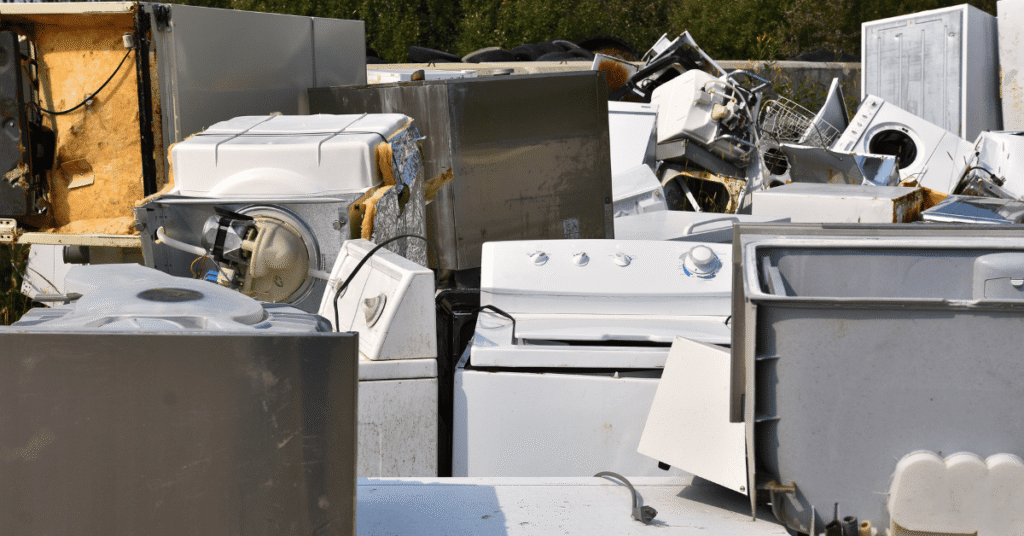
A new kitchen or upgraded laundry room can transform a home, but old appliances can quickly become a problem. Bulky refrigerators, washers, dryers, and ovens take up valuable space and may create safety concerns during renovation work. Planning Appliance removal services before construction begins can make the project cleaner, safer, and easier to manage. With the right approach, homeowners can clear unwanted equipment efficiently while preparing the property for its next stage.
Why Appliance Removal Is Important During Home Upgrades
Home upgrades often involve more than installing new cabinets, flooring, or fixtures. Existing appliances may need to be disconnected, moved, stored, recycled, or discarded before contractors can work effectively.
Leaving outdated equipment in place can slow down a renovation and create unnecessary obstacles. In contrast, timely appliance removal gives workers more room and helps homeowners maintain better control over the project.
It Creates More Working Space
Large appliances can occupy considerable floor space. A refrigerator, washing machine, or range can make an already crowded renovation area difficult to navigate.
Removing these items gives contractors a clearer workspace. They can move materials, tools, and equipment around the room without constantly working around bulky objects.
More open space can also make it easier to inspect walls, floors, plumbing connections, electrical outlets, and other areas that may need attention during an upgrade.
It Improves Safety
Home renovation areas can contain sharp materials, exposed wiring, tools, dust, and construction debris. Adding heavy appliances to the same environment may increase the risk of trips, falls, or accidental damage.
Old appliances can also have damaged cords, broken doors, loose parts, or other hazards. Moving them out before renovation work begins reduces clutter and allows workers to concentrate on the project.
For example, removing an old dishwasher before replacing kitchen flooring gives installers better access to the surrounding area and reduces the chance of damaging the appliance or the new floor.
Appliance Removal Makes Renovation Planning Easier
A successful home upgrade depends on good preparation. Appliance removal should therefore be considered during the planning stage rather than treated as an afterthought.
Homeowners should identify which appliances are staying, which are being replaced, and which need to leave the property permanently.
A simple inventory can help:
| Appliance | Common Reason for Removal | Preparation |
|---|---|---|
| Refrigerator | Replacement or kitchen redesign | Empty and disconnect properly |
| Washer | Laundry room upgrade | Disconnect water and power |
| Dryer | Replacement or remodeling | Disconnect according to its power source |
| Dishwasher | Cabinet or flooring renovation | Arrange safe disconnection |
| Oven/Range | Kitchen replacement | Follow appropriate gas or electrical precautions |
| Freezer | Replacement or space conversion | Empty and prepare for transport |
Planning these steps early helps prevent last-minute delays. It also gives homeowners time to arrange appropriate transportation or professional assistance.
It Helps Protect New Materials
Renovation materials can be expensive. New flooring, cabinets, painted walls, and countertops can be damaged when heavy appliances are dragged through a room.
Careful appliance removal reduces this risk. Professionals can use suitable moving equipment and techniques to handle large items while minimizing contact with walls, door frames, and floors.
Even when homeowners handle smaller items themselves, they should avoid dragging heavy appliances. Using proper lifting methods and protective materials can help prevent scratches and dents.
Consider the Path Before Moving Anything
Before an appliance is moved, inspect the route from its current location to the exit.
Check for:
- Narrow doorways
- Stairs
- Uneven flooring
- Tight corners
- Low ceilings
- Fragile surfaces
- Items blocking the pathway
This simple check can reveal problems before the appliance is halfway out of the room.
Old Appliances Can Create Disposal Challenges
Getting an appliance out of the house is only part of the job. The next question is what to do with it.
Large appliances are generally not suitable for ordinary household trash collection. Some contain recyclable metals, electrical components, refrigerants, or other materials that require appropriate handling.
Responsible appliance removal considers the entire process—from taking the item out of the home to determining where it should go afterward.
Recycling Can Be a Better Option
Many appliances contain valuable materials that can be recovered. Metal components, for example, may be processed through appropriate recycling channels.
Recycling can reduce the amount of material sent to landfills while giving usable resources another purpose.
Homeowners should check local requirements because disposal and recycling rules can vary by location. Some communities also offer special collection programs for certain appliances.
Appliance Removal Can Save Time
Renovation projects already involve schedules, deliveries, contractor appointments, and unexpected repairs. Spending several hours trying to move a heavy appliance can add unnecessary pressure.
Professional assistance can simplify this part of the project. Instead of figuring out how to lift, transport, and dispose of bulky equipment, homeowners can focus on the actual upgrade.
Time savings become especially valuable when several appliances need to be removed at once.
For example, a kitchen renovation might involve an old refrigerator, dishwasher, oven, and microwave. Handling each item separately can become a major chore, particularly when transportation is limited.
It Helps Prepare Homes for New Appliances
New appliances often have specific size and installation requirements. Clearing away old equipment makes it easier to measure the available space accurately.
This matters because a replacement appliance may have different dimensions from the previous model.
Before purchasing a new unit, homeowners should confirm:
- Available width and height.
- Depth and clearance requirements.
- Door-opening space.
- Electrical requirements.
- Water or drainage connections where applicable.
- Ventilation needs.
- The route used to bring the replacement appliance inside.
Removing the old appliance first can also help contractors inspect the installation area for damage or outdated connections.
When Should Appliance Removal Be Scheduled?
Timing depends on the renovation, but removal generally works best before major work begins.
If flooring is being replaced, for instance, old appliances may need to be removed before installation. If cabinets are being redesigned, built-in appliances may need to come out before demolition starts.
A practical schedule might look like this:
| Renovation Stage | Appliance Removal Action |
|---|---|
| Initial planning | Identify appliances to replace |
| Before demolition | Clear unnecessary equipment |
| Before flooring work | Remove appliances affecting floor access |
| Before cabinet installation | Clear built-in or surrounding appliances |
| Before final installation | Confirm the space is clean and accessible |
| After installation | Arrange removal of any replaced units |
The exact sequence should match the contractor’s work plan. Coordinating removal with the renovation schedule can prevent unnecessary moving and handling.
How Homeowners Can Prepare for Appliance Removal
Good preparation can make the process much smoother. Start by identifying everything that needs to leave the property.
Then determine whether each item will be reused, donated, recycled, sold, or discarded.
Prepare Appliances Carefully
Depending on the appliance, preparation may include:
- Removing food from refrigerators and freezers.
- Cleaning loose debris.
- Removing shelves or detachable parts.
- Disconnecting water supplies appropriately.
- Securing doors or loose components.
- Clearing the surrounding area.
- Protecting nearby walls and flooring.
However, homeowners should not attempt complicated electrical or gas disconnections without appropriate knowledge or professional assistance. Safety should always take priority over convenience.
Professional Appliance Removal Can Reduce Physical Strain
Appliances are often heavier than they appear. Refrigerators, washers, dryers, and ranges can be difficult to maneuver, especially through narrow spaces.
Attempting to move them without proper equipment can lead to injuries or property damage.
Professional removal teams typically have experience handling bulky items and can determine the safest way to move them. This can be particularly helpful for homes with stairs, tight hallways, or limited exterior access.
For homeowners who are already managing a renovation, avoiding unnecessary heavy lifting can make the entire process less stressful.
Common Mistakes to Avoid
Several mistakes can make appliance removal harder than necessary.
Waiting Until the Last Minute
Scheduling removal after renovation work has already started can create delays. Contractors may have to stop or rearrange their work while an appliance is moved.
Ignoring Disposal Rules
Leaving a large appliance beside the curb does not guarantee that it will be collected. Local rules may restrict how certain items are handled.
Moving Appliances Without a Clear Route
A heavy appliance can damage a wall or floor if movers discover a tight corner only after the process begins.
Forgetting About Replacement Delivery
The old appliance should not simply be removed without considering how the new unit will enter the home. Keeping the access route clear can make installation much easier.
Final Tips for a Smooth Home Upgrade
A little preparation can prevent many common problems. Homeowners should treat appliance removal as part of the renovation plan rather than a separate chore.
Before the project begins, confirm:
- Which appliances are being removed.
- When each item should leave.
- How the appliances will be moved.
- Where each item will go afterward.
- Whether local disposal rules apply.
- Whether professional help is needed.
- How the removal schedule fits with contractor work.
This approach keeps the project organized and reduces unnecessary disruption.
Conclusion
Home upgrades are easier when the workspace is clean, accessible, and properly prepared. Removing outdated appliances before renovation work begins creates more room, improves safety, protects new materials, and helps contractors work efficiently. It also gives homeowners time to consider recycling and responsible disposal instead of making rushed decisions at the end of the project. Whether you are updating a kitchen, remodeling a laundry room, or preparing a property for new equipment, planned appliance removal can make the entire process smoother. With thoughtful scheduling and the right help, homeowners can clear unwanted appliances and move confidently toward a cleaner, upgraded space.
FAQs
1. Why should appliances be removed before a home renovation?
Removing appliances creates more working space, reduces obstacles, and helps contractors access floors, walls, cabinets, plumbing, and electrical areas more easily.
2. Can all old appliances be recycled?
Many appliances contain recyclable materials, but recycling options vary by location and appliance type. Check local programs or work with an appropriate removal provider.
3. Should I remove appliances myself?
Small and lightweight items may be manageable, but large appliances can be difficult and risky to move. Professional assistance may be safer when items are heavy or access is complicated.
4. When should appliance removal be scheduled?
Ideally, schedule removal before the renovation stage that requires the space. Coordinate the timing with your contractor to avoid delays or unnecessary handling.
5. What appliances commonly need removal during upgrades?
Refrigerators, freezers, ovens, ranges, dishwashers, washing machines, and dryers are among the appliances frequently replaced during home improvement projects.